African Safari Bucket List Adventures 2026
November 2, 2026
Best Time to Visit Zanzibar
November 2, 2026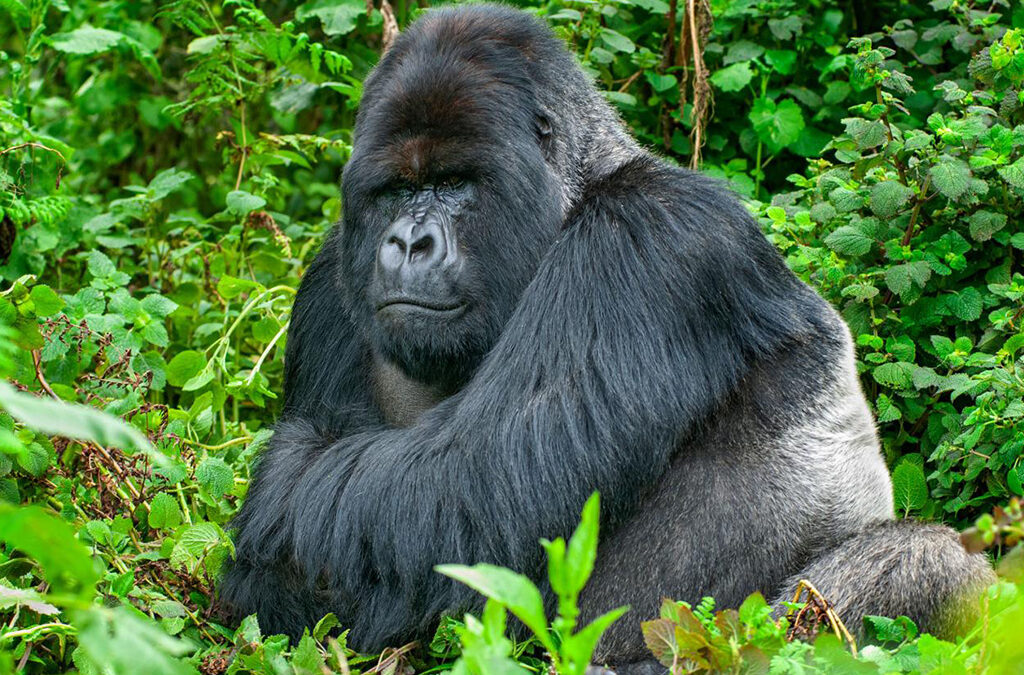
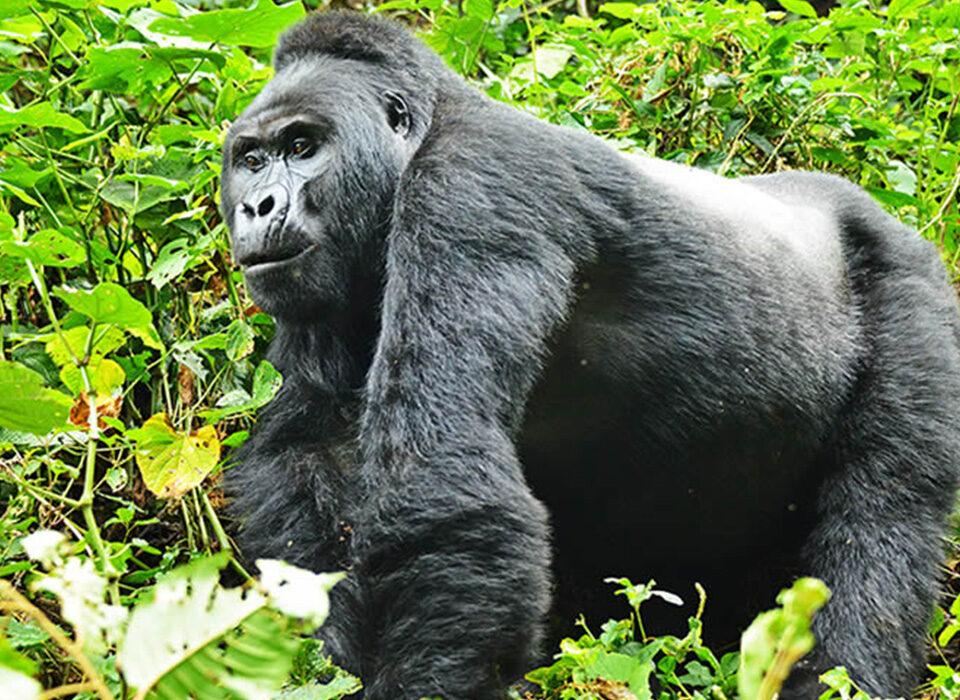
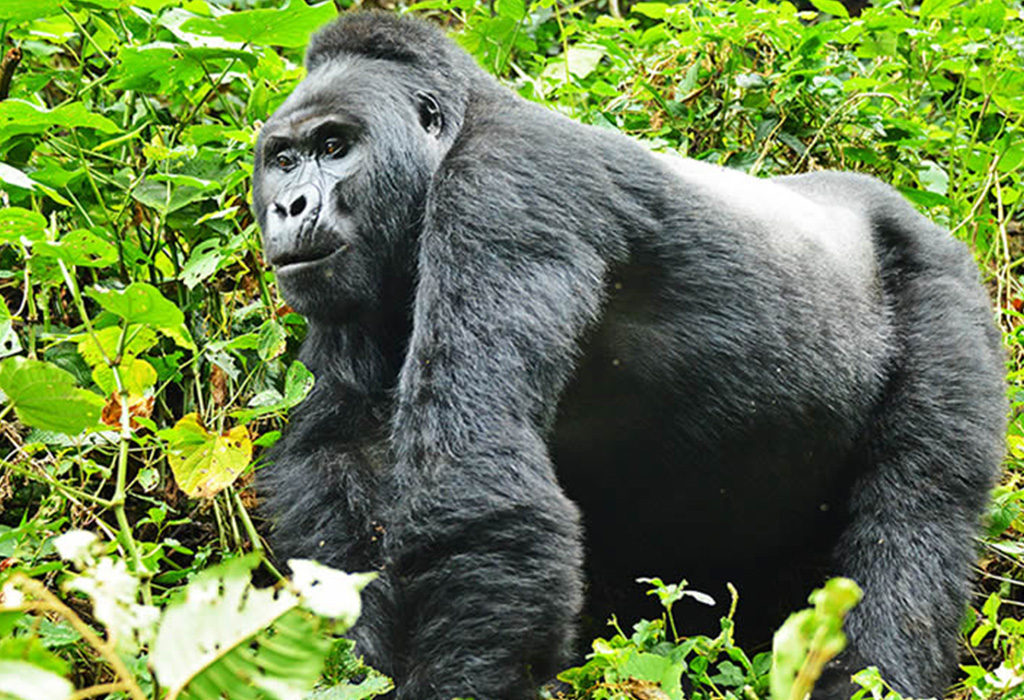
Few wildlife encounters compare to standing a few metres away from a family of mountain gorillas in the mist-covered forests of East Africa. Watching a silverback calmly observe his surroundings, a mother gently care for her infant, or young gorillas playfully chase one another through the vegetation creates an experience that stays with you long after leaving the forest.
But what is special about mountain gorillas beyond their impressive size and remarkable appearance? These extraordinary primates stand out because of their intelligence, strong family relationships, gentle behaviour, limited natural habitat and incredible conservation story. They also share many biological and behavioural similarities with humans, making encounters with them particularly fascinating.
Mountain gorillas are among the world’s most remarkable wildlife species. Their survival depends on protected forests, dedicated conservation programmes and the continued involvement of surrounding communities. In Uganda and Rwanda, visitors have the rare opportunity to observe these endangered primates in their natural environment through carefully managed gorilla trekking experiences.
This guide explores what makes mountain gorillas unique, where they live, how they behave, why they matter to conservation and how you can experience them responsibly with Experiya Tour Company.
1. Mountain Gorillas Are Found Only in East-Central Africa
One of the most fascinating things about mountain gorillas is their extremely limited natural distribution. Unlike many wildlife species that occupy large areas across different continents, mountain gorillas survive in a small region of East-Central Africa.
They inhabit two main forest ecosystems within three countries:
-
Uganda: Bwindi Impenetrable National Park and Mgahinga Gorilla National Park.
-
Rwanda: Volcanoes National Park.
-
Democratic Republic of Congo: Virunga National Park.
These protected areas provide the cool temperatures, abundant vegetation and forest cover that mountain gorillas need to survive.
Their restricted geographical range makes them particularly vulnerable to habitat destruction, human pressure and disease. Consequently, protecting these forests is essential for maintaining healthy gorilla populations.
For travellers, this limited distribution also makes gorilla trekking a particularly special experience. You cannot simply visit any wildlife destination and expect to encounter mountain gorillas. You must travel to one of their protected habitats and follow the conservation regulations established by park authorities.
2. Mountain Gorillas Are Among the World’s Rarest Great Apes
Mountain gorillas are rare primates, and their survival represents one of Africa’s most important conservation priorities.
Historical population estimates once suggested that mountain gorillas faced an extremely serious risk of extinction. However, decades of conservation work have helped their numbers recover. The global population is now estimated at slightly over 1,000 individuals, based on the latest widely reported census figures.
Their rarity makes every individual important to the survival of the species.
Unlike some other wildlife species, mountain gorillas do not have established wild populations outside their natural East-Central African habitats. Their survival therefore depends heavily on protecting the forests where they live.
Several factors contribute to their continued protection:
-
Anti-poaching patrols and regular forest monitoring.
-
Veterinary care for injured or sick gorillas.
-
Habitat protection and restoration.
-
Responsible gorilla trekking tourism.
-
Community conservation and education programmes.
Although their conservation situation has improved, mountain gorillas still face threats from habitat pressure, disease and human activities. Continued protection remains essential.
3. Mountain Gorillas Share Remarkable Similarities with Humans
Perhaps the most fascinating characteristic of mountain gorillas is their biological and behavioural similarity to humans. Gorillas share approximately 98% of their DNA with humans, making them one of our closest living relatives.
However, their similarities extend beyond genetics. Anyone observing a gorilla family in the forest can notice behaviours that resemble familiar human interactions.
For example, mother gorillas spend considerable time caring for their infants, carrying them, protecting them and helping them develop. Young gorillas also play, explore their surroundings and interact with other members of their families.
Mountain gorillas demonstrate several recognisable behaviours, including:
-
Expressing emotions through facial expressions and body movements.
-
Developing strong relationships within family groups.
-
Playing, wrestling and socialising.
-
Caring for young and vulnerable group members.
-
Showing curiosity towards unfamiliar objects and surroundings.
During gorilla trekking, visitors sometimes notice gorillas looking directly at them, grooming one another or quietly resting together. These simple moments often create a powerful sense of connection.
Nevertheless, mountain gorillas remain wild animals. Their similarities to humans should encourage respect rather than close physical interaction.
4. Their Family Structure and Silverback Leadership Are Extraordinary
Mountain gorillas live in close-knit social groups commonly known as troops or families. Most groups are led by a dominant adult male called a silverback, whose distinctive silver-grey hair develops across his back as he matures.
A typical mountain gorilla family may include:
-
One dominant silverback.
-
Several adult females.
-
Infants and juvenile gorillas.
-
Sometimes additional adult males or subordinate silverbacks.
The dominant silverback plays an important role in maintaining group stability. He usually determines where the family travels, rests and feeds. He also protects group members against potential threats and helps manage conflicts.
However, silverbacks do not maintain leadership through aggression alone. Their behaviour often involves patience, confidence and careful social interaction.
Female gorillas also play essential roles within the family. Mothers nurture their young, while older juveniles gradually learn social behaviours through observation and interaction.
Watching these relationships during a gorilla trekking experience provides a fascinating understanding of how mountain gorillas organise their lives.
5. Mountain Gorillas Are Powerful Yet Surprisingly Gentle
Mountain gorillas are among the largest living primates. A fully grown silverback can weigh approximately 140–200 kilograms, although individual weights vary.
Their broad chests, muscular arms and powerful shoulders give them an impressive appearance. Despite their strength, however, mountain gorillas are generally peaceful animals that prefer to avoid unnecessary conflict.
Most of their daily activities involve feeding, resting, grooming and moving through the forest.
Their diet consists mainly of vegetation, including:
-
Leaves and young shoots.
-
Stems and roots.
-
Wild fruits.
-
Bamboo shoots when available.
-
Other seasonal forest plants.
Mountain gorillas may display their strength by beating their chests, vocalising, standing upright or charging when threatened. These behaviours are important communication and defensive displays.
During properly regulated gorilla trekking encounters, visitors usually observe relaxed family interactions. However, following ranger instructions remains essential because these are powerful wild animals that deserve space and respect.
6. Mountain Gorillas Have Remarkable Intelligence and Communication Skills
Another characteristic that makes mountain gorillas special is their intelligence. These primates demonstrate impressive learning abilities, memory, problem-solving skills and social awareness.
They communicate through a combination of vocalisations, facial expressions, gestures and body movements.
For instance, a gorilla may use different sounds to communicate alarm, excitement, reassurance or social interest. Chest beating is another well-known behaviour, particularly among adult males, and can communicate information about an individual’s size, strength and intentions.
Gorillas also spend considerable time grooming one another. This activity helps maintain social bonds, strengthens relationships and supports group harmony.
Young gorillas learn many behaviours by watching older family members. They gradually develop feeding habits, social skills and communication patterns through observation and experience.
During a trek, visitors may notice gorillas making soft vocal sounds, playing with vegetation or responding to one another through subtle movements. These interactions demonstrate that their social world is far more complex than it might initially appear.
7. Mountain Gorillas Live in High-Altitude Forests
Mountain gorillas live in some of Africa’s coolest tropical forest environments. Their habitats include high-altitude rainforests, bamboo zones and volcanic mountain slopes.
Unlike lowland gorillas, mountain gorillas have thicker and longer fur, which helps them cope with colder temperatures in their mountainous surroundings.
Their bodies are also adapted to spending much of their time moving through dense vegetation and steep forest terrain.
Some of their most important habitats include:
Bwindi Impenetrable National Park, Uganda
Bwindi is famous for its ancient forest, rich biodiversity and large population of mountain gorillas. Its steep hills and dense vegetation provide excellent natural habitat for these primates.
Mgahinga Gorilla National Park, Uganda
Located within the Virunga conservation landscape, Mgahinga protects mountain gorillas living on the forested slopes of the Virunga volcanoes.
Volcanoes National Park, Rwanda
This park is known for its dramatic volcanic scenery, bamboo forests and habituated gorilla families. It is one of the most popular destinations for mountain gorilla trekking.
Virunga National Park, Democratic Republic of Congo
Virunga forms part of the wider Virunga conservation landscape and provides important habitat for mountain gorillas.
Protecting these forests benefits more than gorillas. It also supports other wildlife, preserves biodiversity, stores carbon and protects important water catchment areas.
8. Mountain Gorillas Represent an Extraordinary Conservation Success Story
Mountain gorillas were once considered among the most threatened primates in the world. Habitat destruction, poaching, disease and human-wildlife conflict placed enormous pressure on their survival.
Fortunately, conservation organisations, governments, researchers and local communities have worked together to protect them.
Their recovery demonstrates what sustained conservation efforts can achieve when different stakeholders work towards a common goal.
Some of the most important conservation activities include:
-
Monitoring gorilla families to understand their health and behaviour.
-
Employing rangers to patrol protected forests.
-
Providing veterinary treatment when necessary.
-
Supporting community-based conservation projects.
-
Regulating tourism to reduce disturbance.
-
Educating local communities about wildlife protection.
Mountain gorillas are particularly important because their recovery shows that endangered species can benefit from well-managed conservation programmes.
Nevertheless, their future is not guaranteed. Continued investment in habitat protection, veterinary services and community development remains necessary.
9. Gorilla Trekking Provides a Rare Opportunity to See Them in the Wild
One of the most exciting ways to appreciate what makes mountain gorillas special is by visiting them in their natural habitat.
Gorilla trekking involves hiking through protected forests with experienced guides and trackers who help locate habituated gorilla families.
The experience usually begins early in the morning with a briefing at the park headquarters. Rangers explain the trekking regulations, assign visitors to gorilla groups and provide important safety information.
Afterwards, visitors enter the forest and follow designated routes or tracker information to locate the gorillas.
The duration of the hike varies depending on the gorillas’ movements and the terrain. Some encounters require relatively short walks, while others involve several hours of hiking through steep, muddy and densely vegetated forest.
Once the gorilla family is located, visitors are generally allowed a maximum of one hour to observe them.
This limited viewing period makes every moment valuable. You may see a silverback resting, mothers feeding their infants or young gorillas playing around the family.
For many travellers, these close encounters become the highlight of their East African safari.
10. Strict Gorilla Trekking Rules Protect Mountain Gorillas
Mountain gorillas are vulnerable to certain human diseases because of their genetic similarities to people. Consequently, park authorities enforce strict regulations to protect them during tourism activities.
These guidelines help minimise disturbance, prevent disease transmission and maintain responsible wildlife encounters.
Important gorilla trekking regulations include:
-
A maximum of eight visitors per habituated gorilla family per day under standard trekking rules.
-
A maximum viewing time of one hour.
-
Maintaining the required minimum viewing distance, generally seven metres, subject to current park guidance.
-
Avoiding trekking when sick, particularly with respiratory symptoms.
-
Never touching or feeding gorillas.
-
Keeping voices low and avoiding sudden movements.
-
Following instructions from park rangers and guides.
-
Using a face mask when required by current park regulations.
These rules are not simply formalities. They protect the health of gorillas while allowing visitors to enjoy meaningful wildlife experiences.
Responsible tourism ensures that future generations can continue seeing mountain gorillas in their natural environment.
11. Mountain Gorilla Conservation Benefits Local Communities
Mountain gorilla conservation is closely connected to the well-being of communities living around protected forests.
For many years, local people have played an important role in protecting gorilla habitats. Today, tourism provides employment opportunities and supports community development through several initiatives.
Gorilla trekking contributes to local economies by creating work for:
-
Professional safari guides and park rangers.
-
Gorilla trackers and conservation staff.
-
Local porters who assist trekkers.
-
Lodge employees and hospitality workers.
-
Craft makers and cultural tourism providers.
-
Local transport and service businesses.
Tourism revenue also supports community projects, depending on the revenue-sharing arrangements and programmes implemented by the relevant authorities.
These benefits encourage communities to participate in wildlife conservation while improving their livelihoods.
When travellers visit Uganda or Rwanda for gorilla trekking, their spending can therefore contribute to both wildlife protection and local development.
12. Why Meeting Mountain Gorillas Is a Life-Changing Experience
People often describe mountain gorilla trekking as one of the most emotional wildlife experiences in Africa. The reason is simple: observing these animals at close range reveals their personalities, relationships and everyday routines.
Unlike traditional game drives, where visitors watch wildlife from a vehicle, gorilla trekking takes you directly into the forest environment where these primates live.
You may find yourself standing quietly as a silverback watches over his family. Nearby, an infant might cling to its mother while juveniles play among the vegetation.
These natural interactions create a sense of connection that is difficult to describe.
The experience also encourages travellers to appreciate the importance of protecting endangered wildlife and the ecosystems that support it.
For many visitors, the most memorable part is not taking photographs but simply spending time observing a gorilla family behaving naturally in its forest home.
13. Experience Mountain Gorilla Trekking with Experiya Tour Company
At Experiya Tour Company, we believe that mountain gorilla trekking should be more than a wildlife excursion. It should be an opportunity to understand these extraordinary primates, appreciate their natural environment and support responsible tourism.
We organise Uganda and Rwanda gorilla safaris that connect travellers with some of East Africa’s most remarkable wildlife destinations.
Our safari experiences focus on:
-
Gorilla permit arrangements and trekking preparations.
-
Experienced local driver-guides.
-
Comfortable accommodation suited to individual travel budgets.
-
Private 4×4 safari transportation.
-
Flexible itineraries for couples, families and small groups.
-
Opportunities to combine gorilla trekking with wildlife safaris and cultural experiences.
In Uganda, visitors can explore Bwindi Impenetrable National Park and Mgahinga Gorilla National Park. In Rwanda, Volcanoes National Park offers another exceptional opportunity to encounter mountain gorillas.
Depending on your available time and interests, you can combine gorilla trekking with chimpanzee tracking, wildlife viewing, scenic drives and cultural visits.
Our aim is to help travellers experience mountain gorillas responsibly while appreciating the conservation work that protects them.
Plan your mountain gorilla trekking adventure with Experiya Tour Company and discover the remarkable wildlife heritage of Uganda and Rwanda.
14. Practical Tips for Planning a Mountain Gorilla Trekking Safari
Proper preparation can make your gorilla trekking experience more comfortable and enjoyable. Although you do not need to be a professional hiker, reasonable physical fitness is helpful because the forest terrain can be challenging.
Before travelling, consider the following recommendations:
Prepare physically: Walk regularly before your safari to improve your stamina. Gorilla trekking may involve steep slopes, slippery paths and uneven ground.
Choose appropriate clothing: Wear long-sleeved shirts, long trousers and comfortable clothing suitable for forest conditions.
Carry suitable footwear: Sturdy hiking boots with good grip are particularly useful in muddy and uneven terrain.
Bring rain protection: Rain can occur throughout the year in mountain forests, even during relatively dry months.
Carry gardening gloves: These can protect your hands when holding vegetation for support.
Pack drinking water and snacks: A small backpack with water and energy-giving snacks will help during longer hikes.
Follow your guide’s instructions: Rangers understand gorilla behaviour and know how to manage safe encounters.
Book permits early: Gorilla trekking permits are limited, so advance reservations are advisable, particularly during popular travel periods.
With the right preparation, you can enjoy the trek while respecting the natural environment.
15. Frequently Asked Questions About Mountain Gorillas
What is special about mountain gorillas?
Mountain gorillas are special because of their intelligence, strong family relationships, thick fur, impressive physical strength and limited natural habitat. They also share approximately 98% of their DNA with humans and represent an important conservation success story.
Where can you see mountain gorillas?
Mountain gorillas live in Uganda, Rwanda and the Democratic Republic of Congo. The main trekking destinations are Bwindi Impenetrable National Park and Mgahinga Gorilla National Park in Uganda, Volcanoes National Park in Rwanda and Virunga National Park in the DRC.
How many mountain gorillas are left in the world?
The global population is estimated at slightly over 1,000 individuals, based on the latest widely reported census figures. Their numbers have increased through sustained conservation efforts, although they remain vulnerable.
Are mountain gorillas dangerous?
Mountain gorillas are generally peaceful animals, but they are extremely powerful wild primates. They usually avoid unnecessary conflict. Visitors must maintain the required distance and follow ranger instructions throughout the encounter.
How long can you spend with mountain gorillas?
Visitors are generally allowed a maximum of one hour with a habituated mountain gorilla family during a standard trekking experience.
Why do mountain gorillas have thick fur?
Their thick fur helps them remain warm in the cool, high-altitude forests where they live. This adaptation is particularly important because mountain gorilla habitats experience lower temperatures than many lowland tropical forests.
What do mountain gorillas eat?
Mountain gorillas mainly feed on vegetation, including leaves, stems, roots, shoots and wild fruits. Their diet changes depending on seasonal food availability.
Why is gorilla trekking important for conservation?
Gorilla trekking generates tourism revenue, creates employment and supports conservation programmes. When managed responsibly, it provides economic incentives for protecting gorillas and their natural habitats.
Conclusion: What Truly Makes Mountain Gorillas Extraordinary?
So, what is special about mountain gorillas? Their uniqueness comes from much more than their impressive size or endangered status. They are intelligent, social and emotionally complex primates that maintain strong family relationships and demonstrate remarkable adaptations to life in high-altitude forests.
Their limited natural distribution makes them particularly valuable, while their recovery from the brink of extinction demonstrates the importance of long-term conservation efforts.
Perhaps the most remarkable aspect of mountain gorillas is the connection people experience when observing them in the wild. Watching a silverback protect his family, a mother nurture her infant or young gorillas playfully interact offers a rare glimpse into the lives of our closest relatives.
Uganda and Rwanda provide exceptional opportunities to experience these extraordinary animals through responsible gorilla trekking.
With Experiya Tour Company, you can discover the beauty of Bwindi Impenetrable National Park, Mgahinga Gorilla National Park and Volcanoes National Park while supporting responsible wildlife tourism.
Ultimately, meeting mountain gorillas is not simply about seeing rare animals. It is about understanding their world, appreciating their survival and recognising our responsibility to protect them for generations to come.