Explore the Ishasha Sector and Kazinga Channel
October 1, 2026
Top Places to Film Primates in Uganda
October 1, 2026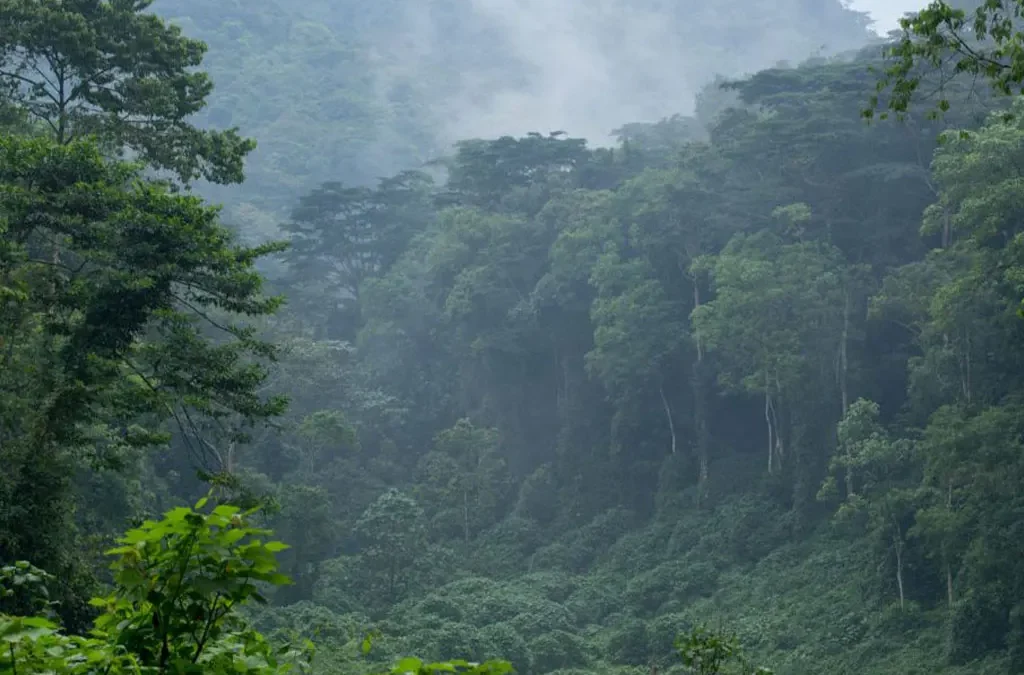
There is a special feeling when you enter Bwindi Impenetrable National Park for a gorilla safari in Uganda. The forest feels quiet, green, and mysterious. Tall trees rise above the trails, vines cover the vegetation, and mist often settles between the hills.
You may hear birds calling from the canopy, water dripping from leaves and branches, and movement somewhere in the thick vegetation. Then, without much warning, it starts to rain.
For first-time visitors, this can cause some concern. You may wonder whether the trek will continue, whether the trails will become too slippery, or whether the rain will affect your chances of seeing the mountain gorillas.
The good news is that rain is a normal part of the Bwindi experience. This is a highland rainforest, so rainfall helps maintain the lush environment that supports mountain gorillas and countless other species. Although wet weather can make hiking more demanding, it can also create beautiful and memorable conditions in the forest.
At Experiya Tour Company, we encourage travelers to prepare for the conditions they are likely to encounter rather than expect perfect weather. With suitable clothing, good footwear, enough time, and a well-planned itinerary, a gorilla safari in Uganda during the rainy season can be an incredibly rewarding adventure.
Why Bwindi Is Special During the Rainy Season
Bwindi Impenetrable National Park is much more than a destination for gorilla trekking. It is one of Uganda’s most important rainforest ecosystems and a UNESCO World Heritage Site, recognized for its exceptional biodiversity.
Rain can make the forest feel even more alive. Leaves become glossy, the smell of wet soil fills the air, and mist can create dramatic views across the hills. Small streams and water channels become more noticeable, while the dense vegetation takes on an even deeper green appearance.
For travelers who enjoy nature, photography, and atmospheric landscapes, these conditions can add another dimension to the experience.
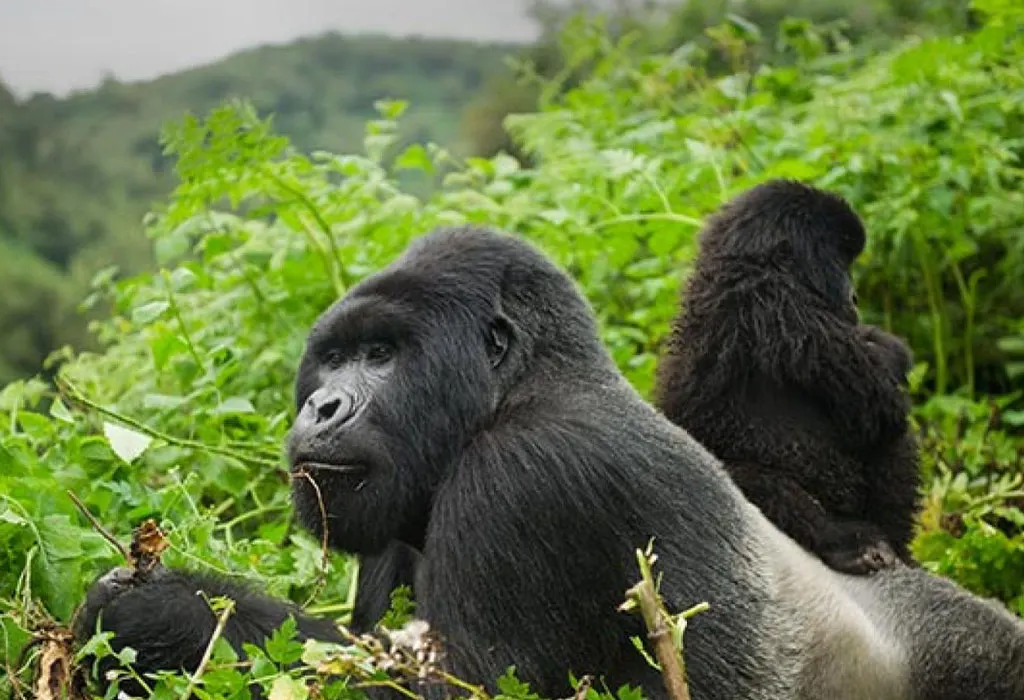
A rainy-day trek may not provide the easiest hiking conditions, but it gives you an opportunity to experience Bwindi as a genuine rainforest rather than as a perfectly controlled outdoor attraction.
When Is the Rainy Season in Uganda?
Uganda generally experiences two main rainy periods. The long rains usually occur from March to May, while another wetter period commonly occurs around October and November. The traditionally drier periods are June to August and December to February.
However, Bwindi has its own highland rainforest climate, so you should never assume that the dry season means completely rain-free trekking.
Weather can change quickly in the mountains. You might begin your trek under cloudy skies, walk for several hours in sunshine, and then experience a short shower before reaching the gorillas.
During the wetter months, however, travelers should be prepared for:
- Muddy and slippery trails.
- Wet vegetation along the hiking routes.
- Sudden rainfall during the trek.
- Longer road journeys in some areas.
- More challenging uphill and downhill sections.
For this reason, rain protection should remain part of your packing list regardless of when you visit.
7 Best Planning Tips for a Rainy-Season Gorilla Safari
1. Book Your Gorilla Permit Before Building Your Itinerary
Your gorilla permit should be one of the first things you arrange when planning a gorilla safari in Uganda.
Gorilla trekking takes place in Bwindi Impenetrable National Park and Mgahinga Gorilla National Park. Bwindi has four main trekking sectors: Buhoma, Ruhija, Rushaga and Nkuringo.
Gorilla permits are limited, so you should not assume that traveling during the rainy season automatically guarantees availability. Your preferred date may still be unavailable, particularly if you are traveling with a group or have fixed international flights.
Experiya Tour Company can help you organize your permit before confirming the rest of your safari arrangements.
Uganda Wildlife Authority – Gorilla Tracking Information
2. Choose the Right Gorilla Trekking Sector
The sector you choose can significantly influence the practical side of your Uganda gorilla trekking experience.
Bwindi’s four sectors have different access routes, terrain and accommodation options. Mgahinga provides another opportunity to track mountain gorillas in southwestern Uganda.
During the rainy season, location becomes particularly important. You do not want to spend several hours traveling from a distant lodge to your briefing point on a wet morning.
Instead, choose accommodation close to your trekking sector. This allows you to rest properly and reach the starting point without unnecessary early-morning travel.
When planning your safari, Experiya Tour Company considers the location of your gorilla permit before recommending accommodation.
3. Stay Near the Trekking Headquarters
Staying close to the gorilla trekking headquarters is one of the simplest ways to make your safari more comfortable.
The evening before your trek should give you time to rest, organize your backpack and prepare your clothing. It should not involve a long road journey from another destination.
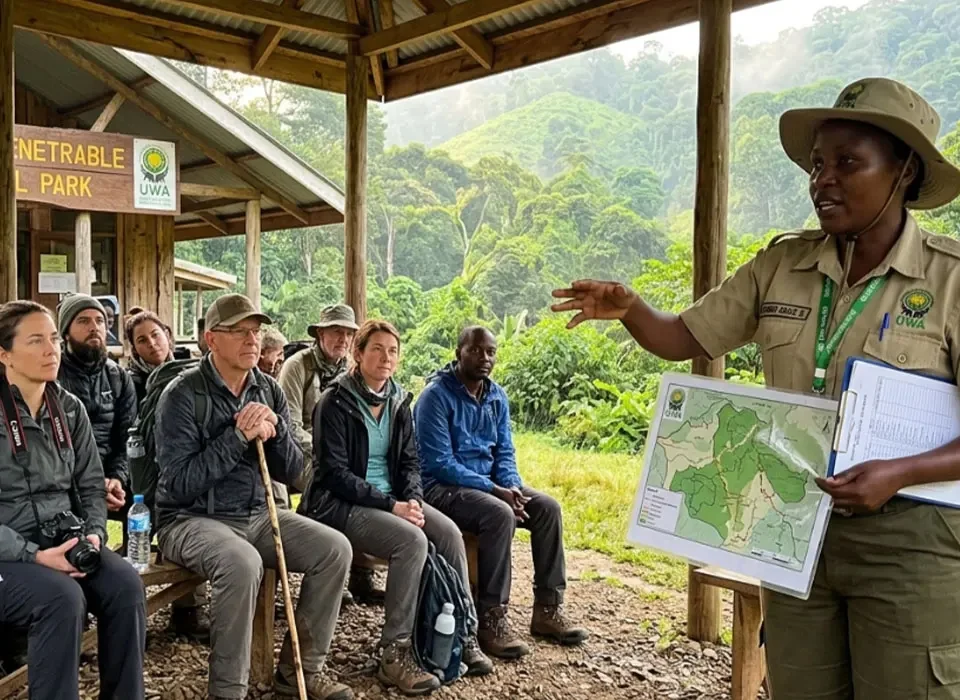
Uganda Wildlife Authority notes that gorilla tracking requires moderate fitness and that the trek can take approximately 2 to 7 hours, depending on the location of the gorilla family. Once the gorillas are located, visitors normally spend a designated period observing them.
Staying nearby means you can have breakfast, check your rain gear and reach the briefing point without feeling rushed.
4. Pack for Rain, Mud and the Forest
When preparing for a gorilla safari in Uganda during the rainy season, practicality matters more than fashion.
You are entering a rainforest where your clothes may become wet, your boots may collect mud, and vegetation may brush against you throughout the trek.
Pack items such as:
- A waterproof rain jacket.
- Waterproof or quick-drying trousers.
- Long-sleeved shirts.
- Warm layers or a lightweight fleece.
- Several pairs of socks.
- Waterproof hiking boots.
- A backpack rain cover.
- Dry bags for valuables.
- A reusable water bottle.
- Insect repellent.
- Personal medication.
- Small energy snacks.
Do not underestimate the importance of extra socks. After several hours of walking through wet conditions, having a dry pair to change into can make a noticeable difference.
5. Wear Good Hiking Boots
Your footwear is one of the most important parts of your gorilla trekking equipment.
Bwindi has steep, uneven, and sometimes muddy terrain. Rain can make slopes slippery, particularly when you are descending.
Choose hiking boots with good grip, ankle support and water resistance. Most importantly, break them in before your safari.
Do not wait until you arrive in Uganda to discover that your new boots cause blisters.
Walking poles can also help with balance, especially on muddy slopes. If you want additional support, consider hiring a porter. A porter can help carry your bag and provide assistance on challenging sections while also creating an opportunity to support local communities around Bwindi.
6. Give Yourself Enough Time for the Journey
A common mistake when planning a Uganda safari is trying to fit too many activities into a short itinerary.
A gorilla trek should not feel like a race.
The journey through southwestern Uganda is part of the experience. You will pass through rural communities, cultivated hills, valleys and changing landscapes before reaching the rainforest.
During wetter periods, road travel can sometimes take longer. Therefore, arriving at your lodge the day before the trek is a much better option than traveling from a distant destination on the morning of your permit.
Rest, have dinner, prepare your backpack and get a good night’s sleep. Then you can begin your gorilla trekking experience feeling relaxed and prepared.
7. Prepare Your Body and Mind
A gorilla safari in Uganda combines wildlife viewing with physical activity. Mountain gorillas move naturally through the forest, so the trackers follow their movements rather than taking visitors to a fixed viewing point.
Some treks are relatively short, while others require several hours of hiking.
Before your trip, prepare by walking regularly. If possible, include hills, stairs or uneven trails in your training routine.
Mental preparation matters too. Expect mud, wet vegetation, steep sections and occasional breaks to catch your breath.
The experience becomes much easier when you accept that the forest does not operate according to a fixed schedule.
What Does Gorilla Trekking Feel Like in the Rain?
Walking through Bwindi during rainfall creates a very different atmosphere from hiking on a dry, sunny morning.
The trail may be damp beneath your feet while rain falls softly through the canopy. Your guide and trackers carefully examine the surroundings for signs of the gorilla family.
They may look for broken branches, feeding areas, footprints, nests, and other clues.
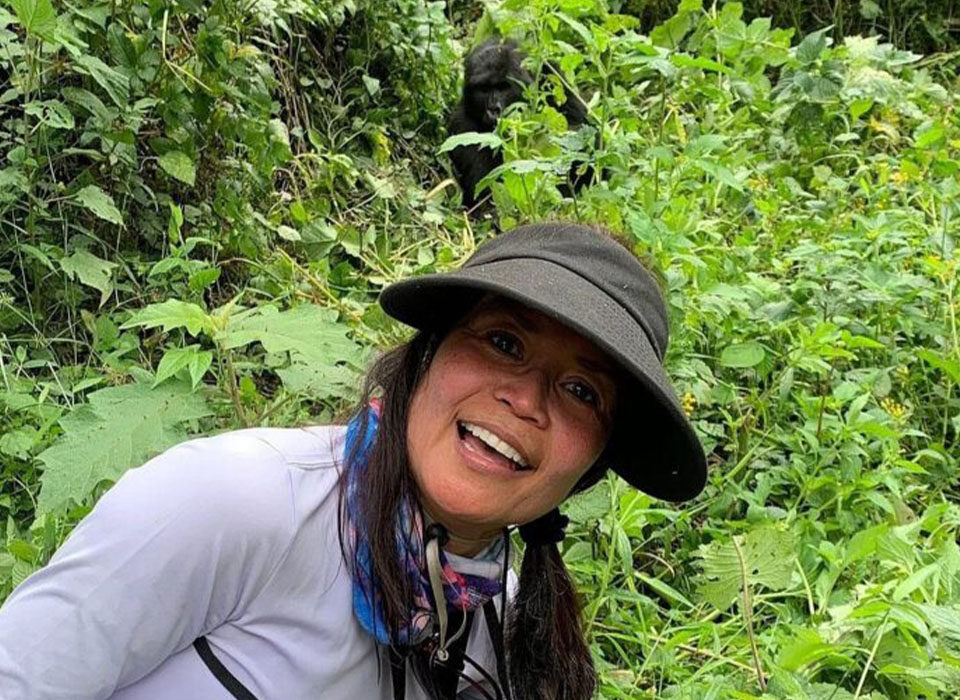
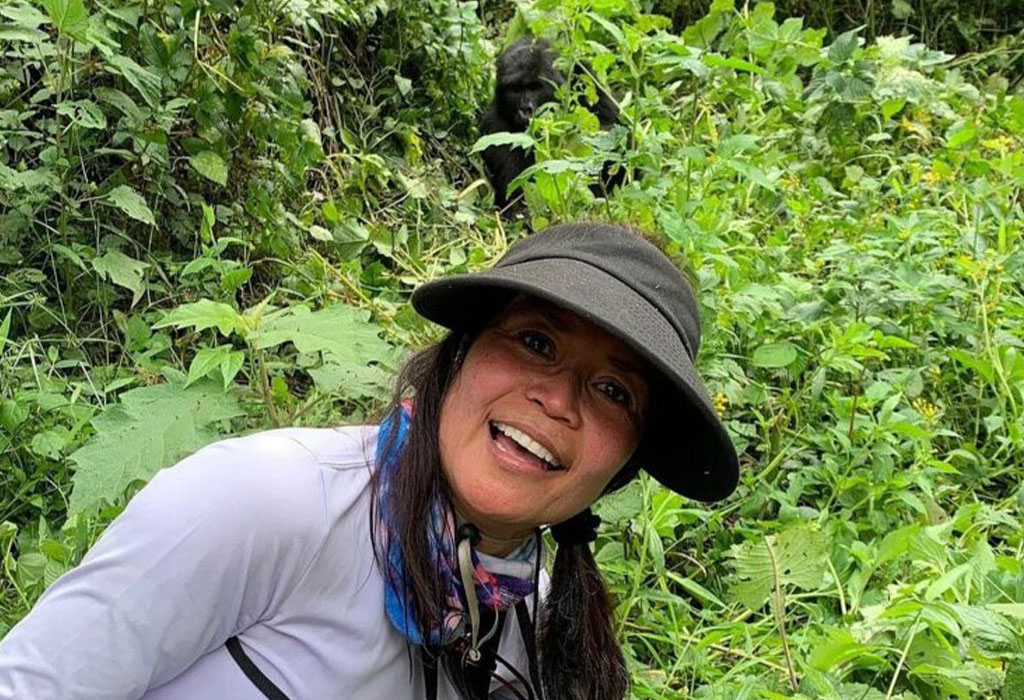
As the trek continues, the anticipation grows. Eventually, you may push through dense vegetation and find a mountain gorilla only a short distance away.
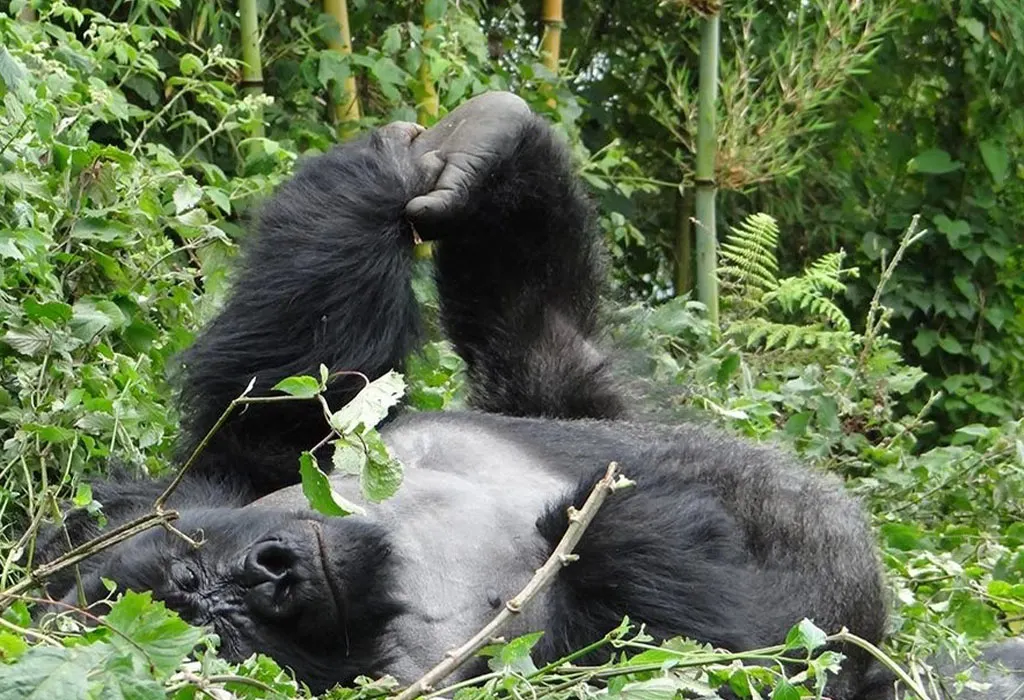
Perhaps a silverback is resting beneath the trees. A mother may be caring for her infant, while young gorillas move and play nearby.
At that moment, the rain, mud and long walk become much less important. Your attention naturally shifts toward the animals and the remarkable forest around you.
Advantages of Visiting During the Rainy Season
A wet-season gorilla trek has several attractions for travelers who do not mind changing weather.
The Forest Is Lush and Green
Rain supports the dense vegetation that makes Bwindi such a distinctive rainforest environment. Mist and wet foliage can also create beautiful scenery.
The Experience Can Feel Quieter
The wetter months may attract fewer visitors than some peak travel periods. Visitor numbers still vary by date and availability, but some travelers appreciate the calmer atmosphere.
Accommodation May Have More Availability
Depending on the lodge and travel dates, lower demand can sometimes make accommodation easier to arrange.
Photographers Can Find Dramatic Conditions
Cloudy skies, mist, wet leaves, and filtered light can create interesting photographic opportunities. However, photographers should always protect their equipment from moisture.
It Feels Like a Genuine Rainforest Adventure
For some travelers, walking through a wet tropical forest is part of the appeal. Rain, mud and changing weather can make the experience feel more adventurous and authentic.
What Are the Challenges of Rainy-Season Gorilla Trekking?
It is equally important to understand the disadvantages.
Rain can make trails muddy and slippery. Wet vegetation can brush against your clothing, while road journeys may take longer. Photography can also become more difficult when there is heavy rainfall.
You may return to your lodge tired and covered in mud.
However, proper preparation makes these challenges manageable. Good boots, waterproof clothing, dry bags and a flexible itinerary can make a major difference.
Rainy Season vs Dry Season for Gorilla Trekking
The traditional dry periods, particularly June to August and December to February, are often preferred by travelers who want generally firmer trail conditions. The wetter months appeal to visitors who enjoy lush scenery and do not mind rain.
| Season | Months | Typical Conditions |
| Long rainy season | March–May | Wetter trails, lush vegetation and potentially more challenging hiking |
| Short rainy season | October–November | Variable rainfall, green scenery and potentially quieter travel |
| Long dry season | June–August | Generally drier trails and a popular travel period |
| Short dry season | December–February | Generally drier conditions and popular travel period |
There is no single travel month that suits everyone. Your choice should depend on your preferred weather conditions, travel schedule, budget and tolerance for wet hiking.
What Should You Wear for a Rainy Gorilla Trek?
A practical outfit should keep you comfortable while protecting you from wet vegetation and changing temperatures.
Consider wearing a moisture-wicking shirt, long hiking trousers, a lightweight fleece and a waterproof outer jacket.
For your feet, use waterproof hiking boots with strong traction. Long trousers are generally more practical than shorts because they offer additional protection from vegetation, insects and scratches.
Always carry a complete change of clothes in a waterproof bag. After several hours in the forest, changing into dry clothes at your lodge can be one of the most satisfying parts of the day.
How to Protect Your Camera and Phone
Rain and electronic equipment do not mix well.
If you plan to photograph the gorillas, protect your equipment before entering the forest.
Useful items include:
- Waterproof camera covers.
- Dry bags.
- Waterproof phone pouches.
- Spare batteries.
- Extra memory cards.
- Lens-cleaning cloths.
Avoid exposing your camera unnecessarily during heavy rain. Sometimes the best approach is to keep your equipment protected until the weather improves.
More importantly, remember to put the camera down occasionally. Watch the gorillas, listen to the forest and enjoy the moment without viewing everything through a screen.
Why Responsible Gorilla Tourism Matters
Gorilla trekking is part of a wider conservation effort.
Bwindi supports exceptional biodiversity and provides important habitat for the critically endangered mountain gorilla. UNESCO recognizes the park for its outstanding biological importance.
UNESCO – Bwindi Impenetrable National Park
Uganda Wildlife Authority manages gorilla tracking and establishes guidelines intended to protect visitors, gorillas and the surrounding habitat.
During your trek:
- Follow your guide’s instructions.
- Maintain the required distance from the gorillas.
- Never touch or feed the animals.
- Avoid flash photography.
- Do not litter.
- Respect the forest and other visitors.
Responsible tourism helps ensure that future travelers can continue experiencing these remarkable animals in their natural environment.
Can You Combine Gorilla Trekking With Other Uganda Experiences?
Absolutely. One advantage of planning a Uganda gorilla safari is the opportunity to combine gorilla trekking with other wildlife, primate and cultural experiences.
Depending on your available time, you can consider:
- Chimpanzee trekking in Kibale Forest.
- Game drives in Queen Elizabeth National Park.
- A Kazinga Channel boat cruise.
- A visit to Lake Bunyonyi.
- Wildlife experiences in Murchison Falls National Park.
- Walking safaris in Lake Mburo National Park.
- Cultural experiences around Bwindi.
- Birdwatching in Uganda’s diverse habitats.
A longer itinerary allows you to experience more of Uganda without rushing from one destination to another.
Frequently Asked Questions About Gorilla Safaris During the Rainy Season
Is a gorilla safari in Uganda during the rainy season worth it?
Yes, the wet season can provide a rewarding experience for travelers who are prepared for muddy trails and changing weather. The forest is lush, green and often beautifully atmospheric.
Does it rain every day in Bwindi?
No. Rainfall varies, and even during wetter months you may experience periods of sunshine. However, Bwindi is a rainforest, so rain remains possible throughout the year.
Are gorillas still seen when it rains?
Mountain gorillas live in the rainforest throughout the year. Rain does not prevent trekking, although weather and terrain can influence the conditions of the hike.
Is gorilla trekking difficult?
It can be physically demanding because Bwindi has steep and uneven terrain. Uganda Wildlife Authority indicates that gorilla tracking requires moderate fitness and may take approximately 2–7 hours.
What should I pack for rainy-season gorilla trekking?
Prioritize waterproof hiking boots, a rain jacket, long trousers, extra socks, waterproof bags, and a complete change of clothes.
Should I hire a porter?
A porter can help carry your belongings and provide useful support on steep or muddy sections. Hiring a porter also provides direct economic support to people living around the park.
How long does gorilla trekking take?
The duration varies because gorillas move naturally through the forest. Uganda Wildlife Authority indicates that trekking may take approximately 2–7 hours, followed by the designated gorilla viewing period once the family is located.
Why Choose Experiya Tour Company?
At Experiya Tour Company, we understand that every traveler approaches a Uganda gorilla safari differently.
A honeymoon couple may want a relaxed itinerary, while a photographer may need more flexibility for equipment and timing. A first-time visitor may also need more assistance with transportation, accommodation and activity planning.
We therefore organize safari itineraries around your travel dates, interests, and practical needs.
Experiya Tour Company can assist with:
- Gorilla permit arrangements.
- Private transportation.
- Professional driver-guides.
- Gorilla trekking logistics.
- Wildlife safaris.
- Chimpanzee tracking.
- Cultural experiences.
- Customized Uganda safari itineraries.
Our goal is to make the journey organized without taking away the sense of adventure that makes Uganda special.
Conclusion: Planning a Gorilla Safari in Uganda During the Rainy Season
A gorilla safari in Uganda during the rainy season is not a completely predictable experience, and that is part of its character.
You may get wet. Your boots may become muddy. You may climb steep trails and stop several times to catch your breath.
Yet those challenges can become part of the story you tell when you return home.
You may walk through mist-covered rainforest, hear birds calling above you and discover fresh signs of gorillas along the trail. Eventually, you may find yourself standing quietly near a mountain gorilla as it moves naturally through its forest habitat.
At that moment, the rain becomes a small part of a much bigger experience.
The best approach is simple: prepare properly, allow enough time, follow your guide’s instructions, and embrace the conditions of the rainforest.
Bwindi is a rainforest. It was never meant to be completely dry.
Sometimes, the rain is simply part of what makes the experience memorable.
Plan Your Uganda Gorilla Adventure With Experiya Tour Company
If you are ready to experience mountain gorillas in Uganda, Experiya Tour Company can help organize the important details of your journey.
From arranging your gorilla permit and choosing a suitable trekking sector to booking accommodation, transportation, and additional wildlife activities, we can build an itinerary around your interests and travel dates.
Visit Experiya Tour Company to Explore Uganda Safari Experiences
Contact Experiya Tour Company to begin planning your Uganda gorilla safari.