Easiest Gorilla Families to Trek in Uganda
July 6, 2026
Top Recommended Destinations for Winter Holidays in Uganda
July 6, 2026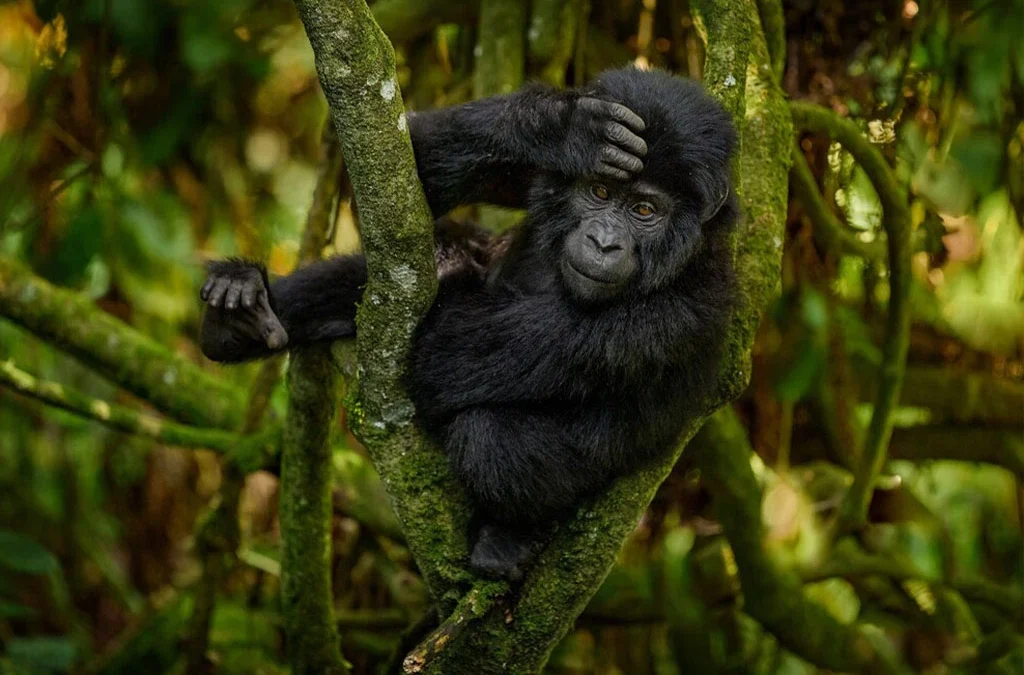
Hidden within the lush rainforests of Bwindi Impenetrable National Park, the Mubare Gorilla Family holds a special place in Uganda’s conservation history. As the first mountain gorilla family habituated for tourism in the country, Mubare paved the way for Uganda to become one of the world’s leading gorilla trekking destinations. Today, thousands of travelers visit this remarkable family every year, not only to witness mountain gorillas in their natural habitat but also to experience the legacy of one of Africa’s greatest wildlife conservation success stories.
A gorilla trek to the Mubare family is far more than a wildlife excursion. It is a journey through ancient rainforest, an opportunity to observe one of the world’s most endangered primates up close, and a chance to support conservation efforts that continue to protect these incredible animals. Experiya Tour Company proudly guides visitors through this unforgettable experience while promoting responsible tourism that benefits both wildlife and local communities.
Where Is the Mubare Gorilla Family Located?
The Mubare Gorilla Family lives in the Buhoma Sector, situated in the northern region of Bwindi Impenetrable National Park in southwestern Uganda. Buhoma serves as the park’s oldest tourism gateway and remains one of the most popular starting points for gorilla trekking adventures.
Unlike some of Bwindi’s more remote sectors, Buhoma offers excellent accessibility from major tourist destinations, making it particularly attractive to international visitors. The area features well-developed tourism infrastructure, including comfortable lodges, visitor information centers, cultural attractions, and experienced Uganda Wildlife Authority guides.
Many travelers also appreciate Buhoma because it offers relatively gentle trekking routes compared to other sections of Bwindi. Although mountain gorillas move freely through the forest each day, the Mubare family often occupies territories that require shorter hiking distances. Consequently, this trek appeals to older travelers, first-time gorilla trekkers, photographers, and visitors seeking a less physically demanding adventure.
The Remarkable History of the Mubare Gorilla Family
The story of the Mubare Gorilla Family began in 1993, a landmark year that transformed Uganda’s wildlife tourism. During that same year, Bwindi Impenetrable National Park earned recognition as a UNESCO World Heritage Site, highlighting its extraordinary biodiversity and global conservation value.
Wildlife researchers and trackers named the family after the nearby Mubare Hills, where they first identified the group. Following a careful and lengthy habituation process, Mubare became Uganda’s first gorilla family officially opened for tourism. This achievement marked the beginning of a sustainable ecotourism model that has since generated millions of dollars for conservation and community development.
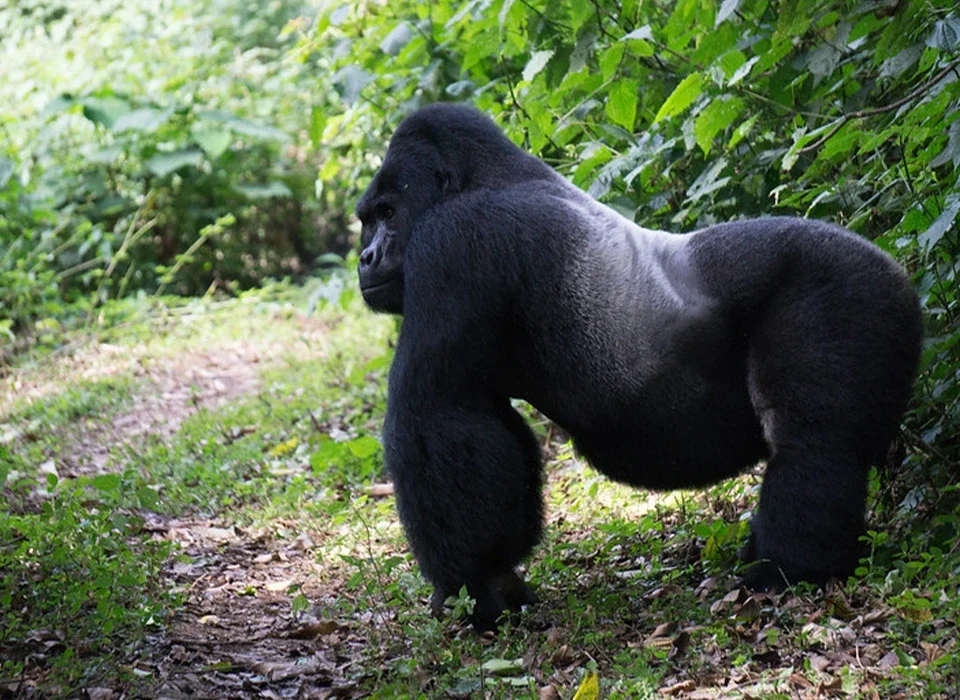
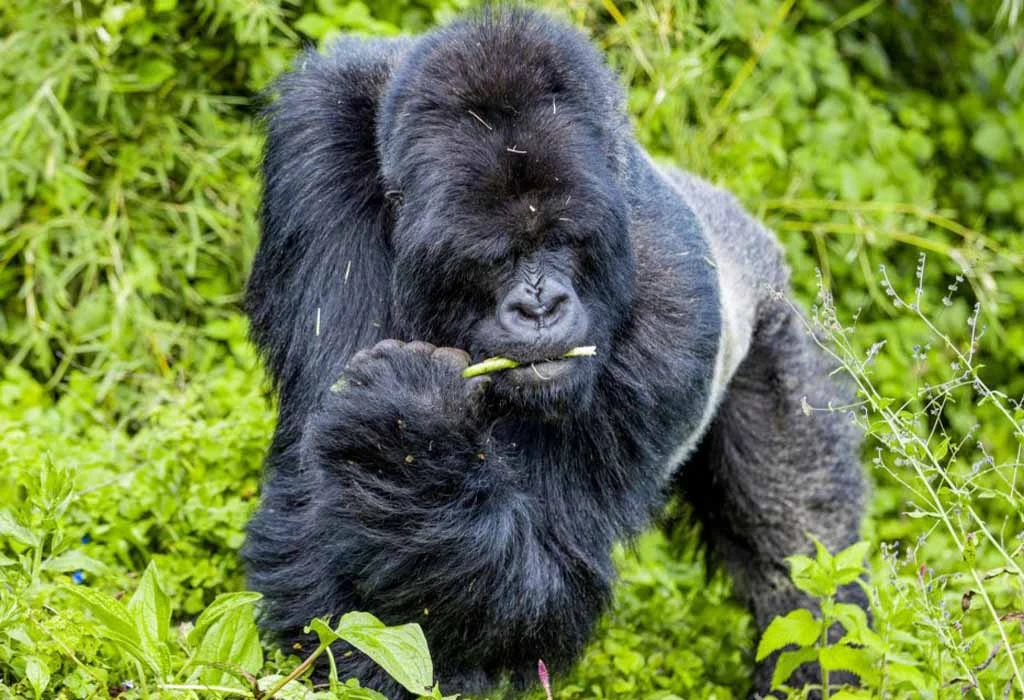
The family’s legendary silverback, Ruhondeza, quickly became one of Uganda’s most famous mountain gorillas. Known for his calm personality and relaxed behavior around humans, Ruhondeza played a crucial role in demonstrating that carefully managed gorilla tourism could coexist with wildlife conservation. His peaceful temperament helped researchers, rangers, and tourists develop respectful interactions with mountain gorillas while minimizing stress on the animals.
When Ruhondeza passed away in 2012, conservationists honored him with a burial near Buhoma, reflecting the enormous contribution he had made to Uganda’s tourism industry and mountain gorilla conservation. Even today, experienced guides share stories about his remarkable leadership, ensuring that his legacy continues to inspire visitors from around the world.
The Current Composition of the Mubare Family
Like every wild gorilla family, the Mubare group constantly changes over time. Births, natural deaths, and the movement of individuals between families all influence the group’s size and structure.
Today, the Mubare family generally consists of between five and eight members, including a dominant silverback, several adult females, juveniles, and playful infants. Although smaller than some other habituated gorilla families in Bwindi, Mubare offers exceptionally intimate wildlife encounters.
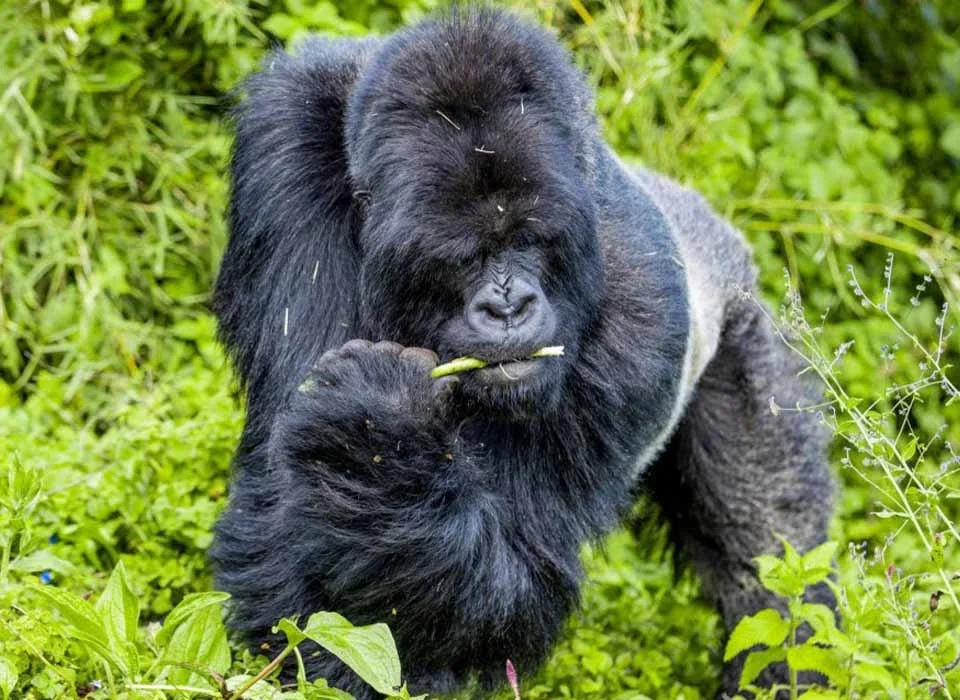
The smaller family size allows visitors to observe each gorilla more closely during the allocated viewing period. Many trekkers notice the group’s relaxed nature, particularly the gentle interactions between mothers and infants, the playful behavior of younger gorillas, and the protective presence of the dominant silverback.
Because every trek presents unique wildlife behavior, no two visits to Mubare are ever exactly the same.
What Makes the Mubare Gorilla Family So Special?
Several qualities distinguish the Mubare Gorilla Family from other habituated gorilla groups in Uganda.
Most importantly, Mubare represents the birthplace of Uganda’s gorilla tourism industry. Every successful gorilla trek taking place today owes something to the pioneering work carried out with this historic family. Without Mubare’s successful habituation, Uganda might never have become one of Africa’s premier wildlife destinations.
In addition, the trekking routes associated with Mubare often prove more manageable than many other gorilla hikes. While no gorilla trek should ever be described as easy, the relatively accessible terrain around Buhoma makes this experience suitable for travelers with moderate fitness levels.
Furthermore, the surrounding communities have developed deep cultural and historical connections with the Mubare family. Some of the guides and trackers working in Buhoma participated in the earliest habituation efforts and continue sharing fascinating firsthand stories with visitors. Their knowledge enriches every trek by connecting wildlife encounters with decades of conservation history.
What to Expect During the Gorilla Trek
Every gorilla trekking experience begins early in the morning at the Buhoma Visitor Centre. Visitors arrive before 7:30 a.m. to register before attending a detailed briefing conducted by Uganda Wildlife Authority rangers.
During the briefing, guides explain gorilla trekking regulations, health requirements, safety procedures, and conservation principles. Rangers then assign visitors to different gorilla families based on several factors, including group size, physical fitness, and the gorillas’ known locations.
After the briefing, trekking teams travel to the forest entrance before beginning their guided hike through Bwindi’s dense vegetation. Along the way, guides identify medicinal plants, bird species, butterflies, monkeys, and signs left behind by forest elephants and other wildlife.
Depending on where the Mubare family has traveled that morning, the hike may last between one and three hours. However, gorillas move freely within their natural habitat, so hiking times remain unpredictable. Some visitors locate the family quickly, while others spend longer navigating the forest before making contact.
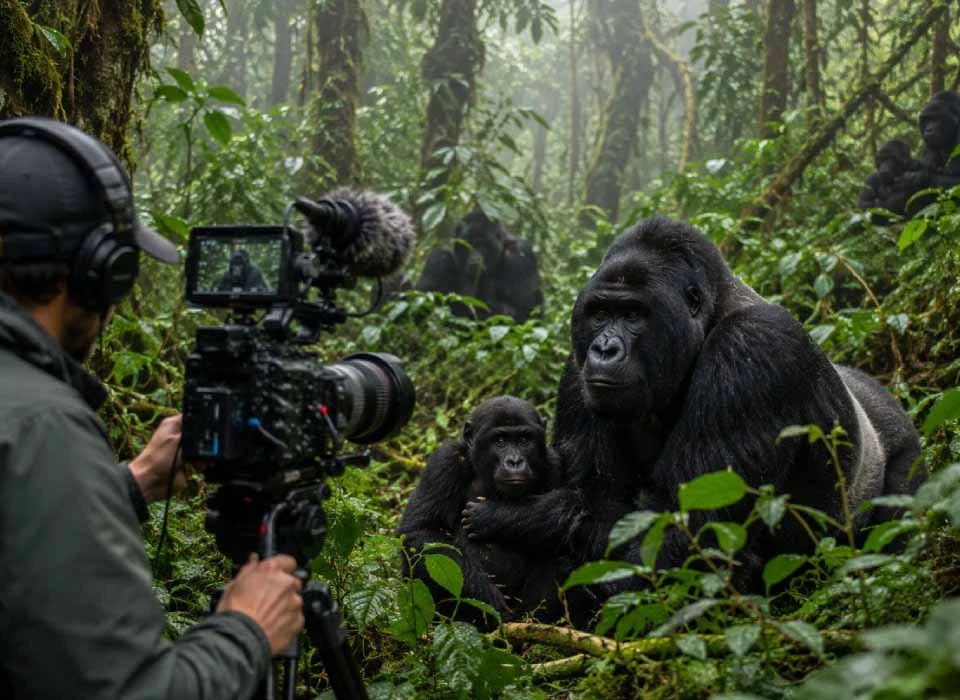
Once trackers locate the gorillas, visitors enjoy one unforgettable hour observing their daily activities. During this precious time, guests watch gorillas feed on vegetation, groom one another, rest peacefully, care for their infants, and communicate using a fascinating range of vocalizations and body language.
Many travelers describe this hour as one of the most emotional wildlife experiences of their lives.
Gorilla Trekking Permits and Booking Information
Every visitor must obtain a valid gorilla trekking permit before entering Bwindi Impenetrable National Park. As of 2025, the permit fee for foreign non-residents stands at US$800 per person.
Because the Mubare Gorilla Family remains one of Bwindi’s most sought-after trekking groups, travelers should reserve permits at least three to six months before travel, especially during the peak seasons between June and September and December through February.
Only eight visitors may trek to the Mubare family each day. This strict limit minimizes disturbance while protecting the gorillas’ natural behavior.
Experiya Tour Company assists travelers with securing permits, arranging accommodation, organizing transportation, and planning complete Uganda safari itineraries, making the booking process smooth and stress-free.
Where to Stay Near the Mubare Gorilla Family
Buhoma offers accommodation options suitable for every travel style and budget. Luxury travelers often choose Buhoma Lodge, which combines elegant rooms with spectacular forest views and exceptional hospitality.
Those seeking comfortable mid-range accommodation frequently select Mahogany Springs Lodge or Engagi Lodge, both known for spacious rooms, excellent dining, and convenient access to the park headquarters.
Budget-conscious travelers can enjoy affordable stays at Bwindi View Bandas, which provides comfortable lodging close to the trekking starting point.
Regardless of where visitors stay, most lodges work closely with Experiya Tour Company to ensure seamless transfers, permit coordination, and personalized safari experiences.
Preparing for Your Mubare Gorilla Trek
Although Mubare generally offers one of Bwindi’s shorter treks, proper preparation significantly improves the overall experience.
Sturdy hiking boots with good ankle support help visitors navigate muddy trails and uneven forest terrain. Long-sleeved shirts and long trousers protect against insects and thorny vegetation, while lightweight rain gear proves invaluable because Bwindi’s weather can change without warning.
Many trekkers also carry garden gloves for gripping branches during steep sections of the trail. A reusable water bottle and energy snacks help maintain energy throughout the hike, especially on warmer days.
Photography enthusiasts should bring cameras with fully charged batteries and remember that flash photography is strictly prohibited around gorillas. Sunscreen, insect repellent, and personal medications also contribute to a more comfortable trekking experience.
Hiring a local porter remains one of the best decisions many visitors make. Besides carrying backpacks and assisting on difficult terrain, porters earn valuable income that directly supports surrounding communities.
Conservation Success Through Responsible Tourism
The Mubare Gorilla Family symbolizes the remarkable impact of responsible tourism on wildlife conservation. Revenue generated through gorilla trekking helps finance anti-poaching patrols, scientific research, habitat protection, veterinary interventions, ranger training, and ongoing monitoring of mountain gorilla populations.
Organizations such as Gorilla Doctors continue providing specialized veterinary care whenever gorillas suffer injuries or illness, while conservation partners work alongside local communities to reduce human-wildlife conflict.
Tourism income also funds schools, health centers, clean water projects, roads, and community development initiatives throughout the Buhoma region. As a result, local residents increasingly recognize mountain gorillas as valuable assets worth protecting for future generations.
Every permit purchased contributes directly to safeguarding one of the world’s rarest great apes while improving livelihoods for people living near the park.
Final Thoughts
The Mubare Gorilla Family represents far more than Uganda’s first habituated gorilla group. It embodies decades of conservation dedication, scientific achievement, community partnership, and sustainable tourism. Every trek tells a story that began with Ruhondeza and continues through each new generation of gorillas living within Bwindi Impenetrable National Park.
Whether you are drawn by the family’s remarkable history, the relatively accessible trekking routes, or the extraordinary privilege of standing just meters away from wild mountain gorillas, a visit to Mubare promises memories that will last a lifetime.
With expert planning, personalized service, and a commitment to responsible travel, Experiya Tour Company helps visitors experience the legendary Mubare Gorilla Family while supporting the continued protection of Uganda’s priceless natural heritage. Every step through the rainforest becomes part of a larger conservation story—one that benefits mountain gorillas, local communities, and future generations alike.