
How Long Do You Stay with Gorillas During a Trek?
August 12, 2026
What Is the Largest Waterfall in Uganda?
August 13, 2026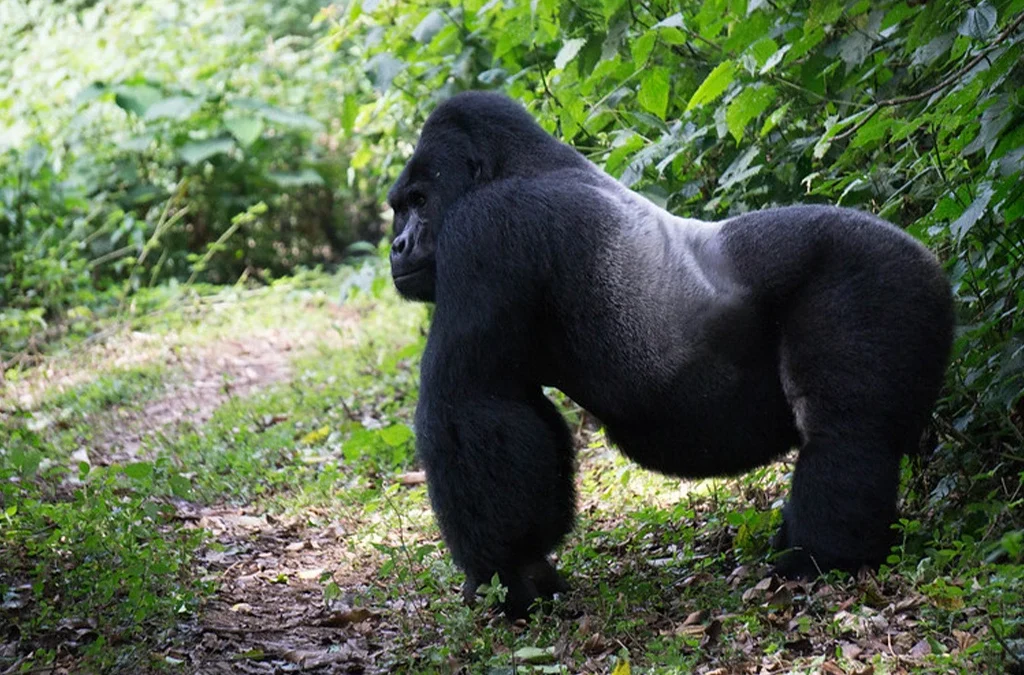
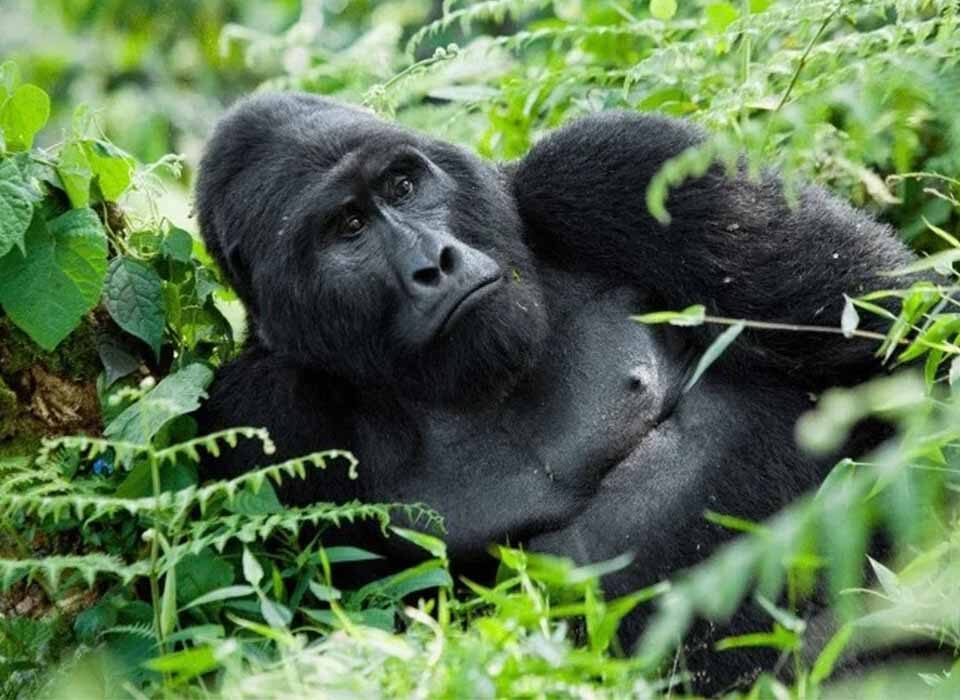
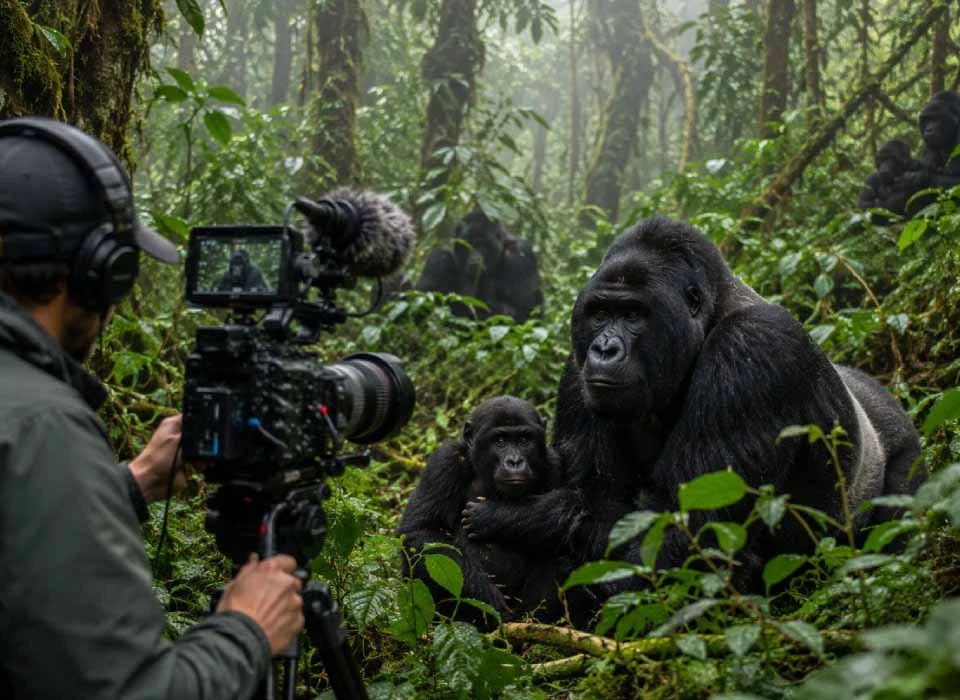
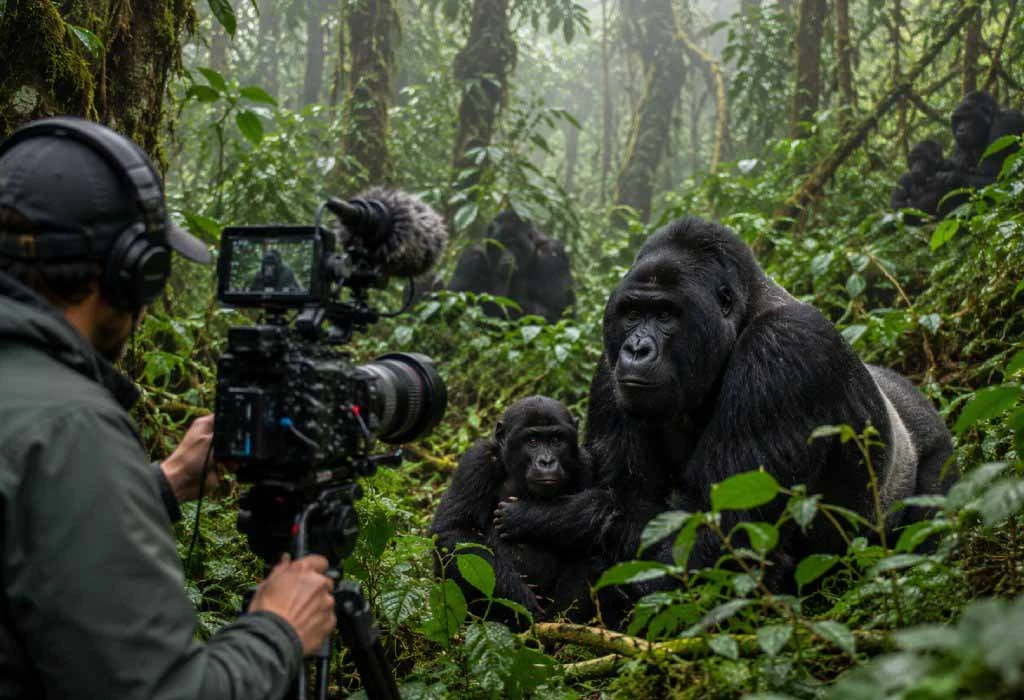
Gorilla trekking in Uganda offers one of the most remarkable wildlife experiences in Africa. Imagine walking through the misty forests of southwestern Uganda, following fresh signs of mountain gorillas, and eventually coming face-to-face with a family peacefully feeding, playing, or resting among the vegetation. For many travelers, this encounter becomes the highlight of their African safari.
However, one question often comes up when planning a gorilla trekking adventure: What are the chances of finding mountain gorillas in the wild? Considering the cost of a gorilla permit, accommodation, transport, and international travel, it is understandable that visitors want reassurance that they will actually see these incredible primates.
Fortunately, gorilla trekking in Uganda has a very high success rate. Based on the experience of safari operators and the systems used by park authorities and trackers, travelers have an excellent chance of locating a habituated gorilla family. Many operators commonly report a success rate of around 98–99%, although no official guarantee can be given because gorillas remain wild animals and their movements can change.
Why Is the Gorilla Trekking Success Rate So High?
Several factors contribute to the high likelihood of seeing mountain gorillas in Uganda. Conservation efforts, experienced trackers, habituation, and careful planning all work together to make the experience successful.
Before visitors leave the park headquarters, trackers usually move into the forest to locate gorilla families and monitor their movements. They then communicate with the ranger guides accompanying visitors. This information helps guides determine the direction and general area in which the gorillas are located.
As a result, trekkers do not simply enter the forest and search randomly for gorillas. Instead, experienced trackers and guides use their knowledge of the forest, gorilla behavior, trails, nests, feeding patterns, and other signs to improve the chances of finding the assigned family.
Nevertheless, gorillas can move through dense vegetation and difficult terrain. Therefore, the exact location of a family can change between the time trackers locate them and the time trekkers reach the area.
The Role of Gorilla Trackers
Gorilla trackers play an important role in the success of every trekking experience. They understand the habits and movements of individual gorilla families and can recognize signs that ordinary visitors might easily miss.
For example, trackers may identify fresh gorilla nests, footprints, broken vegetation, feeding remains, or other indications that a family has recently passed through an area. They then maintain communication with the ranger guides so that the trekking team can follow the appropriate route.
This teamwork has significantly improved the experience for visitors. Instead of spending an entire day searching without direction, trekkers receive guidance from people who know the forest and understand the behavior of mountain gorillas.
Gorilla Habituation Improves the Experience
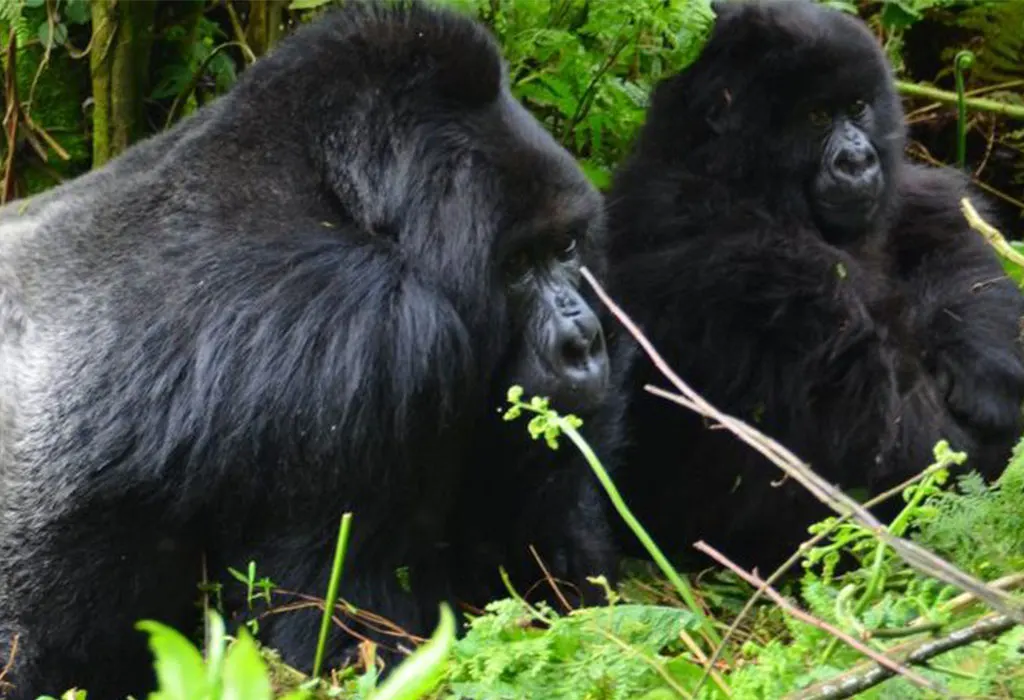
Another important reason for the high success rate is habituation. Gorilla trekking in Uganda focuses on gorilla families that have undergone a gradual habituation process and have become accustomed to the presence of humans.
Habituation does not make gorillas domestic animals. They remain wild and must always be treated with respect. However, their familiarity with controlled human presence allows visitors to observe them under carefully managed conditions.
Because these families are monitored regularly, guides and trackers also have valuable knowledge about their movements and behavior. This makes it easier to locate them while minimizing disturbance.
Visitors should remember that gorillas can still react unpredictably. For that reason, everyone must follow the instructions of the ranger guides throughout the trek and during the encounter.
Gorilla Conservation Supports Long-Term Success
Uganda has invested considerable effort in protecting mountain gorillas and their forest habitat. Bwindi Impenetrable National Park and Mgahinga Gorilla National Park provide important habitats for these endangered primates.
Conservation programs have helped protect gorillas from major threats while also supporting local communities around the parks. As protection improves, gorilla populations have shown encouraging growth over the years.
This conservation success matters to tourism because a healthy gorilla population provides more opportunities for carefully managed trekking and research. At the same time, tourism revenue contributes to conservation and community development, creating an important connection between responsible travel and wildlife protection.
Where Can You Go Gorilla Trekking in Uganda?
Uganda offers mountain gorilla trekking in two protected areas: Bwindi Impenetrable National Park and Mgahinga Gorilla National Park.
Bwindi is particularly well known for its diverse gorilla trekking sectors, including Buhoma, Ruhija, Rushaga, and Nkuringo. Each sector has habituated gorilla families available for trekking, although the families and trekking conditions can change over time.
Mgahinga Gorilla National Park forms part of the larger Virunga conservation landscape shared by Uganda, Rwanda, and the Democratic Republic of Congo. The park provides another opportunity to experience mountain gorillas in their natural habitat.
Together, these destinations make Uganda one of the leading countries for mountain gorilla encounters.
Does Your Fitness Level Affect Your Chances?
Your physical fitness does not usually determine whether you will see gorillas, but it can influence the difficulty and duration of your trek.
Gorilla families move through a mountainous forest environment, and some groups may be several hours from the park headquarters. Other families may be closer. The terrain can also become steep, muddy, slippery, or challenging, particularly during rainy conditions.
For this reason, visitors should honestly communicate their fitness level and any mobility concerns to the park authorities or guides before trekking. Rangers can consider the information when assigning visitors to appropriate groups, subject to the park’s operational procedures and available groups.
Importantly, age alone does not determine fitness. A younger traveler may struggle with a difficult hike, while an older visitor who regularly exercises may comfortably manage the terrain.
How Long Does It Take to Find the Gorillas?
There is no fixed amount of time required to locate a gorilla family. Some visitors may find their assigned family after a relatively short walk, while others may spend several hours hiking through the forest.
The location of the gorillas, weather conditions, terrain, vegetation, and the group’s movements can all affect the duration.
Once visitors find the gorillas, they normally spend a regulated amount of time observing them. The exact rules and permitted viewing time are determined by the relevant wildlife authorities and conservation guidelines.
Therefore, travelers should prepare for a genuine forest adventure rather than expecting a predictable walk with a guaranteed schedule.
Does Booking Early Increase Your Chance of Seeing Gorillas?
Booking early does not directly make the gorillas easier to find. Instead, it increases your chances of securing a permit for your preferred trekking date and gives you more flexibility when planning the rest of your safari.
This becomes particularly important during busy travel periods. Travelers who plan several months ahead can secure their permits, accommodation, transportation, and other safari arrangements before availability becomes limited.
Experiya Tour Company can help travelers organize the different elements of a Uganda gorilla safari, from permit arrangements and accommodation to transportation and trekking logistics.
What Is the Best Time for Gorilla Trekking in Uganda?
Uganda offers gorilla trekking throughout the year. However, many travelers prefer the relatively drier months, particularly June to September and December to February.
During these periods, forest trails may be easier to navigate, although rain can occur at any time because Bwindi and Mgahinga are tropical mountain environments.
The wetter months can also offer advantages. Fewer visitors may mean a quieter experience, while the forest can appear especially lush and vibrant.
Ultimately, there is no single month that guarantees an easier trek or a better gorilla encounter. The animals remain wild, and their movements naturally vary from day to day.
What Happens If You Do Not Find the Gorillas?
Although the chances of finding a habituated gorilla family are exceptionally high, responsible tourism should never promise a 100% guarantee. Mountain gorillas are wild animals, and conditions in the forest can change unexpectedly.
This is why travelers should view the trek as more than simply a search for gorillas. The journey itself offers an opportunity to explore one of Uganda’s extraordinary forests, observe other wildlife, experience local communities, and learn about conservation.
In the unlikely event that a gorilla family cannot be located, the experience still provides valuable insight into the complex environment in which these endangered animals live.
Follow the Gorilla Trekking Rules
Once you locate the gorillas, your behavior becomes extremely important. Always listen to the ranger guides and maintain the required distance from the animals. Do not attempt to touch, feed, chase, or provoke them.
Visitors should also avoid making unnecessary noise and should follow instructions concerning photography, movement, and health precautions.
These rules protect both visitors and gorillas. Since mountain gorillas are susceptible to human illnesses, responsible behavior helps reduce the risk of transmitting infections to them.
Plan Your Uganda Gorilla Safari with Confidence
Uganda offers an excellent opportunity to encounter mountain gorillas in their natural environment. The combination of experienced trackers, knowledgeable ranger guides, habituated gorilla families, conservation programs, and careful visitor management contributes to a remarkably high likelihood of seeing these endangered primates.
However, the most important thing to remember is that no responsible operator can guarantee a 100% sighting of wild animals. Instead, travelers can rely on Uganda’s well-organized trekking system and the expertise of the people who monitor the gorillas every day.
If you are planning a gorilla trekking adventure, Experiya Tour Company can help you arrange a memorable Uganda safari, including gorilla permits, accommodation, transportation, and other activities. With proper preparation and a spirit of adventure, your journey into Bwindi or Mgahinga can become an unforgettable encounter with one of Africa’s most remarkable species.