What Conservation Benefits Come from Habituation?
July 6, 2026
Mubare Gorilla Family: Discover Uganda’s First Habituated Mountain Gorilla Family
July 6, 2026
Uganda offers one of the world’s most extraordinary wildlife experiences through mountain gorilla trekking. Every year, thousands of travelers visit the country’s ancient rainforests to spend one unforgettable hour with these gentle giants in their natural habitat. While every gorilla trek is unique, many visitors ask the same important question: Which gorilla families are the easiest to trek in Uganda?
The answer depends on several factors, including the gorilla family’s location, the terrain, weather conditions, and your level of fitness. Fortunately, Uganda has several habituated gorilla families that are regularly found closer to park headquarters and along less demanding trails, making them ideal for older travelers, first-time trekkers, families, and anyone seeking a less strenuous adventure.
This guide explores the easiest gorilla families to trek in Uganda, explains what affects trekking difficulty, and provides practical advice to help you enjoy one of Africa’s most remarkable wildlife encounters.
Understanding Gorilla Trekking in Uganda
Uganda protects more than half of the world’s remaining mountain gorillas, making it one of the best destinations for gorilla trekking. These endangered primates live within two protected national parks in southwestern Uganda.
The largest population lives in Bwindi Impenetrable National Park, a UNESCO World Heritage Site famous for its ancient rainforest, incredible biodiversity, and numerous habituated gorilla families. Bwindi is divided into four trekking sectors: Buhoma, Ruhija, Rushaga, and Nkuringo. Each sector offers different gorilla families and varying trekking conditions.
The second destination is Mgahinga Gorilla National Park, Uganda’s smallest national park. Although it has only one habituated gorilla family, it provides an equally rewarding trekking experience with fewer visitors and spectacular volcanic scenery.

It is important to understand that gorillas move freely within their territories every day in search of food. As a result, trekking times change from one day to another. Nevertheless, some gorilla families consistently remain closer to park headquarters than others, making them easier to reach.
Why Some Gorilla Families Are Easier to Trek
Many travelers assume every gorilla trek involves climbing steep mountains for several hours. In reality, this is not always the case.
Certain gorilla families have established home ranges near the starting points used by park rangers. Because these groups rarely travel long distances, visitors often spend less time hiking before locating them.
Furthermore, some sectors feature lower elevations, gentler slopes, and wider forest trails. These conditions reduce physical effort while still providing an authentic gorilla trekking experience.
Although the Uganda Wildlife Authority cannot guarantee where a family will be on any particular day, experienced rangers usually know the gorillas’ recent movements and assign visitors accordingly whenever possible.
Mubare Gorilla Family – Buhoma Sector
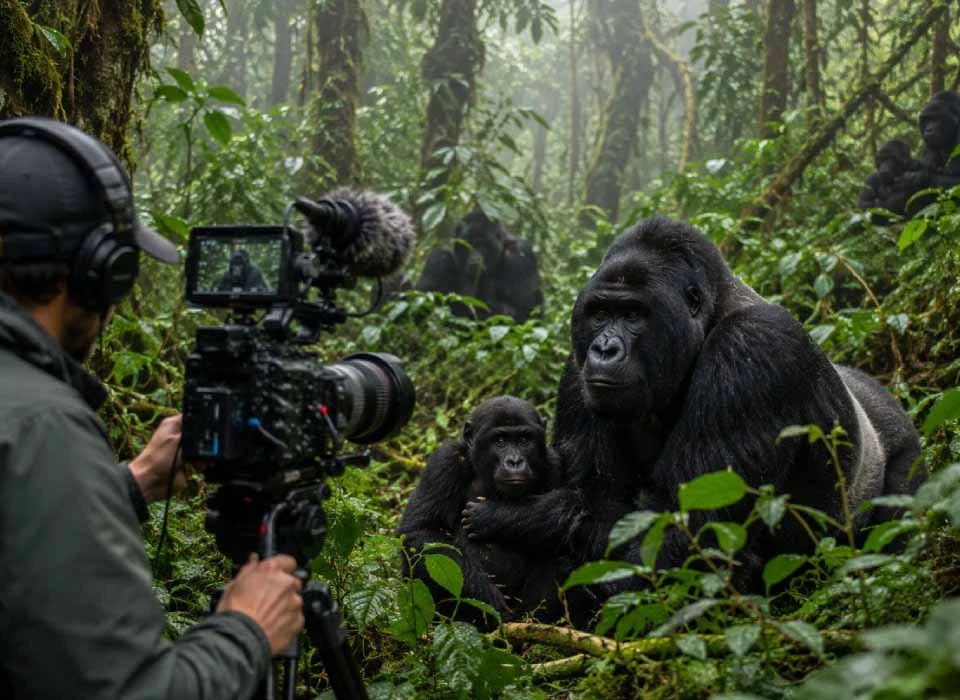
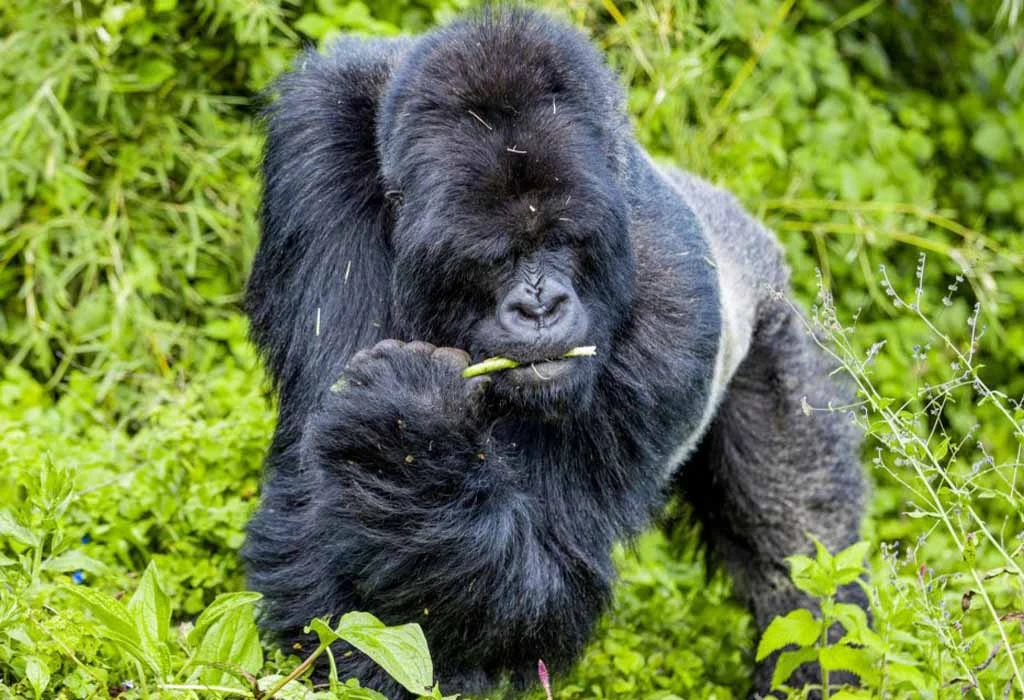
Among all Uganda’s habituated gorilla families, the Mubare Gorilla Family is widely regarded as one of the easiest to trek.
Habituated in 1993, Mubare became Uganda’s first gorilla family opened to tourism. Over the years, the group has maintained a relatively stable home range close to the Buhoma park headquarters.
Consequently, many treks to Mubare last between one and two hours before visitors encounter the gorillas. The walking trails generally pass through gentle forest terrain with fewer steep climbs than other parts of Bwindi.
Because of its accessibility, the Mubare family is an excellent choice for senior travelers, beginners, photographers carrying heavy equipment, and visitors who prefer a shorter hike without sacrificing the excitement of seeing mountain gorillas in the wild.
Katwe Gorilla Family – Buhoma Sector
Another excellent option is the Katwe Gorilla Family, one of Bwindi’s newer habituated groups.
This family frequently occupies forest areas relatively close to the ranger station, allowing many visitors to enjoy manageable trekking distances. Although gorillas can move unexpectedly, Katwe often remains within an accessible range that suits travelers looking for a comfortable experience.
The surrounding landscape includes well-established forest paths with gentle inclines rather than prolonged steep ascents. As a result, families with older children, less experienced hikers, and travelers with moderate fitness levels often find Katwe an appealing choice.
In addition to its accessibility, Katwe provides excellent opportunities to observe social interactions among family members while enjoying the peaceful atmosphere of Bwindi’s rainforest.
Habinyanja Gorilla Family – Buhoma Sector
The Habinyanja Gorilla Family offers another relatively easy trekking experience in the Buhoma sector.
Although this family occasionally travels farther than Mubare or Katwe, it still remains one of the more accessible groups in Bwindi. Most visitors spend approximately two to three hours trekking before finding the gorillas.
The route involves moderate forest terrain with occasional uphill sections, but it rarely reaches the level of difficulty associated with some higher-altitude sectors.
Habinyanja is also one of Bwindi’s larger gorilla families, making it especially rewarding for visitors interested in observing gorilla behavior. Watching playful juveniles, protective mothers, and the dominant silverback interacting within the group creates an unforgettable wildlife experience.
Nyakagezi Gorilla Family – Mgahinga Gorilla National Park
Outside Bwindi, the Nyakagezi Gorilla Family remains the only habituated gorilla group in Mgahinga Gorilla National Park.
For many years, this family gained a reputation for crossing international borders into Rwanda and the Democratic Republic of Congo. Today, however, the group has settled permanently within Uganda, making trekking much more predictable.
Nyakagezi typically occupies a relatively stable territory, allowing rangers to locate the gorillas efficiently. Most treks last between two and three hours, depending on the family’s daily movements.
Unlike Bwindi’s dense rainforest, Mgahinga features bamboo forests, open vegetation, and breathtaking views of the Virunga Volcanoes. These landscapes provide better visibility for photography while offering a quieter trekking experience with fewer tourists.
Travelers seeking scenic beauty, peaceful surroundings, and moderate hiking conditions often choose Mgahinga for these reasons.
Factors That Determine Trek Difficulty
Although some gorilla families are generally easier to reach, several factors ultimately influence how challenging your trek becomes.
The first consideration is the gorillas’ daily movement. Since mountain gorillas feed on fresh vegetation throughout the forest, they constantly change locations. Rangers monitor their movements every morning before visitors begin trekking, but exact locations vary each day.
Terrain also plays a significant role. Lower-altitude areas with gentle slopes naturally require less physical effort than steep mountain ridges. Dense vegetation can further slow walking speed, especially after rainfall.
Weather conditions add another layer of difficulty. During the rainy seasons, forest trails become muddy and slippery, making even short hikes more demanding.
Finally, your personal fitness level influences your overall trekking experience. Visitors who exercise regularly often find the trek easier, while those with limited mobility may require additional support from porters.
Choosing the Right Trekking Sector
Selecting the appropriate trekking sector can significantly improve your overall experience.
Many visitors choose Buhoma because it offers several gorilla families that frequently remain close to the park headquarters. The area also provides excellent accommodation options ranging from budget lodges to luxury safari camps, allowing travelers to stay within a short distance of the trekking starting point.
Alternatively, Mgahinga Gorilla National Park appeals to visitors who prefer smaller crowds, stunning volcanic landscapes, and less congested trekking routes.
When booking your permit, discuss your fitness level honestly with your tour operator. Experiya Tour Company works closely with the Uganda Wildlife Authority to request suitable gorilla families whenever availability allows. Although assignments cannot be guaranteed, early communication greatly increases the chances of receiving a more accessible group.
Simple Ways to Make Your Gorilla Trek Easier
Preparation can make a remarkable difference during your gorilla trekking adventure.
Hiring a local porter remains one of the best decisions many visitors make. Besides carrying backpacks, porters provide support on steep or slippery sections of the trail. Their assistance reduces fatigue while also supporting local community livelihoods.
Starting the trek with proper hiking boots offers better grip on uneven terrain, especially after rain. Comfortable clothing, gardening gloves for holding vegetation, and a lightweight waterproof jacket also improve comfort throughout the hike.
Hydration is equally important. Carry enough drinking water and energy snacks because trekking durations vary depending on the gorillas’ location.
Several weeks before your safari, light exercise such as walking, stair climbing, or gentle hiking can improve stamina and make the experience much more enjoyable.
Gorilla Families That May Require More Physical Effort
While every gorilla family offers an incredible wildlife encounter, some groups generally involve longer or steeper hikes.
The Nshongi and Bweza families in Rushaga often move through rugged hills that require considerable climbing. Similarly, the Nkuringo sector sits at one of the highest elevations in Bwindi, where visitors frequently encounter steep slopes both before and after locating the gorillas.
Meanwhile, the Bitukura and Oruzogo families in Ruhija sometimes require extended treks across mountainous terrain. Although these hikes can be physically demanding, they reward visitors with spectacular panoramic views and equally memorable gorilla encounters.
Final Thoughts
Choosing an easier gorilla family does not reduce the magic of the experience. Whether you spend one hour or several hours walking through Uganda’s forests, the moment you stand only a few meters from a wild mountain gorilla family remains unforgettable.
For travelers seeking shorter hikes and greater accessibility, the Buhoma sector of Bwindi Impenetrable National Park and the Nyakagezi family in Mgahinga Gorilla National Park offer some of the best options available. Their relatively accessible locations, moderate terrain, and rewarding wildlife encounters make them ideal for seniors, first-time trekkers, families, and anyone looking for a comfortable adventure.
By planning ahead, staying physically prepared, and working with an experienced safari operator such as Experiya Tour Company, you can secure permits, select the most suitable trekking sector, and enjoy a gorilla trekking experience that matches your fitness level while creating memories that will last a lifetime.