Which National Park in Uganda Is the Least Crowded?
January 3, 2026
Top Most Animals to See on a Uganda Safari
January 4, 2026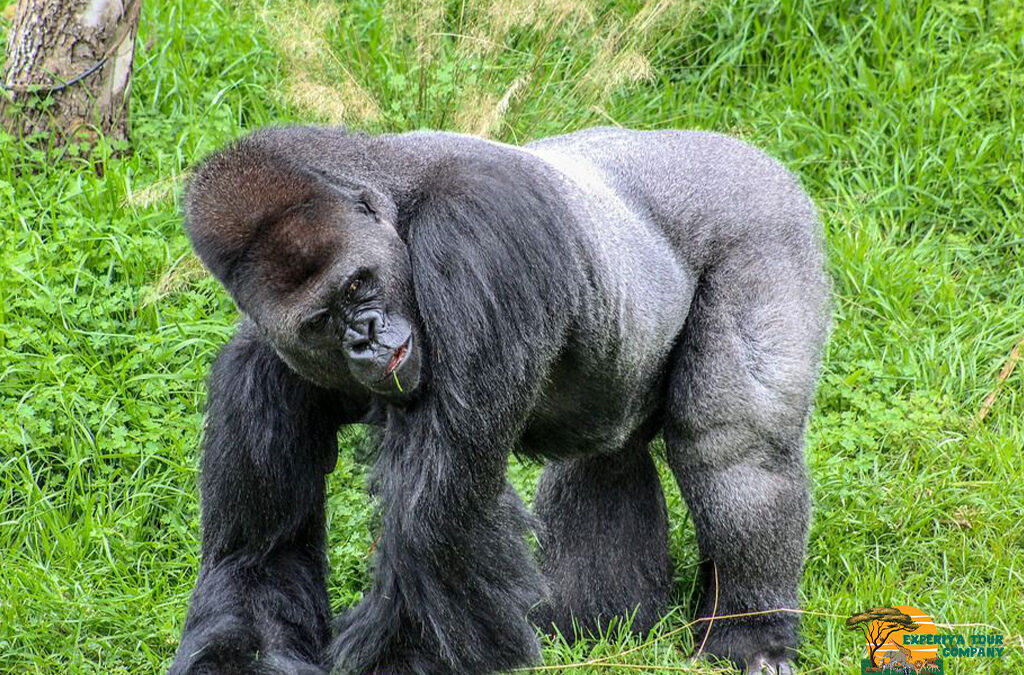
Uganda is one of the few places on Earth where travelers and researchers can encounter gorillas in the wild. As part of East Africa’s rich biodiversity, the country attracts visitors all year round who come specifically to experience these remarkable primates in their natural habitat. However, many people often ask an important question before planning their trip: How many types of gorillas exist in Uganda?
The simple and accurate answer is one. Uganda is home to only mountain gorillas. To fully understand why, it helps to first look at the broader classification of gorillas in Africa.
The Two Types of Gorillas in East and Central Africa
Globally, gorillas are divided into two main species: western gorillas and eastern gorillas. In East and Central Africa, only eastern gorillas occur, and they are further divided into two subspecies:
1. Eastern Lowland Gorillas (Grauer’s Gorillas)
Eastern lowland gorillas live at lower elevations and are generally larger in body size. They inhabit lowland tropical rainforests and montane forests in the Democratic Republic of Congo (DRC). These gorillas do not exist in Uganda.
2. Mountain Gorillas
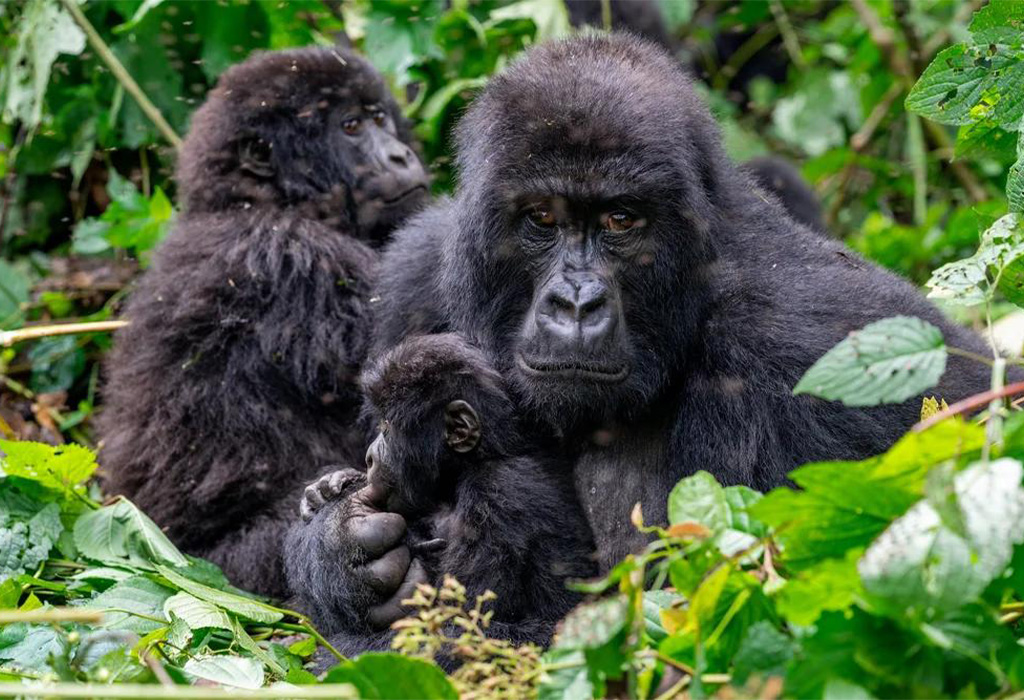
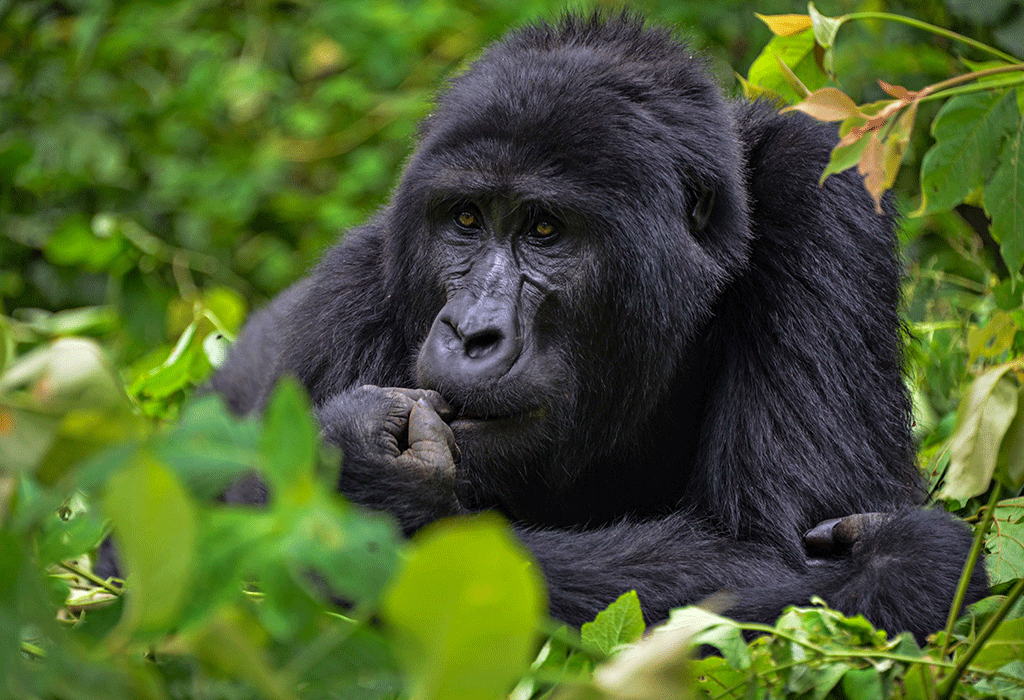
Mountain gorillas live in high-altitude forests characterized by mist, dense vegetation, and cooler temperatures. This subspecies occurs only in three countries: Uganda, Rwanda, and the Democratic Republic of Congo.
The Only Gorilla Type Found in Uganda
Although two gorilla subspecies exist in the region, Uganda hosts only mountain gorillas. Therefore, the correct and complete answer to the question “How many types of gorillas exist in Uganda?” is:
One type: Mountain gorillas (Gorilla beringei beringei).
Where Mountain Gorillas Live in Uganda
Uganda’s mountain gorillas inhabit two protected national parks in the southwestern part of the country:
Bwindi Impenetrable National Park
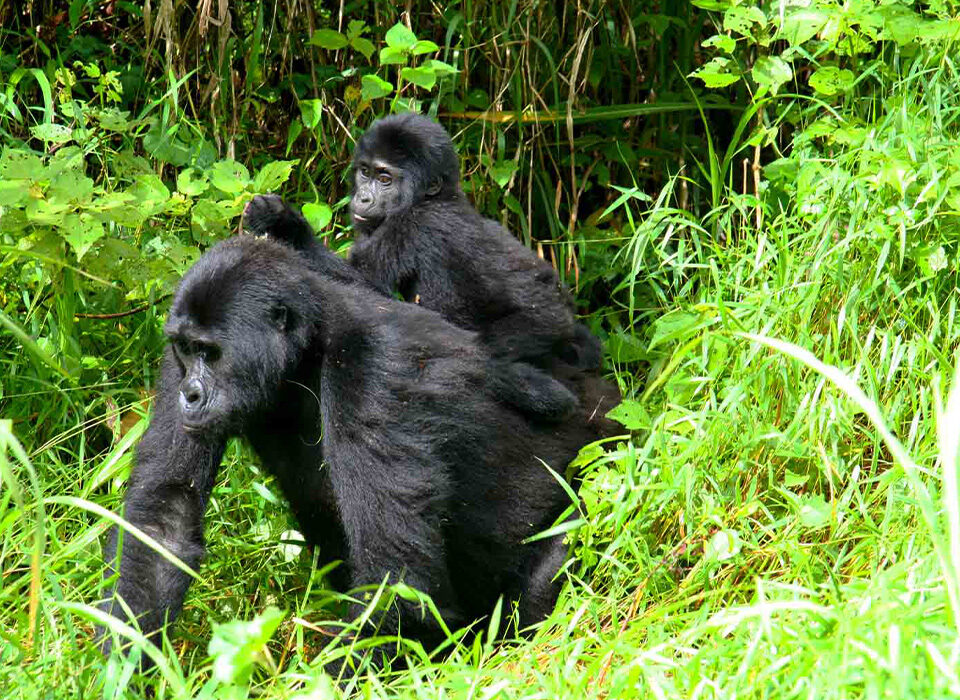
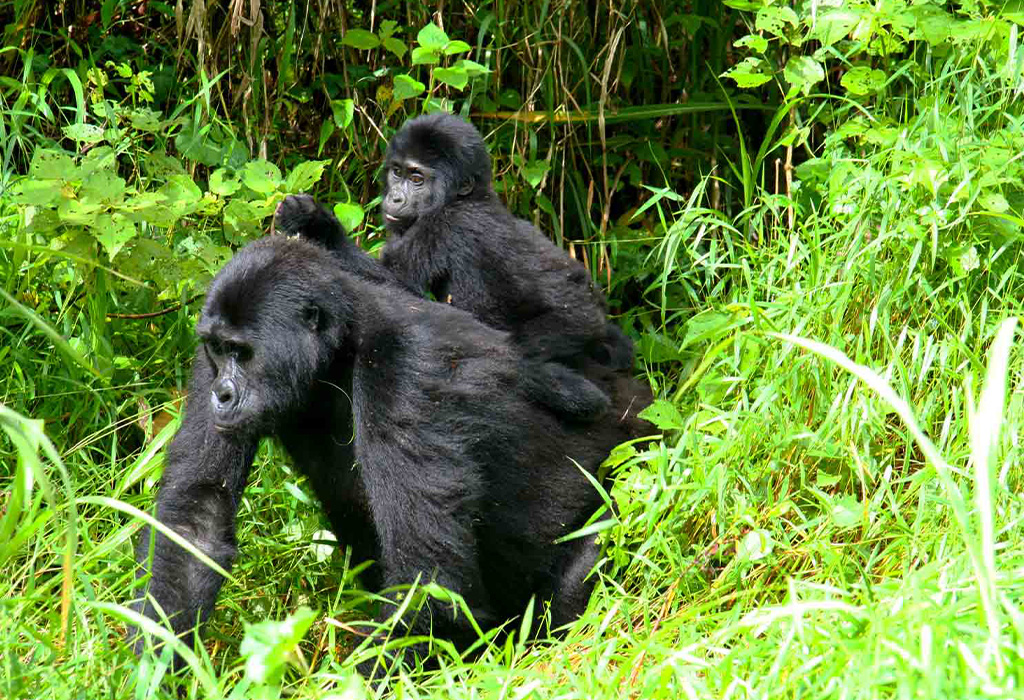
Bwindi is the most significant gorilla habitat in Uganda. It is home to over 400 mountain gorillas, which represents nearly half of the world’s remaining mountain gorilla population. The park’s ancient rainforest, steep ridges, and thick undergrowth create ideal conditions for these primates.
Mgahinga Gorilla National Park
Mgahinga is smaller in size and lies within the Virunga Volcanoes region. While it hosts fewer gorillas than Bwindi, it remains an important conservation area. The gorillas here often move across borders between Uganda, Rwanda, and the DRC, depending on food availability.
Physical Characteristics of Mountain Gorillas
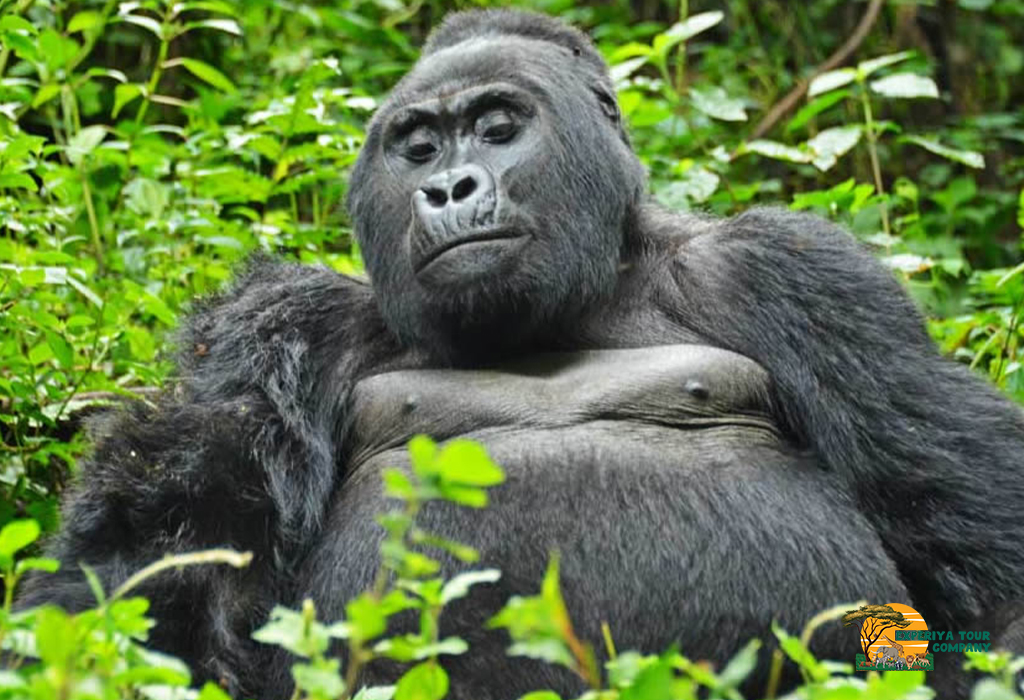
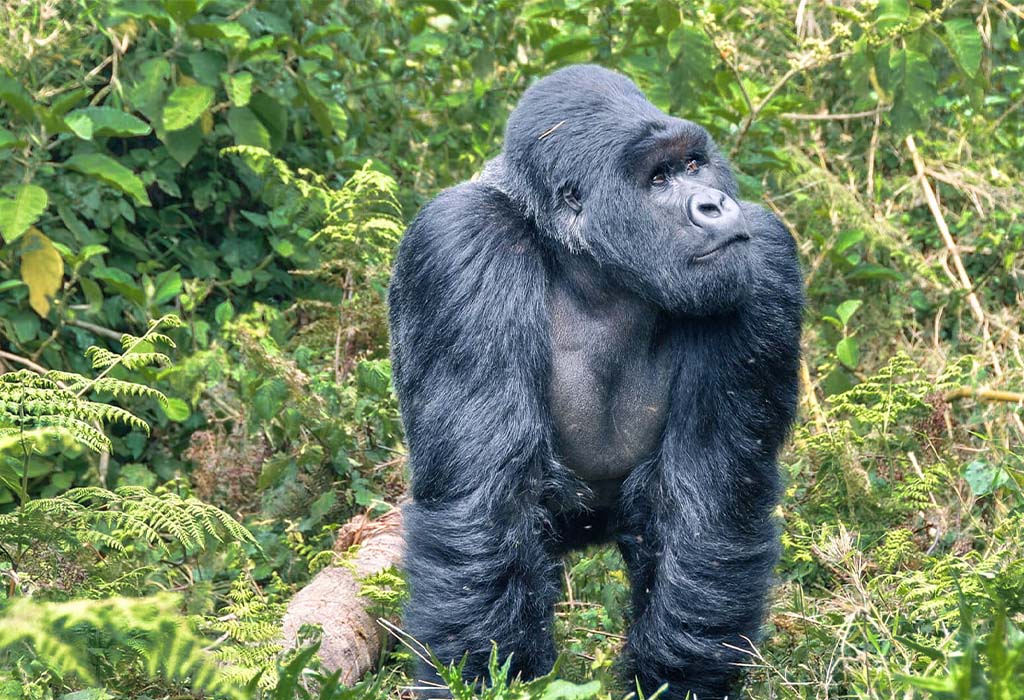
Mountain gorillas are the largest living primates. Adult males, known as silverbacks, can grow up to 6 feet tall when standing upright and weigh between 136 and 182 kilograms. Their thick black fur helps them survive the cold temperatures of high-altitude forests located between 8,000 and 13,000 feet above sea level.
In addition, their broad chests, powerful arms, and strong muscles allow them to move efficiently through dense vegetation. Although they are excellent climbers, mountain gorillas spend most of their time on the ground, walking on their knuckles.
Social Structure and Behavior
Mountain gorillas are highly social animals. They live in groups that usually range from 5 to 30 individuals, although larger groups can exist. A dominant silverback leads each group, providing protection and making decisions such as when and where to move.
Furthermore, gorillas communicate through vocalizations, body language, and facial expressions. They also display impressive intelligence, including problem-solving abilities and strong emotional bonds within their groups.
Diet and Daily Life
Mountain gorillas are herbivores. Their diet mainly consists of leaves, shoots, stems, bark, and wild fruits when available. Because food is abundant in their habitat, they spend a large portion of their day feeding and resting.
Unlike many other primates, mountain gorillas do not rely heavily on trees for food. As a result, they remain mostly terrestrial, although juveniles often climb trees for play or curiosity.
Conservation Status and Threats
Mountain gorillas are listed as Endangered on the IUCN Red List. According to the most recent surveys, the global population now stands at just over 1,000 individuals, marking a conservation success story but still reflecting vulnerability.
Despite population growth, these gorillas face ongoing threats. Habitat loss, illegal activities, disease transmission from humans, and climate change continue to pose serious risks. Because gorillas share much of their DNA with humans, they are especially susceptible to human-borne illnesses.
The Role of Gorilla Trekking in Conservation
One of the most effective conservation strategies for mountain gorillas has been regulated gorilla trekking. This activity generates vital funding that supports habitat protection, veterinary care, community development, and scientific research.
Strict rules govern gorilla trekking to minimize stress on the animals. Visitors must keep a safe distance, limit their time with gorillas to one hour, and follow hygiene guidelines to reduce disease transmission.
What to Expect During a Gorilla Trek in Uganda
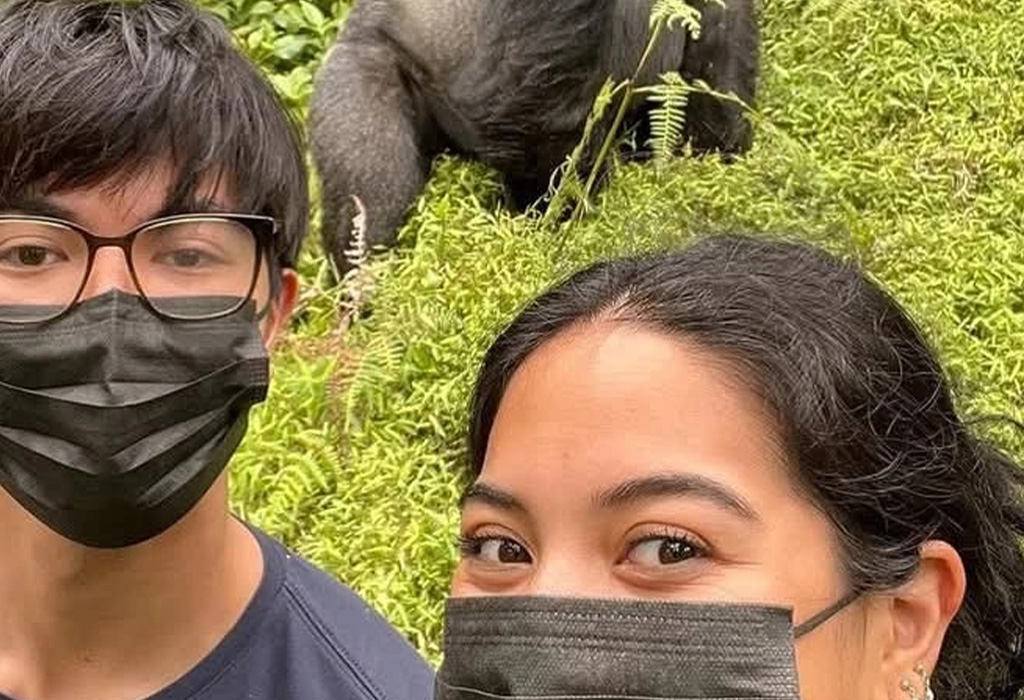
Gorilla trekking takes place year-round in both Bwindi and Mgahinga. After obtaining a trekking permit from the Uganda Wildlife Authority, visitors are assigned to a specific gorilla family.
On trekking day, guides lead small groups into the forest. Treks typically last between 2 and 4 hours, depending on terrain and gorilla movement. Once the gorillas are located, visitors spend one unforgettable hour observing them before exiting the forest.
Each permit allows one trek to one gorilla family, and permits are non-transferable. Although the experience remains similar across locations, each park offers a unique challenge and scenery based on forest density, altitude, and trail conditions.
Final Answer: How Many Types of Gorillas Exist in Uganda?
To conclude clearly and accurately:
Uganda has only one type of gorilla the mountain gorilla.
These rare primates live exclusively in Bwindi Impenetrable National Park and Mgahinga Gorilla National Park. Protecting them remains a global priority, and responsible tourism continues to play a vital role in ensuring their survival for generations to come.