Gorilla Habituation Safari Starting from Entebbe
January 3, 2026
Which Month Offers the Best Game Viewing in Rwanda?
January 3, 2026
Gorilla trekking in Bwindi Impenetrable Forest is one of Africa’s most powerful wildlife encounters. Standing just meters away from endangered mountain gorillas in their natural habitat is deeply moving. However, many travelers understandably ask: Is gorilla trekking in Bwindi difficult?
The short answer is yes it can be challenging. That said, with the right preparation, mindset, and support, most travelers successfully complete the trek and consider it one of the most rewarding experiences of their lives.
What Is Gorilla Trekking in Bwindi Impenetrable Forest?
Bwindi Impenetrable Forest National Park lies in southwestern Uganda and spans approximately 331 square kilometers of ancient tropical rainforest. The park protects nearly half of the world’s remaining mountain gorillas, making it one of the most important conservation areas on the planet.
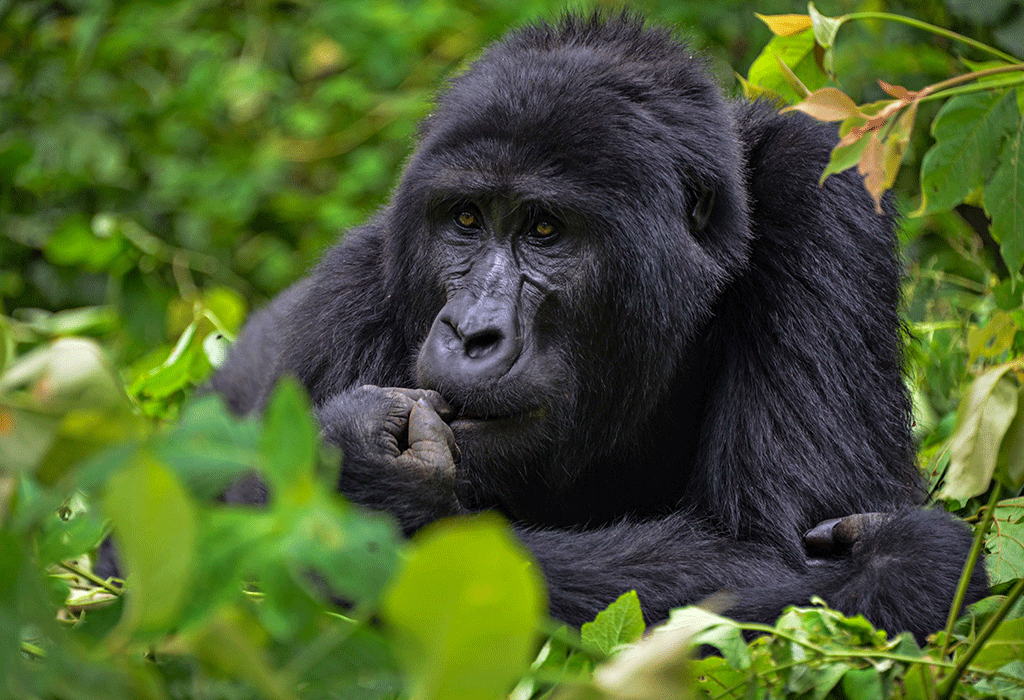
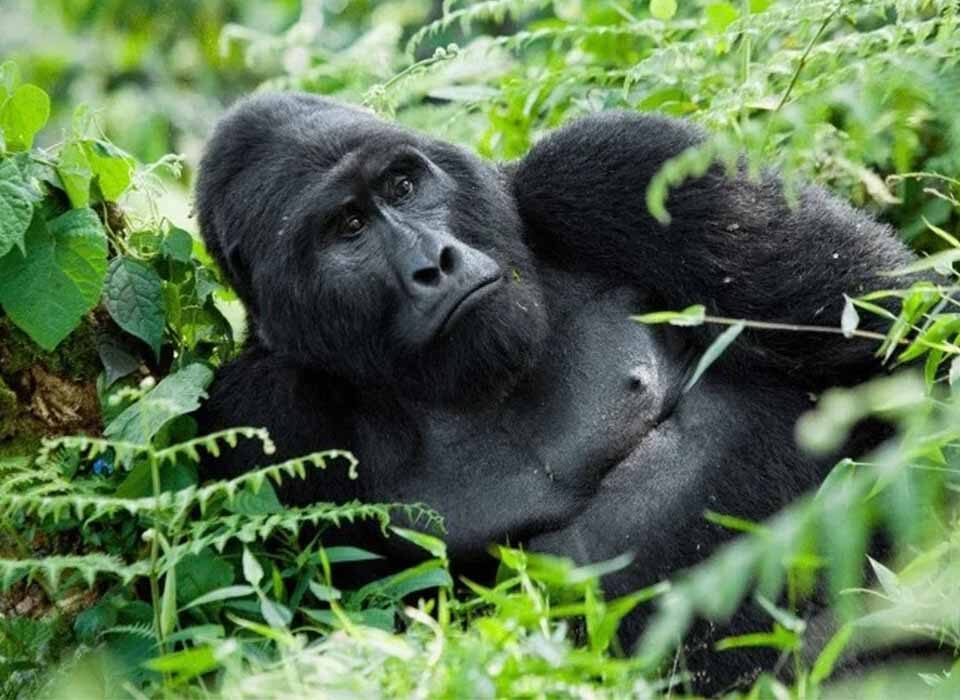
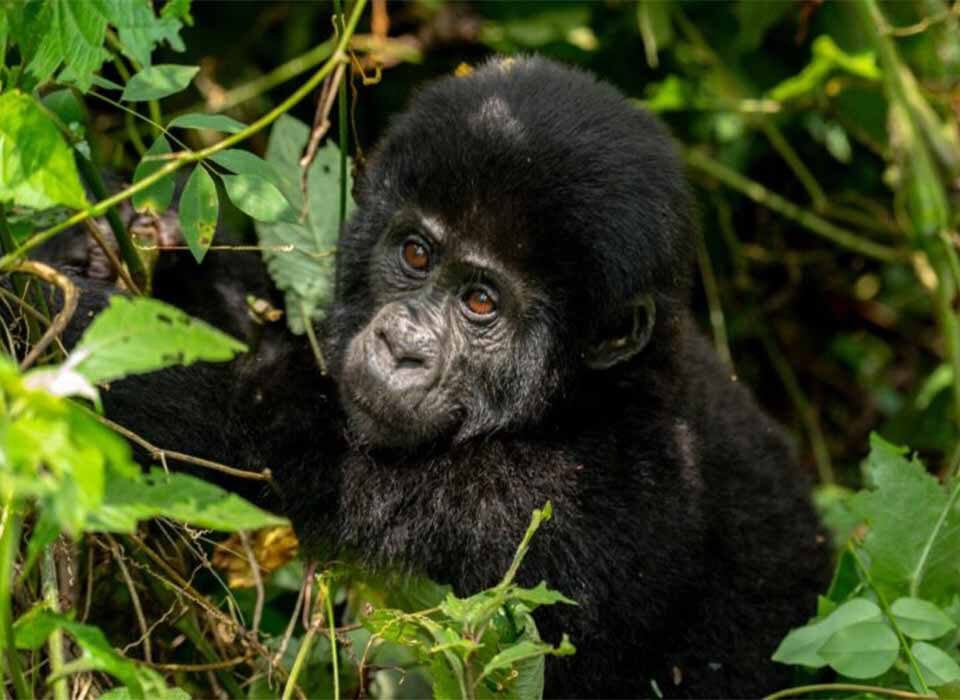
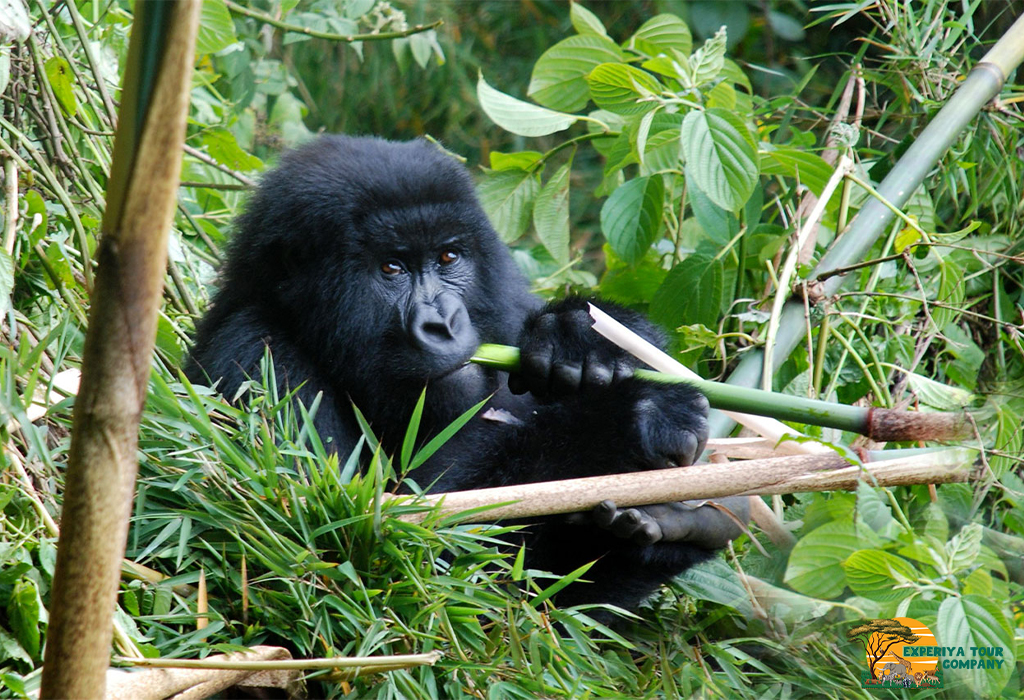
During a gorilla trek, visitors hike through dense forest alongside experienced guides and trackers to locate a habituated gorilla family. Once found, trekkers spend one unforgettable hour observing the gorillas as they feed, interact, and rest.
Because gorilla families move freely within the forest, each trek is unique. Some encounters involve relatively short hikes, while others require longer, more strenuous walks through rugged terrain.
How Physically Demanding Is Gorilla Trekking in Bwindi?
Gorilla trekking in Bwindi is moderately to highly demanding, depending on several factors. Treks typically last between 2 and 8 hours, and in rare cases, even longer.
Along the way, trekkers:
- Walk on uneven and slippery forest trails
- Climb steep hills and descend into deep valleys
- Push through thick vegetation and muddy sections
In addition, Bwindi’s altitude ranges from 1,160 to 2,607 meters above sea level, which can affect stamina especially for visitors not used to higher elevations.
While the trek tests endurance, balance, and determination, most travelers manage it well by moving at a steady pace and taking regular breaks.
Terrain and Weather Conditions in Bwindi
Bwindi’s landscape is as beautiful as it is challenging. The forest features:
- Steep slopes and narrow ridges
- Dense undergrowth and tangled vines
- Rocky and muddy paths
During the rainy seasons (March–May and September–November), trails become especially slippery. Stream crossings and wet forest floors add to the challenge.
The climate remains humid throughout the year, with temperatures averaging 15°C to 25°C (59°F to 77°F). Rain can fall unexpectedly, so waterproof clothing is essential. Despite these conditions, the lush greenery and rich biodiversity make every step worthwhile.
What Level of Fitness Do You Need?
You don’t need to be an athlete, but you do need reasonable physical fitness. Gorilla trekking requires:
- Good cardiovascular endurance
- Strong legs for uphill and downhill walking
- Basic balance and agility on uneven ground
People with heart conditions, serious mobility challenges, or respiratory issues should consult a medical professional before booking. Many operators, including Experiya Tour Company, recommend light hiking or cardio training for several weeks before travel to build confidence and stamina.
Trekking Options for Different Fitness Levels
One of the advantages of trekking in Bwindi is flexibility. Gorilla groups live in different areas of the park, some more accessible than others.
- Easier treks involve shorter distances and gentler slopes
- Challenging treks reach remote areas with steeper terrain
By communicating your fitness level in advance, guides can assign you to a suitable gorilla family. Additionally, local porters are available to carry backpacks and assist on difficult sections, making the trek far more manageable.
How Guides and Porters Support Trekkers
Experienced guides and trackers make a huge difference during gorilla trekking. They:
- Choose the safest and most efficient routes
- Set a comfortable pace for the group
- Help navigate steep, muddy, or slippery areas
- Share fascinating insights about gorilla behavior and forest ecology
Porters, often hired from nearby communities, provide both physical assistance and encouragement. Their presence not only eases the trek but also directly supports local livelihoods.
Essential Gear for Gorilla Trekking in Bwindi
Proper gear dramatically improves comfort and safety. Trekkers should bring:
- Waterproof hiking boots with strong grip
- Long-sleeved shirts and trousers for protection
- A rain jacket or poncho
- Trekking poles for balance
- Gloves for gripping vegetation
- Insect repellent and sunscreen
- A small first-aid kit
Photographers should carry cameras with good zoom lenses to capture intimate moments without disturbing the gorillas.
Common Challenges You May Face
Despite good preparation, trekkers often encounter challenges such as:
- Slippery and muddy trails
- Thick vegetation and thorny bushes
- High humidity causing fatigue
- Insects, including mosquitoes and occasional leeches
Sometimes, gorillas move deeper into the forest, extending the trek unexpectedly. However, skilled guides continuously adapt routes and pacing to manage these situations safely.
How to Prepare Physically and Mentally
Successful gorilla trekking requires both physical and mental readiness.
Physical preparation includes:
- Regular walking or hiking
- Light strength training for legs and core
- Cardiovascular exercises like cycling or jogging
Mental preparation matters just as much. Trekkers should remain flexible, patient, and open-minded. Accept that the trek may be long and demanding but also deeply rewarding.
Staying hydrated, eating well, and resting the night before significantly improve performance.
Is Gorilla Trekking in Bwindi Safe?
Yes gorilla trekking in Bwindi is well-regulated and generally very safe. Uganda Wildlife Authority enforces strict rules to protect both visitors and gorillas.
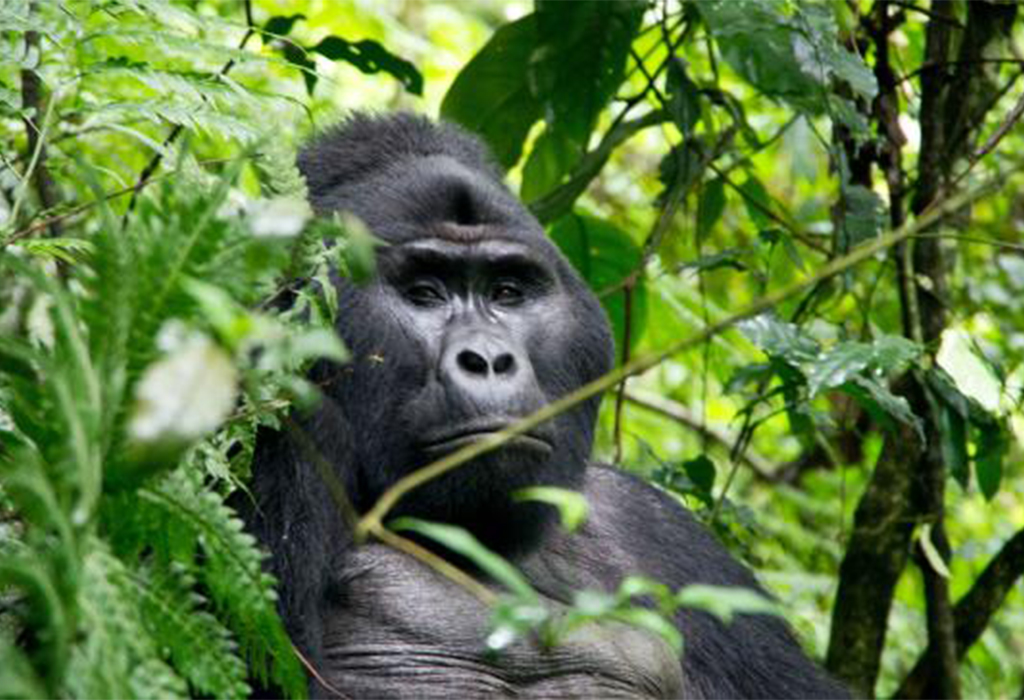
Before trekking, visitors receive detailed safety briefings covering:
- Proper behavior around gorillas
- Maintaining safe distances
- Avoiding sudden movements or loud noises
Health screenings help reduce the risk of disease transmission, and armed rangers accompany groups as a precaution. When trekkers follow guidelines, risks remain minimal.
Conclusion: Is Gorilla Trekking in Bwindi Difficult?
Gorilla trekking in Bwindi Impenetrable Forest can be physically demanding, but it is rarely overwhelming. The difficulty depends on terrain, weather, and the gorilla group assigned.
With reasonable fitness, the right gear, and support from professional guides and porters, travelers of varying abilities complete the trek successfully. Companies like Experiya Tour Company ensure proper planning and realistic expectations, making the experience accessible and safe.
Ultimately, the challenge fades the moment you lock eyes with a mountain gorilla. What remains is a profound connection to nature one that few experiences on Earth can match.