
Photographer’s Guide to Capturing Mountain Gorillas in Rwanda
January 3, 2026
How Many Types of Gorillas Exist in Uganda?
January 3, 2026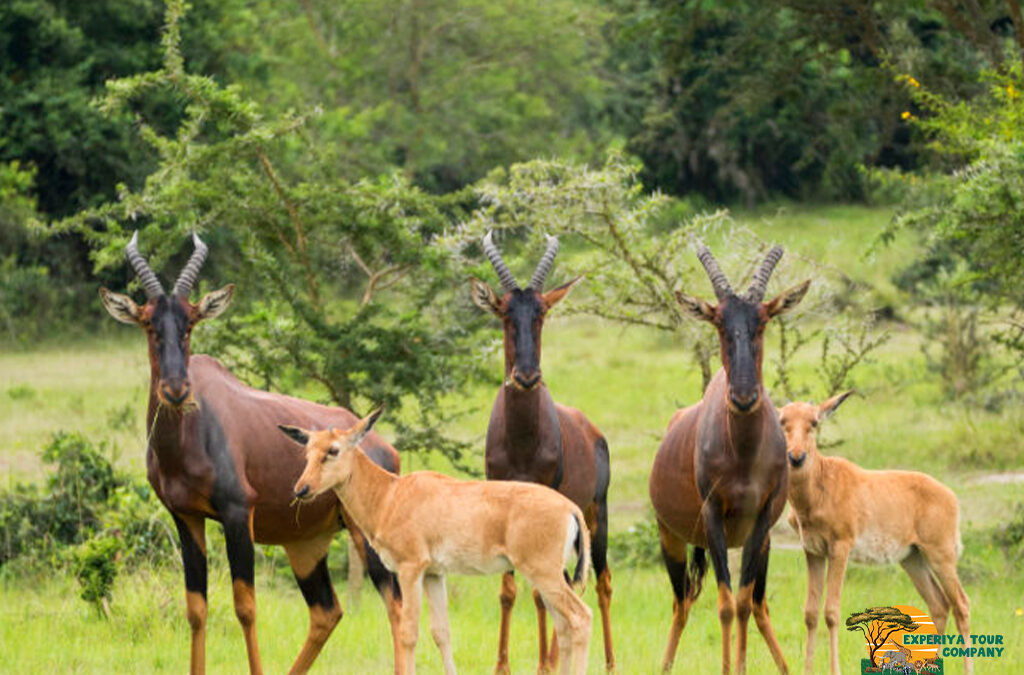
Which national park in Uganda is the least crowded? This question resonates deeply with travelers seeking authentic African wilderness experiences far from busy tourist circuits. Uganda, proudly known as the Pearl of Africa, is home to ten diverse national parks, each offering remarkable landscapes and wildlife encounters.
However, not all parks receive the same level of attention. While some attract large visitor numbers, others remain untouched sanctuaries where nature thrives in peaceful isolation. For travelers who value solitude, raw beauty, and immersive experiences, knowing where to go makes all the difference.
At Experiya Tour Company, we specialize in crafting journeys to Uganda’s most secluded wilderness areas places where you can reconnect with nature without the crowds.
Kidepo Valley National Park: Uganda’s Least Crowded Wilderness
Without question, Kidepo Valley National Park stands out as the least crowded national park in Uganda. Located in the remote northeastern corner of the country, this vast wilderness delivers an experience that feels like Africa decades ago wild, untamed, and deeply moving.
Covering approximately 1,442 square kilometers, Kidepo’s isolation has preserved its authenticity. Few parks in East Africa offer such an overwhelming sense of space and solitude.
The Geography That Keeps Kidepo Wild
Kidepo lies between Uganda’s borders with South Sudan and Kenya, surrounded by rugged mountain ranges that naturally limit access. Two dramatic valleys the Narus Valley and the Kidepo Valley dominate the landscape, framed by sweeping savannahs and distant peaks.
Mount Morungole, rising to about 2,750 meters, towers over the plains and adds to the park’s dramatic scenery. Elevation varies widely, creating multiple habitats ranging from open grasslands and acacia woodlands to montane forests, each supporting distinct wildlife communities.
Seasonal rivers carve through the park, becoming lifelines for animals during the dry months and drawing wildlife into clear view.
Why Distance Keeps the Crowds Away
Kidepo’s remoteness remains the primary reason it stays uncrowded. The park lies roughly 700 kilometers from Kampala, and reaching it by road takes between ten and twelve hours through changing landscapes and rural communities.
For many travelers, the journey itself becomes part of the adventure. Road safaris reveal the cultural heart of northern Uganda as you pass towns such as Gulu and Kitgum, while charter flights from Entebbe or Kajjansi reduce travel time to just two or three hours and reward you with breathtaking aerial views of Uganda’s diverse terrain.
Because reaching Kidepo requires genuine commitment, only truly adventurous travelers make the journey, ensuring low visitor numbers throughout the year.
Wildlife Abundance Without the Congestion
Despite its isolation, Kidepo boasts some of Uganda’s richest wildlife diversity, with approximately seventy-seven mammal species and more than four hundred and seventy-five bird species.
Predators of the Open Plains
Lions roam freely across the Narus Valley, while leopards patrol rocky outcrops and woodland edges. Cheetahs, rarely seen elsewhere in Uganda, occasionally appear on the open plains, making sightings especially memorable. Hyenas and jackals complete this powerful predator ecosystem.
Vast Herds and Iconic Herbivores
Large herds of buffalo, elephants, giraffes, and zebras dominate the landscape. Witnessing hundreds of buffalo moving across the savannah without another safari vehicle in sight perfectly captures the magic of Kidepo.
Rare Antelope Species Found Nowhere Else
Kidepo protects several antelope species not found in other Ugandan parks, including greater and lesser kudu, eland Africa’s largest antelope and Bright’s gazelle. These species thrive here largely because human pressure remains minimal.
A Birdwatcher’s Haven in Northern Uganda
For bird enthusiasts, Kidepo ranks among Uganda’s finest destinations. Its location allows arid-region species from the Horn of Africa to flourish. Ostriches, found only in Kidepo within Uganda, share the plains with Abyssinian ground hornbills, Egyptian vultures, Verreaux’s eagles, and many other spectacular species.
Every game drive brings new avian discoveries, making the park a rewarding destination for both casual birders and serious ornithologists.
What “Africa Without Crowds” Truly Feels Like
Kidepo offers something increasingly rare in modern safaris: complete immersion in wilderness.
Private and Unhurried Game Drives
Morning game drives unfold in golden silence, allowing you to observe predators returning from hunts or elephants crossing valleys without competing vehicles or rushed sightings. The absence of crowds creates a deeply personal safari experience.
Walking Safaris and Deeper Connection
Guided walking safaris reveal a more intimate side of the park. On foot, you begin to notice animal tracks, medicinal plants, and the subtle rhythms of the land that vehicles often overlook.
Cultural Encounters That Enrich the Journey
Life with the Karamojong People
The semi-nomadic Karamojong have lived alongside wildlife for centuries. Visiting their communities offers insight into traditional pastoral life, vibrant music, and storytelling that adds cultural depth to your safari.
The IK Community of Mount Morungole
High on Mount Morungole, the IK people maintain one of Africa’s most distinctive cultures. Trekking to their villages rewards travelers with sweeping views and rare cultural exchanges that feel genuinely authentic and respectful.
Accommodation in a Remote Wilderness
Despite its isolation, Kidepo offers excellent accommodation options that blend comfort with wilderness immersion. Luxury travelers can enjoy panoramic views, private verandas, and an iconic infinity pool at Apoka Safari Lodge. Those seeking an authentic safari atmosphere often choose Nga’Moru Wilderness Camp, while adventurous visitors appreciate the simplicity and proximity to nature offered by UWA bandas and campsites.
Experiya Tour Company carefully matches each traveler with accommodations that suit their comfort level and travel style.
Best Time to Visit Kidepo Valley National Park
The dry seasons, from December to February and from June to September, offer the best wildlife visibility, easier road access, and ideal conditions for walking safaris. During the wetter months of March to May and October to November, the landscape turns lush and green, birdlife flourishes, and visitor numbers drop even further, enhancing the sense of solitude.
Each season reveals a different side of Kidepo, ensuring rewarding experiences year-round.
Other Quiet National Parks in Uganda
While Kidepo leads the list, several other Ugandan destinations also offer peaceful safari experiences. The Ishasha sector of Queen Elizabeth National Park is far less busy than the northern plains and is famous for its tree-climbing lions. Semuliki Wildlife Reserve appeals to adventurous travelers and birdwatchers seeking raw exploration. Lake Mburo National Park, though small, provides walking safaris, boat trips, and close wildlife encounters without heavy crowds. Mount Elgon National Park offers highland solitude, waterfalls, caves, and dramatic volcanic landscapes ideal for hikers.
Planning an Uncrowded Uganda Safari
Remote safaris require thoughtful planning. Experiya Tour Company manages every detail, from transport and permits to accommodations and cultural experiences, allowing you to focus entirely on enjoying the journey.
We also design multi-park itineraries that combine iconic highlights with lesser-visited gems, creating balanced and crowd-free adventures across Uganda.
Final Thoughts
For travelers seeking true wilderness, silence broken only by nature, and landscapes untouched by mass tourism, Kidepo Valley National Park stands unrivaled as Uganda’s least crowded national park.
When combined with other quiet destinations such as Ishasha, Semuliki, Lake Mburo, and Mount Elgon, Uganda offers rare opportunities to experience Africa as it once was. With Experiya Tour Company as your guide, your journey becomes more than a safari it becomes a deeply personal connection with the wild heart of Africa.
