Top Lodges in Kibale Forest National Park
April 25, 2026
Semuliki National Park: Uganda’s Untamed Rainforest Experience
April 25, 2026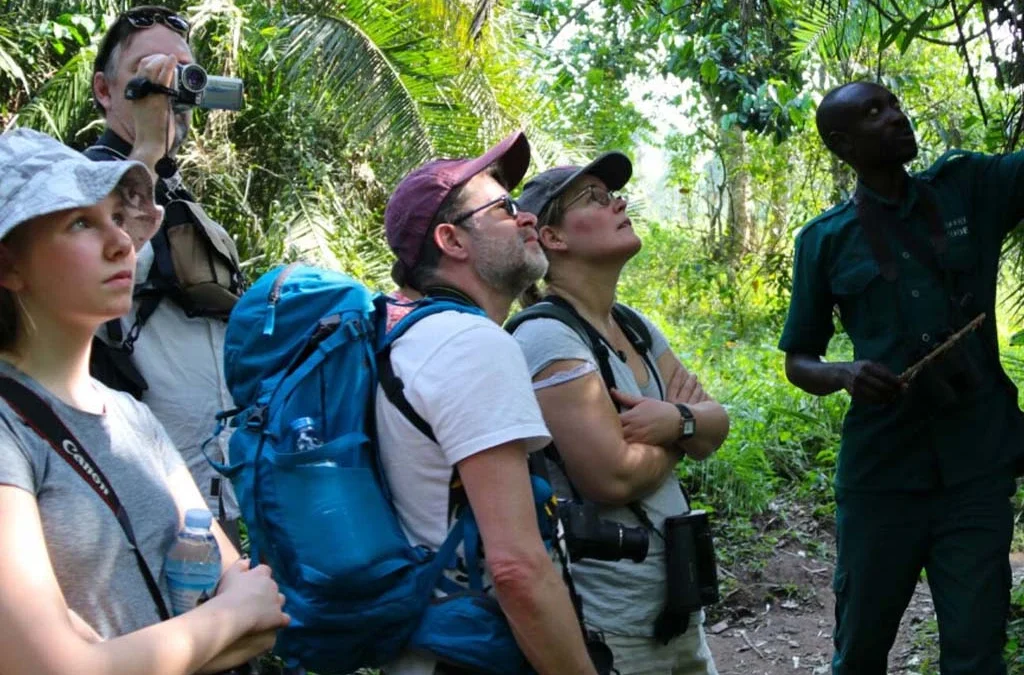
Bigodi Wetland Sanctuary sits quietly in western Uganda, yet it leaves a lasting impression on everyone who visits. I found it to be one of those rare places where nature, wildlife, and community life blend seamlessly. Bird lovers, primate enthusiasts, and travelers searching for meaningful cultural encounters all walk away deeply fulfilled. Bordering the famous Kibale Forest National Park, Bigodi combines remarkable biodiversity with an inspiring conservation story that feels both authentic and personal.
The Story Behind Bigodi
Bigodi’s roots run deep in both conservation and community empowerment. In the early 1990s, local residents realized their wetland ecosystem faced serious threats. Instead of waiting for outside intervention, they took action themselves. In 1992, they formed a community initiative and established the sanctuary with a clear vision: to protect the wetland while improving local livelihoods through tourism.
That vision quickly proved successful. Revenue from visitors began supporting schools, improving healthcare services, and expanding access to clean water. What struck me most is how directly the benefits reach the community. This is not abstract conservation—it is practical, visible, and life-changing. Today, Bigodi stands as a powerful example of what happens when local people take ownership of their natural resources and manage them sustainably.
Where Bigodi Is Located
You will find Bigodi in western Uganda, about 40 kilometers south of Fort Portal town. It lies roughly six kilometers from Kibale Forest National Park, making it an easy addition to any chimpanzee trekking itinerary. The sanctuary also forms part of the Albertine Rift Valley, a region known for its exceptional biodiversity and rolling, scenic landscapes.
Because of its proximity to Kibale, visiting Bigodi does not require extra effort. In fact, it fits naturally into most travel plans in the area.
Why Bigodi Is Worth Visiting
Bigodi offers an experience that feels both rich and grounded. The sanctuary hosts more than 200 bird species and eight primate species, creating a paradise for wildlife enthusiasts. However, what makes this place stand out goes beyond wildlife.
As I walked through the wetland and the nearby village, I felt a genuine connection to the community. The experience goes far deeper than typical tourism. Every guided walk and entrance fee directly supports local development, so your visit contributes to real change. At the same time, the scenery—tall papyrus swamps, winding boardwalks, and thick vegetation—creates a peaceful, immersive atmosphere that is hard to forget.
What to Do in Bigodi Wetland Sanctuary
Bird Watching
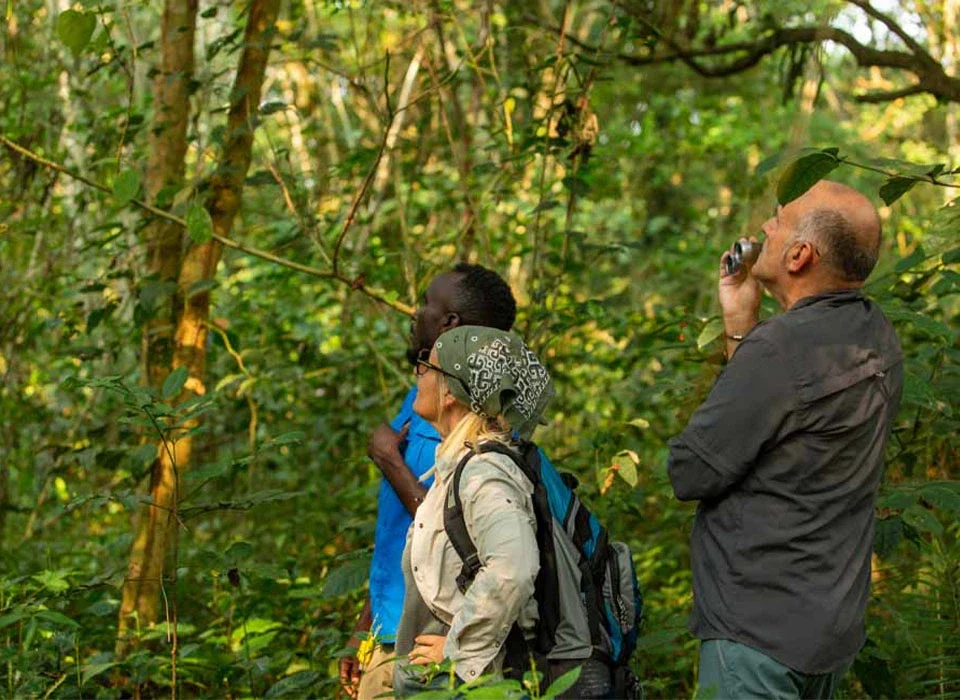
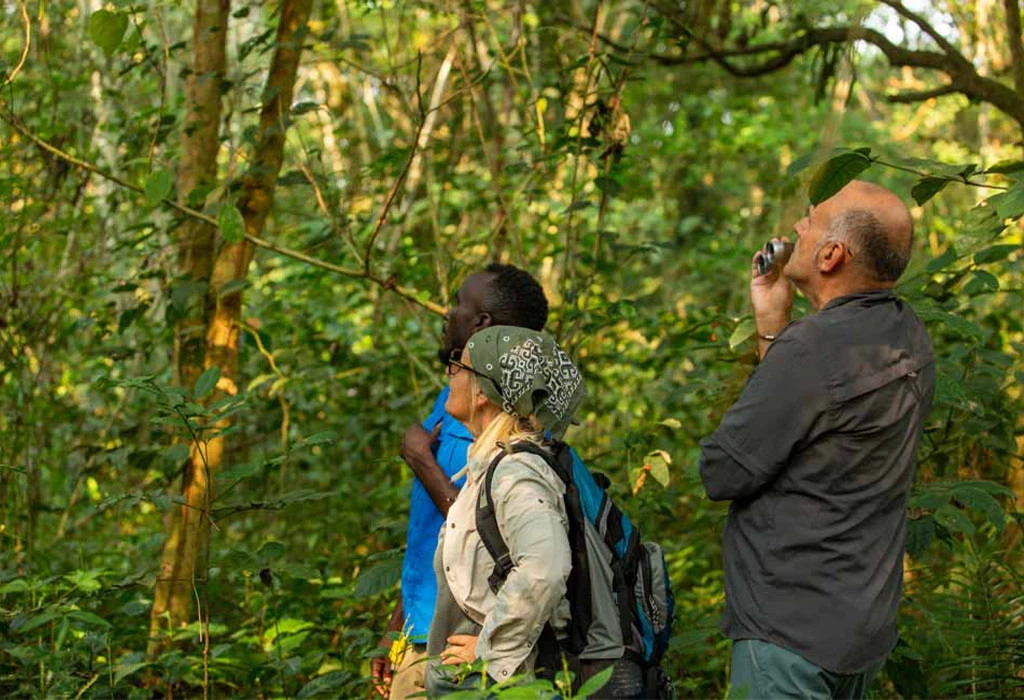
Bird watching easily ranks among the top activities here. With over 200 recorded species, the sanctuary attracts birders from around the world. I noticed how knowledgeable the local guides are—they seem to know every call and movement in the wetland. During my visit, I spotted the striking Great Blue Turaco, along with colorful weavers and kingfishers. With patience, you can also find rarer species like the Papyrus Gonolek hidden within the reeds.
Nature Walks
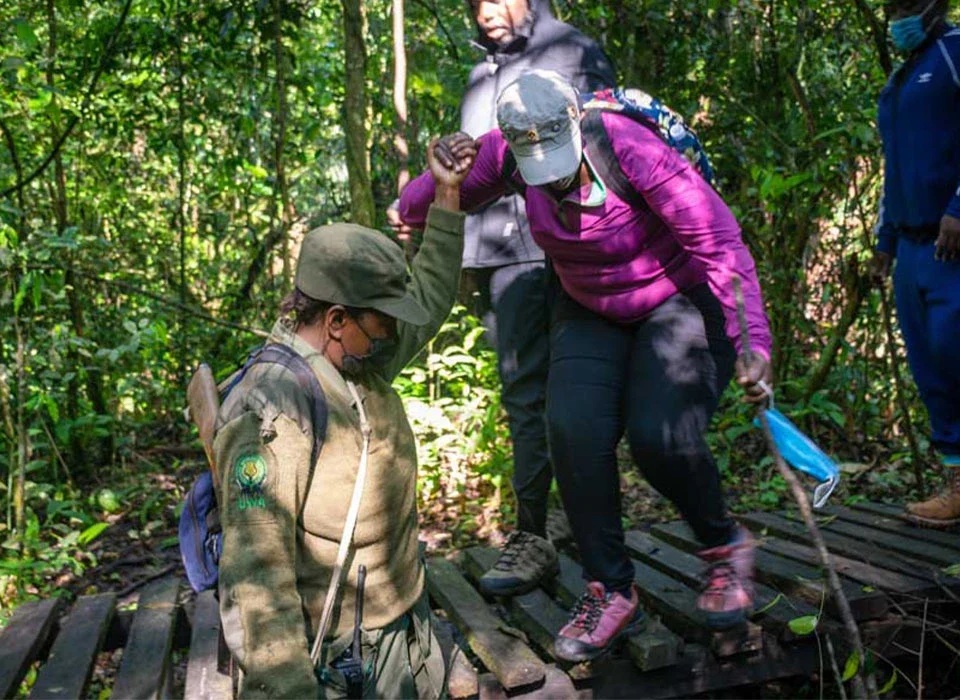
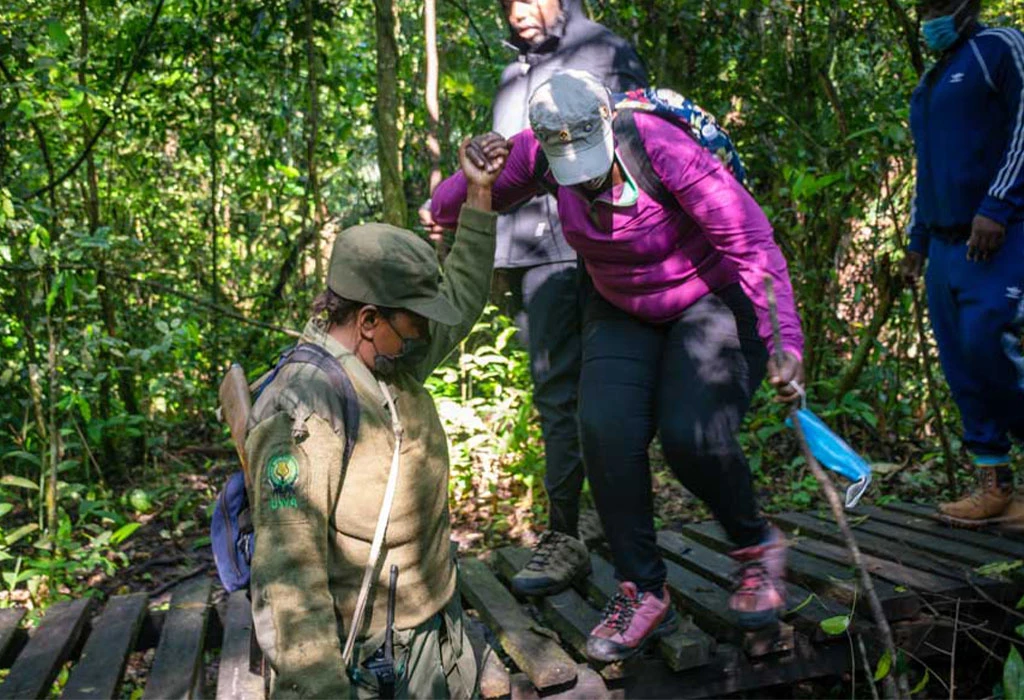
The guided nature walks take you deep into the wetland along well-maintained trails and raised boardwalks. As I moved slowly through the sanctuary, I saw sitatunga antelopes navigating the papyrus and primates leaping through the trees above. The pace feels relaxed, giving you time to absorb every sound and movement around you. It is less about rushing and more about truly experiencing the environment.
Primate Watching
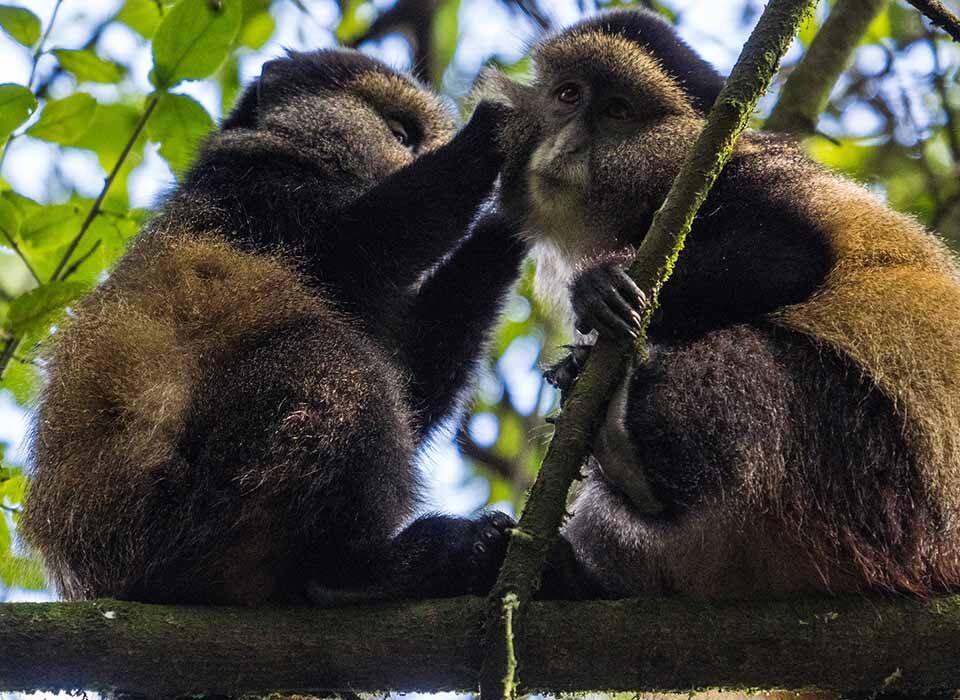
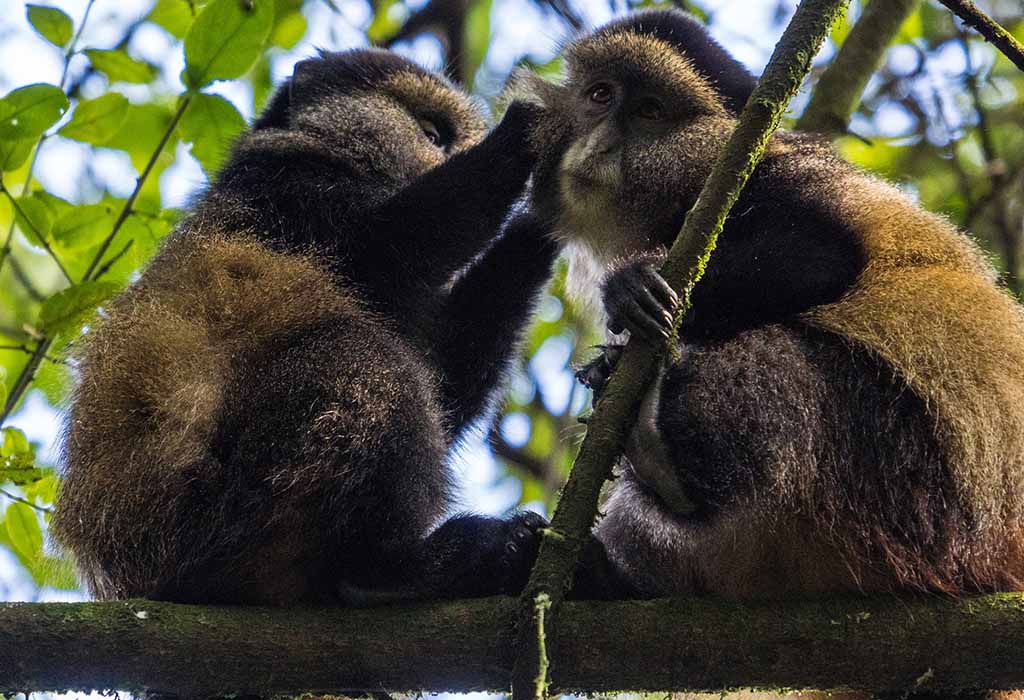
Bigodi offers a different kind of primate experience compared to Kibale’s dense forest. Here, eight primate species thrive within the wetland ecosystem. I encountered black-and-white colobus monkeys and red-tailed monkeys, and I learned that the rare grey-cheeked mangabey also lives here. Seeing these animals in such a unique habitat makes the experience feel special and distinct.
Cultural Encounters
The cultural tours through Bigodi Village add depth to the visit. Walking through the community, I met local families, observed traditional crafts, and learned how residents use medicinal plants found in the area. These interactions felt genuine rather than staged. They offered a clearer understanding of daily life in rural western Uganda and left a lasting impression on me.
Getting to Bigodi
Reaching Bigodi is relatively straightforward. The journey from Kampala takes about five to six hours by road, passing through Fort Portal. From there, it takes roughly an hour to reach Bigodi Village. Since the sanctuary sits so close to Kibale Forest, many travelers include it as part of their itinerary without adding much travel time.
Best Time to Visit
You can visit Bigodi at any time of the year, but each season offers something slightly different. The dry months, from June to September and December to February, make walking easier since the trails remain firm. Wildlife viewing is also more consistent during this period.
On the other hand, the rainy seasons—from March to May and October to November—transform the wetland into a lush, vibrant landscape. I found the scenery especially beautiful during these months. In addition, migratory birds arrive during the rains, making it an excellent time for dedicated bird watchers.
Where to Stay
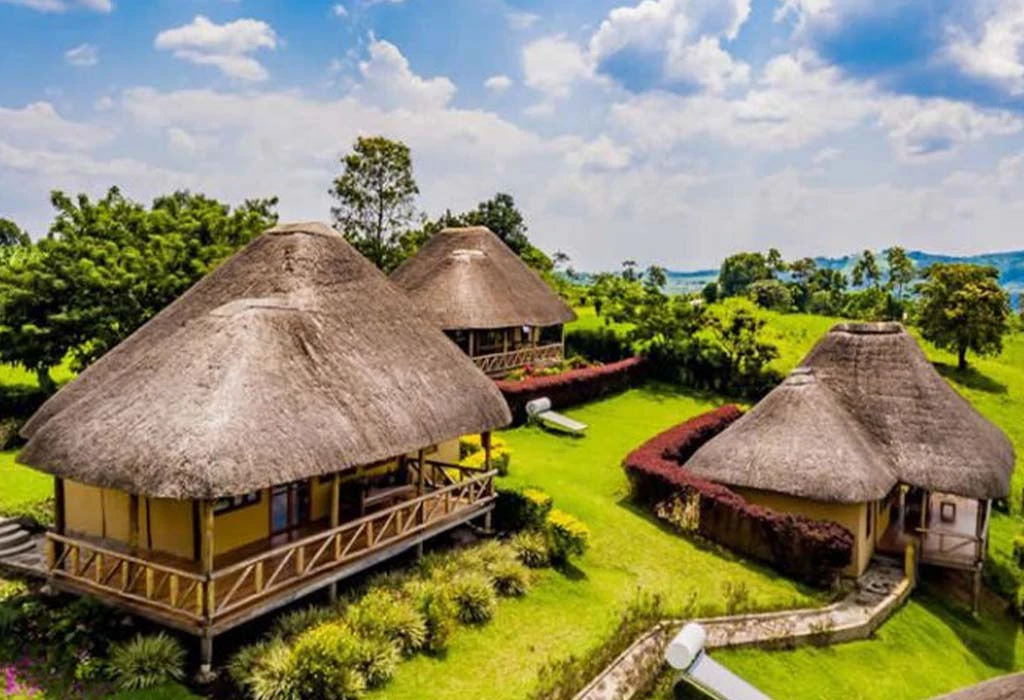
Several accommodation options sit within easy reach of the sanctuary, ranging from budget-friendly guesthouses to comfortable mid-range lodges and more upscale forest retreats. Most of these places provide convenient access to both Bigodi and Kibale, allowing you to explore the area without long daily transfers.
What to Bring
When preparing for a visit, I found it important to pack thoughtfully. Comfortable walking shoes make a big difference on the sometimes wet and uneven trails. Light clothing works well in the warm climate, while a rain jacket comes in handy when showers appear unexpectedly.
Binoculars and a camera enhance the experience, especially for bird watching. Insect repellent also proves useful, and carrying a reusable water bottle helps you stay hydrated throughout the walk.
Final Thoughts
Bigodi Wetland Sanctuary shows that conservation and community development can succeed together. As I explored the wetland and connected with the people who protect it, I realized that visiting Bigodi is more than just a nature experience. It is a chance to support a model that truly works.
When you visit, you do not just observe—you become part of a story that continues to shape both the environment and the lives of the people who call it home.