
Kayaking Adventure at Lake Bunyonyi
August 31, 2026
Are Gorillas Aggressive? Understanding Gorilla Behavior in the Wild
September 1, 2026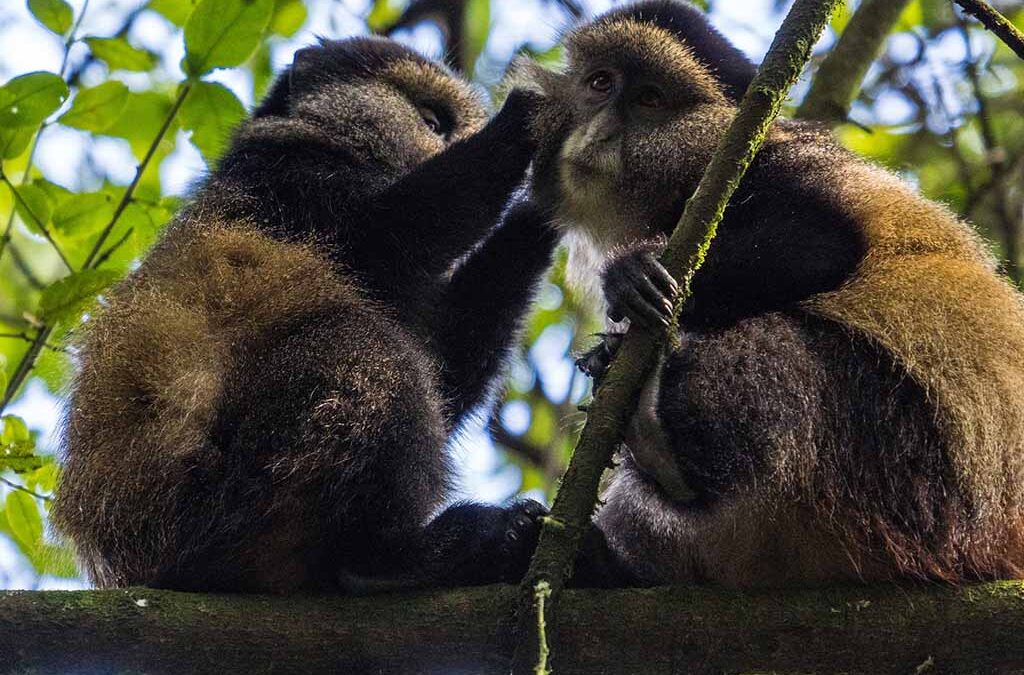
Uganda offers travelers a rare opportunity to step beyond ordinary wildlife viewing and enter the world of some of Africa’s most remarkable primates. Deep in ancient rainforests, misty mountains, and bamboo-covered slopes, mountain gorillas, chimpanzees, and golden monkeys thrive in protected habitats.
For many visitors, tracking these animals becomes more than another activity on a safari itinerary. It is a personal encounter with nature that combines adventure, discovery, and a deeper appreciation for wildlife conservation.
Known as the Pearl of Africa, Uganda is blessed with diverse ecosystems that support more than 20 primate species. From the ancient forests of Bwindi Impenetrable National Park to the primate-rich landscapes of Kibale National Park and the volcanic slopes of Mgahinga Gorilla National Park, Uganda provides exceptional opportunities to observe primates in their natural environments.
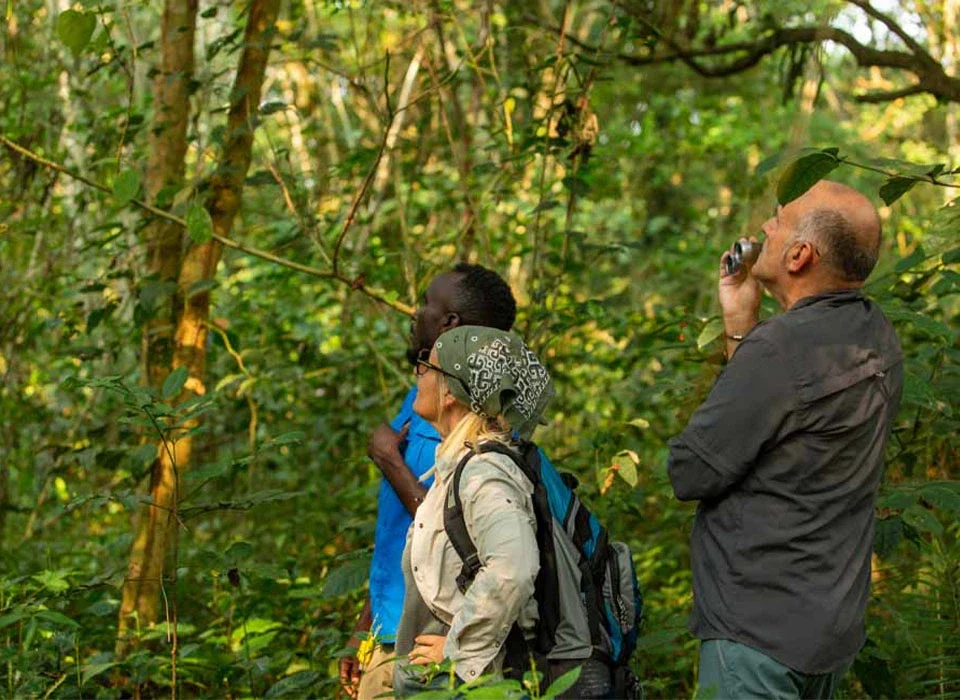
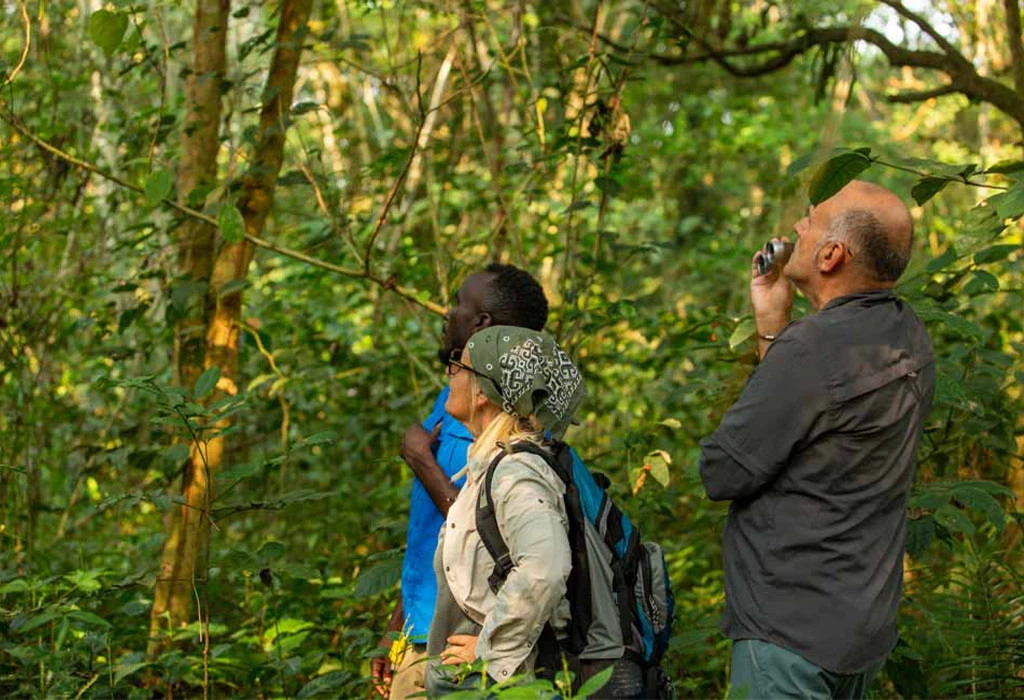
Unlike a conventional game drive, primate tracking places you directly in the forest. You walk along narrow trails, climb hills, cross streams, and listen carefully for movement in the vegetation. Sometimes the forest remains quiet for long periods. Then, suddenly, you hear chimpanzees calling or spot a golden monkey moving through the bamboo. The anticipation makes every encounter special.
Why Uganda Is an Excellent Primate Tracking Destination
Uganda stands out because travelers can experience several remarkable primate encounters during one journey. The country’s location between the ecosystems of East and Central Africa has created habitats capable of supporting an impressive range of wildlife.
Most importantly, Uganda protects a significant proportion of the world’s remaining mountain gorillas. Bwindi and Mgahinga also provide some of the continent’s most memorable gorilla trekking experiences.
Chimpanzee enthusiasts have another major reason to visit. Kibale National Park is famous for its large chimpanzee population and diverse primate communities. Meanwhile, Mgahinga provides an opportunity to search for the endangered golden monkey, a species closely associated with the Virunga mountain region.
As a result, a well-planned Uganda safari can combine gorilla trekking, chimpanzee tracking, golden monkey trekking, game drives, boat cruises, and cultural experiences.
Gorilla Trekking in Uganda
Meet Mountain Gorillas in Their Natural Habitat
For many travelers, meeting mountain gorillas represents the highlight of a Uganda safari. These endangered great apes live in the forests of southwestern Uganda, where conservation efforts have helped protect their populations and habitats.
Your gorilla trekking adventure normally begins early in the morning at the designated park headquarters. Rangers provide a briefing before groups enter the forest. They explain safety procedures, responsible viewing practices, and what visitors should expect during the trek.
Once the trek begins, experienced guides and trackers lead the way. The journey can take a few hours or considerably longer depending on where the gorilla family has moved. Because gorillas live in a natural environment, no encounter can be guaranteed to follow a fixed schedule.
The physical challenge adds to the excitement. You may walk through thick vegetation, navigate muddy trails, and climb steep slopes. However, the effort becomes worthwhile when you finally encounter a gorilla family.
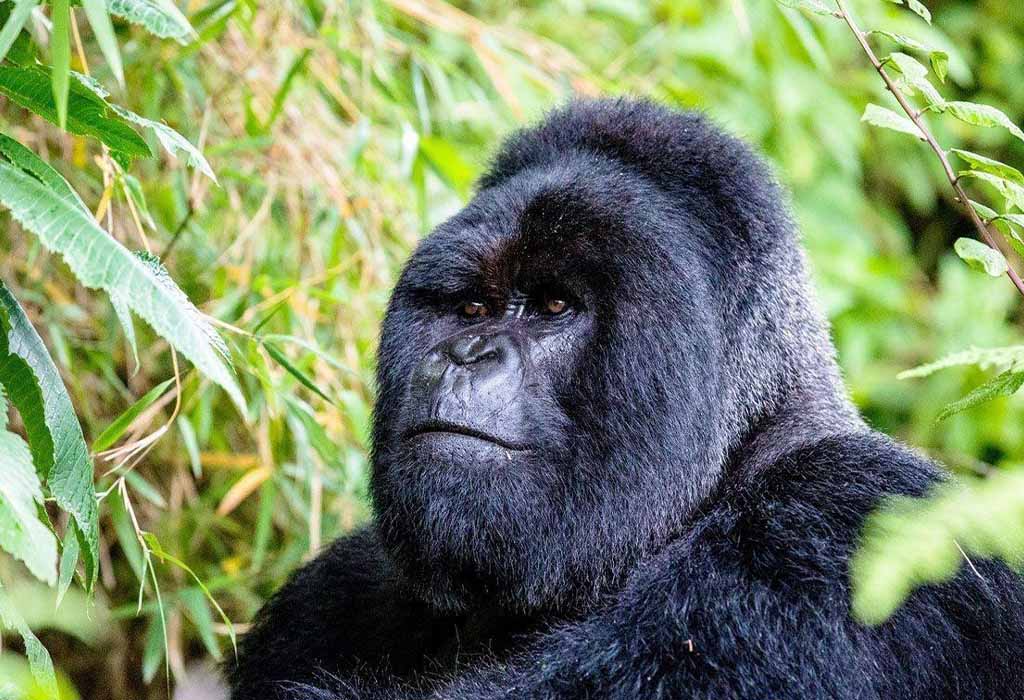
A silverback may sit quietly nearby while females groom one another and young gorillas play around the group. Their human-like expressions and social behavior often leave visitors speechless.
The standard gorilla trekking experience allows visitors to spend up to one hour observing a habituated gorilla family under the supervision of trained rangers. That hour passes remarkably quickly, which is why many travelers consider it one of the most memorable moments of their lives.
Where to Go Gorilla Trekking in Uganda
Bwindi Impenetrable National Park
Bwindi is Uganda’s most popular gorilla trekking destination. Its ancient rainforest covers a rugged landscape filled with thick vegetation, steep valleys, streams, and impressive biodiversity.
Gorilla trekking takes place in different sectors of the park, including Buhoma, Ruhija, Rushaga, and Nkuringo. Each sector has its own landscape, gorilla families, accommodation options, and access arrangements.
Beyond gorillas, Bwindi supports numerous bird species, forest mammals, and other primates. Therefore, the journey through the forest can be rewarding even before you reach the gorillas.
Mgahinga Gorilla National Park
Mgahinga offers a different atmosphere. The park forms part of the larger Virunga landscape and is dominated by dramatic volcanic mountains, bamboo forests, and beautiful highland scenery.
Because the park is smaller than Bwindi, some travelers appreciate its quieter and more intimate atmosphere. In addition to gorilla trekking, Mgahinga is particularly important for golden monkey tracking.
Gorilla Habituation Experience
Travelers who want to spend more time learning about gorillas can consider the Gorilla Habituation Experience in the southern part of Bwindi.
Unlike ordinary trekking, habituation involves visiting a gorilla group that is still becoming accustomed to human presence. Participants accompany researchers, conservationists, trackers, and rangers as they observe the group’s behavior.
The experience can provide several hours of observation, allowing visitors to learn more about feeding habits, communication, social relationships, movement, and daily routines.
For wildlife photographers, researchers, and passionate conservation enthusiasts, this extended experience offers a deeper understanding of mountain gorillas.
Understanding Gorilla Trekking Permits
Gorilla trekking permits are essential because visitor numbers must remain controlled to protect the animals and their habitat. Uganda Wildlife Authority manages the permits and trekking regulations.
Because demand can be high, particularly during the June to September and December to February travel periods, travelers should arrange permits well in advance.
Permit revenue also plays an important role in conservation. It helps support protected-area management, ranger operations, wildlife monitoring, research, and community initiatives around gorilla habitats.
Therefore, purchasing a permit does more than give you access to the forest. It also contributes to the long-term protection of mountain gorillas.
Chimpanzee Tracking in Uganda
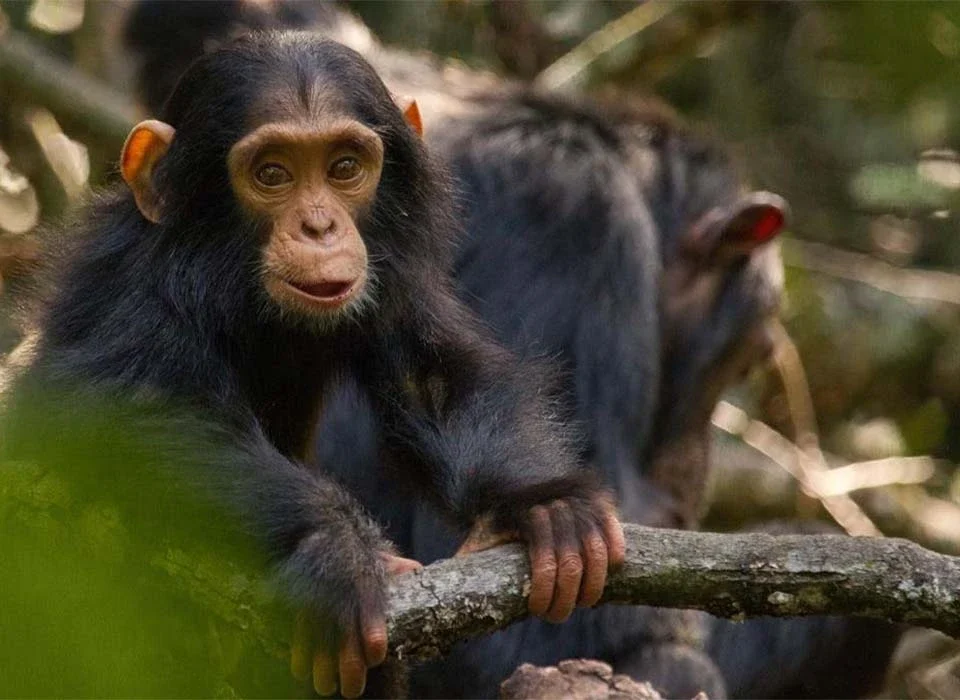
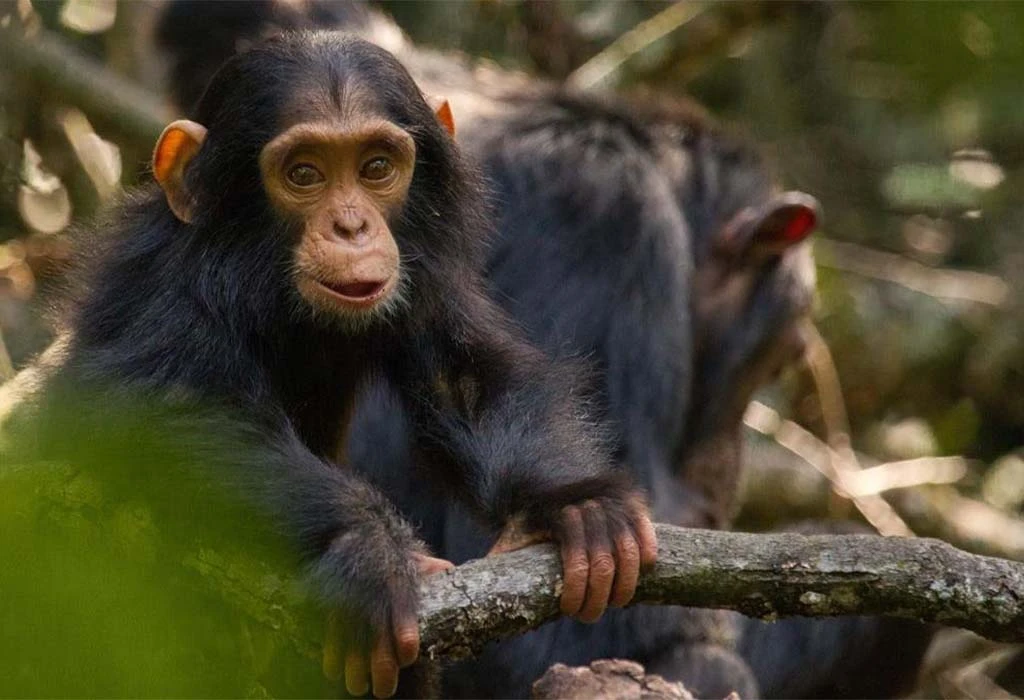
If gorillas impress visitors with their strength and calm nature, chimpanzees capture attention through their intelligence, energy, and complex social behavior.
Chimpanzees share approximately 98% of their DNA with humans, making encounters with them particularly fascinating. However, tracking them feels very different from gorilla trekking.
Chimpanzees move quickly through the forest and often spend considerable time in the canopy. Their loud calls can travel long distances, so visitors may hear a troop before they see it.
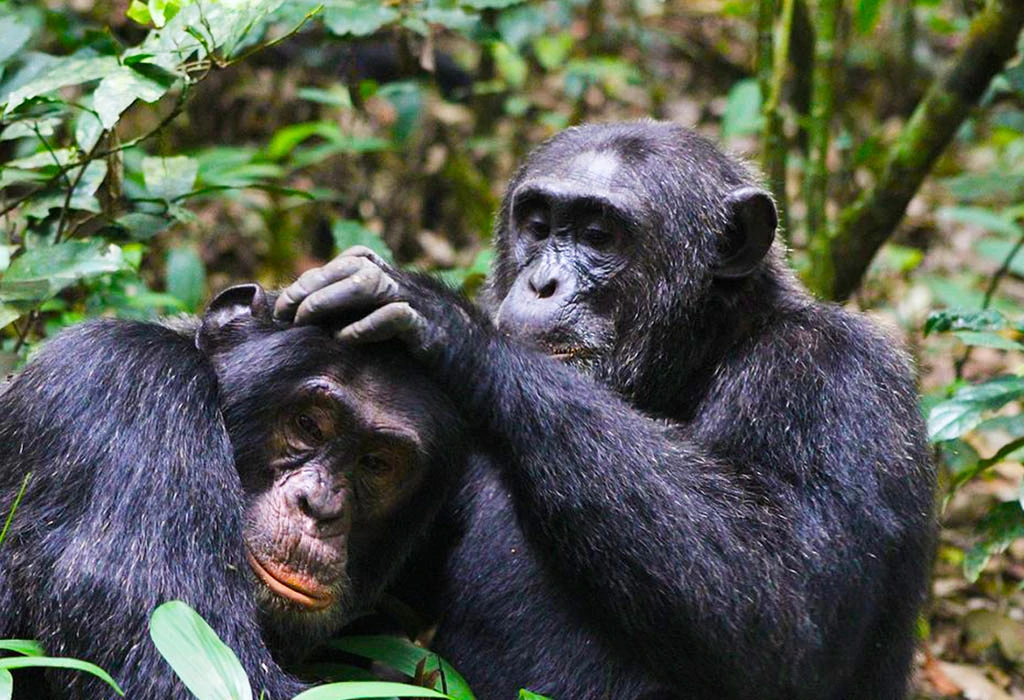
Once trackers locate the group, the experience becomes dynamic. Chimpanzees may feed, groom one another, play, communicate, climb trees, or move rapidly through the forest.
Their behavior can offer fascinating insights into primate intelligence and social organization.
Kibale National Park: Uganda’s Primate Capital
Kibale National Park is one of Uganda’s premier destinations for chimpanzee tracking. The park protects a remarkable tropical forest ecosystem with a high concentration of primates.
Chimpanzees are the main attraction, but they are not the only species you may encounter. Kibale also supports red colobus monkeys, black-and-white colobus monkeys, blue monkeys, L’Hoest’s monkeys, and olive baboons.
The forest itself adds another dimension to the experience. Towering trees form a dense canopy while forest sounds surround you from every direction.
For travelers interested in primates, Kibale deserves a prominent place on a Uganda safari itinerary.
Chimpanzee Habituation Experience
Travelers who want more time with chimpanzees can choose a chimpanzee habituation experience. This activity provides an extended opportunity to accompany researchers and trackers as they monitor chimpanzee communities.
Instead of focusing only on finding the animals, participants can observe their daily routines and learn how researchers study their behavior.
You may witness feeding, grooming, communication, nesting, territorial behavior, and interactions between different members of the community. The longer observation period makes the experience particularly valuable for photographers and wildlife enthusiasts.
Golden Monkey Trekking in Mgahinga
Golden monkey trekking provides another exciting way to explore Uganda’s primate diversity.
Golden monkeys are recognized by their distinctive golden-orange fur and energetic behavior. They are closely associated with the Virunga Mountains and live among bamboo forests at higher elevations.
Unlike gorillas, golden monkeys rarely remain still for long. They move quickly through vegetation, jump between branches, and interact actively with one another.
Tracking them therefore feels lively and unpredictable. Their playful behavior also creates excellent opportunities for wildlife photography.
For travelers already planning a gorilla trek in Mgahinga, adding golden monkey trekking can create a richer primate experience.
Preparing for Your Primate Tracking Adventure
Good preparation can make your forest experience much more comfortable. Wear sturdy waterproof hiking boots and comfortable long trousers. A long-sleeved shirt, rain jacket, insect repellent, reusable water bottle, light snacks, gardening gloves, and a small daypack are also useful.
A camera can help you preserve the memories, but always follow ranger instructions about photography and distance.
You should also prepare physically. Some trails are relatively easy, while others involve steep climbs and slippery ground. Forest weather can change quickly, so flexibility is essential.
Responsible Primate Tourism
Responsible behavior protects both wildlife and visitors. During your trek, maintain the required distance from the animals and never attempt to touch or feed them.
If you feel unwell, especially if you have symptoms of an infectious illness, inform your tour operator and park authorities before joining a primate trek. Great apes can be vulnerable to human diseases.
Keep your voice low, avoid sudden movements, and follow your ranger’s instructions throughout the encounter. Most importantly, leave nothing behind in the forest.
These simple practices help ensure that future generations can enjoy the same extraordinary experiences.
How Primate Tourism Supports Conservation
Primate tourism creates an important link between wildlife conservation and local communities. Revenue from tourism contributes to protected-area management, ranger activities, research, habitat protection, and other conservation programs.
Communities surrounding national parks can also benefit through employment, accommodation, transport, guiding, handicraft sales, food services, and cultural tourism.
When local people see tangible benefits from protecting wildlife, conservation becomes a shared responsibility rather than the responsibility of park authorities alone.
Combine Primate Tracking with a Classic Uganda Safari
One of Uganda’s greatest strengths is the ability to combine primate adventures with traditional wildlife experiences.
After gorilla trekking in Bwindi, you can continue to Queen Elizabeth National Park for game drives and a Kazinga Channel boat cruise. You may encounter elephants, buffaloes, lions, hippos, leopards, and numerous bird species.
Chimpanzee tracking in Kibale can also complement a safari in Queen Elizabeth National Park. Similarly, travelers visiting Mgahinga can combine golden monkey trekking with gorilla trekking and cultural experiences around Kisoro.
This combination allows you to experience Uganda beyond a single attraction.
Experience Uganda’s Primates with Experiya Tour Company
Primate tracking in Uganda brings you closer to nature in a way that ordinary sightseeing cannot. Every trek tells a different story, whether you are following gorilla tracks through the misty forests of Bwindi, listening for chimpanzee calls in Kibale, or watching golden monkeys move through the bamboo forests of Mgahinga.
At Experiya Tour Company, we help travelers turn these extraordinary encounters into well-organized and meaningful Uganda safari experiences. From arranging permits and transportation to selecting suitable accommodation and planning complementary activities, our goal is to make your journey comfortable, responsible, and memorable.
Uganda’s primates are more than wildlife attractions. They are part of a remarkable natural heritage that deserves protection and appreciation. When you walk through these forests, you are not simply searching for animals. You are entering an ecosystem that has existed for generations and witnessing some of Africa’s most fascinating creatures where they truly belong.
For an unforgettable encounter with Uganda’s gorillas, chimpanzees, and golden monkeys, let Experiya Tour Company help you discover the wild heart of the Pearl of Africa.