Explore Bigodi Wetland Sanctuary
April 25, 2026
Places to Visit in Kisoro Before or After Gorilla Trekking in Uganda
April 25, 2026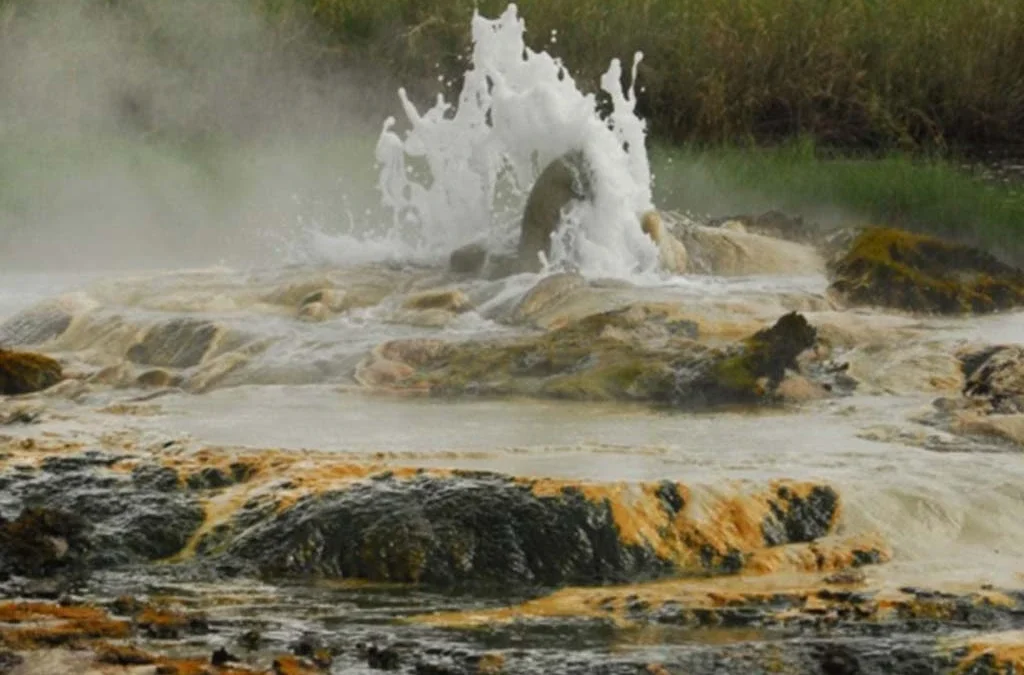
Semuliki National Park stands out as one of Uganda’s most remarkable and least-explored destinations. Tucked within the Albertine Rift Valley in Bundibugyo District, near the border with the Democratic Republic of Congo, the park covers about 220 square kilometres. Despite its modest size, it offers an extraordinary blend of ancient rainforest, unique wildlife, steaming hot springs, and deep-rooted cultural heritage. From the moment you arrive, the atmosphere feels different, wilder, quieter, and more intimate.
A Forest That Feels Timeless
Although the park officially became protected in 1993, the forest itself stretches back thousands of years. As you step beneath the canopy, the shift is immediate. Towering trees filter the sunlight into soft green hues, while the air carries a rich, earthy scent. Every step reveals something new: rustling leaves, distant bird calls, and the hum of insects that never seem to rest.
Walking here feels less like a typical safari and more like entering a living, breathing ecosystem that has remained largely untouched. This sense of rawness defines Semuliki and sets it apart from more open savannah parks.
A Paradise for Birdlife and Rare Species
Semuliki quickly earns its reputation as a birdwatcher’s paradise. With over 400 recorded bird species, more than 40 percent of Uganda’s total, the park attracts enthusiasts from across the world. As you move through the forest, you begin to notice flashes of color and distinctive calls overhead.
Among the highlights are the elusive Congo serpent eagle, the striking white-crested hornbill, and the rare lyre-tailed honeyguide. With patience and a bit of luck, you might even spot the prehistoric-looking shoebill in nearby wetlands.
Beyond birds, the park supports over 50 mammal species. However, wildlife viewing here feels different. Animals do not gather in open plains; instead, they remain hidden within dense vegetation. Forest elephants move quietly through the undergrowth, while smaller, darker forest buffalo appear and disappear without warning. Occasionally, primates such as chimpanzees, black-and-white colobus monkeys, and De Brazza’s monkeys reveal themselves, rewarding those who take their time.
The Sempaya Hot Springs: Nature at Full Power
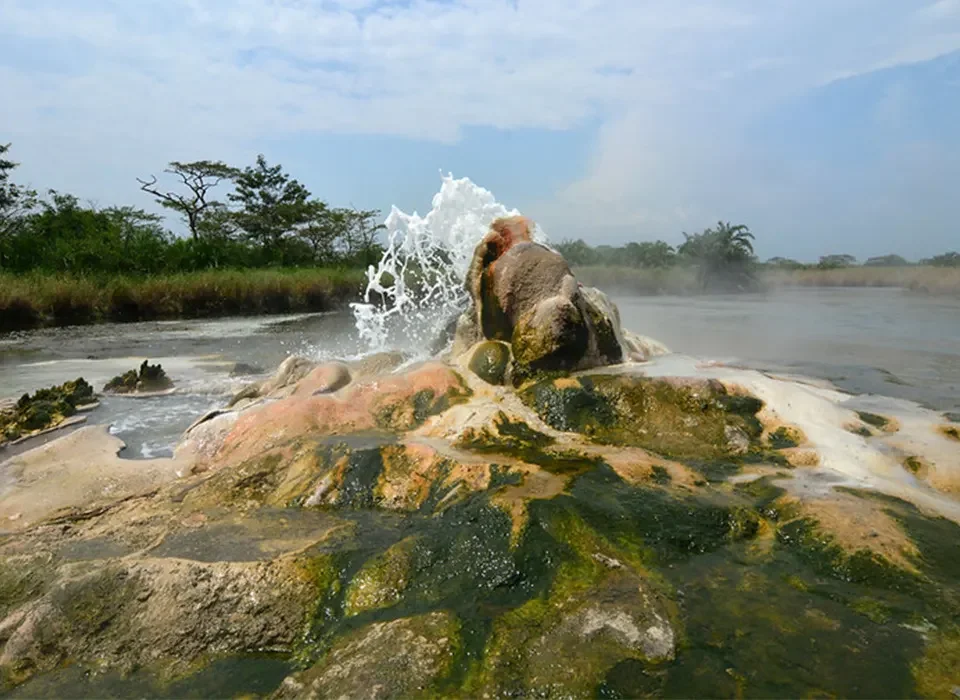
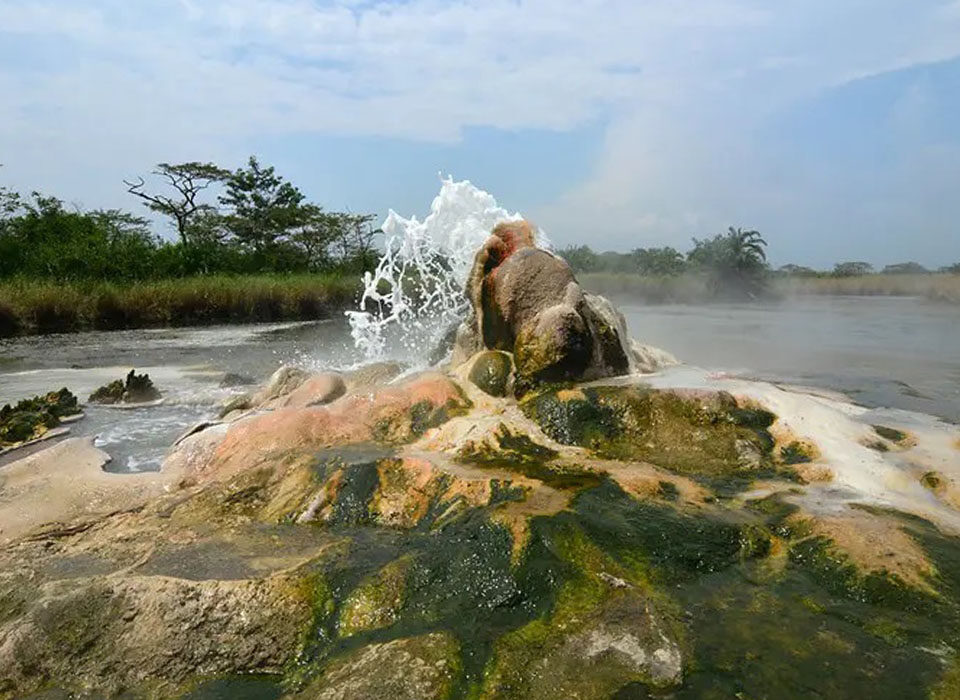
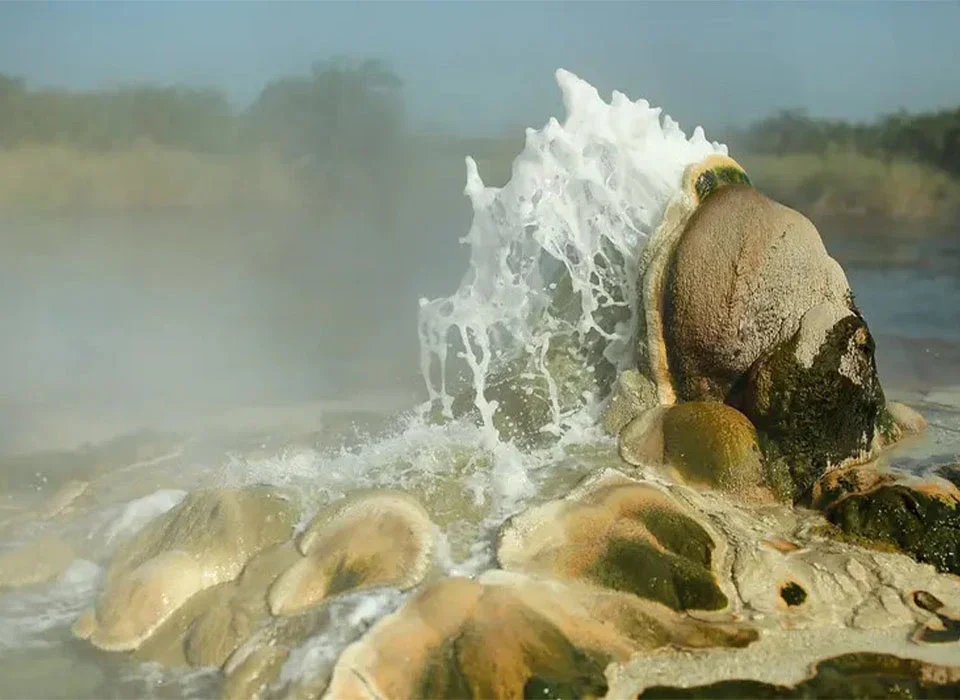
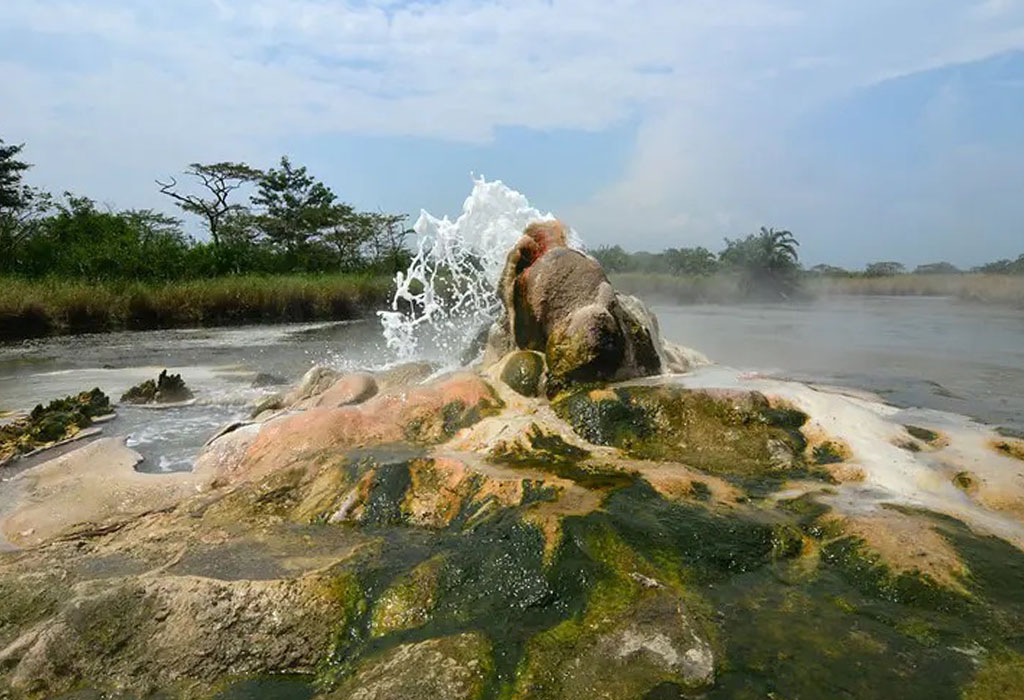
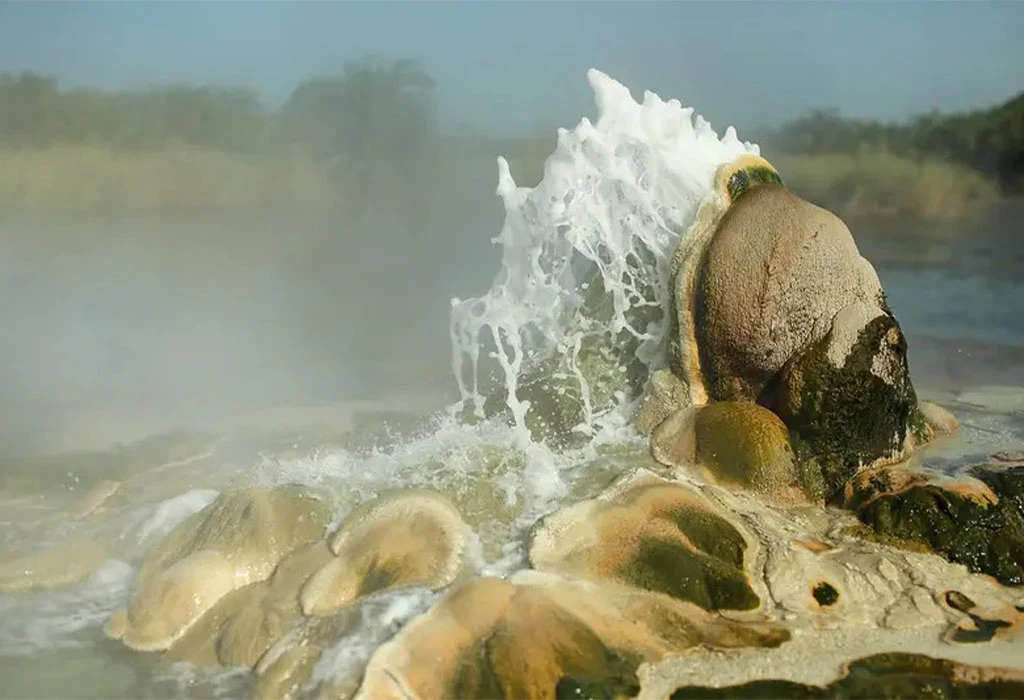
One of the most unforgettable moments in Semuliki comes at the Sempaya Hot Springs. As you approach, you first notice the rising steam, followed by the sound of bubbling water. Then, suddenly, you see it boiling water bursting from the earth.
The site features two springs: the female spring, Nyasimbi, and the male spring, Bintente. Both carry deep cultural meaning for the surrounding communities. What makes the experience even more engaging is the simple demonstration that often follows. Guides carefully place eggs or plantains into the hot water, and within minutes, they are fully cooked. It feels almost surreal to watch.
At the same time, the springs hold spiritual significance. For generations, local communities have used them for rituals and healing practices. Because of this, visiting the springs goes beyond sightseeing; it offers a meaningful connection to local beliefs and traditions.
Wildlife Encounters in a Hidden World
Unlike Uganda’s other parks, Semuliki rewards patience rather than speed. Wildlife encounters here feel quieter and more personal. You may not see large herds, but each sighting feels special.
Chimpanzee tracking, for example, offers a chance to follow these intelligent primates through dense forest trails. Along the way, you may also encounter red-tailed monkeys swinging overhead or colobus monkeys resting high in the trees. Meanwhile, the possibility of spotting a rare pygmy hippo or a hidden leopard adds a sense of mystery to every excursion.
Meeting the Batwa: A Living Cultural Connection
No visit to Semuliki feels complete without spending time with the Batwa people. As one of the oldest indigenous communities in the region, they have lived in close connection with the forest for generations.
During a visit, they share stories, demonstrate traditional hunting techniques, and introduce you to medicinal plants found within the forest. Their dances and songs bring the experience to life, but what stays with you most is their deep understanding of nature.
Rather than feeling like a performance, the encounter offers a genuine exchange, one that helps you see the forest through a different lens.
Things to Experience in the Park
Exploring Semuliki involves slowing down and engaging with the environment. Guided walks lead you along forest trails where every sound and movement matters. Birdwatching excursions reveal species you might otherwise overlook, while primate tracking adds excitement and unpredictability to your day.
Game drives also take place, particularly in the savannah sections, although the experience remains more subtle compared to other parks. Meanwhile, cultural visits provide a meaningful balance to wildlife viewing, allowing you to connect with the human stories tied to this landscape.
When to Visit Semuliki
Timing can shape your experience in Semuliki. The dry seasons from December to February and June to August offer easier hiking conditions and clearer wildlife viewing opportunities. Trails remain more accessible, and movement through the forest becomes less challenging.
However, the rainy season brings its own charm. The forest grows richer and greener, and the atmosphere feels calm and immersive. If you do not mind occasional rain, this period can feel even more magical.
Where to Stay
Accommodation options around Semuliki range from simple campsites to comfortable lodges. Most provide a peaceful setting that blends well with the surrounding environment. After a day of exploration, returning to a quiet space with views of the forest or nearby landscapes adds to the overall experience.
Why Semuliki Stays With You
Semuliki National Park does not try to impress with grand spectacles. Instead, it draws you in slowly. The ancient forest, the quiet presence of wildlife, the power of the hot springs, and the wisdom of the Batwa people all combine to create something deeper.
By the time you leave, you realise that Semuliki is not just a place you visit, it is a place you feel. And long after the journey ends, that feeling tends to stay with you.