Prime Birding Locations Within Bwindi
April 13, 2026
Why Choose Uganda for a Wildlife Safari?
April 13, 2026
Safari activities during the rainy season reveal a side of East Africa that many travelers overlook. While most visitors time their trips for the dry months, the wet season quietly delivers its own rewards. The landscape shifts into a lush, green paradise, wildlife adapts in fascinating ways, and fewer crowds allow for more personal, immersive encounters. As a result, this season blends wildlife viewing with deeper cultural connections, creating a safari experience that feels both authentic and refreshing.
Bird Watching: A Birder’s Paradise
During the rainy season, bird watching reaches its peak across East Africa’s diverse ecosystems. This is the breeding season for many resident species, and the environment comes alive with color, sound, and movement. Birds become more active and vocal as they build nests, defend territories, and perform elaborate courtship displays. Consequently, even casual observers find themselves drawn into the rhythm of the wild.
At the same time, migratory birds arrive from Europe, adding richness to an already impressive list of species. Wetlands, forests, and savannahs turn into thriving birding hotspots, hosting everything from tiny, shimmering sunbirds to powerful birds of prey. Because insect life flourishes during the rains, food becomes abundant, keeping birds active throughout the day rather than retreating from the midday heat.
Moreover, the Albertine Rift’s endemic species become especially noticeable during this period. For dedicated birders, this presents a rare opportunity to spot species found nowhere else on Earth. Altogether, the combination of resident, migratory, and endemic birds creates an unmatched birding experience.
Primate Trekking: Intimate Encounters in the Forest
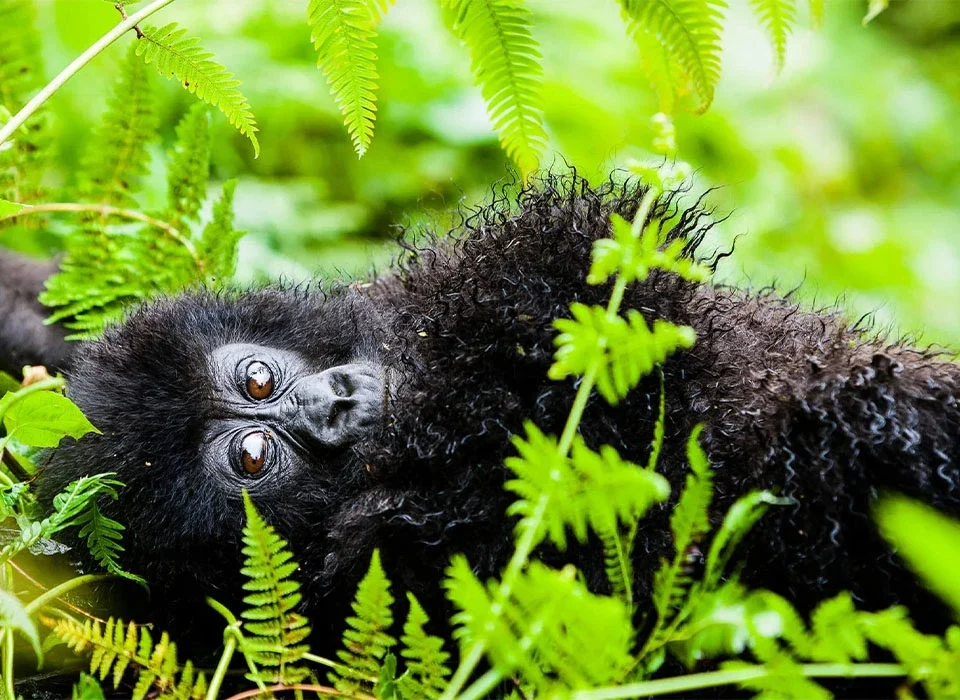
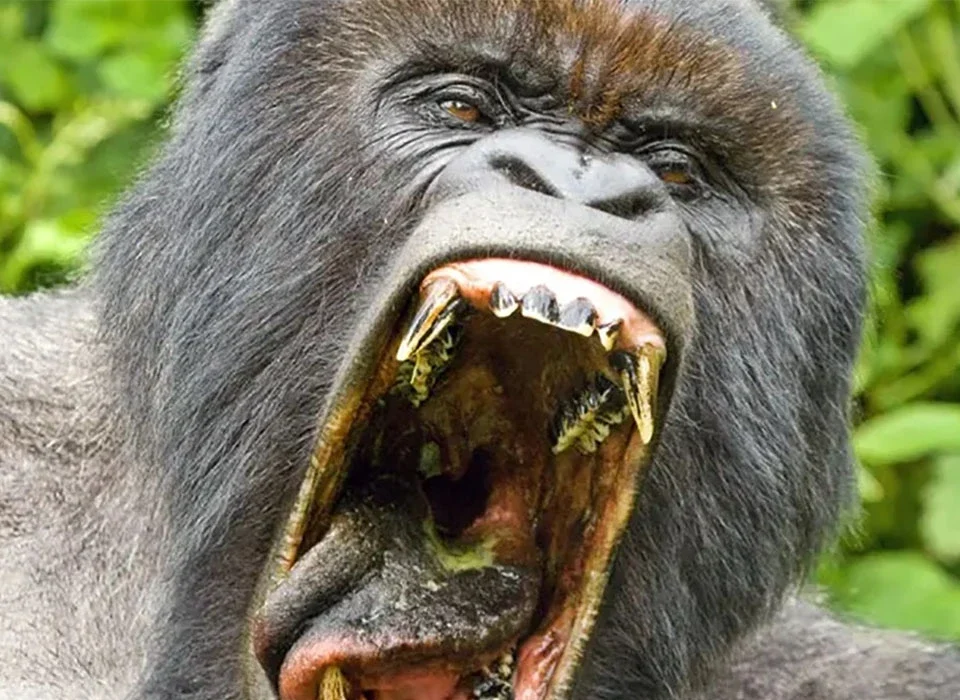
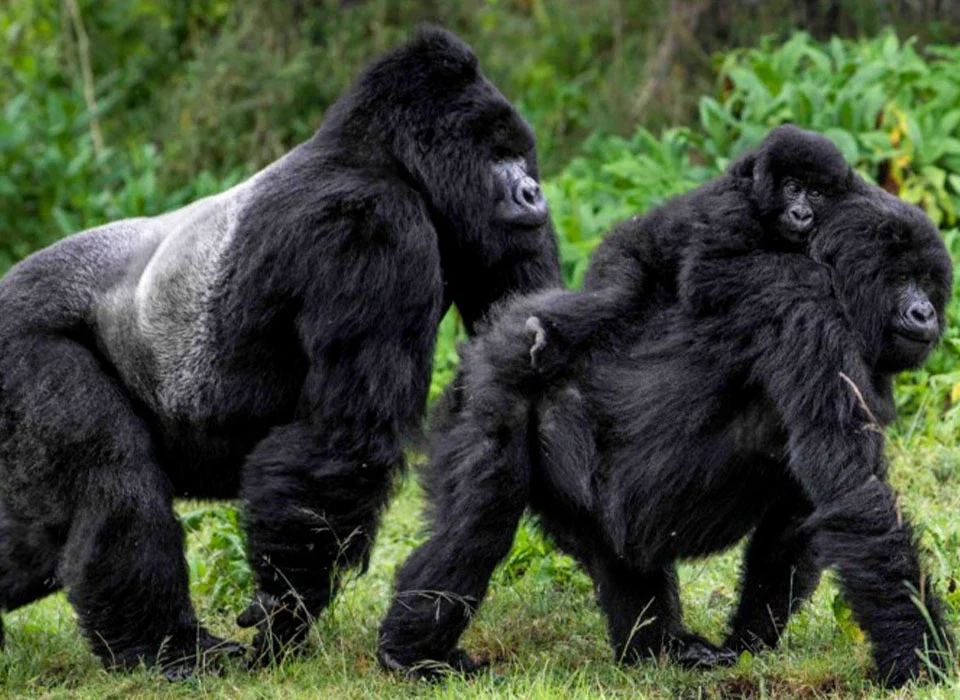
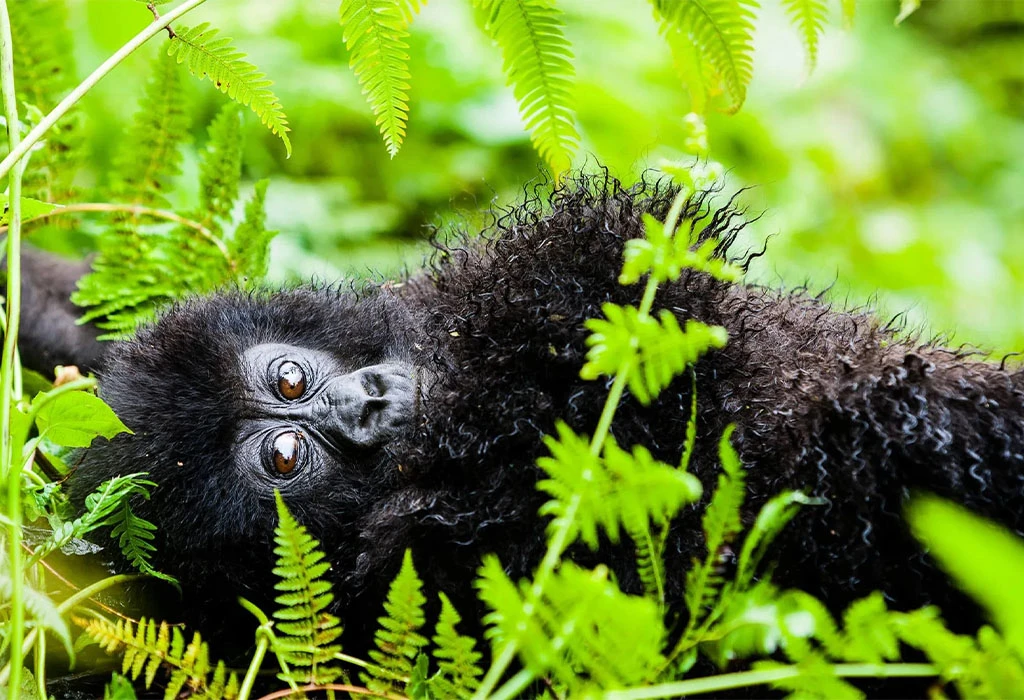
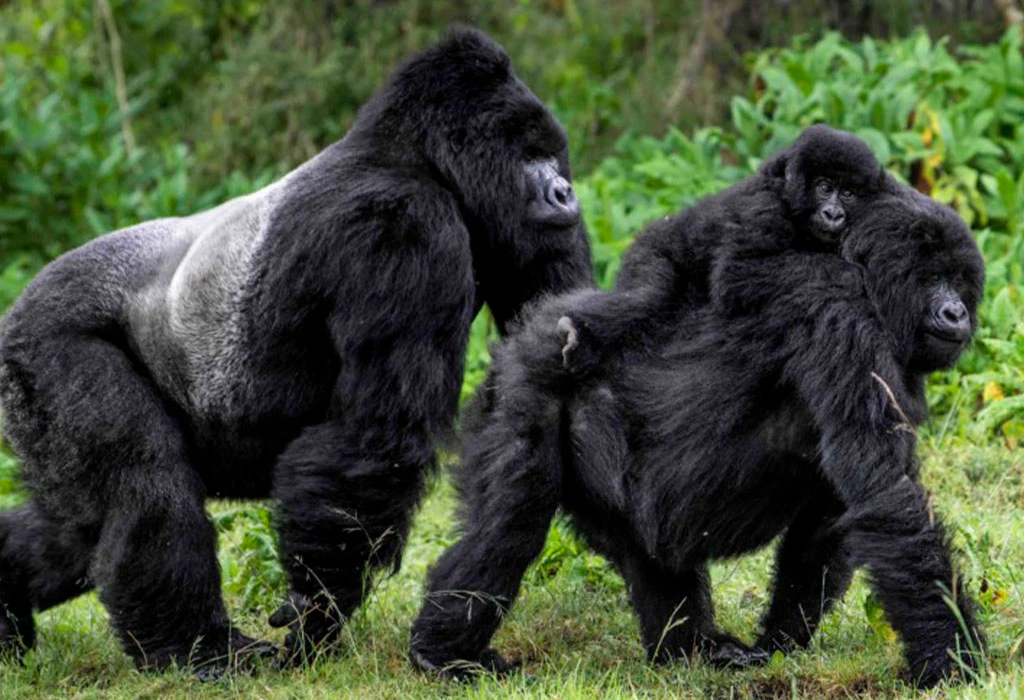
As the rains settle into the forests, primate trekking becomes more predictable and, in many ways, more rewarding. In Uganda’s Bwindi Impenetrable National Park, for instance, mountain gorillas adjust their movements in response to the weather. Instead of roaming widely, they remain in more sheltered areas. This shift often shortens trekking time, making encounters easier to achieve and less physically demanding.
Because of this, visitors spend less time navigating dense terrain and more time observing these remarkable animals up close. The forest itself becomes more vibrant, providing a dramatic, green backdrop that enhances photography and overall experience.
Similarly, chimpanzee trekking in Kibale Forest National Park benefits from these seasonal patterns. Chimpanzees tend to stay within specific areas during periods of rainfall, making them easier to locate. Meanwhile, the forest soundscape filled with raindrops, bird calls, and primate vocalizations adds depth to every trek.
Equally important, the lower number of visitors during the rainy season means smaller trekking groups. This allows guides to offer more personalized insights into primate behavior, forest ecology, and ongoing conservation efforts, enriching the entire experience.
Game Drives: Lush Landscapes and Strategic Wildlife Viewing
Game drives during the rainy season offer a strikingly different perspective of East Africa’s iconic savannahs. Golden plains transform into rich, green expanses, while dramatic skies create stunning contrasts that are perfect for photography. Every drive feels dynamic, shaped by shifting weather and vibrant scenery.
At the same time, wildlife behavior becomes more predictable. Herbivores such as zebras, gazelles, impalas, and wildebeest gather around reliable water sources, including rivers and seasonal streams. This concentration naturally attracts predators, increasing the chances of witnessing compelling wildlife interactions.
In addition, many species give birth during this period. Watching young animals take their first steps adds a sense of renewal and excitement to each safari. The abundance of fresh vegetation also improves animal health, making them appear more energetic and visually striking.
Cultural Experiences and Low-Season Advantages
Beyond wildlife, the rainy season opens the door to more meaningful cultural experiences. With fewer tourists, communities have more time to engage with visitors. This creates space for genuine interactions, whether through traditional dances, storytelling, or craft-making demonstrations.
Furthermore, agricultural life becomes more visible during the rains. Visitors can observe planting and growing activities, gaining insight into how local communities live in harmony with nature. These experiences deepen understanding of the connection between people, wildlife, and conservation.
From a practical perspective, the low season brings clear advantages. Accommodation rates are often lower, activity groups are smaller, and certain permits may be more accessible. As a result, travelers enjoy a quieter, more relaxed safari without sacrificing quality.
A Different Kind of Safari Experience
Ultimately, a rainy season safari offers more than just an alternative it presents a richer, more intimate way to experience East Africa. The combination of vibrant landscapes, active wildlife, and authentic cultural encounters creates a journey that feels both personal and unforgettable.
With Experiya Tour Company, travelers can embrace this unique season and discover that, sometimes, the best adventures happen when fewer people are looking.