
Giraffes in Murchison Falls National Park
July 17, 2026
Why Bwindi Is Among the Most Beautiful Places in the World
July 17, 2026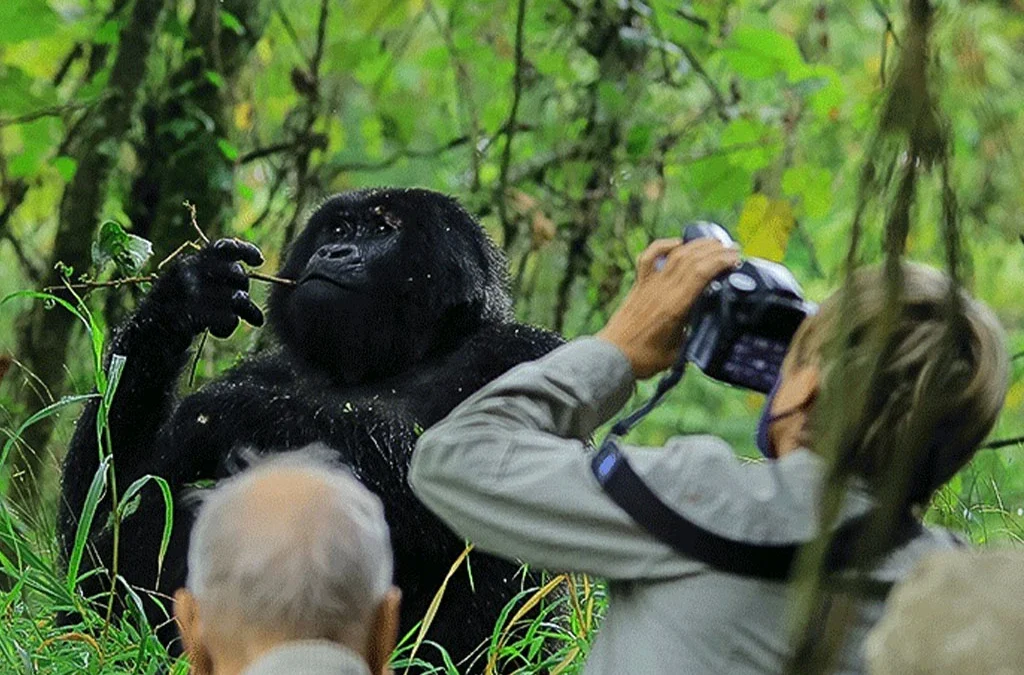
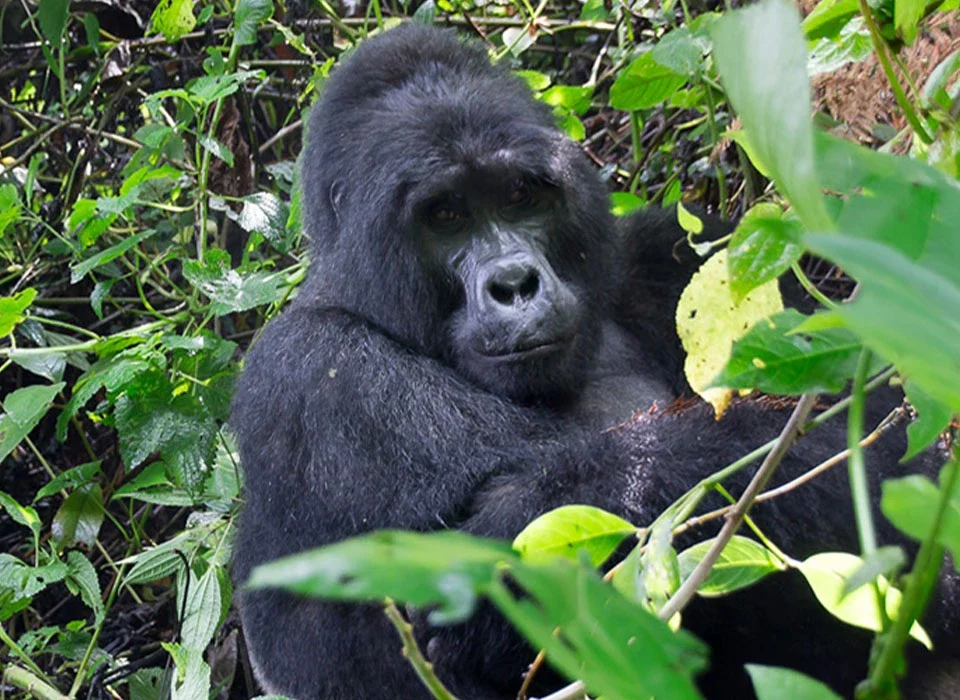
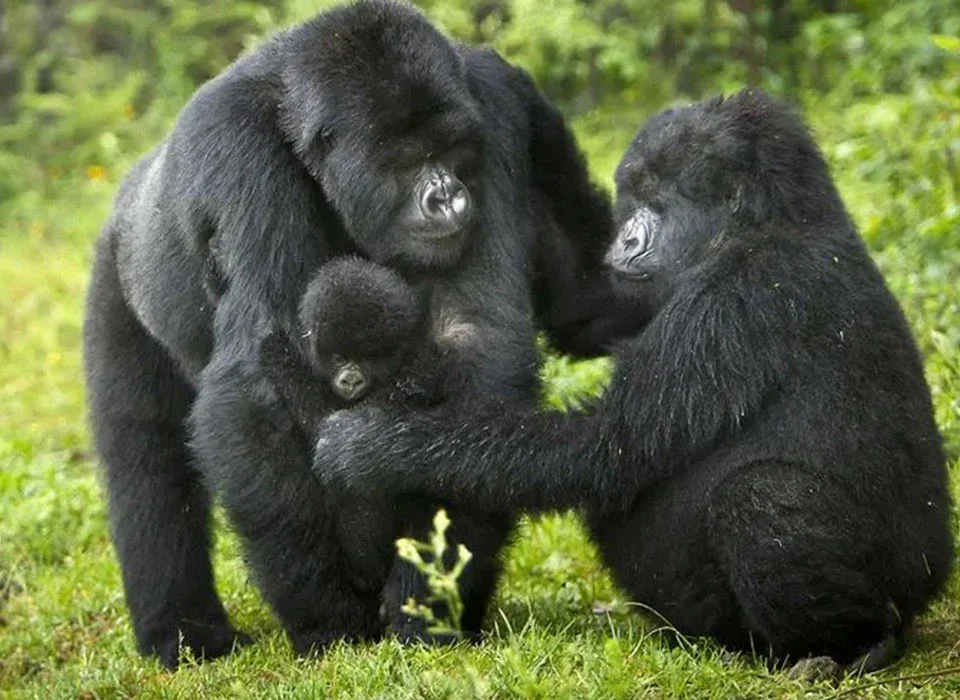
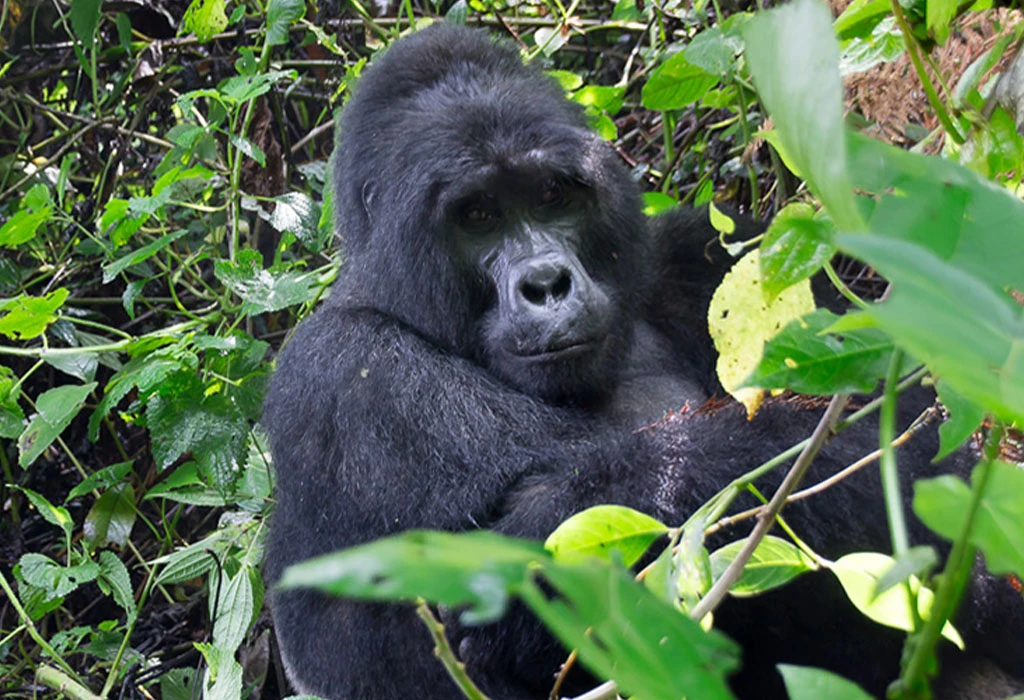
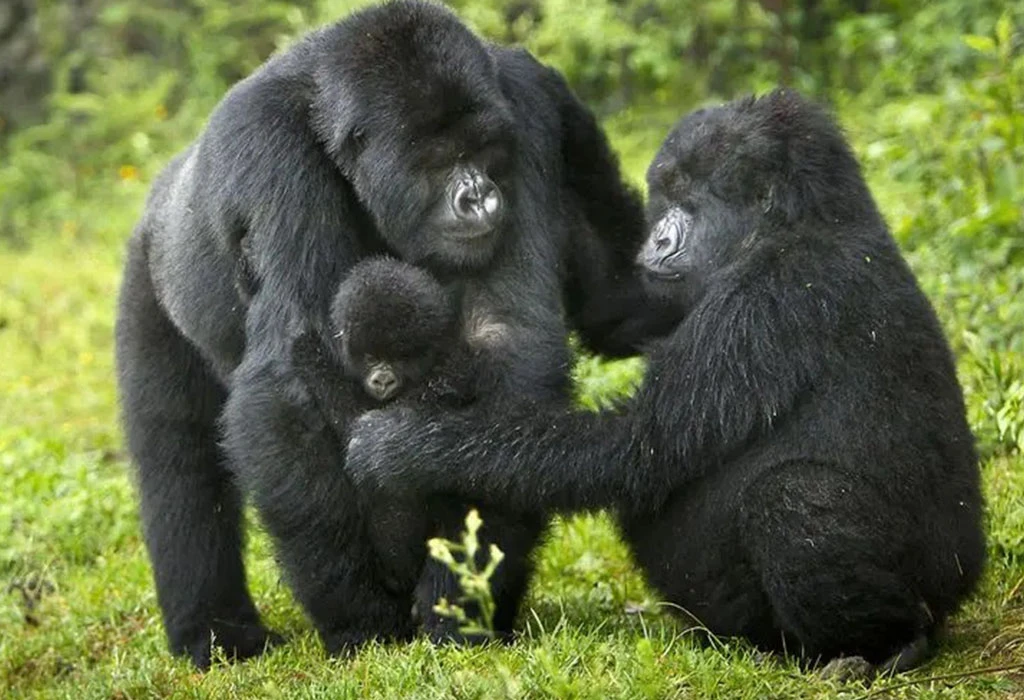
One of the most common questions travelers ask before embarking on a gorilla trekking adventure is, Can I take photographs during gorilla trekking? The answer is yes. In fact, photographing mountain gorillas in their natural habitat is one of the most rewarding wildlife photography experiences in the world. Watching a silverback protect its family, seeing playful young gorillas tumble through the forest, or capturing the gentle expression of a mother with her infant creates memories that last a lifetime.
However, photography during gorilla trekking comes with important responsibilities. Mountain gorillas are critically important to conservation efforts, and every visitor must follow strict guidelines that protect their health, safety, and natural behavior. By understanding these rules before your trek, you can enjoy an unforgettable photography experience while contributing to the long-term conservation of these remarkable primates.
At Experiya Tour Company, we prepare every traveler for a safe, ethical, and memorable gorilla trekking experience in both Uganda and Rwanda.
Is Photography Allowed During Gorilla Trekking?
Yes, photography is permitted during gorilla trekking in both Uganda and Rwanda. Once your guide leads you to a habituated gorilla family, you will have one hour to observe and photograph the animals in their natural environment.
Before entering the forest, park rangers conduct a detailed briefing that explains how visitors should behave around the gorillas. During this orientation, they also discuss photography rules to ensure your presence does not disturb the animals.
The most important rule is simple: never use flash photography. A sudden burst of light can startle gorillas and may interrupt their natural behavior. Instead, photographers should rely on natural light and adjust their camera settings accordingly.
Visitors should also maintain the recommended viewing distance of about seven meters whenever possible. This distance protects both humans and gorillas while allowing excellent photographic opportunities.
Whether you carry a professional DSLR, a mirrorless camera, a compact camera, or even a smartphone with a quality camera, you can still capture incredible images if you follow your guide’s instructions and respect the wildlife.
Why Gorilla Photography Is So Special
Few wildlife experiences compare to photographing mountain gorillas in their natural habitat. Unlike animals seen from safari vehicles, gorillas live deep inside tropical forests, where visitors observe them at eye level.
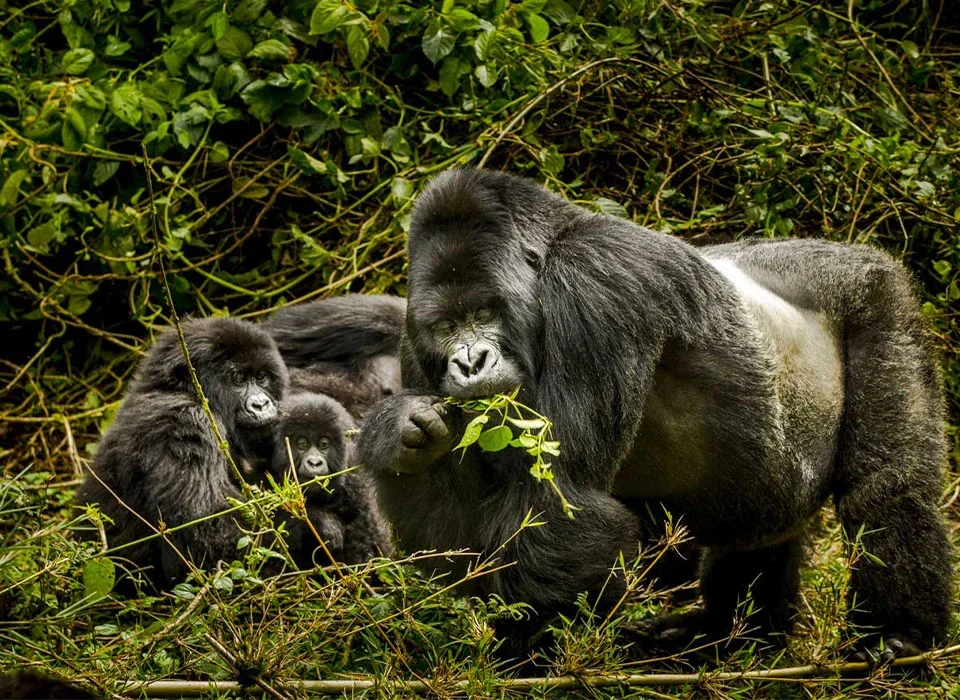
As you quietly watch a gorilla family, you may witness a silverback calmly monitoring his group, juveniles playing among the vegetation, or mothers carefully caring for their infants. These intimate moments create authentic photographs that tell powerful conservation stories.
Moreover, the lush rainforest provides a spectacular natural backdrop. Thick vegetation, towering trees, filtered sunlight, and morning mist combine to create dramatic compositions that photographers rarely find elsewhere.
For many travelers, gorilla trekking becomes the highlight of their African safari because the experience feels personal, emotional, and deeply connected to nature.
Photographing Gorillas in Bwindi Impenetrable National Park
Why Bwindi Is a Photographer’s Paradise
Located in southwestern Uganda, Bwindi Impenetrable National Park is one of Africa’s most celebrated wildlife destinations. The park protects nearly half of the world’s remaining mountain gorilla population and forms part of a UNESCO World Heritage Site.
Because of its incredible biodiversity, Bwindi attracts wildlife photographers, conservationists, birdwatchers, and nature lovers from across the globe.
The rainforest itself offers exceptional photographic opportunities. Dense vegetation, ancient trees, moss-covered branches, and drifting mist create beautiful natural scenery that complements every gorilla encounter.
Although the forest canopy sometimes limits available light, modern cameras perform remarkably well under these conditions. With the right settings, photographers can capture sharp, vibrant images without disturbing the animals.
What to Expect During the Trek
Most international visitors begin their Uganda safari by arriving at Entebbe International Airport before traveling by road or domestic flight to Bwindi.
On trekking day, experienced rangers and trackers guide small groups through the forest in search of a habituated gorilla family. Every trek differs because gorillas move freely throughout their territory. Some groups are found within an hour, while others require several hours of hiking.
Once the gorillas are located, visitors spend one unforgettable hour observing and photographing them.
During this time, photographers often capture remarkable moments, including:
- Young gorillas climbing trees.
- Silverbacks displaying their impressive strength
- Mothers nursing infants
- Family members grooming each other.
- Gorillas feeding peacefully on leaves and shoots
These natural behaviors produce extraordinary wildlife photographs while providing a deeper appreciation for gorilla family life.
Gorilla Permit Costs and the Best Time to Visit
Uganda currently charges USD 800 for a standard gorilla trekking permit. This permit allows visitors to spend one hour with a habituated gorilla family under the supervision of Uganda Wildlife Authority rangers.
Many travelers also combine gorilla trekking with birdwatching, nature walks, game drives, and cultural experiences in nearby communities, making Uganda one of Africa’s most diverse safari destinations.
The best months for photography are during the dry seasons from June to September and December to February. During these periods, forest trails remain less slippery, making hiking easier and camera equipment easier to protect.
Nevertheless, Bwindi offers rewarding photography throughout the year. The rainy seasons often produce richer forest colors, dramatic mist, and softer natural lighting that many photographers appreciate.
Photographing Gorillas in Volcanoes National Park, Rwanda
A Different Landscape for Stunning Images
Across the border, Volcanoes National Park in Rwanda offers another world-class gorilla trekking destination.
Unlike Bwindi’s dense rainforest, Volcanoes National Park features bamboo forests, open vegetation, volcanic slopes, and spectacular mountain scenery. As a result, photographers often enjoy clearer views and more natural light, creating outstanding wildlife images.
Every gorilla family inhabits slightly different terrain, which means no two trekking experiences are exactly alike.
The combination of dramatic volcanic landscapes and endangered mountain gorillas makes Rwanda one of Africa’s finest wildlife photography destinations.
Reaching Volcanoes National Park
Most visitors begin their Rwanda safari in Kigali before driving approximately two to three hours to Kinigi, the park’s main headquarters.
The scenic journey passes through Rwanda’s famous rolling hills, picturesque villages, and cultivated farmland before reaching the foothills of the Virunga Mountains.
After an early morning briefing, professional trackers head into the forest ahead of visitors to locate the gorilla families. Guides then lead trekking groups along carefully selected routes to minimize environmental impact while maximizing visitor safety.
Because sections of the park contain more open vegetation than Bwindi, photographers often enjoy better visibility when photographing gorillas.
Gorilla Permit Costs in Rwanda
Rwanda currently charges USD 1,500 for a gorilla trekking permit. Although the permit costs more than Uganda’s, many travelers appreciate Rwanda’s shorter transfer times from Kigali and well-developed tourism infrastructure.
Many visitors also combine Rwanda and Uganda into one safari, allowing them to experience different landscapes, gorilla families, and cultural attractions during a single East African adventure.
Camera Tips for Gorilla Trekking
Preparing your equipment before entering the forest will greatly improve your photography experience.
Since flash photography is prohibited, choose camera settings that perform well in low-light conditions. Increasing the ISO, using a wider aperture, and selecting a fast lens can help produce sharp images beneath the rainforest canopy.
A zoom lens between 70mm and 200mm works particularly well because it allows close-up photographs while maintaining the required viewing distance.
If you plan to use a smartphone, ensure it has enough battery power and storage space before the trek begins. Carrying a waterproof bag also helps protect your equipment from sudden rain showers, which are common in tropical forests.
Most importantly, remember that no photograph is worth disturbing the gorillas. Sometimes lowering the camera and simply observing these magnificent animals creates the most meaningful memories of all.
Responsible Photography Supports Gorilla Conservation
Photography should never interfere with wildlife conservation.
Mountain gorillas remain endangered, and every tourism rule exists to protect their future. Following your guide’s instructions, maintaining the recommended distance, speaking quietly, and avoiding sudden movements all help reduce stress on the gorillas.
Responsible tourism also supports local communities and conservation programs through gorilla permit fees. These funds contribute directly to habitat protection, veterinary care, ranger patrols, research, and community development projects surrounding the national parks.
Every respectful photograph taken during your trek becomes more than just a travel memory—it also represents a shared commitment to protecting one of the world’s rarest wildlife species.
Plan Your Gorilla Photography Safari with Experiya Tour Company
A successful gorilla photography safari requires careful planning, experienced guides, and a strong commitment to responsible tourism. Experiya Tour Company specializes in unforgettable gorilla trekking adventures in Uganda and Rwanda, helping travelers experience these extraordinary primates while respecting their natural environment.
Our experienced safari consultants assist with gorilla permit reservations, accommodation selection, transportation, and customized itineraries that combine gorilla trekking with wildlife safaris, birdwatching, cultural experiences, chimpanzee tracking, and scenic nature tours.
Whether you choose the ancient rainforest of Bwindi Impenetrable National Park or the breathtaking volcanic landscapes of Volcanoes National Park, we ensure every detail of your journey is professionally organized.
If you have ever dreamed of photographing mountain gorillas in the wild, there has never been a better time to visit East Africa. Let Experiya Tour Company help you turn that dream into an unforgettable safari filled with breathtaking encounters, spectacular photographs, and memories that will last a lifetime.