Four-Hour Gorilla Habituation Experience in Uganda
July 21, 2026
Canopy Safaris Experience in Nyungwe Forest
July 21, 2026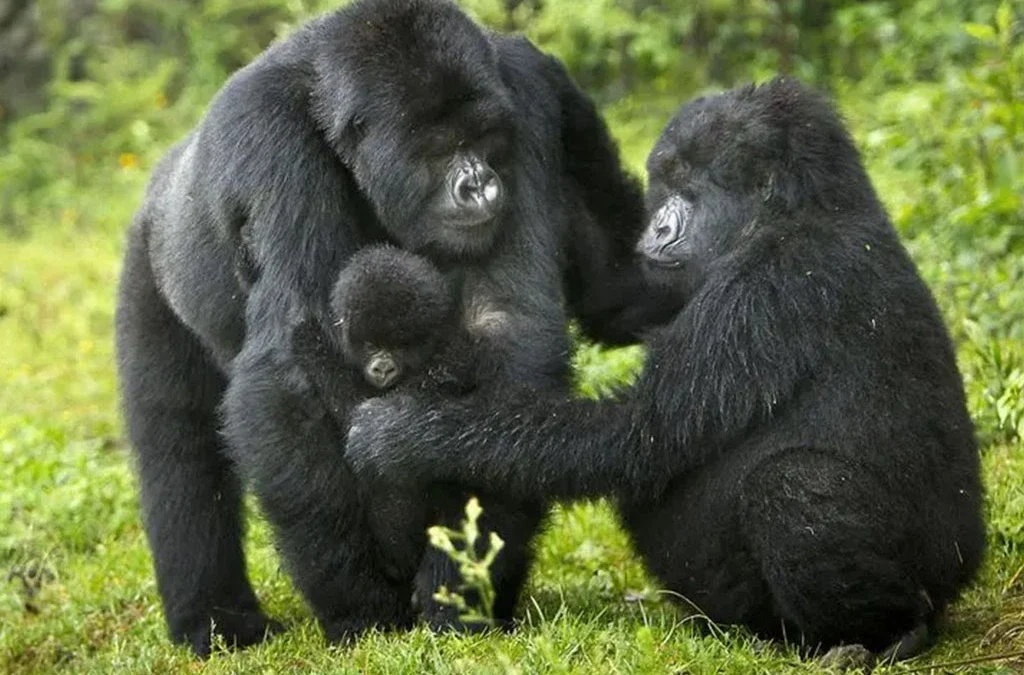
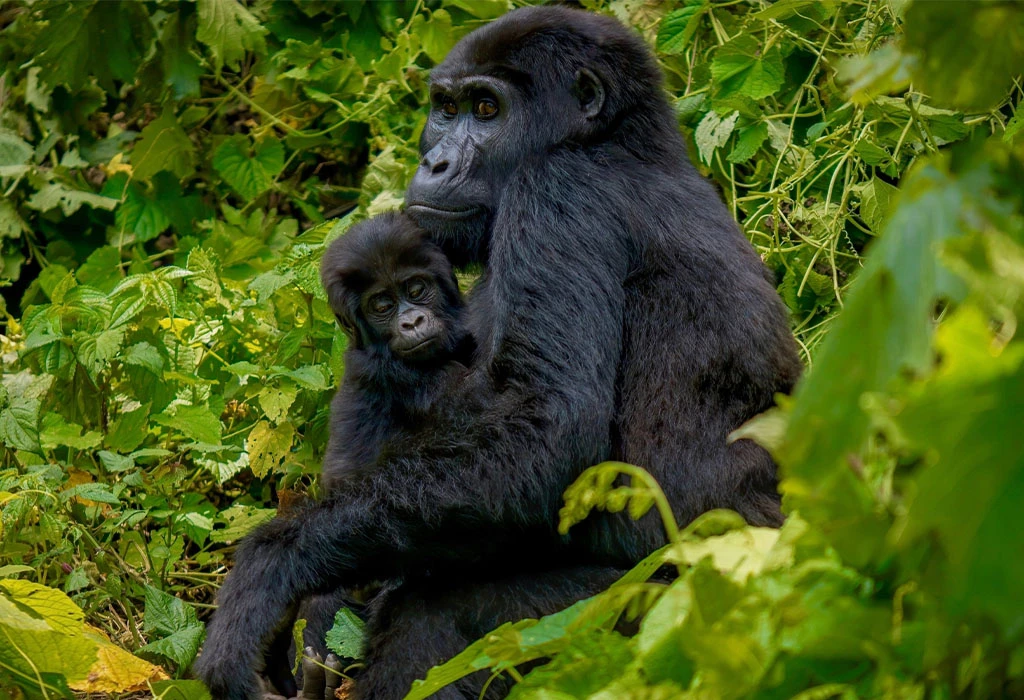
Gorilla trekking in Uganda is one of the world’s most extraordinary wildlife experiences. Deep within the ancient rainforests of Bwindi Impenetrable National Park and Mgahinga Gorilla National Park, visitors have the rare opportunity to come face to face with endangered mountain gorillas in their natural habitat. With fewer than 1,100 mountain gorillas remaining in the wild, every encounter is both deeply personal and incredibly meaningful.
If you are planning your first gorilla safari, you probably have many questions. You may wonder where to see the gorillas, how challenging the trek is, what to pack, when to travel, or how permits work. Understanding these details before your journey helps you prepare with confidence and enjoy every moment of the experience.
This guide by Experiya Tour Company answers the most common questions travelers ask about gorilla safaris in Uganda while providing practical advice to help you plan an unforgettable adventure.
Where Can You See Mountain Gorillas in Uganda?
Uganda offers two exceptional destinations for mountain gorilla trekking: Bwindi Impenetrable National Park and Mgahinga Gorilla National Park, both located in the country’s scenic southwestern region.
Bwindi Impenetrable National Park is Uganda’s premier gorilla trekking destination and a UNESCO World Heritage Site. The park protects nearly half of the world’s remaining mountain gorilla population and is home to more than twenty habituated gorilla families available for tourism. Bwindi is divided into four trekking sectors—Buhoma, Ruhija, Rushaga, and Nkuringo. Each sector provides unique landscapes, varying hiking conditions, and accommodation options ranging from budget lodges to luxury forest retreats.
Meanwhile, Mgahinga Gorilla National Park offers a quieter and more intimate trekking experience. Situated within the Virunga Volcanoes, the park is home to the famous Nyakagezi Gorilla Family, known for its playful behavior and breathtaking volcanic surroundings. Travelers seeking fewer crowds often appreciate the peaceful atmosphere of Mgahinga.
How Much Does Gorilla Trekking Cost?
A gorilla trekking permit is required before entering either national park. As of 2025, the Uganda Wildlife Authority charges USD 800 for foreign non-residents, USD 700 for foreign residents, and UGX 300,000 for East African citizens. The permit allows visitors to spend one unforgettable hour observing a fully habituated gorilla family.
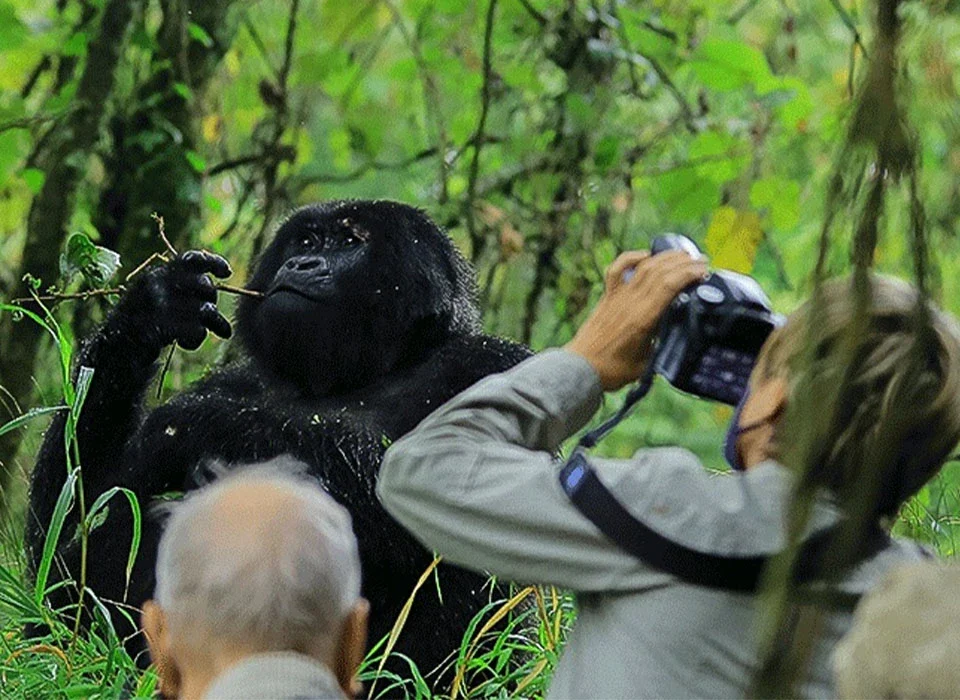
For those seeking a deeper conservation experience, Uganda also offers the Gorilla Habituation Experience in selected sectors of Bwindi. This unique activity allows visitors to spend up to four hours with a semi-habituated gorilla family while accompanying researchers and rangers during the habituation process. The permit for this exclusive experience costs USD 1,500 per person.
Because permits are limited and demand remains high throughout the year, booking several months in advance is highly recommended. Experiya Tour Company assists travelers with permit reservations, accommodation, transportation, and complete safari planning to ensure a smooth and stress-free experience.
When Is the Best Time to Visit?
Uganda welcomes gorilla trekkers throughout the year. However, many visitors prefer the dry seasons, which run from June to September and December to February. During these months, forest trails are generally easier to navigate, making hiking more comfortable while also providing excellent photography conditions.
On the other hand, the rainy seasons from March to May and October to November transform the forests into lush green landscapes. Although trekking becomes slightly more challenging because of muddy trails, travelers often enjoy fewer crowds and attractive accommodation discounts.
Regardless of the season, every gorilla trek offers a remarkable experience. The mist-covered rainforest creates a magical atmosphere that makes every encounter feel truly unforgettable.
How Difficult Is Gorilla Trekking?
Many first-time visitors worry about the physical demands of gorilla trekking. Fortunately, most travelers with a reasonable level of fitness complete the trek successfully.
Depending on the location of the gorilla family, the hike may last anywhere from thirty minutes to six hours or more. Expect steep slopes, uneven forest trails, thick vegetation, and changing weather conditions. Nevertheless, experienced Uganda Wildlife Authority guides carefully match trekking groups according to fitness levels whenever possible.
In addition, local porters are available to carry backpacks and provide support on difficult sections of the trail. Hiring a porter not only makes the hike easier but also supports local families and conservation initiatives.
What Should You Pack?
Packing appropriately contributes significantly to a comfortable trekking experience. Waterproof hiking boots provide excellent grip on slippery trails, while long trousers and long-sleeved shirts protect against insects and thorny vegetation. A lightweight rain jacket is equally important because rainforest showers can occur at any time.
Many trekkers also carry gardening gloves for holding branches during steep climbs, a reusable water bottle to stay hydrated, insect repellent, sunscreen, energy snacks, and a comfortable daypack. Finally, don’t forget your camera with extra batteries and memory cards, as flash photography is not permitted.
Before every safari, Experiya Tour Company provides clients with a comprehensive packing guide based on the travel season and chosen destination.
How Close Will You Get to the Gorillas?
For conservation purposes, visitors must maintain a minimum distance of seven meters from the gorillas. This guideline helps reduce the risk of disease transmission while ensuring the animals remain comfortable around visitors.
Occasionally, curious young gorillas may move closer to guests. When this happens, guides instruct everyone to remain calm, avoid sudden movements, and allow the gorillas to move freely. These carefully managed interactions create unforgettable memories while protecting the welfare of the animals.
Is Gorilla Trekking Safe?
Yes. Gorilla trekking ranks among the safest wildlife activities in Africa. Every trek takes place under the supervision of experienced Uganda Wildlife Authority rangers, trackers, and armed security personnel.
The gorilla families visited by tourists have undergone years of habituation, allowing them to tolerate human presence without altering their natural behavior. As long as visitors follow the ranger’s instructions and respect park regulations, the experience remains both safe and rewarding.
Can You Trek If You Are Sick?
Protecting mountain gorillas remains a top conservation priority. Since gorillas share more than 98 percent of human DNA, they are highly vulnerable to many human illnesses.
Anyone experiencing symptoms such as flu, cough, fever, or respiratory infections should not participate in the trek. If you become ill before your scheduled visit, notify your tour operator immediately. Depending on Uganda Wildlife Authority policies and individual circumstances, alternative arrangements may be possible.
How Many People Visit Each Gorilla Family?
To minimize disturbance, only eight visitors may trek each habituated gorilla family each day. This small group size creates a more personal experience while reducing pressure on the gorillas and their habitat.
The Gorilla Habituation Experience is even more exclusive, allowing only four visitors to accompany researchers during each session.
What Happens on Trekking Day?
Your adventure begins early in the morning with registration and a briefing at the park headquarters. During the briefing, rangers explain safety rules, trekking procedures, and gorilla behavior before assigning visitors to specific gorilla families.
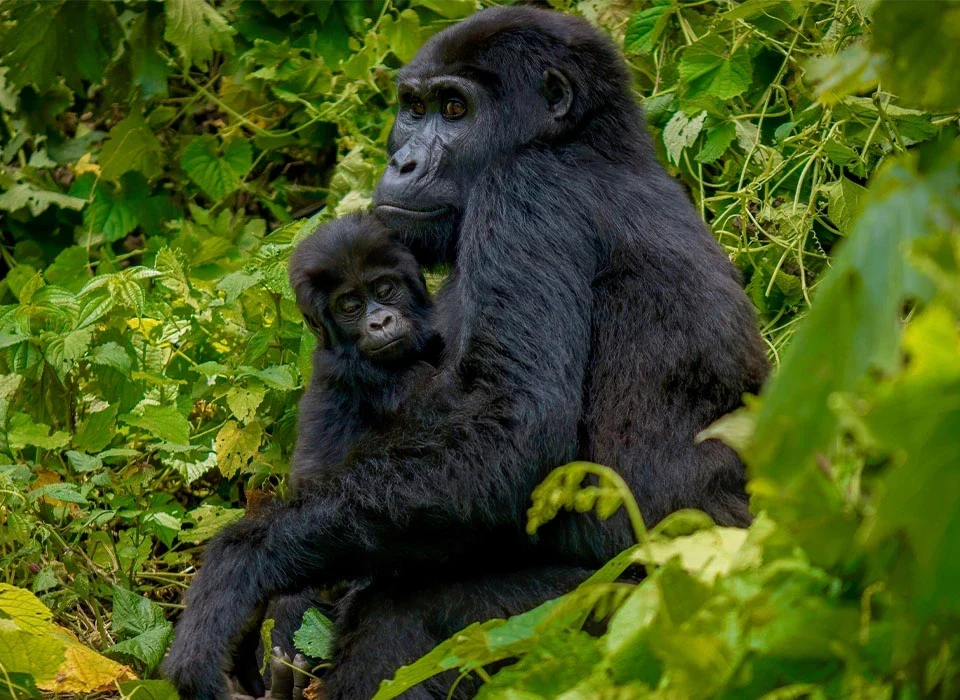
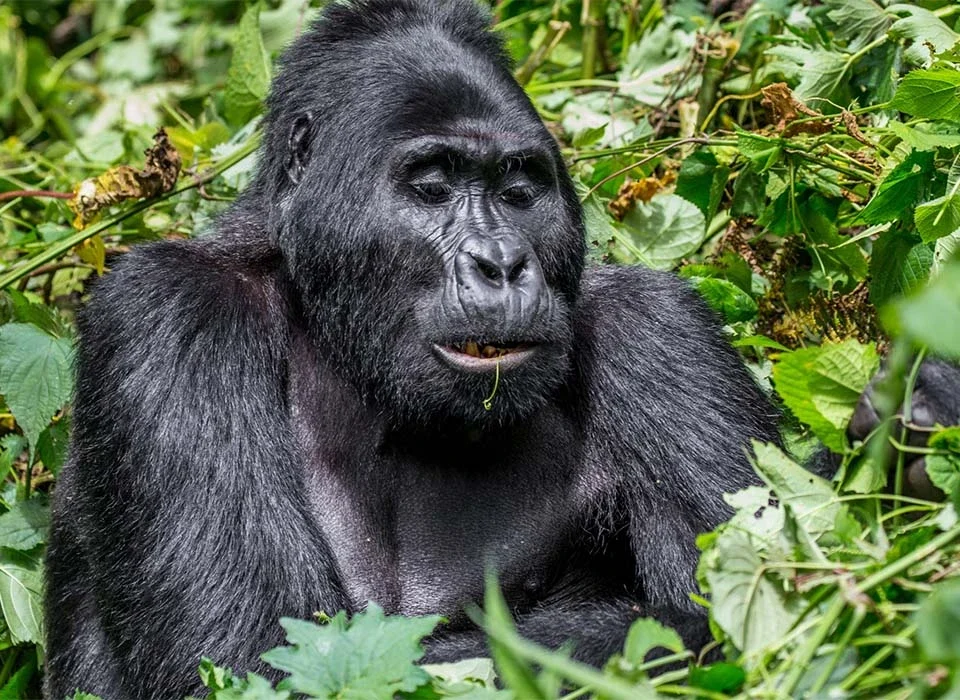
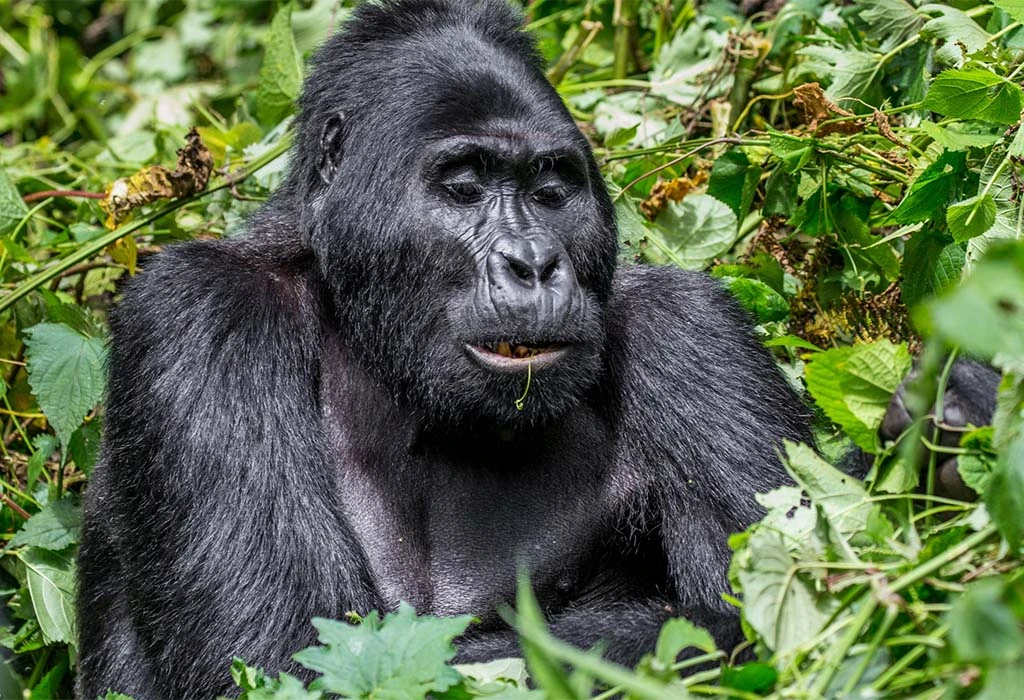
After entering the forest, experienced trackers lead the way through dense vegetation, streams, and mountain trails. Once the gorillas are located, visitors spend one remarkable hour quietly observing their daily lives. Watching a silverback protect his family or seeing playful infants interact with one another creates memories that remain unforgettable long after the safari ends.
Upon completing the trek, visitors receive an official gorilla trekking certificate before returning to their lodge for relaxation.
Can You Take Photos?
Photography and videography are welcome throughout the encounter. However, flash photography is strictly prohibited because it may disturb the gorillas.
A weather-protected camera with a medium telephoto lens performs well in the rainforest environment. Nevertheless, remember to spend time simply appreciating the experience rather than viewing everything through a camera lens.
What Other Experiences Can You Combine with Gorilla Trekking?
A gorilla safari easily combines with many other unforgettable adventures across Uganda. Travelers often add chimpanzee tracking in Kibale Forest, game drives in Queen Elizabeth National Park or Murchison Falls National Park, cultural visits with the Batwa community, birdwatching excursions, boat cruises, or relaxing stays at the beautiful Lake Bunyonyi.
These experiences allow visitors to discover Uganda’s remarkable diversity while creating a well-rounded safari itinerary.
Why Is Gorilla Tourism Important?
Gorilla trekking plays a vital role in conservation. Revenue generated from permit sales directly supports wildlife protection, anti-poaching patrols, habitat management, scientific research, and community development projects surrounding the national parks.
As responsible tourism continues to grow, local communities increasingly benefit from employment opportunities, education, healthcare, and infrastructure improvements. Consequently, tourism has become one of the strongest incentives for protecting mountain gorillas and their rainforest home.
Why Choose Uganda for Your Gorilla Safari?
Uganda offers an exceptional balance of affordability, biodiversity, and authentic safari experiences. Compared to neighboring destinations, visitors enjoy access to numerous gorilla families, diverse landscapes, rich cultural encounters, and opportunities to combine gorilla trekking with classic wildlife safaris, chimpanzee tracking, and scenic lake adventures.
Whether you choose the misty forests of Bwindi or the volcanic slopes of Mgahinga, every trek delivers a powerful connection with nature that few experiences can match.
At Experiya Tour Company, we believe every gorilla safari should be seamless from beginning to end. Our experienced team manages your gorilla permits, transportation, accommodation, and personalized itinerary while ensuring every journey supports responsible tourism and local conservation efforts.
Your encounter with Uganda’s mountain gorillas will be more than a safari. It will become a lifelong memory and a reminder of the extraordinary beauty that still exists in the natural world.