How to Plan a Family Safari in Uganda
July 28, 2026
Why Travel with Experiya Tour Company
July 29, 2026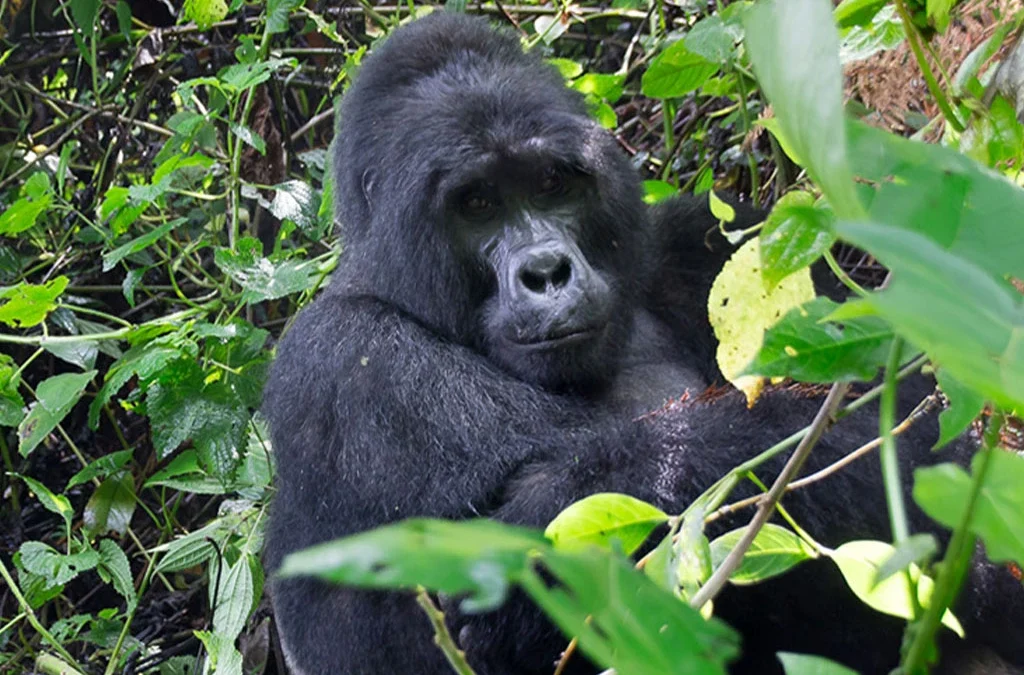
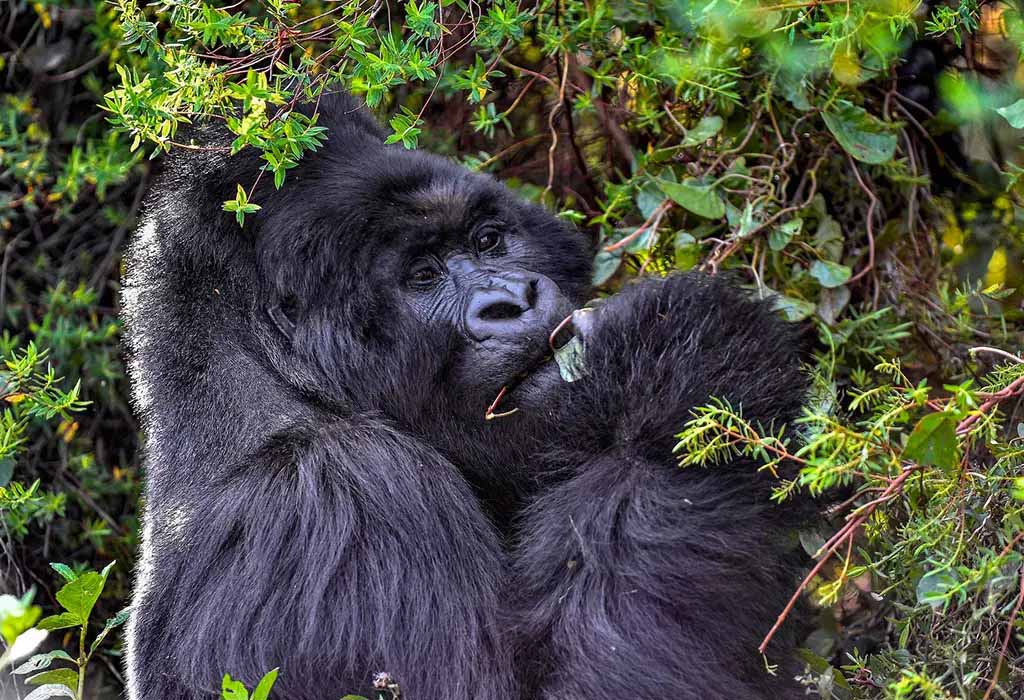
Gorilla trekking is one of Uganda’s most exciting wildlife experiences, attracting thousands of visitors from around the world each year. Walking through the dense forests of Bwindi Impenetrable National Park or Mgahinga Gorilla National Park in search of endangered mountain gorillas is both thrilling and rewarding. However, it is also a conservation activity that requires every visitor to follow strict guidelines designed to protect the gorillas, preserve their habitat, and ensure the safety of everyone involved.
At Experiya Tour Company, we believe that understanding these rules before your trek helps you enjoy a smoother, safer, and more meaningful experience. Whether you are trekking gorillas for the first time or returning for another unforgettable encounter, respecting these regulations contributes directly to the long-term survival of these remarkable primates.
Why Gorilla Trekking Rules Matter
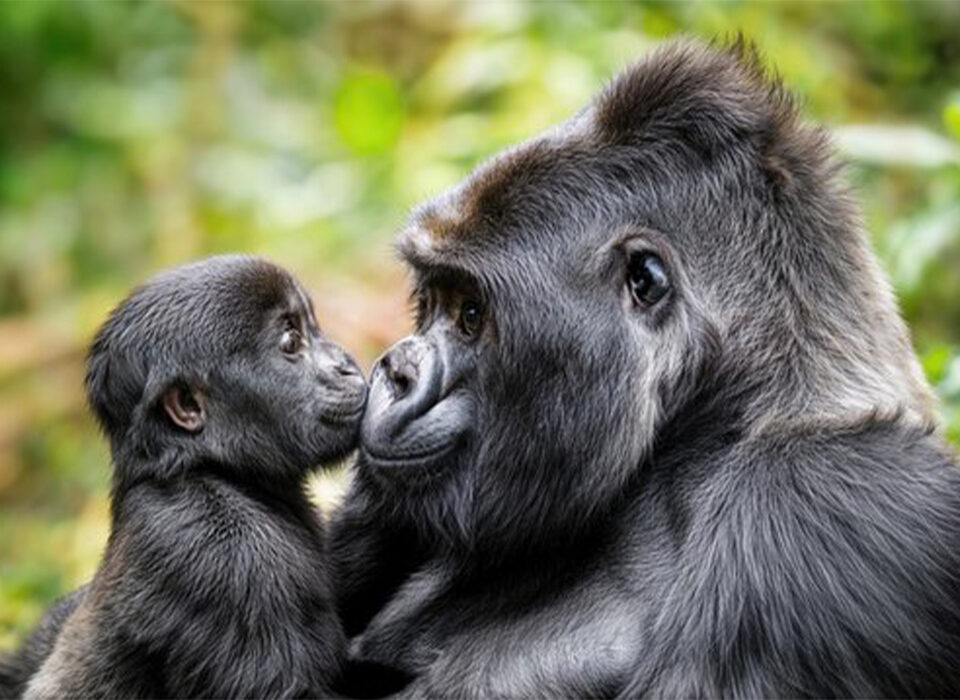
Mountain gorillas share approximately 98% of their DNA with humans, making them highly susceptible to many human diseases. Even a common cold or seasonal flu can pose a serious threat to an entire gorilla family. Furthermore, these animals live in fragile ecosystems that require careful protection from human disturbance.
For this reason, the Uganda Wildlife Authority (UWA) has established clear rules that every visitor must follow. These regulations protect wildlife, minimize environmental impact, and create a safe and enjoyable experience for both visitors and guides.
General National Park Regulations
Before participating in a gorilla trek, visitors should understand the basic rules that apply in Uganda’s national parks and wildlife reserves. These regulations help preserve the country’s natural beauty while protecting its diverse wildlife.
Visitors should only camp or light campfires in officially designated camping areas. Camping outside authorized locations increases the risk of wildfires and may disturb wildlife. Likewise, all vehicles must remain on established roads and tracks to prevent damage to vegetation and fragile habitats.
Drivers should avoid sounding vehicle horns because loud noises can frighten animals and interrupt their natural behavior. Driving inside the parks is also restricted to daylight hours, and visitors should not drive between 7:00 p.m. and 7:00 a.m. unless they have received special authorization from park authorities.
Domestic animals, including dogs and other pets, are not permitted inside national parks because they may introduce diseases or disturb wildlife. Visitors should also dispose of all waste responsibly by carrying out any litter they bring into the park.
Additionally, firearms and ammunition are strictly prohibited unless officially authorized. Removing plants, flowers, or any natural materials from protected areas is also forbidden since every species plays an important role in maintaining the ecosystem.
While driving within the parks, visitors should observe the maximum speed limit of 40 kilometers per hour (25 mph). Finally, travelers should keep all official park receipts and permits available for inspection throughout their visit.
Gorilla Trekking Rules Before the Trek
Preparation plays an important role in ensuring a successful gorilla trekking experience. Before entering the forest, every visitor must present a valid gorilla trekking permit along with proof of payment. Rangers verify these documents before assigning visitors to gorilla families.
Anyone suffering from a cold, flu, cough, fever, or any contagious illness should not participate in the trek. Because gorillas are extremely vulnerable to human diseases, visitors who feel unwell should inform park officials immediately. In many cases, alternative arrangements can be made according to Uganda Wildlife Authority guidelines.
Uganda also requires every gorilla trekker to be at least 15 years old. This age restriction helps ensure that participants have the physical ability and maturity necessary for the trek while reducing the chances of unexpected behavior that could disturb the gorillas.
Only eight visitors are allowed to visit each habituated gorilla family per day. Limiting group sizes reduces stress on the animals while creating a more intimate and enjoyable wildlife experience.
During the hike, visitors should also practice responsible sanitation. If nature calls while in the forest, guides will identify a suitable location where waste can be buried in a hole approximately 30 centimeters deep. This simple practice helps maintain the cleanliness of the forest and prevents disease transmission.
Rules to Follow While Observing the Gorillas
The moment you finally encounter a gorilla family is undoubtedly the highlight of your trek. Nevertheless, it is also the time when following the rules becomes most important.
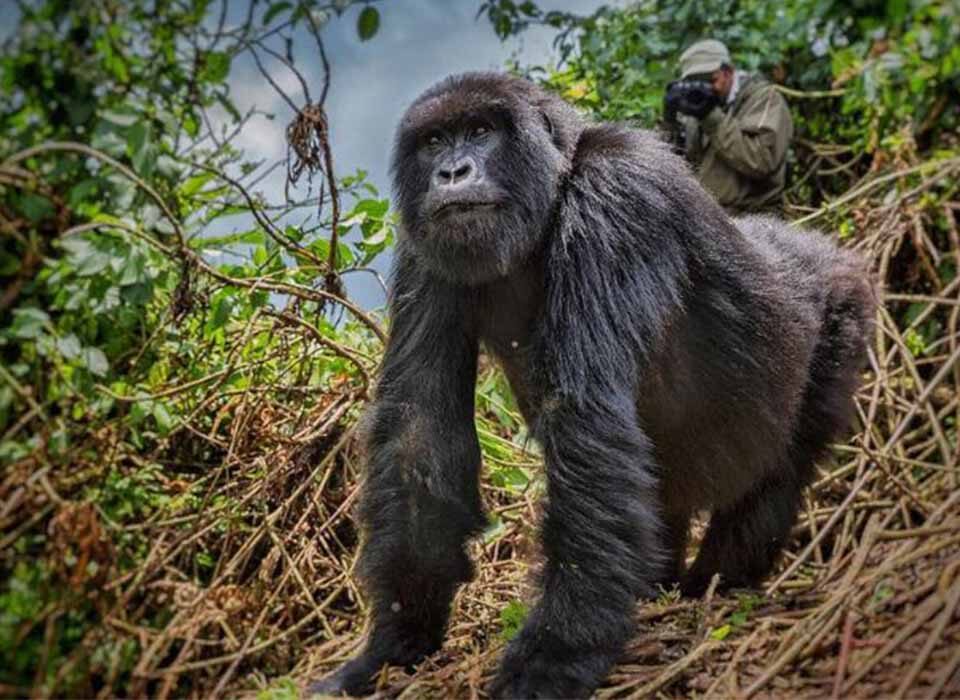
Visitors should always maintain a minimum distance of seven meters (21 feet) from the gorillas. Although gorillas sometimes move closer out of curiosity, trekkers should never intentionally approach them. Keeping this distance helps reduce stress on the animals and lowers the risk of transmitting diseases.
Photography is encouraged, but flash photography is strictly prohibited. Bright flashes can startle gorillas and disrupt their natural behavior. Instead, visitors should adjust their camera settings to capture beautiful images without using flash.
Eating, drinking, and smoking are not allowed while observing the gorillas. Food particles and discarded waste may introduce harmful bacteria or attract unwanted wildlife into gorilla habitats.
If you suddenly need to cough or sneeze, immediately turn your face away from the gorillas and cover your mouth and nose. This simple precaution significantly reduces the spread of airborne germs.
Park authorities also limit each gorilla visit to one hour. Although this may seem short, sixty minutes provides ample time to observe the gorillas while minimizing human impact on their daily routines.
Throughout the visit, your guide will provide instructions based on the behavior of the gorilla family. Listening carefully and following every instruction helps ensure a safe and memorable encounter.
Chimpanzee Tracking Rules in Uganda
Besides gorilla trekking, chimpanzee tracking ranks among Uganda’s most popular primate experiences. Destinations such as Kibale National Park, Budongo Forest, Kalinzu Forest, and Kyambura Gorge offer excellent opportunities to observe wild chimpanzees in their natural habitat.
Like gorillas, chimpanzees can contract many human illnesses. Therefore, anyone who feels sick should postpone their trek until they have fully recovered.
Chimpanzee tracking is available to visitors aged 12 years and above. While walking through the forest, trekkers should remain quiet because excessive noise may frighten chimpanzees and reduce the chances of successful sightings.
Visitors should maintain a minimum distance of eight meters (25 feet) from the chimpanzees at all times. Feeding, chasing, or attempting to imitate chimpanzee vocalizations is strongly discouraged because these actions may alter their natural behavior or create unnecessary stress.
Photography is permitted without flash, and visitors should avoid eating while near the chimpanzees. Just as with gorilla trekking, any litter should be carried out of the forest, and human waste should be buried properly whenever necessary.
Important Health and Conservation Guidelines
Protecting Uganda’s endangered primates remains everyone’s responsibility. Every visitor plays a direct role in conservation by following health guidelines and respecting wildlife.
If you begin feeling unwell before your scheduled trek, inform park officials as early as possible. Responsible decisions like postponing a trek help safeguard entire gorilla families from preventable illnesses.
Visitors should also avoid making sudden movements, loud conversations, or direct eye contact that could make gorillas uncomfortable. Calm, respectful behavior allows the animals to continue their natural activities without feeling threatened.
Following the guide’s instructions at every stage of the trek is equally important. Experienced rangers understand gorilla behavior and know how to keep both visitors and wildlife safe.
Finally, remember that gorilla trekking is not simply a tourist activity—it is a conservation effort that supports wildlife protection, local communities, scientific research, and habitat preservation. Every permit purchased contributes toward protecting one of the world’s most endangered species.
Final Thoughts
Gorilla trekking in Uganda offers an unforgettable opportunity to connect with one of nature’s most extraordinary creatures. However, this privilege comes with a shared responsibility to protect mountain gorillas and their forest home. By respecting park regulations, following your guide’s instructions, maintaining proper hygiene, and behaving responsibly around wildlife, you help ensure that future generations will also have the chance to experience these incredible primates in their natural environment.
At Experiya Tour Company, we are committed to providing responsible, sustainable, and unforgettable gorilla trekking experiences. Our experienced guides prepare every traveler with the knowledge needed to enjoy a safe adventure while supporting Uganda’s conservation efforts. When you trek responsibly, you become an active partner in protecting one of Africa’s greatest wildlife treasures.