
Primate Tracking in Uganda: A Journey into the World of Gorillas, Chimpanzees and Golden Monkeys
August 31, 2026
Facts About Chimpanzees: Fascinating Things You Should Know
September 1, 2026
Are gorillas aggressive? This is one of the most common questions asked by travelers preparing for a gorilla trekking adventure. Their enormous size, powerful bodies, and famous chest-beating displays can certainly make them look intimidating. However, gorillas are generally peaceful and social animals. They usually prefer to avoid conflict rather than start it.
Like any wild animal, though, a gorilla can become aggressive when it feels threatened, frightened, or challenged. Understanding their behavior and following the instructions of experienced guides can make a gorilla trekking experience both safe and memorable.
Are Gorillas Naturally Aggressive?
Gorillas are not naturally aggressive toward humans. In their natural environment, they spend much of their time feeding, resting, playing, grooming, and caring for their young.
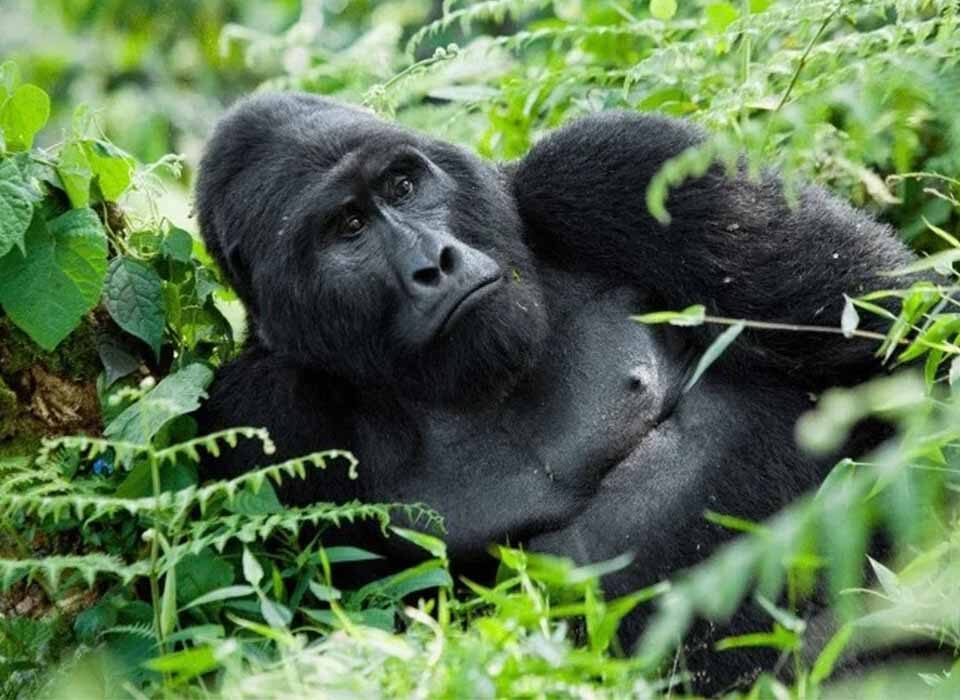
Most gorilla groups are led by a dominant silverback, an adult male with distinctive silver hair across his back. His main responsibility is to protect the group from threats and maintain order within the family.
A silverback may display aggressive behavior when he believes his family is in danger. He can beat his chest, make loud vocalizations, stand upright, charge, or even slap the ground. Although these displays may look frightening, they often serve as warnings rather than attempts to attack.
Therefore, seeing a gorilla beat its chest does not automatically mean that it wants to fight. In many situations, the animal is simply communicating that you should keep your distance.
What Can Make a Gorilla Angry?
Several situations can make gorillas feel threatened. For example, sudden movements and loud noises may frighten them, particularly when visitors behave unpredictably in the forest.
Getting too close can also create tension. Gorillas need personal space, just like other wild animals. If a person approaches too closely, a gorilla may interpret the action as a threat.
Direct eye contact can also be uncomfortable for some gorillas. Staring at a silverback may be interpreted as a challenge, especially when the animal is already alert. For this reason, trekkers are encouraged to remain calm, avoid staring, and follow the guide’s instructions.
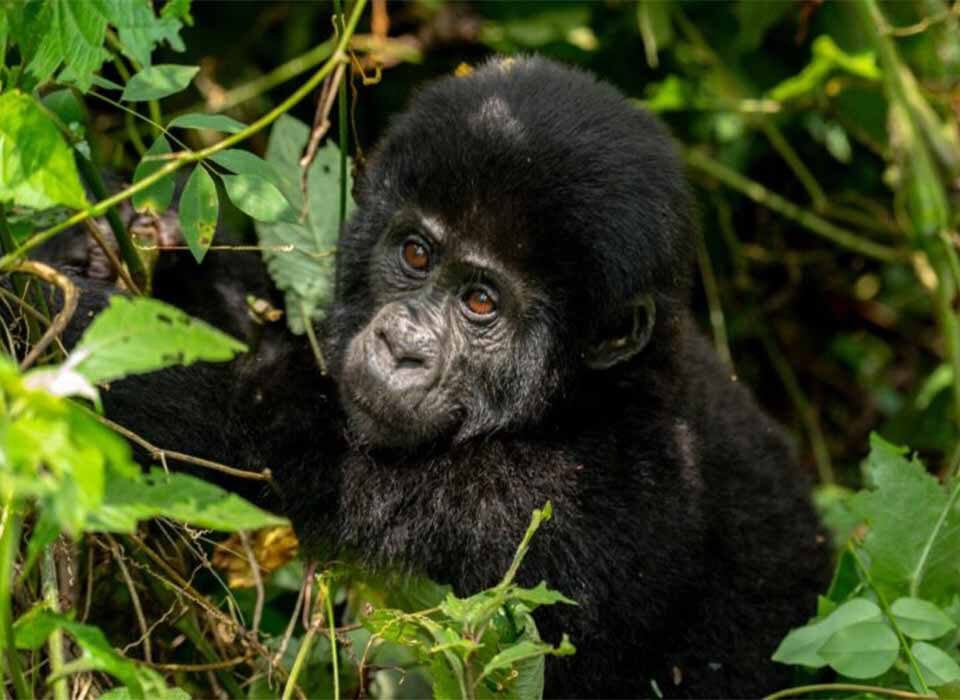
Another important factor is protecting young gorillas. Mothers are highly protective of their infants, while silverbacks remain alert to anything that could threaten the group. A person who moves suddenly toward a young gorilla could cause the adults to react defensively.
What Should You Do During a Gorilla Encounter?
The most important rule is simple: stay calm and listen to your guide.
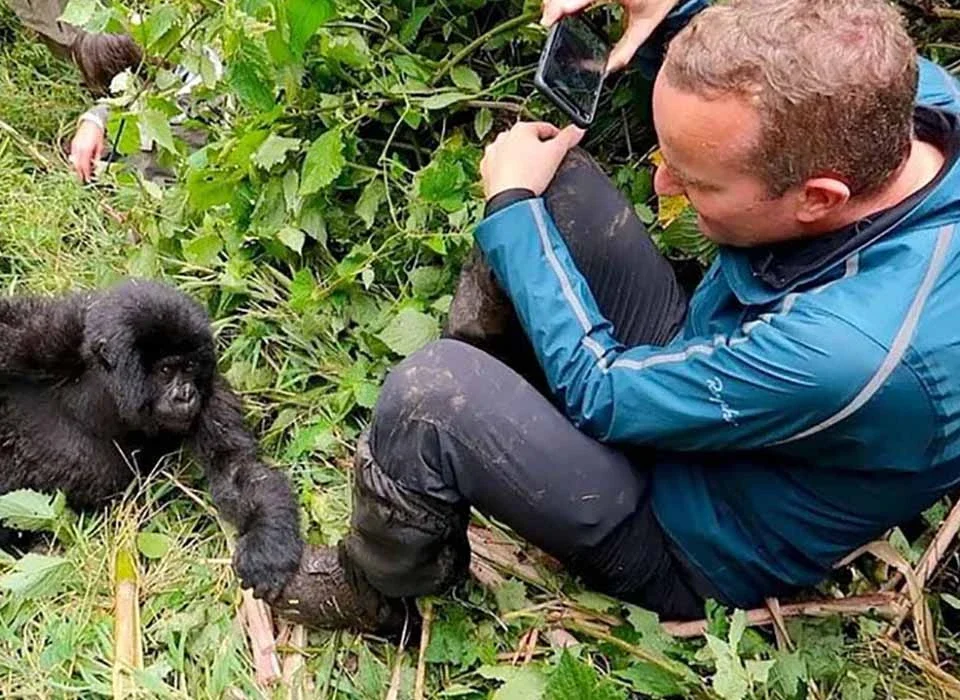
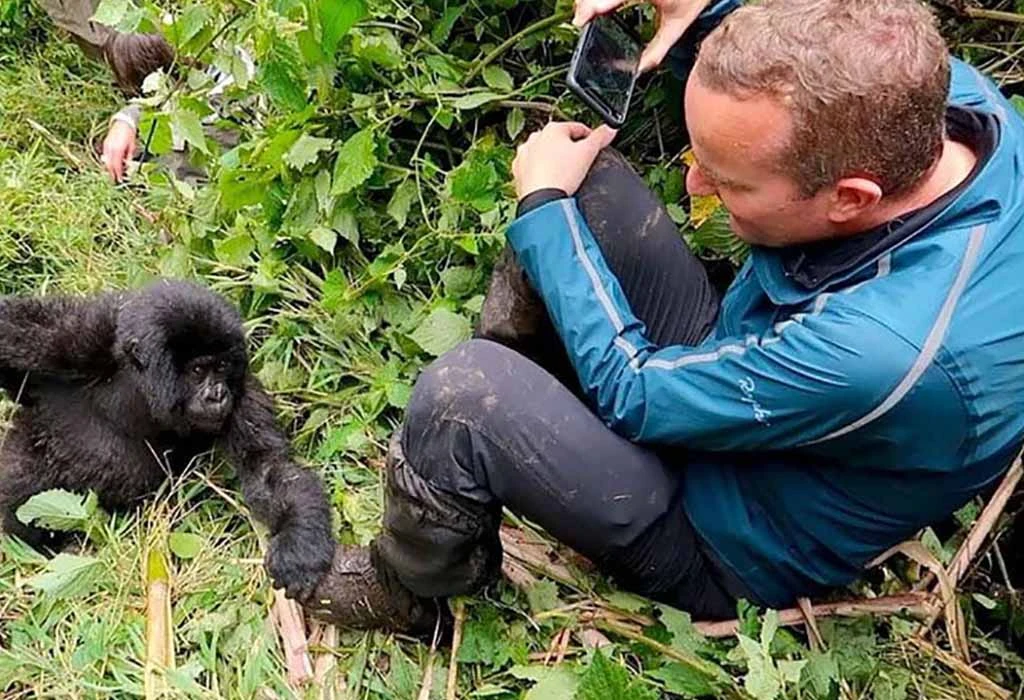
During a gorilla trek, visitors should never approach, chase, surround, or attempt to touch a gorilla. Even when a gorilla moves closer to the trekking group, remain where you are unless the guide tells you otherwise.
If a gorilla approaches you, avoid running away. Running can trigger a chase response and may make the situation worse. Instead, remain calm, keep your movements slow, and follow the instructions of the ranger or guide.
Trekkers are also expected to maintain the recommended distance from gorillas, generally around seven metres where possible. Because gorillas sometimes move closer on their own, however, maintaining that distance is not always possible. In such situations, the guide will advise visitors on what to do.
Why Gorilla Trekking Rules Matter
Gorilla trekking rules exist for more than just visitor safety. They also protect the gorillas.
Mountain gorillas are endangered, and their survival depends heavily on effective conservation. Limiting the number of visitors, maintaining a safe distance, controlling the length of encounters, and preventing visitors from feeding or touching gorillas all help reduce stress and the risk of disease transmission.
Before entering the forest, trekkers receive a briefing from trained guides and park rangers. They explain how visitors should behave around the gorillas and what to do if an animal approaches or displays defensive behavior.
At Experiya Tour Company, travelers preparing for gorilla trekking can also receive guidance on responsible trekking practices, appropriate clothing, permits, and what to expect during the experience.
How Safe Is Gorilla Trekking?
For most visitors, gorilla trekking is a safe experience when they follow established guidelines. Habituated gorilla families in Uganda and Rwanda have become accustomed to the controlled presence of people. This habituation allows researchers, conservationists, and tourists to observe them without causing unnecessary disturbance.
However, habituated does not mean domesticated. Gorillas remain wild animals with tremendous strength and natural instincts. Visitors should never treat them like pets or assume that they can be touched or approached.
Experienced park guides and trackers accompany trekking groups throughout the experience. They understand gorilla behavior and can recognize signs of stress, excitement, or aggression. Their knowledge is essential for keeping encounters safe and respectful.
How Many Types of Gorillas Are There?
Scientists generally recognize two gorilla species: the eastern gorilla and the western gorilla.
The eastern gorilla includes the mountain gorilla and the eastern lowland gorilla, also known as Grauer’s gorilla. The western gorilla includes the western lowland gorilla and the Cross River gorilla.
Mountain gorillas are particularly popular with travelers because they can be tracked in their natural habitat in Uganda, Rwanda, and the Democratic Republic of Congo when trekking is available.
Where Can You See Mountain Gorillas?
Bwindi Impenetrable National Park, Uganda
Bwindi Impenetrable National Park in southwestern Uganda is one of the world’s most important destinations for mountain gorilla trekking. The forest supports a significant portion of the remaining mountain gorilla population.
Gorilla trekking takes place in four main sectors: Buhoma, Ruhija, Rushaga, and Nkuringo. Each sector has habituated gorilla families available for trekking.
A typical trek begins with a briefing before visitors enter the forest with trained guides and trackers. The hike can take several hours because gorillas move through their natural habitat and are not confined to a particular location.
Once the group finds its assigned gorilla family, visitors are allowed a limited period to observe the animals. The experience can be incredibly personal as you watch gorillas feed, groom one another, play, rest, and care for their young.
Uganda also offers gorilla habituation experiences in the Rushaga sector, allowing visitors who book the appropriate permit to spend considerably more time observing a gorilla family under the guidance of researchers and trackers.
Volcanoes National Park, Rwanda
Volcanoes National Park is another renowned destination for mountain gorilla trekking. Located in the Virunga Mountains of northern Rwanda, the park offers visitors an opportunity to encounter habituated gorilla families in a beautiful mountainous environment.
Rwanda’s gorilla trekking permit for international visitors is priced at US$1,500 per person. Although this is higher than Uganda’s standard gorilla trekking permit, the experience provides access to one of Africa’s most iconic wildlife encounters.
The trek begins at the park headquarters with a briefing before visitors travel into the forest. Depending on the location of the gorilla family, the hike may range from relatively manageable to physically demanding.
Virunga National Park, Democratic Republic of Congo
Virunga National Park in the Democratic Republic of Congo has historically been another important destination for mountain gorilla trekking. The park protects a portion of the world’s remaining mountain gorillas and has played an important role in conservation.
However, trekking availability in Virunga has been affected by security challenges and park closures. Travelers should therefore confirm the current security situation and official trekking status before planning a visit.
Why Respecting Gorillas Is So Important
Gorilla trekking is more than a wildlife adventure. It contributes to conservation, supports local communities, and creates incentives to protect forests from activities that threaten wildlife.
When visitors follow trekking guidelines, they help reduce stress on gorillas and minimize the possibility of disease transmission between humans and these closely related primates.
Ultimately, gorillas are powerful but generally peaceful animals. They do not see humans as natural prey, and most defensive displays are intended to communicate rather than cause harm. The best way to enjoy a gorilla encounter is therefore to remain calm, maintain a respectful distance, avoid sudden movements, and listen carefully to your guide.
With responsible tourism and continued conservation efforts, travelers can experience these remarkable animals while helping protect their forest homes for generations to come.