Chimpanzee Trekking in Kalinzu Forest, Uganda
November 23, 2026
Lake Adventures in East Africa: Exploring Tanganyika, Victoria, Kivu, Bunyonyi and Other Iconic Lakes
November 23, 2026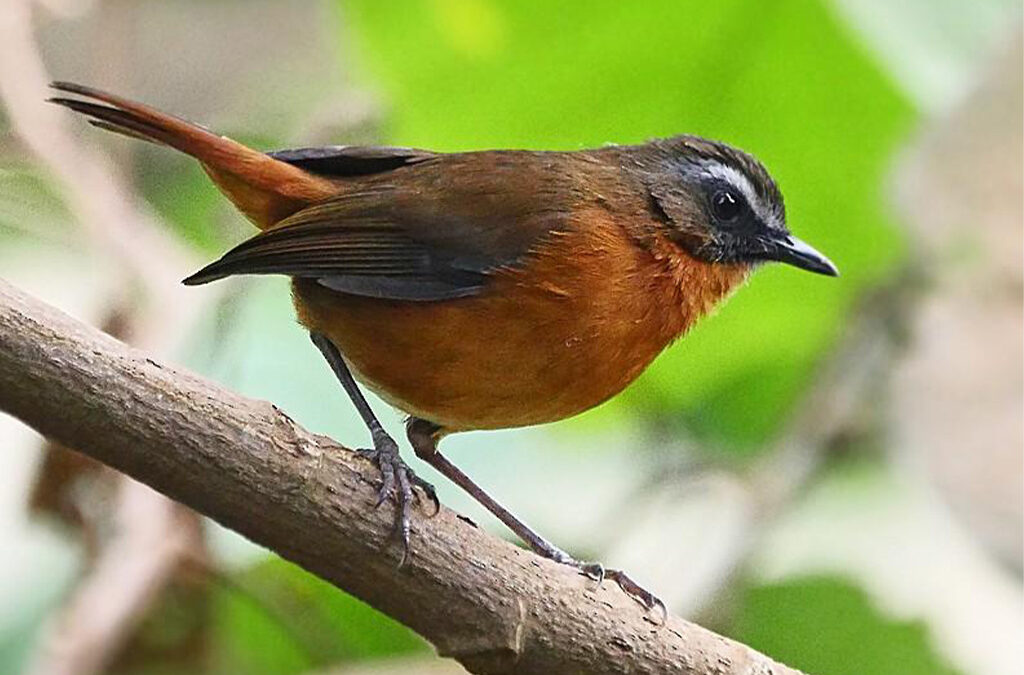
Rwanda offers some of East Africa’s most rewarding birdwatching experiences, thanks to its diverse landscapes, protected habitats and remarkable birdlife. Among the country’s leading birding destinations, Akagera National Park and Nyungwe Forest National Park stand out for their contrasting ecosystems and exceptional species diversity. From the open savannahs and papyrus wetlands of Akagera to the mist-covered montane rainforest of Nyungwe, these parks provide excellent opportunities to discover some of Africa’s most fascinating birds.
Birdwatching in Akagera and Nyungwe is particularly rewarding because each destination offers a different experience. Akagera is famous for its waterbirds, colourful savannah species and impressive birds of prey, while Nyungwe attracts bird enthusiasts searching for rare Albertine Rift endemics and forest specialists. Together, the two parks provide an excellent introduction to Rwanda’s rich avian diversity.
Whether you are an experienced birder hoping to expand your life list or a first-time visitor interested in African wildlife, these destinations offer memorable encounters. With guidance from knowledgeable local birding guides, travellers can explore different habitats, identify bird calls and photograph remarkable species in their natural environments. Experiya Tour Company can help organise birding safaris that combine both parks into one rewarding Rwanda wildlife experience.
-
Birdwatching in Akagera National Park
Rwanda’s Leading Savannah and Wetland Birding Destination
Located in eastern Rwanda, along the border with Tanzania, Akagera National Park protects approximately 1,122 square kilometres of diverse natural habitats. These include open grasslands, acacia woodlands, rolling hills, lakes, rivers and extensive papyrus wetlands. This combination creates suitable breeding and feeding grounds for a remarkable variety of bird species.
Akagera is particularly attractive to birdwatchers because its open landscapes make many birds easier to locate and observe. Unlike dense tropical forests, where birds often remain hidden among thick vegetation, the park’s savannah environment provides relatively clear views of birds perched in trees, flying overhead or feeding along the lakeshores.
The park has recorded more than 500 bird species, making it one of Rwanda’s most important birding destinations. During a guided birdwatching excursion, you can explore different habitats while also enjoying sightings of elephants, giraffes, zebras, buffaloes and antelopes.
The peaceful atmosphere around Akagera’s lakes also adds to the experience. You may hear African Fish Eagles calling across the water while colourful kingfishers search for fish and herons patiently wait along the shoreline.
1.1 Birdlife Around Akagera’s Lakes and Wetlands
Akagera’s wetlands are among the most productive birdwatching areas in Rwanda. The park’s lakes, papyrus swamps and marshlands attract numerous resident and migratory waterbirds. Lake Ihema, in particular, provides excellent opportunities to observe aquatic species during guided boat excursions.
As you explore the lake, you may encounter African Jacanas walking across floating vegetation, Goliath Herons standing motionless in shallow water and African Darters spreading their wings to dry in the sunshine. Pied Kingfishers, cormorants, egrets and African Fish Eagles also contribute to the park’s impressive wetland birdlife.
For experienced birders, Akagera offers opportunities to search for some particularly interesting wetland specialists. These include:
- Shoebill: One of Africa’s most sought-after birds, recognised by its enormous shoe-shaped bill. It is an elusive species, and sightings are not guaranteed.
- Papyrus Gonolek: A striking red-and-black bird associated with papyrus swamps.
- White-winged Swamp Warbler: A specialised wetland bird that inhabits dense papyrus vegetation.
- Carruthers’s Cisticola: A small, secretive bird found in papyrus habitats.
- African Jacana: Easily recognised by its long toes, which help it walk across floating vegetation.
A guided boat safari on Lake Ihema is one of the best ways to explore Akagera’s aquatic birdlife. Besides offering excellent photographic opportunities, the excursion allows you to observe birds feeding, fishing and interacting along the lake’s shoreline.
1.2 Savannah and Woodland Birds in Akagera National Park
Beyond the wetlands, Akagera’s savannah plains and acacia woodlands support numerous colourful birds. These habitats are particularly rewarding for visitors interested in African savannah species, woodland specialists and birds of prey.
One of the most recognisable species is the Lilac-breasted Roller. Its colourful plumage, featuring shades of turquoise, blue, lilac and green, makes it one of the most photographed birds in Africa. You may spot it perched on exposed branches or flying across open grasslands.
Other interesting species include the Crested Barbet, Red-faced Barbet and Black-headed Gonolek. Their distinctive calls and colourful appearances make them exciting discoveries during guided game drives and dedicated birding excursions.
Akagera also supports several impressive raptors. These birds are particularly fascinating to observe as they circle above the grasslands searching for prey.
Some of the notable birds of prey include:
- Bateleur Eagle
- Martial Eagle
- Brown Snake Eagle
- African Harrier-Hawk
- African Fish Eagle
- Tawny Eagle
The combination of open landscapes, abundant prey and scattered woodland makes Akagera an excellent destination for observing raptors in their natural environment.
1.3 Best Birdwatching Activities in Akagera
There are several ways to enjoy birdwatching in Akagera National Park. Your choice will depend on the species you hope to find, your available time and the habitats you want to explore.
Boat safaris on Lake Ihema: These excursions provide excellent opportunities to observe waterbirds at close range. You can photograph African Fish Eagles, Pied Kingfishers, herons, cormorants and other aquatic species.
Guided birding game drives: Exploring the savannah and woodland habitats with an experienced guide helps you locate birds that you might otherwise overlook. Morning and late-afternoon drives are particularly rewarding.
Nature walks: Where permitted and accompanied by authorised guides, walking experiences provide opportunities to listen to bird calls, observe smaller species and learn about the park’s ecosystems.
For the best experience, consider combining a dedicated birding excursion with a traditional wildlife safari. This way, you can enjoy Akagera’s exceptional birdlife while also searching for the park’s famous Big Five mammals.
-
Birdwatching in Nyungwe Forest National Park
A Rainforest Paradise for Albertine Rift Endemic Birds
Located in southwestern Rwanda, Nyungwe Forest National Park offers a completely different birdwatching experience from Akagera. This extensive montane rainforest is among Africa’s oldest forest ecosystems and protects an extraordinary variety of plants, mammals, butterflies and birds.
Covering approximately 1,019 square kilometres, Nyungwe is particularly famous for its Albertine Rift endemic species. The park has recorded more than 300 bird species, including approximately 29 Albertine Rift endemics, making it one of the most important birding destinations in the region.
Unlike Akagera’s open savannah, Nyungwe features dense vegetation, towering trees, steep valleys and mist-covered hills. Consequently, birdwatching here requires patience, concentration and a good understanding of bird calls. Many species remain hidden within the forest canopy, so having an experienced birding guide can significantly improve your chances of spotting them.
The reward, however, is remarkable. From colourful turacos to rare forest specialists, Nyungwe offers opportunities to encounter birds that are difficult to find elsewhere.
2.1 Albertine Rift Endemic Birds in Nyungwe
One of the biggest attractions of birdwatching in Nyungwe is the opportunity to search for Albertine Rift endemics. These species occur within the Albertine Rift region and are among the most sought-after birds for international birdwatchers.
Nyungwe’s montane forests provide suitable habitats for several of these specialised birds. Some are relatively easy to identify by their distinctive calls or colourful plumage, while others require careful observation and considerable patience.
Notable species to look out for include:
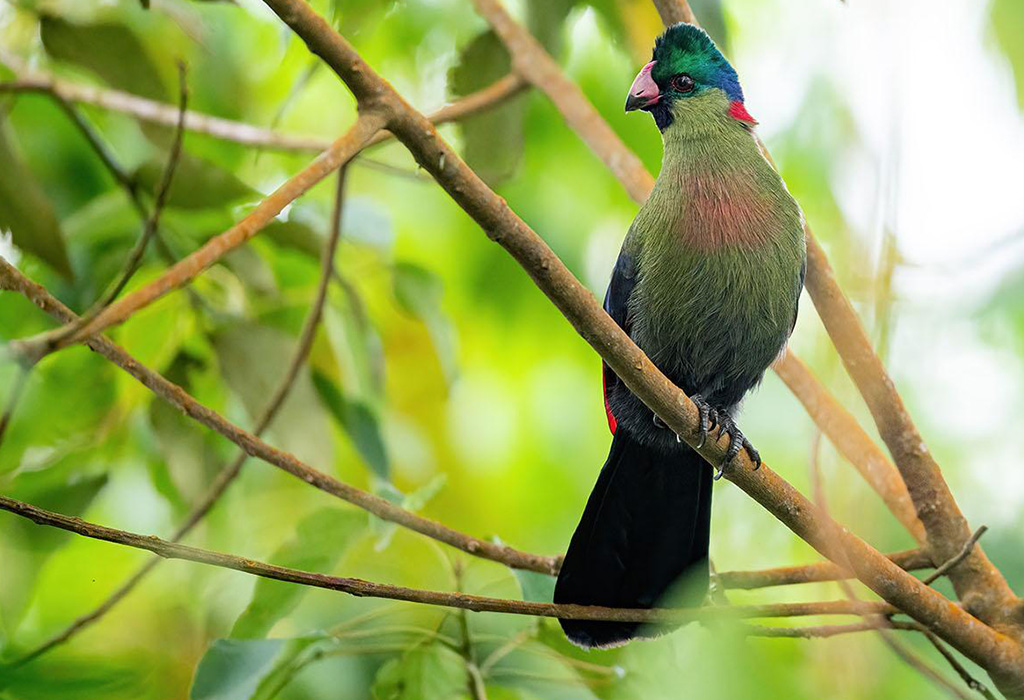
- Rwenzori Turaco: A beautiful forest bird with striking green, blue and crimson plumage.
- Albertine Owlet: A rare and elusive forest owl that is particularly exciting for experienced birders.
- Red-collared Mountain Babbler: An Albertine Rift endemic associated with montane forest habitats.
- Archer’s Robin-Chat: A forest-dwelling bird sought after by birdwatchers exploring the region.
- Dusky Crimsonwing: A small and colourful finch found in high-altitude forest habitats.
- Grauer’s Swamp Warbler: A specialised species associated with montane wetlands and dense vegetation.
Seeing these species in their natural habitat can be one of the highlights of a Rwanda birding safari. However, sightings depend on weather conditions, bird activity, season and the experience of your guide.
2.2 Other Remarkable Birds to See in Nyungwe Forest
Although Albertine Rift endemics attract much of the attention, Nyungwe also supports many other fascinating forest birds. Their colourful plumage, unusual feeding habits and distinctive calls make the forest an exciting destination for bird enthusiasts.
The Great Blue Turaco is particularly impressive because of its large size, bright blue plumage and prominent crest. It is often spotted moving between trees in search of fruits. The Blue-headed Sunbird is another attractive species, while the White-bellied Robin-Chat and Mountain Masked Apalis add to the forest’s remarkable diversity.
During a guided birding walk, you may also encounter mixed-species feeding flocks moving through the forest canopy. These gatherings can include several small birds feeding together, creating excellent opportunities to observe different species within a relatively short period.
For photographers, the changing forest light creates beautiful opportunities, although the dense vegetation and movement of birds can make photography challenging.
2.3 Best Birdwatching Trails in Nyungwe Forest
Nyungwe has an extensive network of walking trails that provide access to different forest habitats. Choosing the right trail can make a significant difference to your birdwatching experience, especially when searching for particular Albertine Rift endemics.
Some of the notable birding areas include:
Uwinka Trail: Starting near the park’s main visitor centre, this area provides access to forest habitats where you can search for different montane bird species. It is also a useful starting point for visitors interested in guided forest walks.
Karamba Trail: This trail passes through an area with relatively open vegetation, making it attractive for birdwatchers looking for improved visibility. Its varied habitats support several forest and woodland species.
Buhoro Trail: Birdwatchers can explore forest vegetation while listening for calls and searching for species moving through the canopy and understory.
Gisakura Area: Located near the southwestern entrance of Nyungwe, this area provides access to forest habitats and birding opportunities around the park’s western section.
Another exciting experience is the Nyungwe Canopy Walkway, which offers an elevated perspective of the rainforest. Suspended approximately 50 metres above the forest floor at its highest point, the walkway allows visitors to observe the forest canopy from a different angle.
From this elevated position, you may spot birds moving through the treetops, including turacos, sunbirds and other canopy-dwelling species. The canopy walkway is also an excellent opportunity to appreciate the scale and ecological importance of Nyungwe’s ancient rainforest.
-
Akagera vs Nyungwe: Which Is Better for Birdwatching?
Both destinations offer excellent birdwatching opportunities, but they appeal to different interests. Akagera is ideal for visitors who enjoy open landscapes, waterbirds, savannah species and birds of prey. Nyungwe, on the other hand, is particularly rewarding for birders interested in forest species and Albertine Rift endemics.
The following comparison highlights their main differences:
| Feature | Akagera National Park | Nyungwe Forest National Park |
| Main habitat | Savannah, wetlands and woodland | Montane rainforest |
| Recorded birdlife | More than 500 species | More than 300 species |
| Main attraction | Water birds and savannah birds | Albertine Rift endemics |
| Birding activities | Boat safaris and game drives | Guided forest walks and canopy walkway |
| Notable species | Shoebill, Lilac-breasted Roller, African Fish Eagle | Rwenzori Turaco, Albertine Owlet, Red-collared Mountain Babbler |
| Birding environment | Open landscapes | Dense forest |
Rather than choosing one destination over the other, combining Akagera and Nyungwe offers a more complete birdwatching experience. You can explore Rwanda’s wetlands and savannahs before travelling to the southwest to discover its rich montane rainforest.
This combination is particularly suitable for international birders planning a longer Rwanda safari.
-
Best Time for Birdwatching in Akagera and Nyungwe
Birdwatching in Akagera and Nyungwe is possible throughout the year. However, the best time depends on the species you want to see, the weather conditions and the type of birding experience you prefer.
Rwanda generally experiences two rainy seasons and two relatively dry seasons.
Long dry season (June to September): These months are popular for birdwatching because rainfall is generally lower, making many trails and park roads easier to navigate. In Akagera, birds may become easier to observe around water sources. Nyungwe also offers rewarding forest birding, although mist and occasional rainfall can still occur.
Short dry season (December to February): This is another good period for exploring both parks. Relatively favourable weather conditions make it easier to organise game drives, boat excursions and guided forest walks.
Long rainy season (March to May): The landscape becomes greener, and vegetation supports increased feeding and breeding activity. However, muddy trails, rainfall and reduced visibility can make some birding excursions more challenging.
Short rainy season (October to November): This period can also offer rewarding birdwatching opportunities. Migratory birds from Europe and other regions may be present, adding variety to the resident birdlife.
For visitors interested in migratory species, the period from approximately November to April is particularly interesting. Nevertheless, resident birds and Albertine Rift endemics make both parks worthwhile destinations throughout the year.
-
Essential Tips for a Successful Rwanda Birdwatching Safari
A successful birdwatching safari requires preparation, patience and a good understanding of the habitats you intend to explore. Although Rwanda offers excellent birding opportunities, some species are easier to find than others.
To make the most of your experience in Akagera and Nyungwe, consider the following recommendations:
- Travel with an experienced birding guide: Local guides understand bird calls, feeding behaviour and preferred habitats. Their knowledge can help you locate species that are difficult to spot independently.
- Carry good binoculars: A reliable pair of binoculars is essential, particularly when observing birds in the forest canopy or across open wetlands.
- Bring a camera: A camera with a suitable telephoto lens helps capture distant birds without disturbing them.
- Wear comfortable clothing: Choose lightweight, neutral-coloured clothing suitable for walking in different environments.
- Carry waterproof protection: Rain can occur even during relatively dry months, especially in Nyungwe’s rainforest.
- Start early: Early morning is generally one of the most productive periods for bird activity.
- Bring a bird identification guide: A regional bird field guide or identification application can help you recognise unfamiliar species.
- Be patient and observant: Some forest birds remain hidden in dense vegetation, so listening carefully is just as important as looking.
Most importantly, respect the natural environment. Avoid making unnecessary noise, disturbing nests or feeding wild birds. Responsible birdwatching helps protect Rwanda’s birdlife and preserves these habitats for future generations.
-
Combining Akagera and Nyungwe in One Rwanda Birding Safari
Combining Akagera and Nyungwe is an excellent way to explore Rwanda’s contrasting natural environments. Although the parks are located in different parts of the country, a carefully planned itinerary allows visitors to experience both destinations during one safari.
A typical journey can begin in Kigali, where you meet your safari guide before travelling east towards Akagera National Park. After exploring the savannah and wetlands, you can continue towards southwestern Rwanda to discover Nyungwe’s montane rainforest.
A suggested seven-day birding itinerary could include:
- Day 1: Arrival in Kigali, meet your guide and transfer to Akagera National Park.
- Day 2: Full-day birdwatching in Akagera, exploring savannah and woodland habitats.
- Day 3: Morning birding and a Lake Ihema boat safari before travelling towards Kigali.
- Day 4: Transfer to Nyungwe Forest National Park, enjoying Rwanda’s scenic countryside along the way.
- Day 5: Full-day guided birdwatching along selected Nyungwe forest trails.
- Day 6: Morning birding excursion and an opportunity to experience the Nyungwe Canopy Walkway.
- Day 7: Final birdwatching opportunities before returning to Kigali.
This itinerary can be adjusted depending on your preferred bird species, available time, accommodation budget and travel arrangements.
Through Experiya Tour Company, travellers can arrange guided Rwanda birding safaris that combine comfortable accommodation, private transportation and knowledgeable local guides. We can also customise the experience for serious birders who wish to spend additional time searching for particular Albertine Rift endemics.
-
Why Choose Experiya Tour Company for Birdwatching in Rwanda?
Exploring Rwanda’s birding destinations becomes more rewarding when you have a well-organised safari and knowledgeable local support. At Experiya Tour Company, we understand that birdwatching is different from an ordinary wildlife safari. It requires careful planning, flexible schedules and guides who appreciate the importance of identifying different species.
We help travellers organise birdwatching experiences in Akagera and Nyungwe according to their interests, available time and preferred accommodation standards.
Whether you are interested in photographing colourful savannah birds, searching for the elusive Shoebill or finding rare Albertine Rift endemics, we can help plan an experience around your birding interests.
Our Rwanda birding safari arrangements can include:
- Private 4×4 safari transportation.
- Experienced local driver-guides and birding guide arrangements.
- Accommodation near the selected national parks.
- Guided birdwatching excursions.
- Lake Ihema boat safari arrangements.
- Nyungwe forest walks and canopy walkway experiences.
- Customised itineraries covering Akagera and Nyungwe.
We encourage responsible tourism and appreciate the importance of protecting Rwanda’s natural habitats. By travelling with experienced local professionals, you can enjoy a more informative experience while supporting conservation and sustainable tourism.
Conclusion: Experience the Best of Rwanda’s Birdlife
Birdwatching in Akagera and Nyungwe offers an exceptional opportunity to explore two of Rwanda’s most important natural environments. From the impressive water birds of Lake Ihema to the colourful forest species of Nyungwe, each destination reveals a different side of the country’s remarkable biodiversity.
Akagera is particularly rewarding for birders interested in savannah species, wetland specialists and birds of prey. Nyungwe, meanwhile, provides an unforgettable rainforest experience, especially for visitors searching for Albertine Rift endemics such as the Rwenzori Turaco and Red-collared Mountain Babbler.
Together, these parks create an outstanding birding combination for both experienced enthusiasts and beginners. With the right season, suitable equipment and an experienced guide, every excursion can bring exciting discoveries.
Plan your next Rwanda birding adventure with Experiya Tour Company and explore the country’s remarkable birdlife, one fascinating species at a time.