
Echuya Forest Reserve
November 3, 2026
Do Gorillas Recognize Humans? Understanding Gorilla Behaviour and Memory
November 3, 2026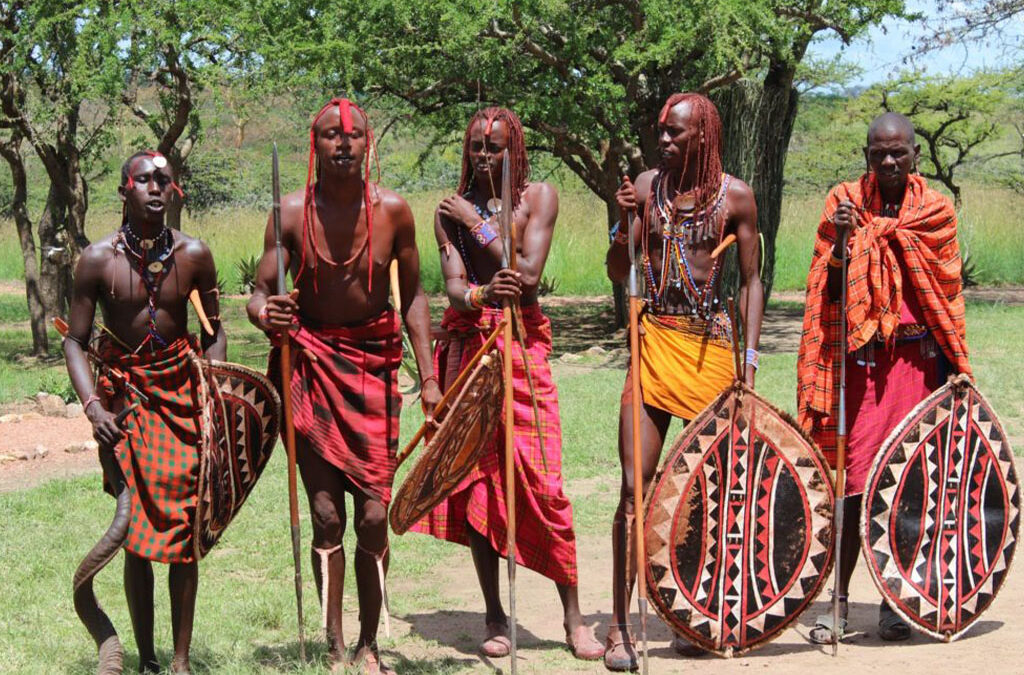
Experiencing Maasai culture in Kenya offers a wonderful opportunity to discover one of East Africa’s most recognizable indigenous communities. Beyond Kenya’s spectacular wildlife, beautiful landscapes and famous national parks, the country has a rich cultural heritage that makes every safari more meaningful. Among its many communities, the Maasai stand out for their distinctive clothing, traditional dances, pastoral lifestyle and strong connection to their ancestral land.
During a Kenya safari, visitors can learn about Maasai traditions through guided village visits, cultural performances and conversations with local community members. These encounters provide a closer look at everyday life, traditional beliefs, family structures and customs that continue to shape Maasai identity. At Experiya Tour Company, we encourage travellers to combine wildlife adventures with respectful cultural experiences, creating a more rewarding understanding of Kenya and its people.
Who Are the Maasai People in Kenya?
The Maasai are a semi-nomadic ethnic community found mainly in southern Kenya and northern Tanzania. They are particularly associated with areas surrounding the Maasai Mara National Reserve, Amboseli National Park and other parts of the Great Rift Valley.
Historically, the Maasai have depended on livestock keeping, particularly cattle, goats and sheep. Their relationship with livestock influences many aspects of their culture, including food, social status, ceremonies and traditional economic activities. Although modern education, employment and urban lifestyles have changed some aspects of Maasai society, many families continue to preserve important cultural practices.
For travellers, visiting a Maasai community provides an opportunity to appreciate how traditions coexist with modern life. Rather than viewing the Maasai only through traditional performances, visitors can learn about their changing lifestyles, community values and efforts to preserve their cultural identity.
Traditional Maasai Lifestyle and Homesteads
One of the most interesting aspects of Maasai culture in Kenya is the traditional way of life. Many Maasai families historically lived in settlements known as manyattas, which consist of individual family homes arranged within a wider homestead. These houses are traditionally constructed using locally available materials such as branches, mud, grass and cow dung.
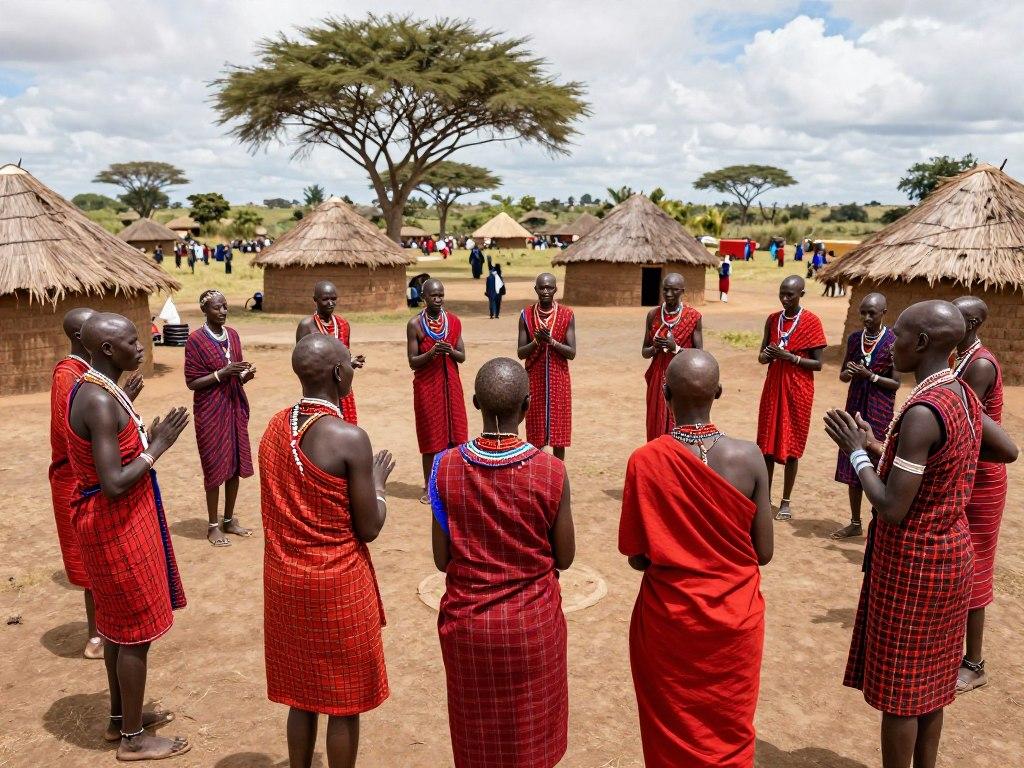
Livestock remains central to traditional Maasai life. Cattle, goats and sheep provide milk, meat, hides and other valuable resources. In addition, livestock ownership has traditionally represented wealth, family standing and social relationships.
During a Maasai village visit, travellers may have an opportunity to:
-
Explore traditional homesteads and learn how houses are constructed.
-
Understand the importance of cattle keeping in Maasai society.
-
Discover traditional food preparation methods.
-
Learn how families organize their daily activities.
-
Observe traditional beadwork and other handmade crafts.
However, it is important to remember that not every Maasai family follows exactly the same lifestyle. Cultural practices differ between communities and continue to evolve with changing economic and social conditions.
Maasai Food, Family Life and Social Structure
Food plays an important role in traditional Maasai culture. Historically, milk and meat have formed important parts of the Maasai diet, while some communities have also traditionally consumed animal blood, particularly during certain cultural occasions. However, modern diets vary considerably, with many families incorporating vegetables, grains and other foods.
Cattle also have an important social and economic meaning. Traditionally, the number of cattle a family owns can reflect its wealth and influence. Livestock may also play a role in marriage arrangements, ceremonies and relationships between families.
Maasai society has traditionally organized men into age groups, with responsibilities changing as they move through different stages of life. These stages include childhood, warriorhood and elderhood. Young men known as Moran traditionally take on responsibilities associated with protecting livestock and supporting their communities.
Women also play essential roles in family life, including raising children, constructing and maintaining homes, preparing food and creating beautiful beadwork. Together, these responsibilities help preserve the cultural knowledge passed from one generation to another.
Maasai Cultural Beliefs, Ceremonies and Traditional Dances
Religion and spirituality are important elements of Maasai identity. Traditionally, the Maasai believe in one supreme deity known as Enkai or Engai, associated with the natural world, life and the wellbeing of the community.
Their cultural ceremonies mark important stages of life, including birth, adulthood, marriage and other community milestones. Elders play an important role in guiding younger generations, passing on traditional knowledge and maintaining community values.
One of the most memorable experiences during a Maasai cultural visit is witnessing traditional singing and dancing. The famous jumping dance, known as Adumu, is particularly recognizable. During this performance, young Maasai men take turns jumping vertically while maintaining an upright posture. Their movements are accompanied by rhythmic singing from other participants.
Although visitors often enjoy these performances, Adumu and other traditional dances have deeper cultural meanings. They express identity, community pride and the cultural heritage of the Maasai people.
Maasai Clothing, Beadwork and Traditional Ornaments
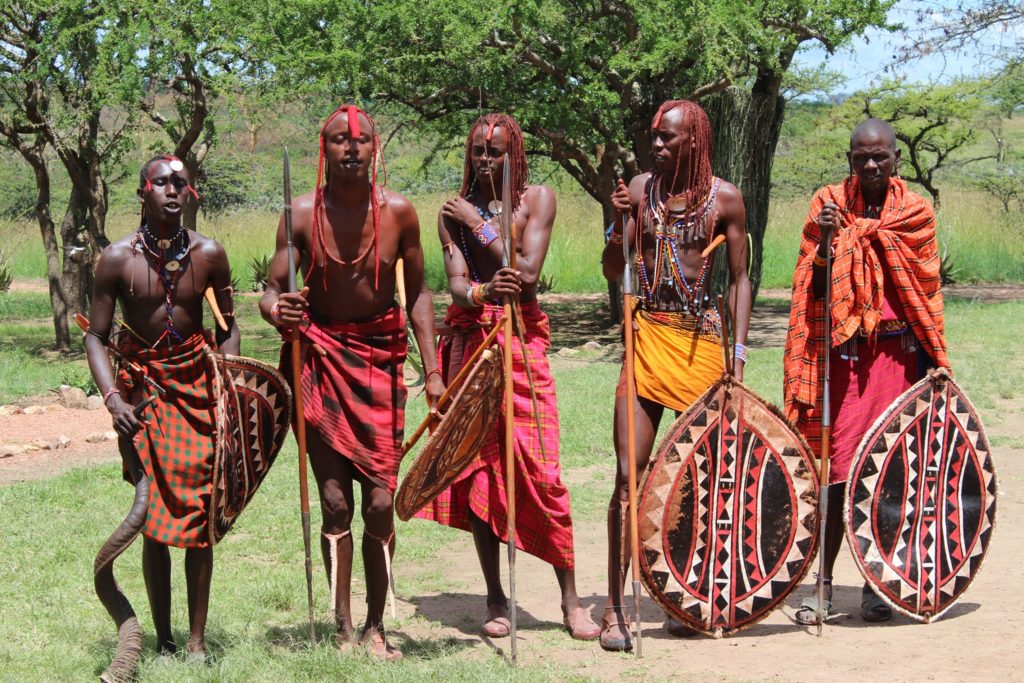
Maasai clothing is another fascinating part of the community’s cultural identity. Men and women are widely recognized for wearing colourful garments called shukas, which are commonly red, blue or patterned. These garments are wrapped around the body and provide practical protection against different weather conditions.
Red is particularly associated with Maasai identity, although other colours also carry cultural meanings. During village visits, you may notice beautiful handmade jewellery, including necklaces, bracelets, earrings and elaborate beaded collars.
Beadwork is especially important in Maasai culture. Women create intricate ornaments using colourful beads, with different patterns and designs reflecting age, identity, marital status and cultural occasions. Purchasing handmade jewellery directly from local artisans is also a lovely way to support community livelihoods during your Kenya cultural safari.
Maasai Language and Communication
The Maasai speak Maa, an Eastern Nilotic language closely related to languages spoken by neighbouring communities, including the Samburu. Language plays an important role in preserving their oral traditions, cultural knowledge, songs and historical stories.
In addition to Maa, many Maasai people speak Swahili, which is widely used across Kenya. English is also spoken by many people, particularly those working in tourism, education and business.
When visiting a Maasai village, learning a few simple Maa greetings can make your interaction more enjoyable. More importantly, take time to listen to local hosts as they explain their customs, experiences and traditions.
Best Places to Experience Maasai Culture in Kenya
Kenya offers several destinations where travellers can combine wildlife viewing with meaningful Maasai cultural encounters. Some of the most rewarding opportunities are found in the following areas.
1. Maasai Mara National Reserve
The Maasai Mara is one of the best-known destinations for combining cultural experiences with wildlife safaris. Visitors can arrange guided community visits, learn about traditional pastoralism and experience the region’s famous wildlife, including the Great Wildebeest Migration.
2. Amboseli National Park
Amboseli is famous for its large elephant herds and spectacular views of Mount Kilimanjaro. The surrounding Maasai communities provide opportunities to learn about traditional livestock keeping, community life and the relationship between people and wildlife.
3. Laikipia
Laikipia offers a mixture of wildlife conservation, pastoral landscapes and community-based tourism. Travellers can learn about the relationship between local livelihoods, livestock keeping and conservation initiatives.
4. Great Rift Valley
Parts of the Great Rift Valley are home to Maasai communities whose traditional lifestyles remain closely connected to livestock and the surrounding natural environment. Cultural encounters can add an interesting dimension to a scenic Kenya road safari.
Cultural visits should always be arranged with the participating community or a responsible local operator. Remember that these are people’s homes, not museums. Ask permission before taking photographs and respect any activities or areas that hosts prefer to keep private.
Top Kenya Safari Packages Featuring Maasai Cultural Visits
One of the best ways to experience Maasai culture in Kenya is to include a community visit in a wider wildlife safari. This allows you to explore Kenya’s traditional heritage while enjoying its national parks, spectacular landscapes and diverse wildlife.
At Experiya Tour Company, we can help travellers combine cultural encounters with some of Kenya’s most exciting safari destinations.
Popular safari itineraries to consider include:
-
2 Days Masai Mara Kenya Safari: A short wildlife adventure with an opportunity to arrange a Maasai community visit.
-
3 Days Kenya Masai Mara Safari: Enjoy game drives and discover the cultural heritage surrounding the Mara.
-
4 Days Kenya Wildebeest Migration Safari: Experience the seasonal migration and explore local cultural experiences.
-
5 Days Kenya Wildlife Safari: Combine wildlife viewing with opportunities to learn about traditional Kenyan communities.
-
7 Days Best of Kenya Adventure Safari: Explore several outstanding wildlife destinations and include cultural encounters.
-
8 Days Kenya and Tanzania Wildebeest Migration Safari: Discover East Africa’s remarkable wildlife and diverse cultural heritage.
-
8 Days Kenya Big Five Safari: Search for lions, elephants, leopards, buffaloes and rhinos while enjoying Kenya’s beautiful landscapes.
-
8 Days Ultimate Kenya Safari: Experience a more extensive wildlife adventure with opportunities for cultural exploration.
-
13 Days Combined Kenya and Tanzania Safari: Explore two East African countries through wildlife viewing, scenic journeys and cultural experiences.
These itineraries can be customized depending on your travel dates, budget, preferred accommodation and cultural interests. A Maasai village visit should be specifically requested and confirmed rather than assumed to be included in every safari package.
Where to Stay When Visiting Maasai Communities in Kenya
Accommodation is an important part of planning a Kenya cultural safari. Fortunately, travellers can choose from a wide selection of lodges and camps around the Maasai Mara, Amboseli and other popular safari destinations.
Your choice will depend on your budget, preferred comfort level and the activities you intend to enjoy.
Common accommodation options include:
-
Budget accommodation: Affordable lodges and camps suitable for travellers looking to explore Kenya without spending too much.
-
Mid-range safari camps: Comfortable accommodation offering private rooms, good meals and convenient access to wildlife destinations.
-
Luxury safari lodges: High-end properties with spacious accommodation, personalized service, excellent dining and beautiful wilderness settings.
Some lodges and camps work with nearby Maasai communities to organize cultural visits. Before booking, ask whether the experience is available, which community hosts it and whether the cultural visit attracts an additional fee.
Best Time to Experience Maasai Culture in Kenya
You can experience Maasai culture throughout the year because cultural visits are not limited to a particular wildlife season. However, certain months offer more favourable conditions for combining community experiences with game drives and outdoor activities.
The main dry seasons are:
-
June to October: Generally favourable for wildlife viewing, with the Great Wildebeest Migration attracting visitors to the Maasai Mara.
-
December to February: Often offers warm, relatively dry weather, making it suitable for game drives, photography and cultural excursions.
The rainy periods generally occur around March to May and again in November, although rainfall patterns vary between destinations and years.
If your main interest is combining Maasai cultural experiences with the Great Wildebeest Migration, June to October is particularly popular. Nevertheless, the best travel dates depend on your preferred destinations, wildlife interests and overall safari itinerary.
Kenya Tourist Visa and Entry Requirements
Before travelling to Kenya, international visitors should check the latest immigration requirements. Kenya generally uses an Electronic Travel Authorisation (eTA) system rather than the former traditional tourist visa arrangement.
Most foreign visitors who are not exempt must obtain an approved eTA before travelling. Applications are completed online through the official government portal.
Applicants generally need:
-
A valid passport with at least six months’ validity.
-
A recent passport-style photograph.
-
Contact information, including an email address.
-
Flight and travel itinerary details.
-
Accommodation booking information.
-
An appropriate payment method.
Applications are generally processed within three working days, although travellers should apply at least two weeks before departure to allow for possible delays.
Citizens of Uganda, Rwanda and other eligible East African Community partner states are exempt from the eTA requirement under the applicable rules. Always verify your eligibility and the latest entry requirements before travelling.
For official information and applications, visit the Kenya Electronic Travel Authorisation website.
Why Choose Experiya Tour Company for Your Kenya Safari?
At Experiya Tour Company, we believe that a memorable African safari should offer more than wildlife sightings. It should also introduce travellers to the people, traditions and communities that make each destination special.
We organize customized East African safari experiences, bringing together wildlife adventures, cultural encounters, scenic journeys and comfortable accommodation. Whether you are interested in visiting Maasai communities, exploring the Maasai Mara, photographing elephants in Amboseli or combining Kenya with Tanzania, we can help create an itinerary that suits your interests.
Our approach emphasizes responsible tourism and meaningful community engagement. We encourage travellers to support local artisans, respect cultural practices and participate in community visits that recognize the people hosting them.
By combining cultural tourism with wildlife conservation, your journey can contribute to a more rewarding travel experience while supporting local livelihoods.
Contact Experiya Tour Company to Plan Your Kenya Cultural Safari
Discovering Maasai culture in Kenya is an enriching experience that adds a human dimension to an African wildlife adventure. From traditional homesteads and colourful beadwork to energetic dances, pastoral traditions and fascinating cultural stories, every encounter offers something different to appreciate.
Whether you are planning a short Maasai Mara safari or an extended Kenya and Tanzania adventure, Experiya Tour Company can help you organize a personalized journey that combines cultural discovery with unforgettable wildlife experiences.
Contact Experiya Tour Company today to start planning your Kenya safari and experience the remarkable cultural heritage of the Maasai people alongside Kenya’s spectacular natural attractions.