Experience Authentic Maasai Culture in Kenya
November 3, 2026
Cultural Attractions in Rwanda
November 3, 2026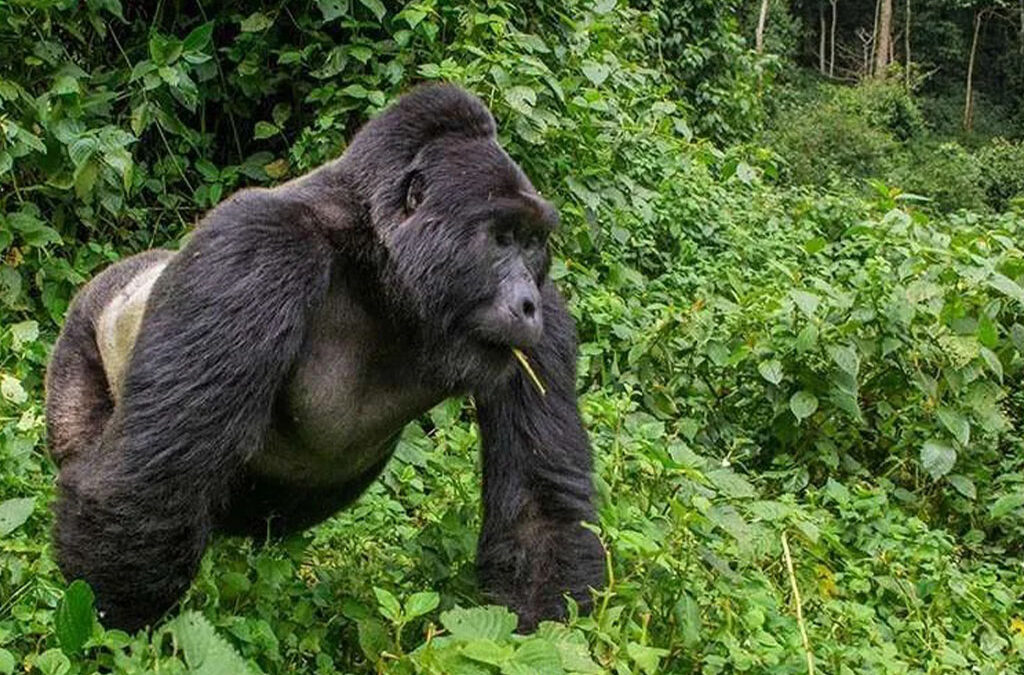
Have you ever wondered whether a gorilla remembers the people it encounters in the forest? It is one of the most interesting questions travellers ask before embarking on gorilla trekking in Uganda, Rwanda and the Democratic Republic of Congo. After all, spending an hour observing a family of mountain gorillas at close range is an extraordinary wildlife experience. However, what happens when the visitors leave? Do the gorillas remember them, recognize their faces or simply continue with their daily activities?
The answer is fascinating. Gorillas can recognize familiar humans, particularly the trackers, researchers, veterinarians and park rangers who interact with them regularly. They rely on their intelligence, memory, senses and ability to observe behaviour when responding to people around them. Nevertheless, scientists have not established that wild gorillas remember individual tourists after a single encounter.
Understanding how gorillas recognize humans makes a trekking experience even more meaningful. It also helps visitors appreciate why responsible behaviour and respect for wildlife are essential during encounters.
How Do Gorillas Recognize Humans?
Gorillas are highly intelligent primates with complex social relationships and impressive learning abilities. They live in family groups, communicate through different vocalizations and gestures, and remember individuals within their social environment.
Although researchers continue to study how gorillas perceive people, several factors help explain their ability to recognize familiar humans.
1. Intelligence and Social Awareness
Gorillas have advanced cognitive abilities that help them learn from experience, remember familiar individuals and respond appropriately to different situations. Their social lives depend on recognizing group members, understanding relationships and interpreting behaviour.
They can distinguish between familiar and unfamiliar individuals within their environment. Through repeated encounters, gorillas also become accustomed to the people who regularly monitor their families.
For example, a mountain gorilla family living in Bwindi Impenetrable National Park may encounter the same trackers almost every day. Over time, these repeated interactions help the animals become familiar with their presence, movements and behaviour.
This familiarity does not mean that gorillas consider humans members of their families. Rather, they learn to tolerate familiar people who behave consistently and do not threaten them.
2. Visual Recognition: Can Gorillas Recognize Human Faces?
Vision plays an important role in how gorillas understand their surroundings. They observe body movements, posture, physical appearance and other visual characteristics when encountering people.
Researchers and trackers who spend considerable time with habituated gorilla families become familiar through repeated exposure. Gorillas may learn to associate their appearance and movements with predictable, non-threatening encounters.
However, it is important to distinguish between recognizing a familiar person and identifying someone by their face alone. Although gorillas have strong visual and memory abilities, the precise extent of their facial recognition of individual humans in the wild remains an area requiring further research.
For tourists, this explains why maintaining calm body language and avoiding sudden movements are important during gorilla trekking.
3. The Role of Smell in Gorilla Recognition
Like other primates, gorillas use their sense of smell to gather information about their environment. Scent can help them identify food, detect other animals and respond to changes around them.
Mountain gorillas also communicate through natural body odours and scent-related signals. Consequently, smell may contribute to how they perceive familiar and unfamiliar individuals.
Trackers who regularly follow a gorilla family become part of its familiar environment. However, there is limited direct evidence that gorillas identify individual human visitors primarily through their scent.
Visitors should therefore avoid strong perfumes and unnecessary scented products during trekking. More importantly, they should follow park guidelines designed to protect gorillas from disturbances and potential disease transmission.
4. Gorillas Observe Human Behaviour
One fascinating aspect of gorilla behaviour is their ability to respond to body language and movement. During trekking, visitors quickly notice how attentive these animals are to their surroundings.
Gorillas observe how people approach, move and behave. Sudden movements, loud voices or aggressive gestures can make them uncomfortable, particularly when they involve young gorillas or disrupt the group’s activities.
On the other hand, calm movements and quiet observation help create a less disturbing environment.
This is why experienced trackers guide visitors throughout the encounter. They understand gorilla behaviour and help tourists maintain appropriate distances while avoiding actions that could provoke unnecessary reactions.
Gorilla Habituation: Why Gorillas Become Comfortable Around Humans
Gorilla habituation is the gradual process of helping wild gorillas become accustomed to the presence of humans without changing their natural behaviour.
This process is essential for responsible gorilla tourism and scientific research. It requires patience, consistency and considerable knowledge of gorilla behaviour.
Depending on the gorilla family and its response to human presence, habituation can take several years. During this period, trained trackers and researchers gradually introduce themselves to the animals while observing strict conservation guidelines.
Their activities include:
- Following the gorilla family and monitoring its movements.
- Observing feeding, resting and social activities.
- Maintaining appropriate distances.
- Learning individual gorilla characteristics and behaviour.
- Introducing regular, predictable human presence without causing unnecessary disturbance.
Eventually, some gorilla families become sufficiently accustomed to human observers to participate in controlled tourism activities.
Visitors can experience habituated mountain gorillas in several protected areas, including:
- Bwindi Impenetrable National Park, Uganda.
- Mgahinga Gorilla National Park, Uganda.
- Volcanoes National Park, Rwanda.
- Virunga National Park, Democratic Republic of Congo, subject to current park access and security arrangements.
In Uganda, visitors can also participate in the gorilla habituation experience in Bwindi, which allows more time with a gorilla family undergoing habituation under the guidance of researchers and trackers.
Do Gorillas Remember Individual Tourists?
This is where the question becomes particularly interesting. Although gorillas recognize familiar humans, there is no conclusive evidence that they consistently remember individual tourists after a brief encounter.
Most standard gorilla trekking experiences allow visitors a maximum of one hour with a habituated gorilla family. During this time, tourists observe the animals feeding, playing, resting and interacting with one another.
After the encounter, visitors leave the forest, and the gorillas continue with their daily activities.
Unlike trackers and researchers, tourists do not have repeated interactions with the same family. Therefore, it is difficult to establish whether a gorilla remembers a particular visitor after such a short meeting.
However, gorillas may notice differences between individual visitors through their appearance, movements and behaviour. Their ability to remember familiar people should not be confused with a proven ability to remember every tourist they encounter.
Which Humans Do Gorillas Recognize?
Gorillas are more likely to become familiar with people who interact with them regularly. These individuals play important roles in research, veterinary care, monitoring and conservation.
Trackers and park rangers: They spend considerable time monitoring gorilla families, locating them in the forest and ensuring that trekking activities follow conservation guidelines.
Researchers: They regularly observe gorillas, collect behavioural information and monitor changes within their families and habitats.
Veterinarians: Gorilla veterinarians, including specialists involved in mountain gorilla conservation, sometimes interact with individual animals when providing medical treatment.
Conservation personnel: These professionals support gorilla monitoring, habitat protection and other activities that contribute to long-term survival.
Through repeated encounters, gorillas become accustomed to these familiar individuals. Their presence becomes part of the animals’ regular environment.
Do Gorillas Know Humans Are Different From Them?
Gorillas clearly respond differently to humans and members of their own species. They have distinct physical characteristics, movements, vocalizations and social behaviours that distinguish people from other gorillas.
However, it would be difficult to establish exactly how gorillas mentally classify humans or whether they understand the scientific concept of different species.
What researchers can observe is how gorillas respond to human presence. Habituated families generally tolerate controlled encounters with familiar trackers and visitors, provided people follow the established guidelines.
Despite this tolerance, gorillas remain wild animals. They should never be treated as domesticated pets or encouraged to interact physically with visitors.
Do Gorillas Develop Emotional Connections With Humans?
Gorillas are social animals capable of forming strong relationships within their families. They demonstrate affection, cooperation, playfulness and protective behaviour towards other members of their groups.
Repeated contact with familiar humans may also produce signs of tolerance and familiarity. For example, a gorilla may continue feeding or resting comfortably while familiar trackers observe nearby.
Some gorillas may display relaxed behaviour in the presence of people they regularly encounter. However, these observations should not automatically be interpreted as human-like emotional attachment.
The relationship between gorillas and conservation workers is built primarily on familiarity, predictable behaviour and carefully managed interactions.
For visitors, the best approach is to appreciate these remarkable animals without expecting physical contact or personal interaction.
Why Don’t Habituated Gorillas Usually Attack Tourists?
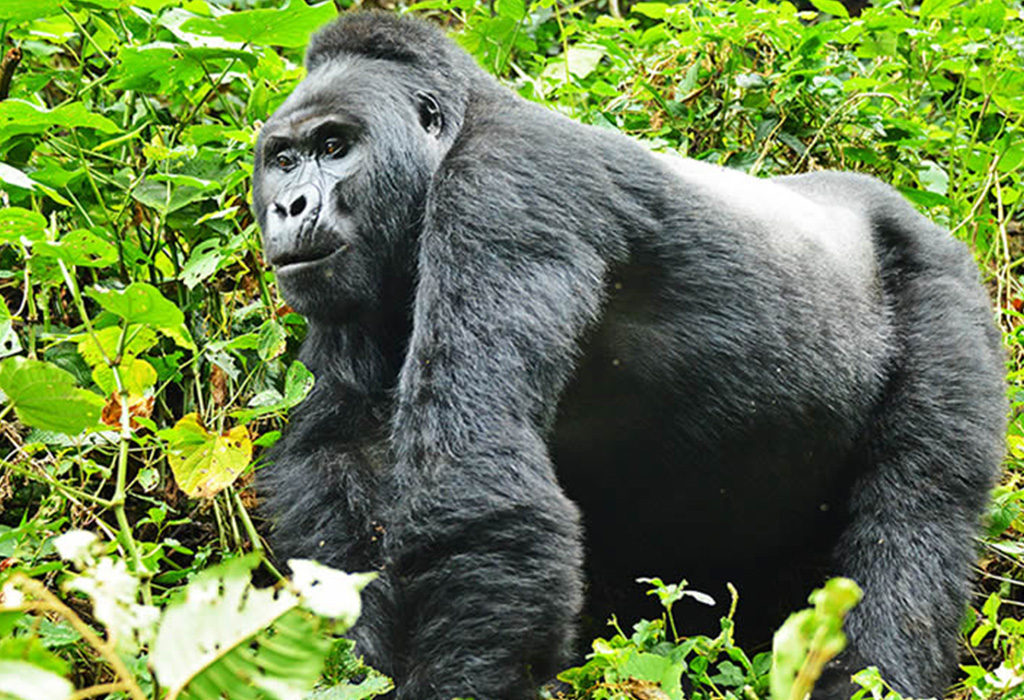
Many first-time trekkers worry about encountering a large silverback gorilla in the forest. Considering that an adult male can weigh well over 150 kilograms, this concern is understandable.
Fortunately, properly managed gorilla trekking encounters are generally peaceful. Habituated gorillas have become accustomed to the controlled presence of humans, while trained guides help visitors behave appropriately.
Nevertheless, gorillas are powerful wild animals, and their behaviour can be unpredictable. They may display dominance, make warning vocalizations, beat their chests or charge when they feel threatened.
Visitors should therefore:
- Remain calm and follow the ranger’s instructions.
- Avoid running or making sudden movements.
- Never surround a gorilla or block its movement.
- Avoid staring directly into its eyes.
- Keep the recommended distance, following the current park regulations.
- Never touch or attempt to feed a gorilla.
- Keep voices low and avoid unnecessary noise.
These precautions protect both visitors and gorillas while allowing the animals to continue their natural activities.
Tips for Making Your Gorilla Trekking Experience Respectful
Whether you are trekking in Uganda, Rwanda or the Democratic Republic of Congo, responsible behaviour makes a significant difference.
Before entering the forest, listen carefully to the briefing provided by park authorities. Rangers explain the rules, appropriate distances and how to respond if a gorilla approaches.
During the encounter, avoid sudden movements, loud conversations and unnecessary photography disturbances. If a gorilla moves closer, remain calm and follow your guide’s instructions rather than attempting to move towards it.
Visitors who feel unwell, particularly those experiencing symptoms of respiratory infections, should inform park authorities before trekking. Gorillas are susceptible to several human diseases, making responsible health precautions essential.
Remember that the purpose of gorilla trekking is to observe these magnificent primates in their natural habitat, not to establish physical contact with them.
Why Understanding Gorilla Recognition Matters for Conservation
Understanding how gorillas respond to humans encourages more responsible wildlife tourism. It reminds visitors that every encounter involves living animals with individual behaviours, social relationships and natural boundaries.
Gorilla tourism also contributes to conservation through permit revenue, employment opportunities and support for communities living near protected areas.
In Uganda and Rwanda, gorilla trekking provides an important source of funding for wildlife protection and helps support the livelihoods of local communities.
When travellers purchase legitimate permits and follow park regulations, they contribute to conservation efforts that protect mountain gorillas and their forest habitats.
For travellers planning a gorilla trekking adventure, Experiya Tour Company can help organize guided experiences in Uganda and Rwanda, including gorilla trekking, accommodation, transportation and other safari activities.
Final Thoughts: Do Gorillas Really Recognize Humans?
Yes, gorillas can recognize familiar humans, particularly those who interact with them regularly. Their intelligence, memory, senses and ability to observe behaviour help them become accustomed to familiar trackers, researchers and conservation workers.
However, whether they remember individual tourists after a single trekking experience remains uncertain. A one-hour encounter does not provide enough evidence to conclude that a gorilla will recognize the same visitor during a future meeting.
Ultimately, gorilla trekking is not simply about seeing a rare primate at close range. It is an opportunity to understand the intelligence, social behaviour and conservation needs of one of the world’s most remarkable animals.
Whether you visit Bwindi Impenetrable National Park, Mgahinga Gorilla National Park or Volcanoes National Park, remember to respect their space, follow your ranger’s instructions and appreciate the experience without disturbing their natural behaviour.