What Is the Largest Natural Forest in Rwanda?
September 29, 2026
How to Book Gorilla Trekking in Rwanda
September 30, 2026
Gorilla trekking in Uganda is one of those experiences that stays with you long after you leave the forest. However, before you picture yourself standing quietly beside a mountain gorilla family, there is one practical question worth answering: how fit do you need to be for Uganda gorilla trekking?
The good news is that you do not need to be a professional athlete or an experienced mountaineer. However, you should have enough stamina, balance, and leg strength to walk through steep, uneven, and sometimes muddy forest terrain for several hours.
At Experiya Tour Company, we help travelers understand what the trek actually involves so they can prepare realistically. Bwindi Impenetrable National Park covers rugged mountainous terrain, and the duration and difficulty of a trek can vary considerably depending on where the gorilla family is located.
With sensible preparation, the right equipment, a steady pace, and support from experienced guides and porters, many travelers with different fitness levels can enjoy this remarkable Uganda safari experience.
What Makes Uganda Gorilla Trekking Physically Demanding?
The biggest challenge is not simply walking. Instead, it is the combination of steep slopes, slippery ground, dense vegetation, changing weather, and the possibility of spending several hours on the trail.
Bwindi’s landscape includes ridges, valleys, forest paths, exposed roots, and uneven ground. Consequently, your body works harder than it would during an ordinary walk on a paved road.
You may need to:
- Walk uphill and downhill for extended periods.
- Step over roots and branches.
- Maintain your balance on muddy or slippery sections.
- Move carefully through dense vegetation.
- Stop, crouch, or stand while observing gorillas.
- Continue walking when the gorillas move deeper into the forest.
For that reason, Uganda gorilla trekking fitness is primarily about endurance and mobility rather than athletic performance.
How Long Do You Need to Walk During a Gorilla Trek?
One of the most important things to understand about gorilla trekking is that the exact walking time cannot always be predicted.
Gorilla families move through the forest while feeding, resting, and traveling. Some groups may remain relatively close to the trailhead, while others can take trekkers farther into the forest.
Therefore, you should prepare for several hours of physical activity rather than expecting a short nature walk.
The pace normally remains manageable because guides and trackers lead the group according to the terrain and circumstances. You can also take breaks when necessary.
A good preparation target is to become comfortable with walking continuously for a few hours, especially on uneven terrain.
Do You Need to Be Very Fit for Bwindi Gorilla Trekking?
No. You do not need exceptional fitness to participate in a standard gorilla trek.
However, your experience will generally become easier if you have reasonable cardiovascular fitness and strong legs. Someone who regularly walks, hikes, cycles, or exercises will usually find it easier to manage the physical demands than someone who rarely exercises.
Your preparation should focus on practical fitness rather than trying to achieve an athlete’s physique.
Before traveling, work on:
- Cardiovascular endurance.
- Leg and hip strength.
- Core stability.
- Balance and flexibility.
- Comfortable walking over uneven surfaces.
Most importantly, build your fitness gradually. You do not need to exhaust yourself with extreme workouts immediately before your safari.
How to Prepare for Uganda Gorilla Trekking
If your trip is several months away, you have plenty of time to prepare. Start with regular walking and gradually introduce hills or uneven trails.
For example, you could walk three or four times each week and increase the duration as your fitness improves. If you have access to hiking trails, include them in your routine because they provide a better approximation of the terrain around Bwindi.
Strength exercises can also help. Squats, lunges, step-ups, and gentle core exercises can prepare your legs and body for repeated climbing and descending.
A practical preparation routine can include:
- Walking: Build up to longer walks several times a week.
- Hiking: Include hills and uneven surfaces where possible.
- Cycling: Improve general cardiovascular endurance.
- Squats and lunges: Strengthen the muscles used for climbing.
- Step-ups: Prepare your legs for repeated elevation changes.
- Stretching: Maintain comfortable movement and flexibility.
Start slowly if you are not currently active. If you have a medical condition or concerns about strenuous exercise, speak with an appropriate healthcare professional before beginning a new training program.
What Should You Expect From the Bwindi Terrain?
The terrain is one of the defining features of gorilla trekking in Uganda.
Bwindi is not a flat woodland where you simply follow a marked path. Instead, you enter a thick tropical rainforest characterized by steep slopes, tangled vegetation, and uneven ground.
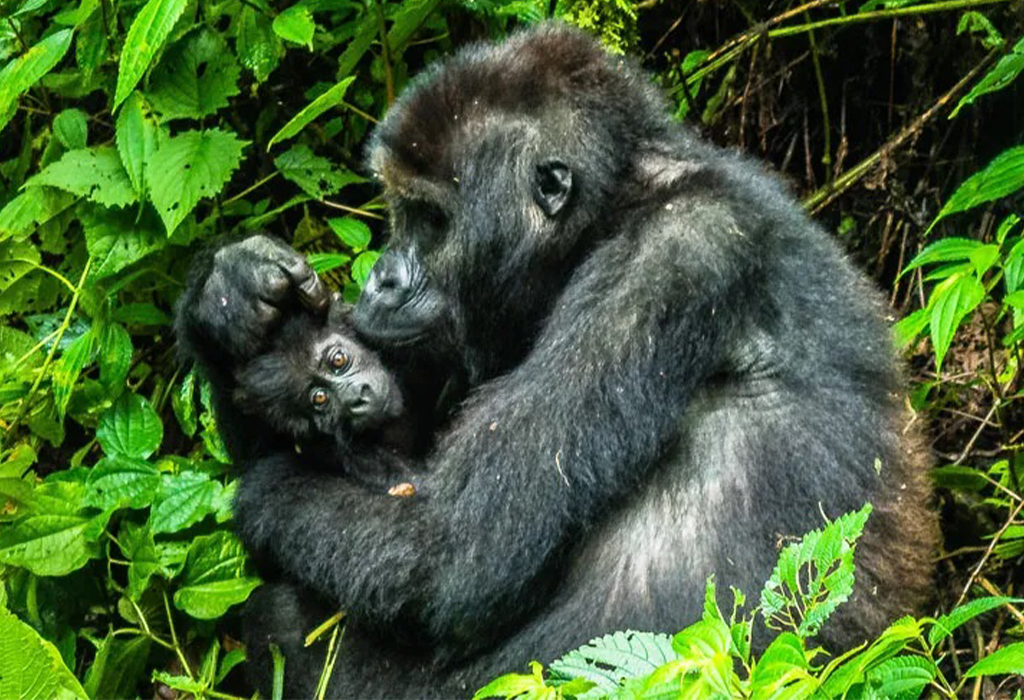
Rain can also change the experience quickly. A trail that feels manageable in one section may become slippery after a shower.
Therefore, your footwear matters enormously. Choose sturdy, comfortable hiking boots with good grip, and break them in before your trip.
You should also carry useful items such as:
- Waterproof clothing or a rain jacket.
- Hiking trousers.
- Gardening-style gloves for protecting your hands.
- Water and personal snacks where permitted.
- A small backpack.
- Walking poles if you normally use them.
- Gaiters for muddy conditions.
Good preparation will not remove every challenge, but it can make the trek considerably more comfortable.
Does Altitude Make Gorilla Trekking Harder?
Bwindi’s mountainous environment can make physical activity feel more demanding than a normal walk at lower elevation.
If you are not accustomed to hilly terrain, you may notice that you breathe more heavily while climbing. That does not automatically mean you are unfit. Steep gradients simply require more effort from your heart and muscles.
Take your time and avoid trying to match another trekker’s pace. A comfortable, consistent rhythm is often better than rushing uphill and becoming exhausted.
Drink enough water, take reasonable breaks, and communicate with your guide if you feel unusually tired or unwell.
At Experiya Tour Company, we encourage travelers to treat the trek as a journey rather than a race. The forest itself is part of the experience, so there is no benefit in rushing through it.
Can Older Travelers Go Gorilla Trekking?
Age alone does not determine whether someone can enjoy gorilla trekking. Fitness, mobility and general health are more relevant factors.
Older travelers who regularly walk or hike may manage the experience comfortably, while a younger person with little physical activity may find the terrain challenging.
If you have concerns about mobility, discuss them with your tour operator before booking. The choice of trekking sector, accommodation location and available support can make a meaningful difference.
You can also request a porter to carry your daypack and assist you on difficult sections.
Why Hiring a Gorilla Trekking Porter Helps
A porter can make a significant difference, particularly when the trail becomes steep or you want to conserve energy.
Porters can carry your backpack and provide physical assistance when you need help negotiating challenging sections. More importantly, hiring a local porter directly contributes to communities surrounding the protected area.
You do not have to wait until you feel exhausted before using one. Even relatively fit travelers often appreciate the additional support because it allows them to concentrate on the forest, photography and gorilla encounter.
What About Travelers With Limited Fitness?
Limited fitness does not necessarily mean you must abandon your gorilla trekking plans.
Instead, be realistic about your capabilities and communicate them before the trek. Your tour operator can help you understand the available options and prepare appropriately.
If necessary, consider:
- Training gradually before your safari.
- Hiring a porter.
- Choosing suitable accommodation close to the trailhead.
- Carrying only essential items.
- Using walking poles for additional stability.
- Maintaining a slow and comfortable pace.
Most importantly, never feel embarrassed about taking breaks. Gorilla trekking is not a competition.
Weather Can Change the Difficulty
Rain is part of the rainforest experience, and it can make the trails considerably more slippery.
The drier months can offer firmer trail conditions, although rainfall remains possible because Bwindi is a rainforest environment. During wetter periods, expect more mud and potentially more difficult footing.
Consequently, good waterproof clothing and footwear are useful regardless of when you travel.
Your guide will also help you navigate challenging sections safely. Follow instructions carefully, especially when crossing slippery ground or moving through dense vegetation.
Staying Comfortable During the Gorilla Encounter
Reaching the gorillas is only part of the physical experience. Once you find the family, you may need to stand quietly, walk a short distance, crouch or remain in one position while observing them.
This is where balance and flexibility become useful.
You should also follow the instructions of the park authorities and guides concerning distance, movement and interaction with the gorillas. These rules protect both visitors and wildlife.
Rather than focusing entirely on taking photographs, allow yourself time to watch the gorillas’ behavior. Their feeding, grooming, playing and communication can be just as fascinating as the first sighting.
Rest and Recovery After the Trek
After several hours in the forest, your body will appreciate a comfortable place to rest.
Choose accommodation that suits your needs, particularly if you have mobility concerns. Some lodges around Bwindi are located on steep hillsides, so ask about access before booking.
A nutritious meal, adequate hydration and a good night’s sleep will help your body recover.
If you have another safari activity planned for the following day, avoid overloading your schedule immediately after the trek.
So, How Fit Do You Really Need to Be?
The simplest answer is this: you need moderate fitness rather than exceptional fitness for Uganda gorilla trekking.
You should ideally be comfortable walking for several hours and handling hills, uneven ground and occasional muddy conditions. However, you do not need to be a marathon runner, professional hiker or gym enthusiast.
Start preparing several weeks or months before your trip. Walk regularly, strengthen your legs, improve your cardiovascular endurance, and practice on hills whenever possible.
Most importantly, listen to your body and use the support available to you.
Experience Uganda Gorilla Trekking With Experiya Tour Company
Gorilla trekking demands preparation, but the physical challenge forms only one part of the adventure. The moment you enter Bwindi’s ancient forest, you become part of an extraordinary ecosystem filled with birds, monkeys, butterflies, towering trees, and other forms of wildlife.
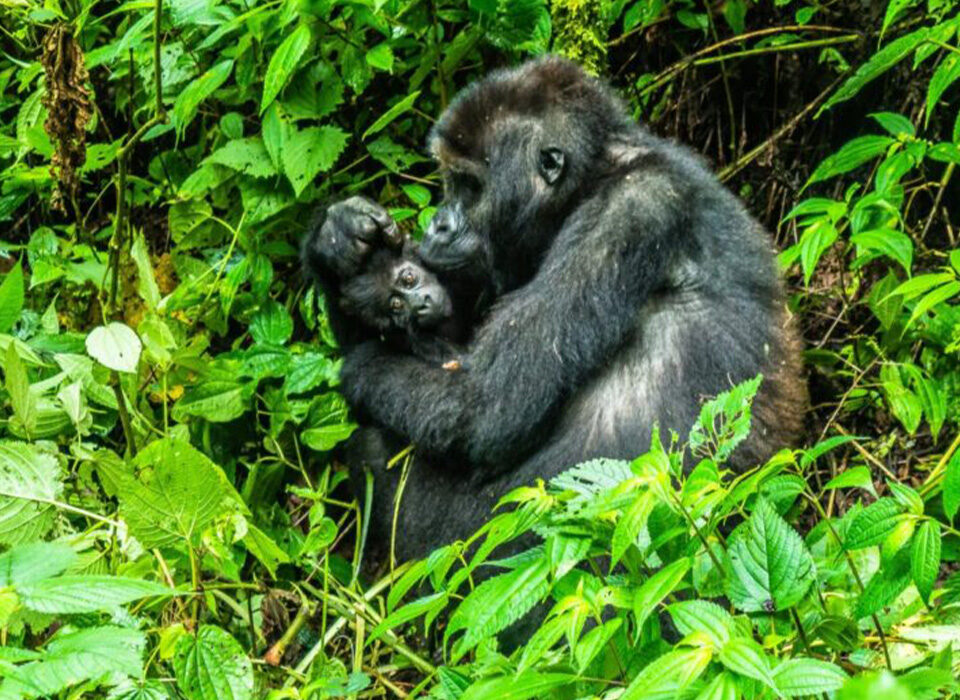
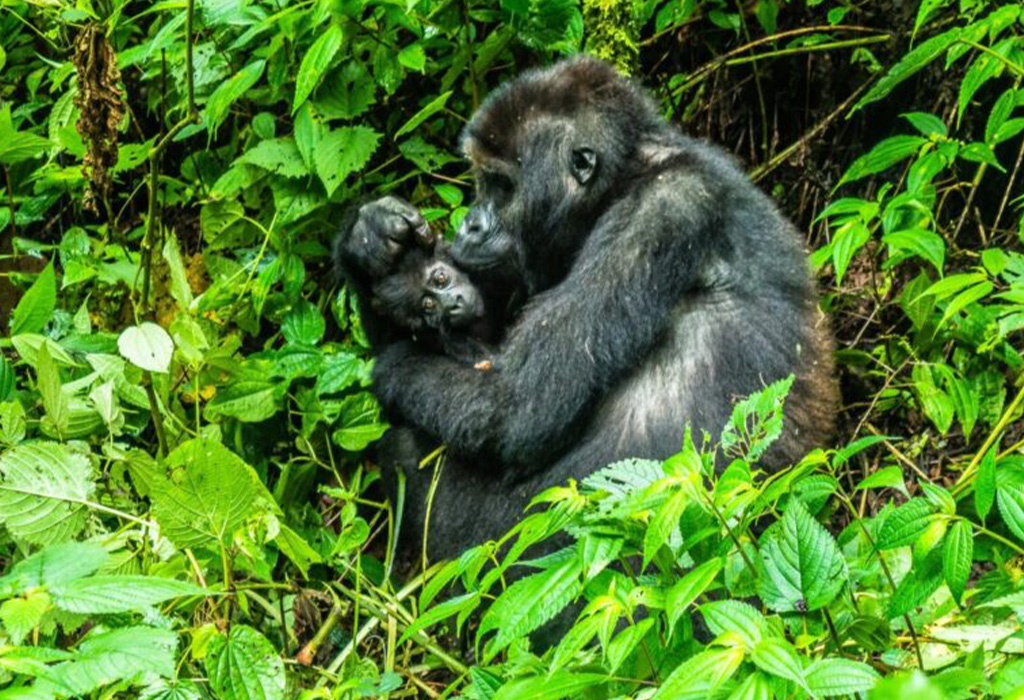
Then comes the moment every trekker hopes for: finding a mountain gorilla family in the forest.
At Experiya Tour Company, we help travelers prepare for the practical realities of their Uganda safari, from choosing the right itinerary and accommodation to arranging experienced guides and porter support.
If you are wondering how fit you need to be for Uganda gorilla trekking, do not let uncertainty stop you from planning. Assess your current fitness honestly, prepare gradually, and choose an itinerary that matches your abilities.
With the right preparation and a patient approach, the journey through Bwindi can become one of the most memorable experiences of your Uganda safari.