Why Is Bwindi Forest Referred to as an Impenetrable Forest?
June 16, 2026
Where Is Mgahinga Gorilla National Park Located?
June 17, 2026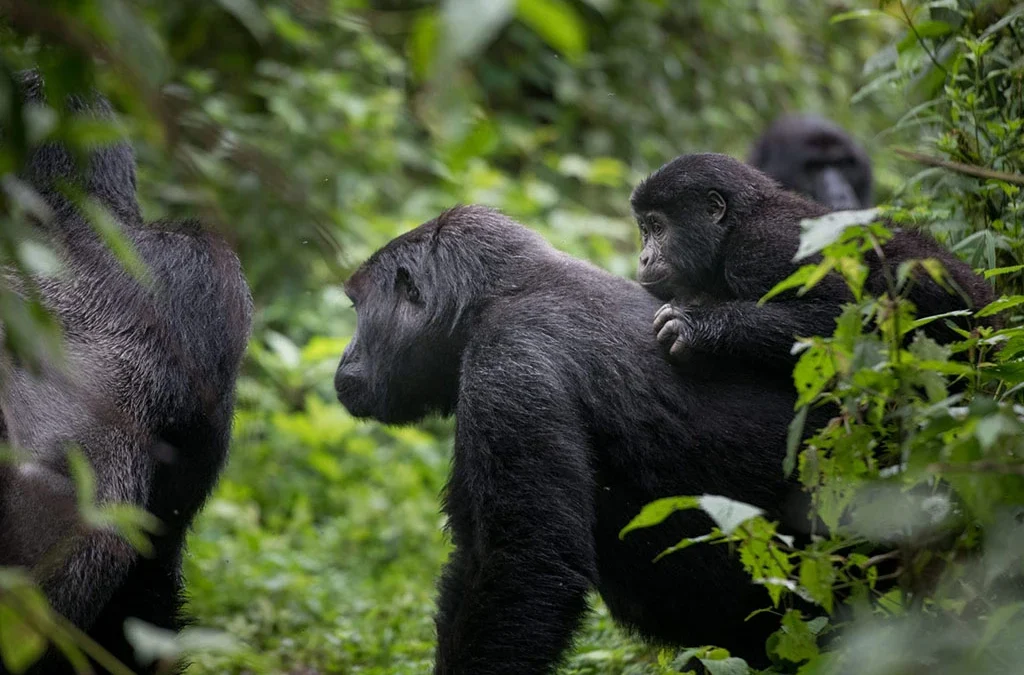
Rwanda’s gorilla families have earned worldwide recognition for offering one of the most remarkable wildlife experiences on Earth. Every year, thousands of travelers, conservationists, wildlife photographers, and nature enthusiasts visit Rwanda to witness endangered mountain gorillas in their natural habitat. Nestled within the spectacular Virunga Mountains, these gorilla families attract global attention because of their fascinating social structures, successful conservation story, accessibility to visitors, and the life-changing encounters they provide.
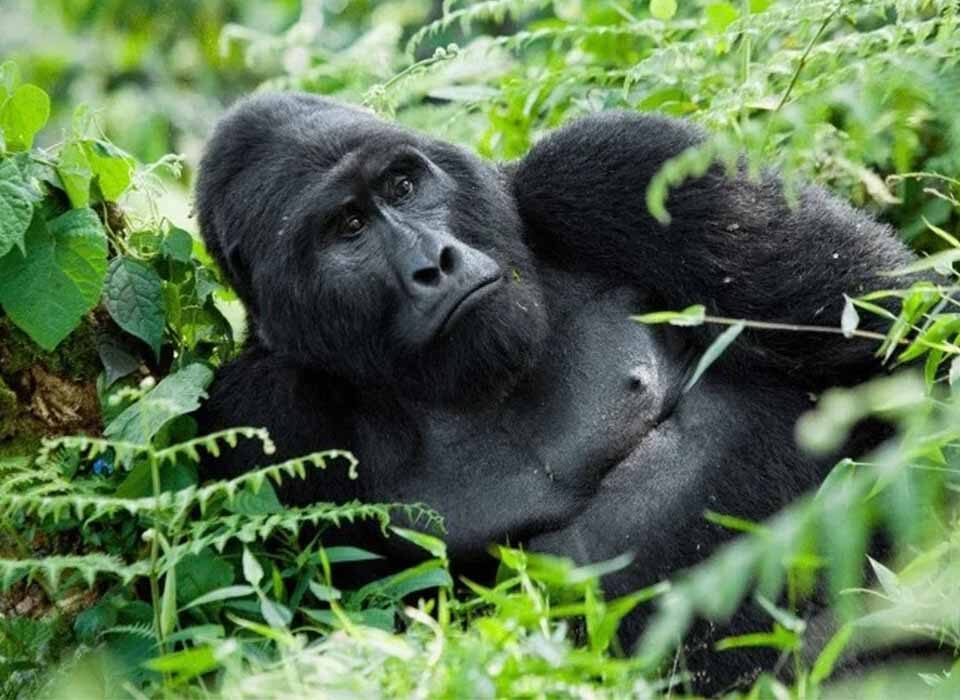
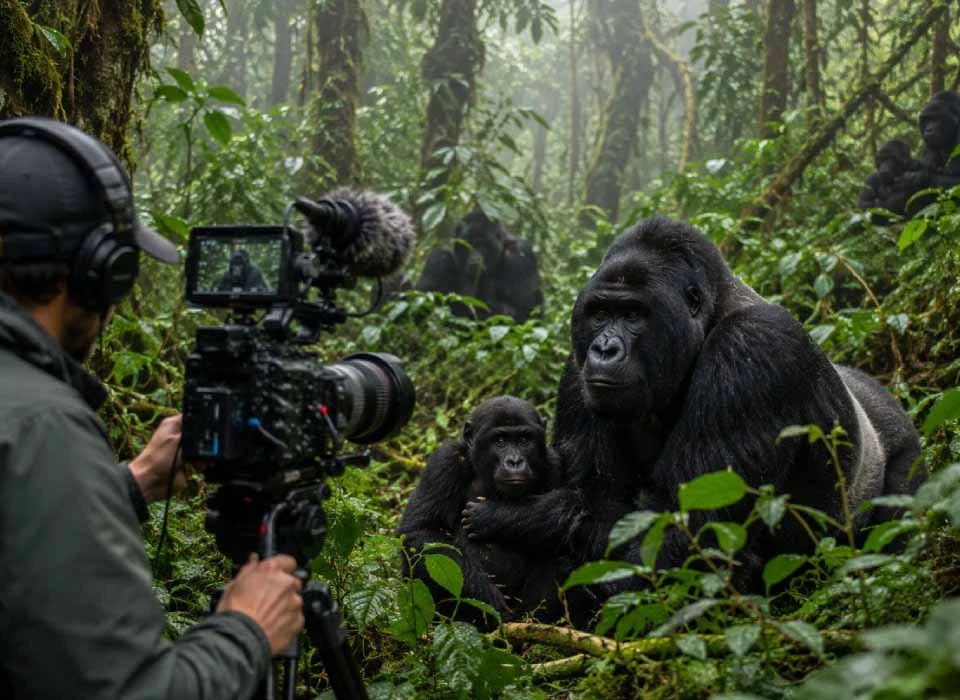
Unlike many wildlife experiences where animals remain far away, Rwanda Safaris allow visitors to observe mountain gorillas from a close yet respectful distance. Watching a silverback lead his family, seeing mothers care for their infants, or witnessing young gorillas playing among the forest vegetation creates an emotional connection that few safari experiences can match. These intimate encounters help travelers understand why Rwanda’s gorilla families have become icons of wildlife conservation across the world.
Beyond gorilla trekking, Rwanda offers an incredible combination of culture, biodiversity, scenic beauty, and sustainable tourism. Visitors can combine gorilla trekking with Rwanda Cultural Safaris, Rwanda Birding Safaris, and even extended Uganda Safaris for a complete East African adventure. As a result, Rwanda continues to strengthen its reputation as one of Africa’s most rewarding safari destinations.
Why Volcanoes National Park Is the Center of Rwanda’s Gorilla Tourism
When discussing why Rwanda’s gorilla families are famous worldwide, Volcanoes National Park stands at the heart of the story. Located in the northwestern region of Rwanda, this protected area safeguards a significant portion of the remaining mountain gorilla population. The park forms part of the larger Virunga Conservation Area, which stretches across Rwanda, Uganda, and the Democratic Republic of Congo.
Volcanoes National Park captivates visitors with its dramatic volcanic peaks, dense bamboo forests, mist-covered slopes, and rich biodiversity. These stunning landscapes create the perfect environment for mountain gorillas to thrive. More importantly, the park provides travelers with a rare opportunity to observe habituated gorilla families living freely in their natural surroundings.
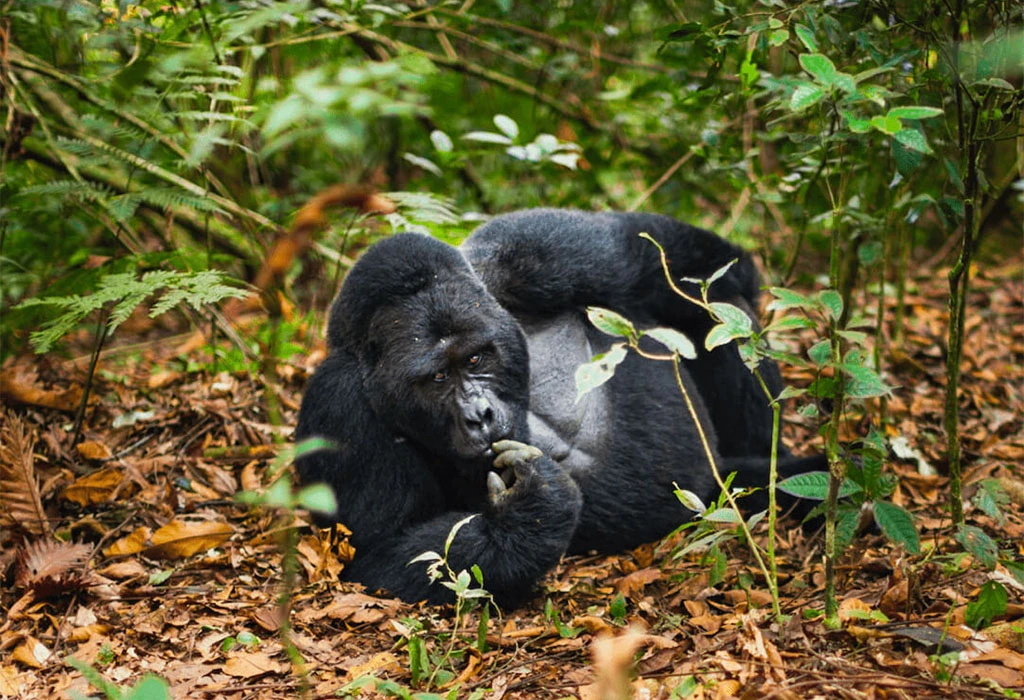
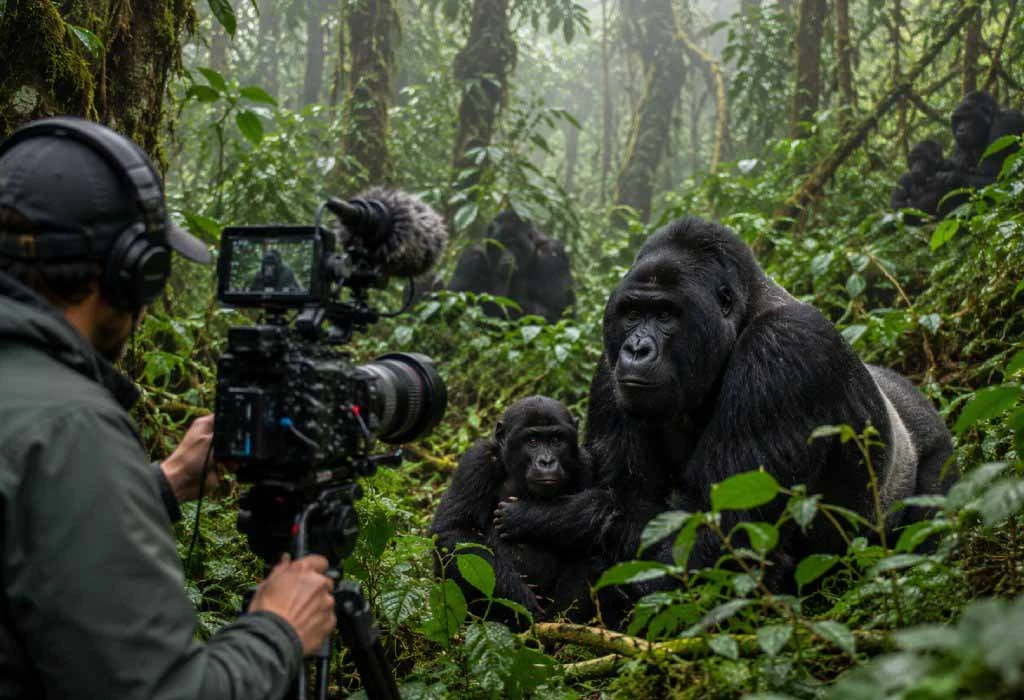
Several gorilla groups in the park have become internationally known through years of research, conservation work, documentaries, and carefully managed tourism programs. Professional guides and trackers lead visitors through the forest in search of these remarkable primates. Along the way, guests learn about gorilla behavior, ecology, and the ongoing efforts to protect them.
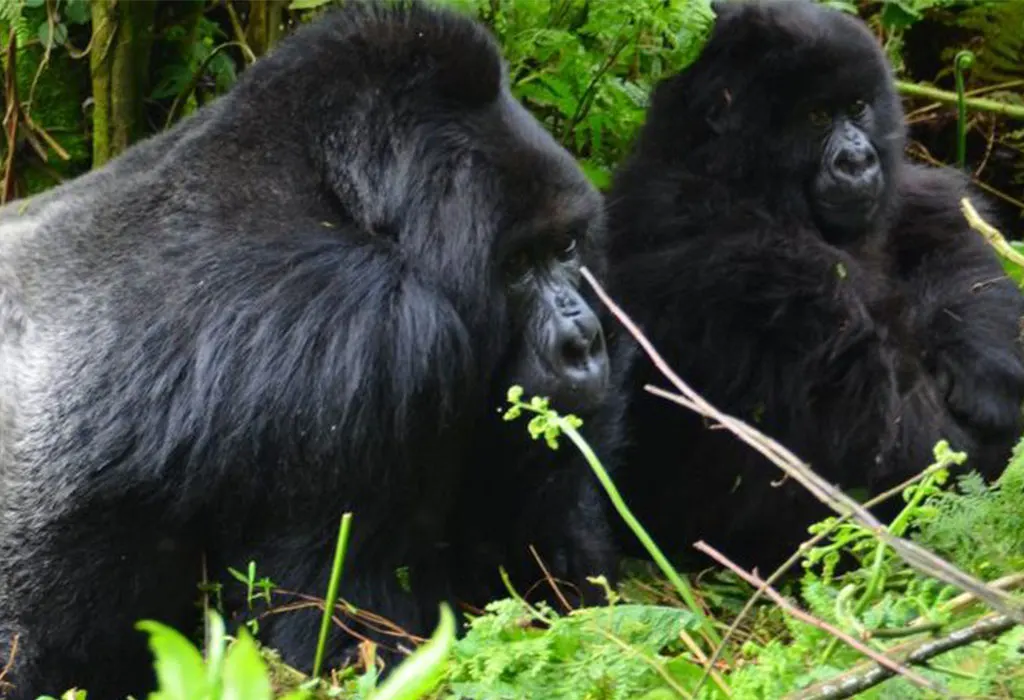
Once visitors reach a gorilla family, they spend an unforgettable hour observing the animals as they go about their daily activities. They may watch a silverback monitoring his group, juveniles wrestling playfully, or mothers nursing their young. These authentic interactions leave lasting memories and help explain why Rwanda’s gorilla families continue to attract global admiration.
How Conservation Made Rwanda’s Gorilla Families Famous
One of the most important reasons Rwanda’s gorilla families enjoy worldwide recognition is the country’s extraordinary conservation success. Decades ago, mountain gorillas faced severe threats from poaching, habitat destruction, disease, and human encroachment. Their future appeared uncertain, and conservationists feared their numbers would continue to decline.
However, Rwanda chose a different path. Through strong government commitment, international partnerships, scientific research, and community involvement, the country invested heavily in protecting its mountain gorillas and their habitat. These efforts transformed Rwanda into a global leader in wildlife conservation.
Today, gorilla tourism generates substantial revenue that directly supports conservation programs. The funds help finance anti-poaching patrols, habitat management, veterinary interventions, scientific research, and park operations. At the same time, local communities benefit through employment opportunities, infrastructure development, education initiatives, and healthcare programs.
This balanced approach demonstrates how conservation and tourism can work together successfully. Instead of viewing wildlife as a threat or competition for resources, local communities increasingly recognize mountain gorillas as valuable assets that contribute to their economic well-being.
Consequently, Rwanda’s conservation model has become an example for wildlife management programs around the world. The growth and stability of mountain gorilla populations serve as powerful evidence that dedicated conservation efforts can achieve meaningful results.
The Unique Social Life of Rwanda’s Gorilla Families
Another reason travelers remain fascinated by Rwanda’s gorilla families is their remarkably human-like behavior. Mountain gorillas share approximately 98 percent of their DNA with humans, making their social interactions especially captivating.
Each gorilla family revolves around a dominant silverback, who serves as leader and protector of the group. The silverback guides the family’s movements, resolves conflicts, and defends members against potential threats. His leadership plays a vital role in maintaining group stability.
Within the family, visitors observe complex relationships that closely resemble human family dynamics. Mothers display incredible care and patience while raising their infants. Young gorillas spend much of their time playing, climbing, and exploring their environment. Meanwhile, adults communicate through vocalizations, body language, facial expressions, and gestures.
These interactions often surprise visitors because they reveal emotions and behaviors that seem strikingly familiar. Travelers frequently describe their gorilla encounters as deeply moving and unexpectedly personal. This emotional connection helps explain why Rwanda’s gorilla families have captured the imagination of people worldwide.
Cultural Experiences That Enrich Gorilla Safaris
Although gorilla trekking remains the highlight of many Rwanda Safaris, the experience becomes even more rewarding when combined with cultural exploration. Rwanda’s rich heritage offers travelers opportunities to connect with local communities and gain a deeper understanding of the country’s traditions and history.
Rwanda Cultural Safaris introduce visitors to vibrant cultural centers and traditional villages where local residents proudly share their customs. Guests can enjoy energetic dance performances, traditional drumming, storytelling sessions, and demonstrations of ancient skills passed down through generations.
Visitors also learn about traditional farming methods, local cuisine, basket weaving, pottery making, and wood carving. These authentic experiences provide valuable insight into daily life in rural Rwanda and help travelers appreciate the strong relationship between local communities and conservation efforts.
Furthermore, cultural tourism creates additional income for community members living near protected areas. By supporting local livelihoods, tourism encourages positive attitudes toward wildlife conservation and reduces pressure on natural resources.
As a result, cultural experiences complement gorilla trekking perfectly, creating a more meaningful and balanced safari adventure.
Why Birdwatchers Also Love Rwanda
While mountain gorillas receive most of the attention, Rwanda also offers exceptional opportunities for birdwatching. For this reason, many nature enthusiasts combine gorilla trekking with Rwanda Birding Safaris to enjoy the country’s impressive biodiversity.
Volcanoes National Park supports numerous bird species, including several Albertine Rift endemics that birdwatchers eagerly seek. The park’s forests, bamboo zones, and high-altitude habitats provide excellent conditions for rare and colorful birds.
Experienced birding guides help visitors identify species while sharing fascinating information about the region’s ecology. Whether exploring forest trails or observing birds along scenic mountain slopes, travelers discover an entirely different side of Rwanda’s natural heritage.
Additionally, Rwanda’s compact size allows visitors to experience multiple attractions within a relatively short period. Travelers can enjoy gorilla trekking, birdwatching, cultural tours, and wildlife viewing without spending excessive time on long-distance travel.
This diversity makes Rwanda an attractive destination for visitors seeking more than a single wildlife experience.
The Best Time to Visit Rwanda’s Gorilla Families
One of Rwanda’s greatest advantages is that gorilla trekking takes place throughout the year. Because mountain gorillas remain in the forest regardless of the season, visitors can enjoy successful trekking experiences at any time.
Nevertheless, many travelers prefer visiting during the dry seasons from June to September and December to February. During these months, trails generally remain less muddy, making hiking more comfortable and photography conditions more favorable.
On the other hand, the rainy seasons offer their own advantages. The forests become exceptionally lush and green, visitor numbers decrease, and the landscapes appear even more dramatic. Although trails may become more challenging, many photographers appreciate the vibrant scenery and softer lighting conditions.
Ultimately, the best time to visit depends on personal preferences. Regardless of the season, Rwanda’s gorilla families continue to deliver unforgettable wildlife encounters.
Why Travel With Experiya Tour Company?
Choosing the right safari operator can significantly enhance your gorilla trekking experience. At Experiya Tour Company, we specialize in creating personalized Rwanda safari experiences that combine adventure, comfort, conservation, and cultural discovery.
Our carefully designed itineraries connect travelers with Rwanda’s famous gorilla families while also incorporating enriching cultural encounters, birdwatching opportunities, and optional extensions to neighboring destinations. We work with experienced guides who provide valuable insights into wildlife, local culture, and conservation efforts.
Additionally, we prioritize responsible tourism practices that support both conservation initiatives and local communities. Every journey reflects our commitment to delivering authentic experiences while helping preserve Rwanda’s natural treasures for future generations.
Whether your dream is to photograph mountain gorillas, explore Rwanda’s cultural heritage, enjoy birdwatching adventures, or combine Rwanda with Uganda Safaris, Experiya Tour Company ensures a seamless and memorable travel experience.
Conclusion
Rwanda’s gorilla families are famous worldwide because they represent far more than a wildlife attraction. They symbolize conservation success, resilience, biodiversity, and the powerful connection between humans and nature. Their fascinating social behavior, combined with Rwanda’s breathtaking landscapes and sustainable tourism model, creates an experience that continues to inspire travelers from around the globe.
A visit to Volcanoes National Park offers a rare opportunity to observe one of the world’s most endangered species in its natural environment while contributing directly to its protection. Combined with cultural experiences, birdwatching opportunities, and exceptional hospitality, gorilla trekking stands as the highlight of any Rwanda safari.
With Experiya Tour Company, travelers can experience these extraordinary primates while discovering the natural beauty, cultural richness, and conservation achievements that make Rwanda one of Africa’s most inspiring safari destinations.