Flight Options from the USA to Uganda
August 18, 2025
Top 8 Activities to Do at Lake Kivu
August 18, 2025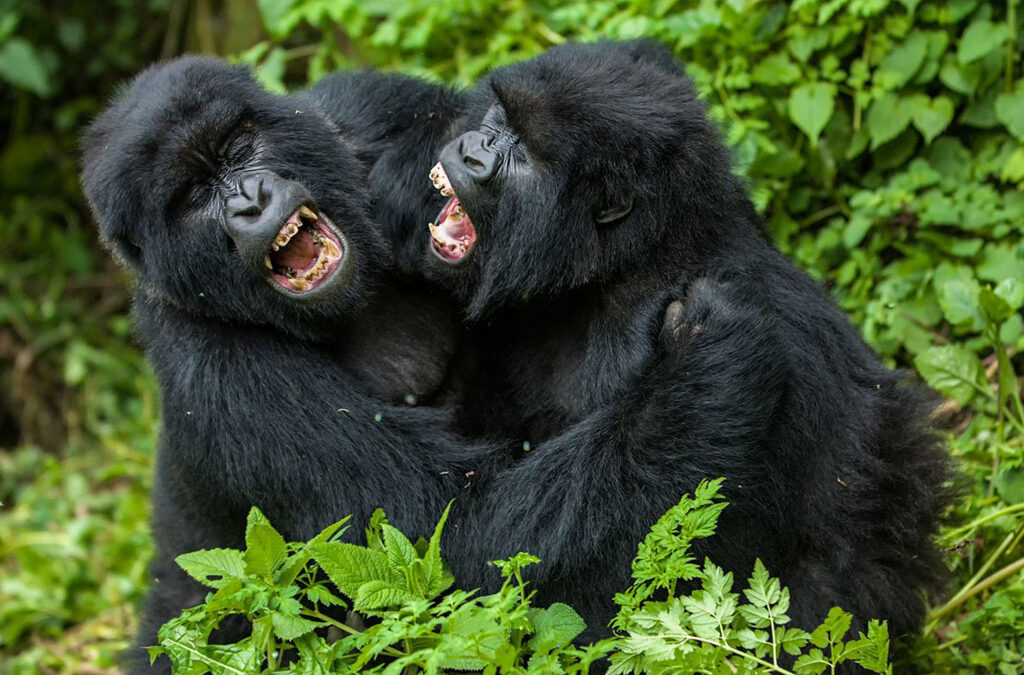
How Do Gorillas Communicate and What Sounds Do They Make?
Gorillas are among the most intelligent and socially complex primates on Earth. Much like humans, they depend on communication to share emotions, maintain order, and strengthen their family bonds. However, instead of spoken language, gorillas rely on a fascinating blend of sounds, gestures, facial expressions, and body movements.
Researchers have discovered more than 20–25 distinct gorilla sounds, although many are still being studied. These vocalizations may vary slightly across different groups and species, yet they all serve an essential role in daily gorilla life.
Gorilla Species and Subspecies
Scientists recognize two main gorilla species:
- Western gorillas
- Eastern gorillas
These two species divide further into four subspecies:
- Western lowland gorillas
- Cross River gorillas
- Mountain gorillas
- Eastern lowland gorillas
While each subspecies shows slight variations in vocal behavior, their core communication patterns remain strikingly similar.
Silverbacks and Their Role in Communication
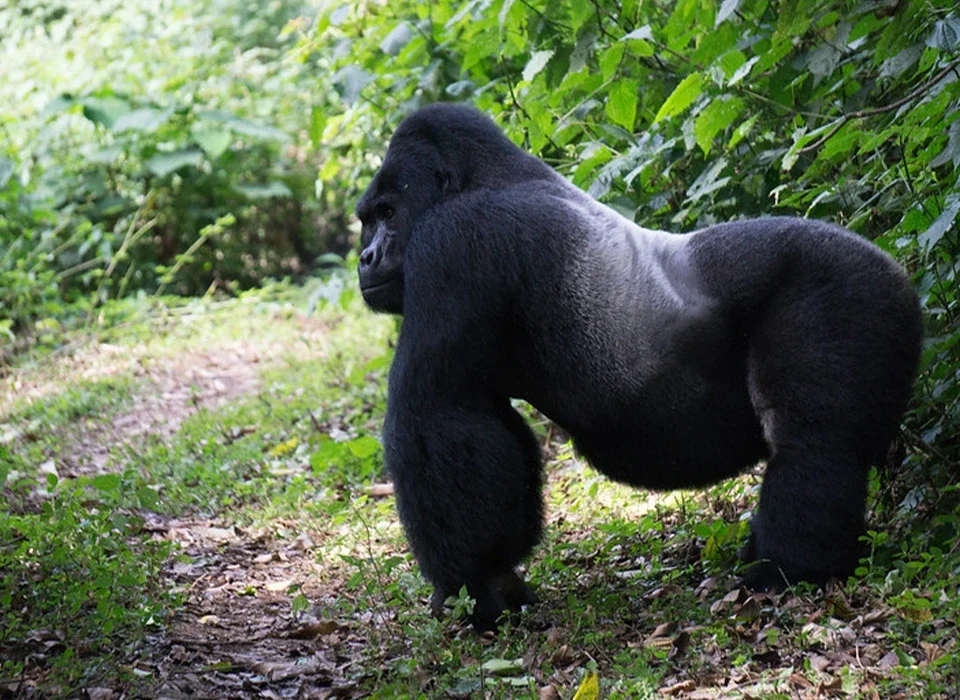
A silverback is not a separate species but an adult male gorilla with a distinctive grayish-white “saddle” across its back. Silverbacks play the central role in communication within the group. They lead by initiating calls, guiding group movements, and using impressive displays to maintain dominance.
Although both males and females vocalize, the tone, pitch, and purpose of these sounds often differ depending on sex and social status.
Main Types of Gorilla Communication
Gorillas use a wide range of vocal and non-vocal signals. Below are the most common and important forms:
1. Roars, Screams, and Hoots
Gorillas produce loud, dramatic calls when they feel threatened by predators or rival males. These explosive sounds often come with chest-beating and teeth-baring, sending a powerful message: “Stay away!” Such displays reinforce dominance while protecting the group.
2. Chest Beating
Perhaps the most iconic gorilla behavior, chest beating is usually performed by silverbacks. It acts as a symbol of strength and authority, echoing through the forest as both a warning to rivals and reassurance to family members. Contrary to popular belief, chest beating does not always signal aggression it often serves as a declaration of presence and power.
3. Silence
Silence itself can speak volumes. When danger lurks, gorillas may suddenly fall quiet and remain still. This collective silence communicates alertness and warns the group to pay close attention before making their next move.
4. Belch Vocalization
Known as a contact call, this deep rumbling “belch” expresses comfort and peaceful intent. Silverbacks use it frequently to reassure the group that all is safe. Interestingly, even humans trekking in gorilla habitats can mimic this sound to show they mean no harm.
5. Chuckling
Young gorillas often produce a raspy, laughter-like chuckle during play. This sound communicates joy and playfulness, inviting others to join the fun. Its resemblance to human laughter makes it one of the most endearing gorilla sounds.
6. Grunting
Low, guttural grunts sometimes called “pig grunts” serve as a way to maintain order. A gorilla may grunt to signal, “Back off from my food,” or to stop unwanted behavior. These short, firm sounds help avoid conflicts within the group.
7. Singing
Gorillas occasionally “sing” while eating, creating high-pitched, dog-like whines. This unusual vocalization reflects happiness and satisfaction, much like humans humming while enjoying a meal. Singing strengthens social bonds and contributes to a relaxed atmosphere.
Non-Vocal Communication
Gorilla communication extends far beyond sounds. They rely heavily on:
- Gestures – pointing, arm movements, or hand signals
- Facial expressions – raised brows, open mouths, or lip movements
- Postures – standing tall to show dominance or crouching to signal submission
- Touch – grooming or gentle contact to reinforce trust and unity
Often, gorillas combine vocalizations with these gestures to deliver messages with greater clarity and nuance.
Why Gorilla Communication Matters
Communication is the glue that holds gorilla families together. Through their signals, gorillas:
- Coordinate movements and foraging
- Strengthen family and social bonds
- Prevent unnecessary conflict
- Teach and guide the young
- Protect the group from predators and rivals
By studying these behaviors, scientists not only gain insights into gorilla intelligence and emotions but also uncover remarkable parallels with human communication.
Conclusion
Gorilla communication is both rich and deeply social. From thunderous roars and rhythmic chest beats to playful chuckles and gentle belches, every sound and gesture carries meaning. These signals allow gorillas to maintain harmony, safeguard survival, and nurture the strong bonds that define their society.
Watching gorillas interact reminds us of our shared roots revealing how much of our own communication, emotion, and community spirit we truly have in common with these gentle giants.
Popular Tour Packages
- 2 Days Bwindi Gorilla Trek
- 2 Days Golden Monkey Trekking in Rwanda
- 3 Days Rwanda Gorilla Tour and Golden Monkeys
- 3 Days Lake Bunyonyi and Gorilla Trekking
- 3 Days Masai Mara National Reserve Safari
- 4 Days Queen Elizabeth Safari
- 5 Days Murchison Falls Safari
- 5 Days Uganda Primates Safari
- 6 Days in Kibale, Bwindi and Murchison Falls