How Long Is Gorilla Trekking in Rwanda?
August 27, 2026
What Should I Know Before Arriving in Rwanda?
August 28, 2026
How long does gorilla trekking take in Uganda and Rwanda? This is one of the first questions travelers ask when planning a gorilla safari in East Africa. Unlike a traditional game drive, gorilla trekking does not follow a fixed route or timetable. You may reach a gorilla family within an hour, or you may spend several hours hiking through dense forest before finding them.
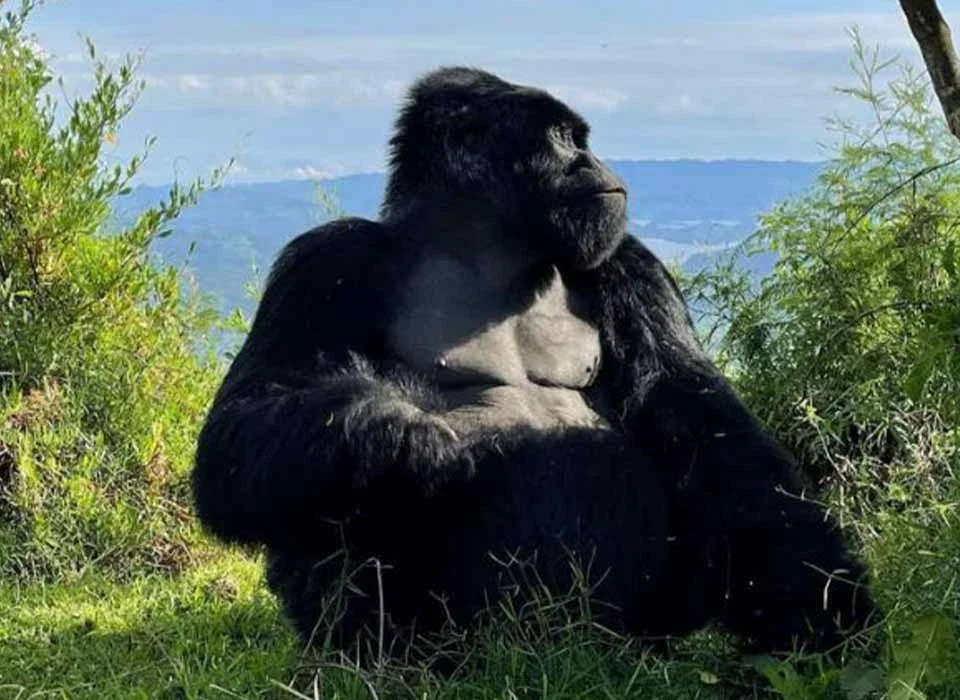
The good news is that the uncertainty is part of what makes the experience so exciting. Every trek is different, and the forest determines much of your journey. Whether you trek in Uganda’s Bwindi Impenetrable National Park or Mgahinga Gorilla National Park, or across the border in Rwanda’s Volcanoes National Park, you should be prepared for a memorable hike.
Generally, the search for mountain gorillas can take anywhere from about 30 minutes to several hours. Once you locate the assigned family, visitors normally spend a strictly regulated period observing the gorillas. The entire experience, including the hike to the gorillas, time spent with them, and the return journey, can therefore vary considerably.
How Long Does Gorilla Trekking Take?
A typical gorilla trek can take approximately two to six hours, although some treks may finish sooner or take longer depending on the conditions on the day. The walking time does not include only the search for gorillas. You also need to consider the journey back to the trailhead.
For example, you might walk for an hour before finding a gorilla family, spend the permitted viewing time observing them, and then walk for another hour back to the starting point. In another situation, the family may have moved deeper into the forest, requiring a much longer hike.
Therefore, travelers should avoid planning another major activity immediately after gorilla trekking. Giving yourself plenty of time makes the day less stressful and allows you to enjoy the experience without constantly watching the clock.
Gorilla Trekking in Uganda
Uganda provides two destinations for mountain gorilla trekking: Bwindi Impenetrable National Park and Mgahinga Gorilla National Park. Bwindi is particularly well known for its extensive rainforest, steep hills, and several trekking sectors.
The length of a trek depends largely on where the gorilla family spends the day. Rangers and trackers monitor the movements of habituated gorilla groups and use their knowledge of the forest to help locate them. Even so, gorillas are wild animals, and their movements can change the course of your trek.
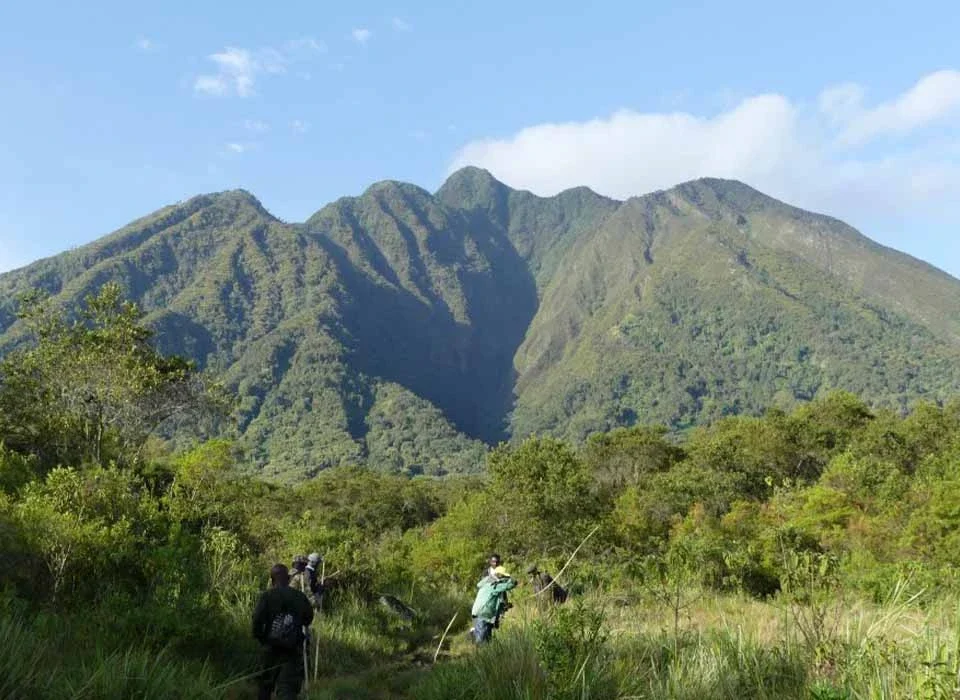
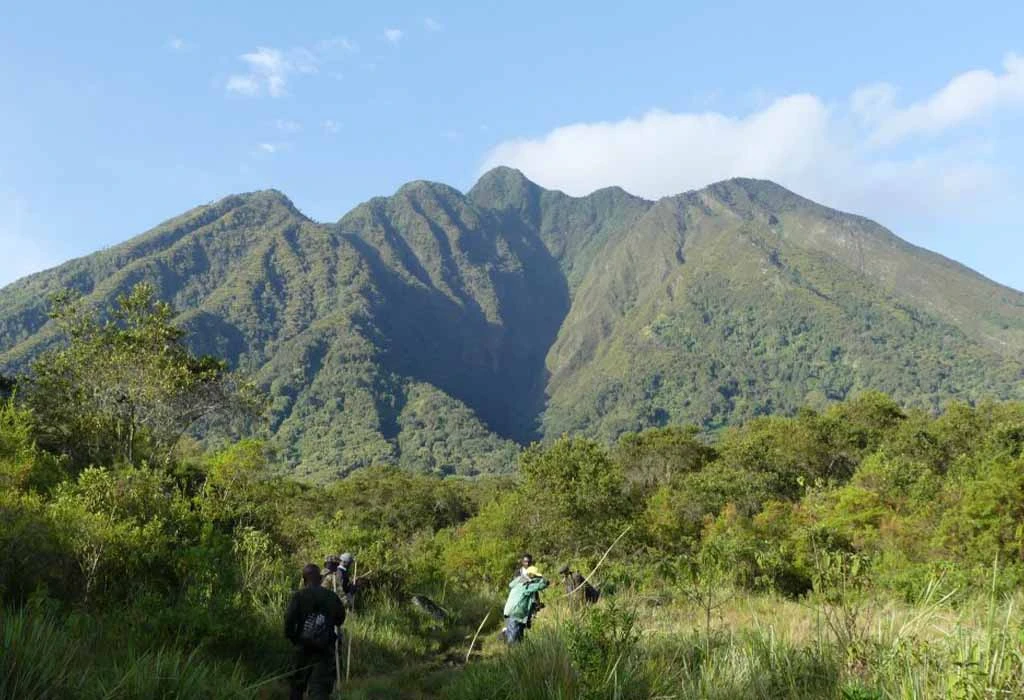
Mgahinga offers a different setting, with dramatic volcanic landscapes forming part of the Virunga ecosystem. Although the park is smaller than Bwindi, trekking can still involve steep climbs and challenging forest terrain.
With Experiya Tour Company, travelers can receive guidance on preparing for the physical demands of the trek and choosing a gorilla safari that matches their interests and abilities.
Gorilla Trekking in Rwanda
Rwanda’s main gorilla trekking destination is Volcanoes National Park, located in the northern part of the country. The park forms part of the larger Virunga mountain ecosystem and is home to habituated mountain gorilla families.
Many travelers appreciate Rwanda because Volcanoes National Park is relatively accessible from Kigali. However, convenient access to the park does not mean every gorilla trek will be easy. The terrain remains mountainous, and conditions can change quickly.
As in Uganda, the distance between the trailhead and the gorilla family determines much of the walking time. Some groups may be found relatively close to the starting point, while others may move farther into the forest.
Consequently, visitors should prepare for a genuine mountain hike rather than expecting a short walk to a fixed wildlife viewing location.
What Determines the Duration of a Gorilla Trek?
Several factors influence how long you will spend in the forest. Understanding them can help you prepare realistically for the experience.
Gorilla Movement
Mountain gorillas do not remain in one place waiting for visitors. They move through the forest in search of food, shelter, and suitable resting areas. Trackers often know the general location of a family from earlier observations, but the animals may continue moving.
If the family remains close to the trailhead, you may reach it relatively quickly. However, if the group travels deeper into the forest, you may need to hike farther before making contact.
This natural movement is one reason why no responsible tour operator can guarantee an exact trekking duration before the hike begins.
Terrain and Elevation
The landscape can significantly affect your pace. Bwindi, for example, is famous for steep slopes, thick vegetation, muddy trails, exposed roots, and uneven ground. Some sections require careful footing, particularly after rainfall.
Volcanoes National Park and Mgahinga also feature mountainous terrain. Walking uphill naturally takes more effort than walking on level ground, while descending steep slopes requires concentration and balance.
Therefore, a distance that appears short on a map can take considerably longer when you are moving through rugged rainforest.
Weather Conditions
Weather can change quickly in mountain forests. Rain may make trails muddy and slippery, while wet vegetation can make movement more difficult. On the other hand, dry conditions can make some sections easier to navigate.
Rain should not discourage you from trekking. Instead, it should encourage you to prepare properly. A waterproof jacket, suitable footwear, and clothing that dries reasonably quickly can make a major difference.
Fitness and Walking Pace
Your fitness level also affects the duration of the trek. Rangers generally maintain a manageable pace and can allow breaks when necessary. However, travelers who regularly walk, hike, or exercise may find long forest trails easier than those who lead a mostly sedentary lifestyle.
Importantly, you do not need to be an elite athlete to enjoy gorilla trekking. You simply need reasonable preparation and the willingness to walk at a steady pace.
The Gorilla Family You Visit
The location of the assigned gorilla family can have a major effect on your day. Some groups may be closer to the trailhead, while others may occupy areas that require a longer hike.
Park authorities and ranger teams consider several factors when organizing treks, including the needs and abilities of visitors. For this reason, it is helpful to communicate honestly about your fitness level and any mobility limitations before trekking.
Short, Moderate, and Long Treks
Although there is no official guarantee that a trek will fall into a particular category, travelers often describe their experiences as short, moderate, or long.
A relatively short trek may involve around 30 minutes to an hour of hiking before reaching the gorillas, followed by the regulated viewing period and the walk back. Depending on the return journey, the entire experience may take a few hours.
A moderate trek may require several hours of walking through the forest. You may spend two or three hours searching before reaching the gorilla family, followed by the viewing period and return journey.
A longer trek can involve several hours of challenging hiking. In some cases, the journey may occupy most of the day, especially when the terrain is difficult or the gorillas have moved a considerable distance from the trailhead.
For that reason, travelers should treat the entire trekking day as a major activity rather than trying to fit it between tightly scheduled excursions.
How to Prepare for Gorilla Trekking
Good preparation can make your trek much more comfortable. Start by choosing sturdy hiking boots with reliable grip. Waterproof footwear is particularly useful because forest trails can become wet and muddy.
You should also carry sufficient drinking water and a few light energy-giving snacks if permitted by park regulations. Staying hydrated is important when hiking for several hours.
Wear long trousers and a long-sleeved shirt to protect your skin from vegetation, insects, and branches. Neutral-colored outdoor clothing is generally appropriate for wildlife experiences.
A rain jacket should also be part of your daypack. Even when the morning begins with clear skies, conditions in the forest can change quickly.
Another excellent option is hiring a porter. Porters can carry your daypack, provide support on difficult sections, and help you navigate challenging terrain. More importantly, hiring a porter provides direct economic benefits to people living around the park.
How Fit Do You Need to Be?
You should have a reasonable level of fitness before undertaking gorilla trekking. In the weeks leading up to your safari, regular walking, jogging, stair climbing, or hiking can help prepare your body.
However, fitness is only one part of preparation. Mental readiness matters too. The forest may be steep, muddy, humid, and unpredictable. You may need to slow down, rest, and continue steadily rather than rushing.
If you have concerns about your physical ability, discuss them with your tour operator and the park authorities before the trek. Honest communication helps the team plan appropriately and can make the experience safer and more enjoyable.
Uganda or Rwanda: Does Trek Duration Differ?
There is no simple rule stating that Uganda always offers shorter treks or that Rwanda always offers longer ones. In both destinations, the duration depends on the location and movement of the gorilla family, terrain, weather, and the pace of the trekking group.
The more useful difference is the overall travel experience. Uganda offers Bwindi and Mgahinga, while Rwanda provides access to Volcanoes National Park. Your choice can therefore depend on your preferred itinerary, budget, accommodation, accessibility, and other safari activities you want to combine with gorilla trekking.
Make Time for the Experience
Gorilla trekking does not come with a guaranteed finish time, and that uncertainty is part of the adventure. You might have a relatively short hike, or you could spend several hours navigating the rainforest before finally seeing a gorilla family.
What matters most is arriving prepared. Wear appropriate clothing, carry enough water, use good hiking footwear, and allow plenty of time for the experience.
Most importantly, do not judge the value of the trek by how quickly you reach the gorillas. The rainforest itself is part of the adventure. Every muddy trail, steep climb, bird call, and glimpse of the forest adds to the story you take home.
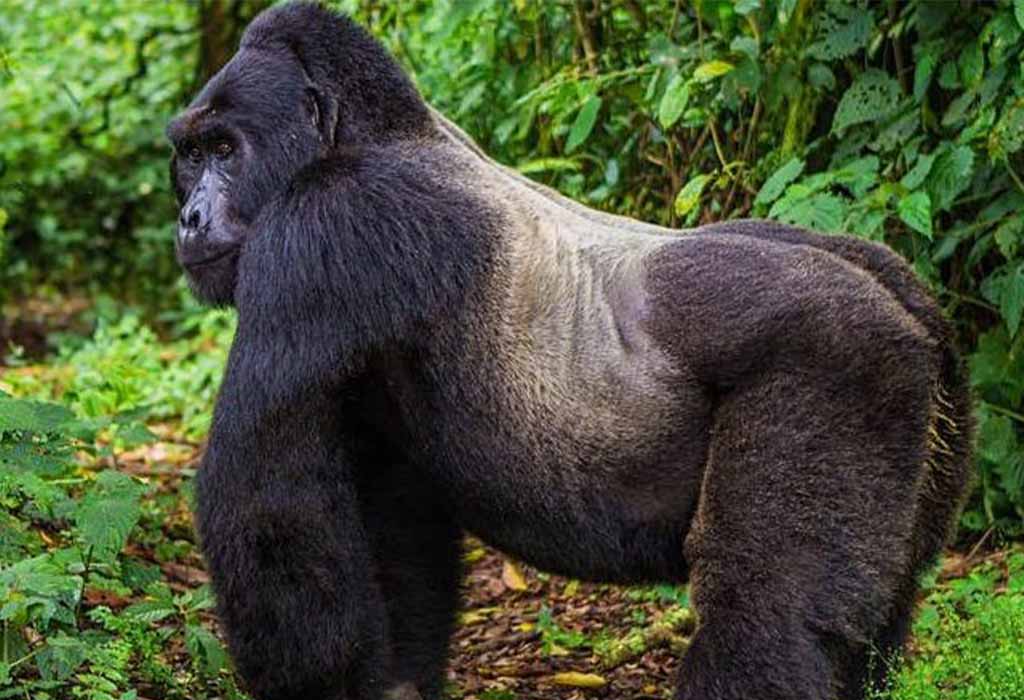
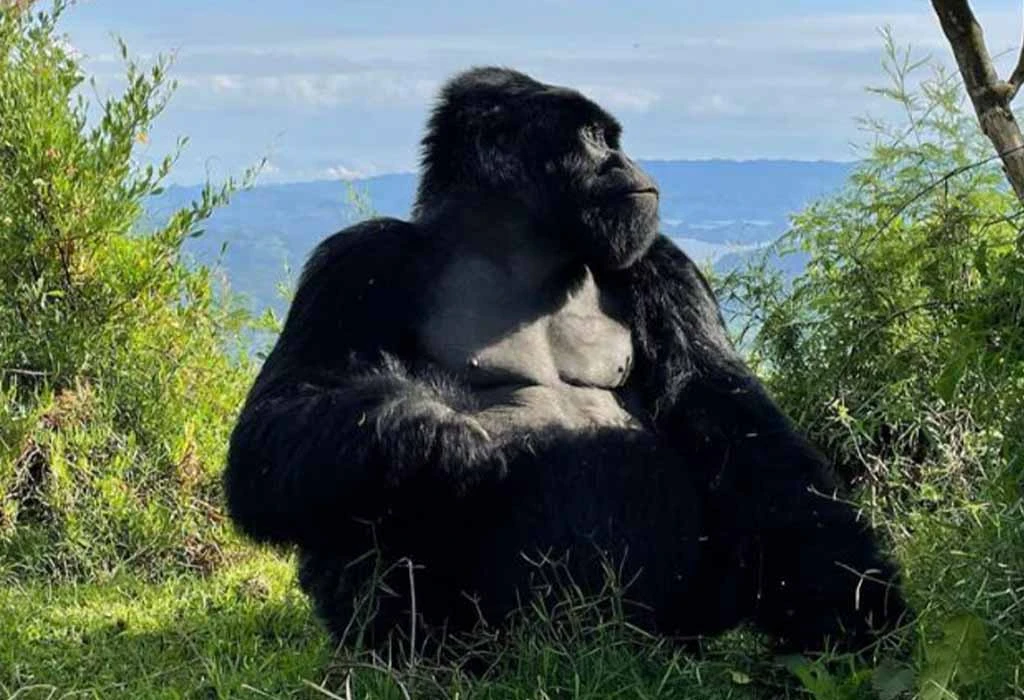
Whether you choose Uganda or Rwanda, gorilla trekking offers an extraordinary opportunity to observe mountain gorillas in their natural habitat. With proper preparation and a flexible mindset, the journey through the forest can become just as memorable as the moment you finally stand before these remarkable animals.
Experiya Tour Company can help travelers plan gorilla trekking experiences in Uganda and Rwanda, including safari arrangements, park transfers, accommodation, and practical preparation for the trek.