Top Attractions Near Mgahinga Gorilla National Park
September 4, 2026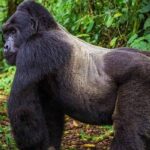
Mgahinga Gorilla National Park Guide and Gorilla Trekking Safaris
September 4, 2026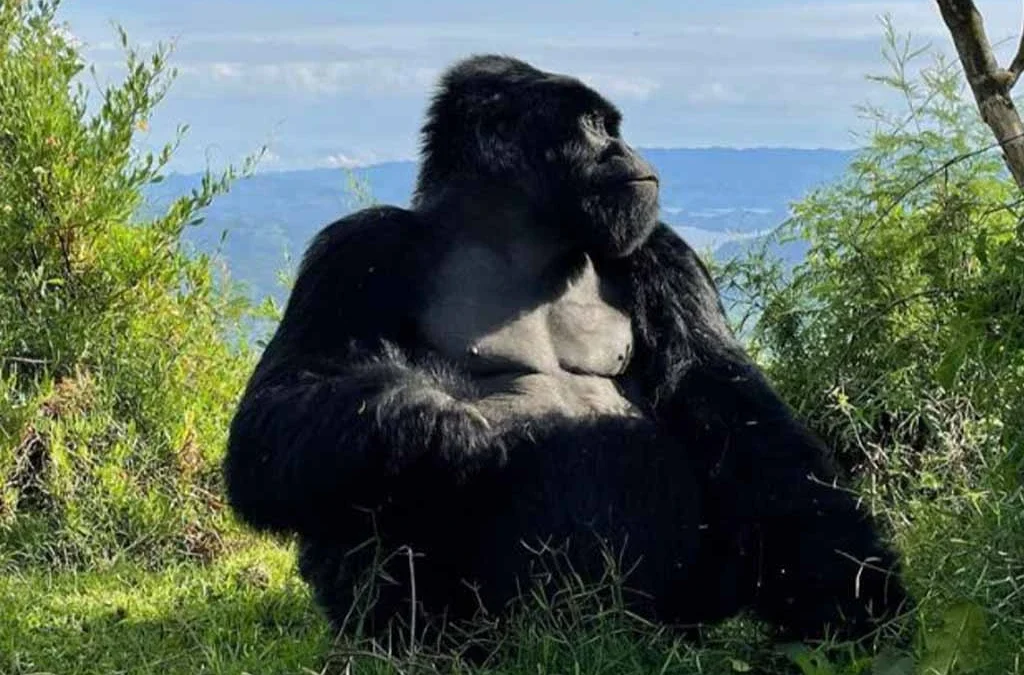
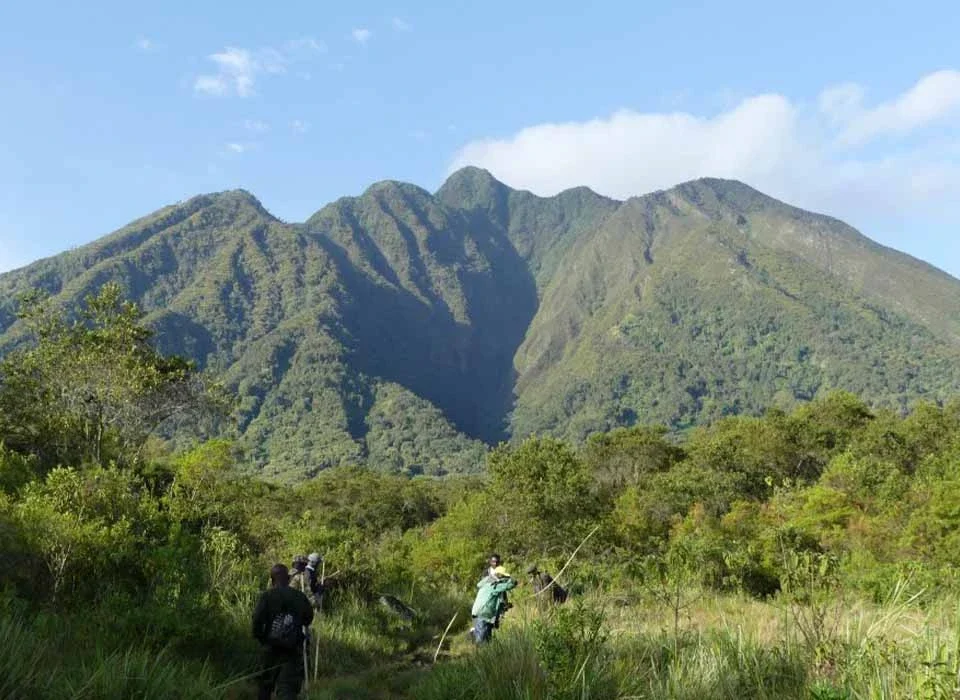
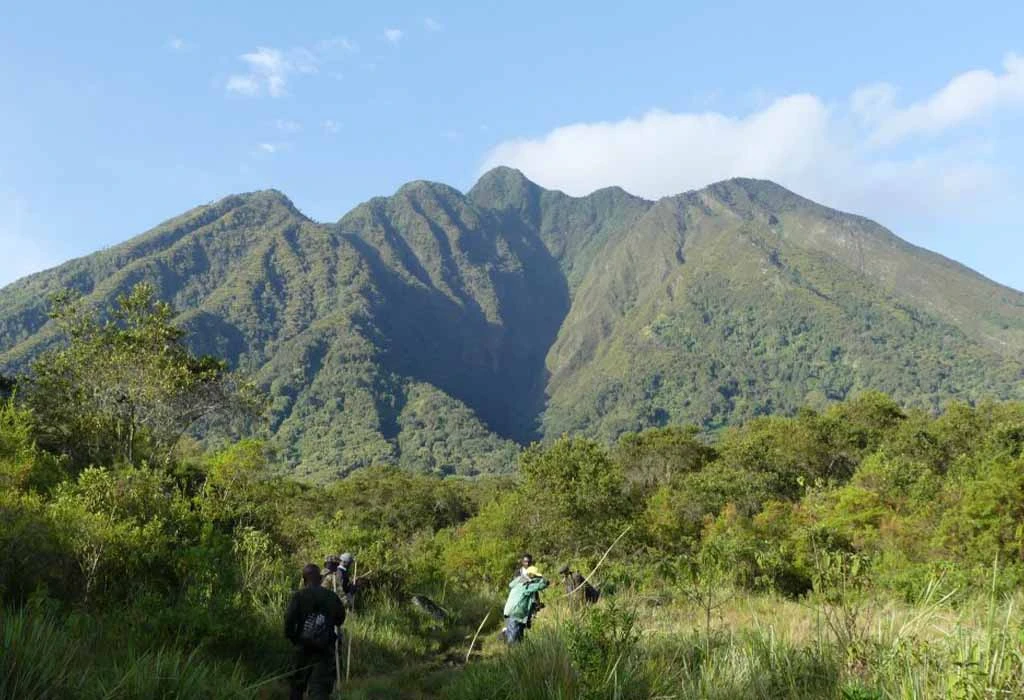
High in the misty mountains of southwestern Uganda, Mgahinga Gorilla National Park protects a remarkable world of wildlife. Although it is Uganda’s smallest national park, its volcanic slopes, bamboo forests and montane vegetation support an impressive variety of animals.
The park forms part of the wider Virunga conservation landscape, which stretches across Uganda, Rwanda and the Democratic Republic of Congo. This connected ecosystem provides important habitat for species that thrive in cool mountain forests and high-altitude environments.
Mountain gorillas may attract most visitors, but they are only one part of Mgahinga’s wildlife story. From golden monkeys swinging through bamboo to shy antelopes moving beneath the canopy, the park offers many opportunities to discover animals that are rarely seen elsewhere.
For travelers planning a wildlife adventure with Experiya Tour Company, understanding these species can make a visit to Mgahinga even more rewarding.
Mountain Gorillas: The Park’s Most Famous Residents
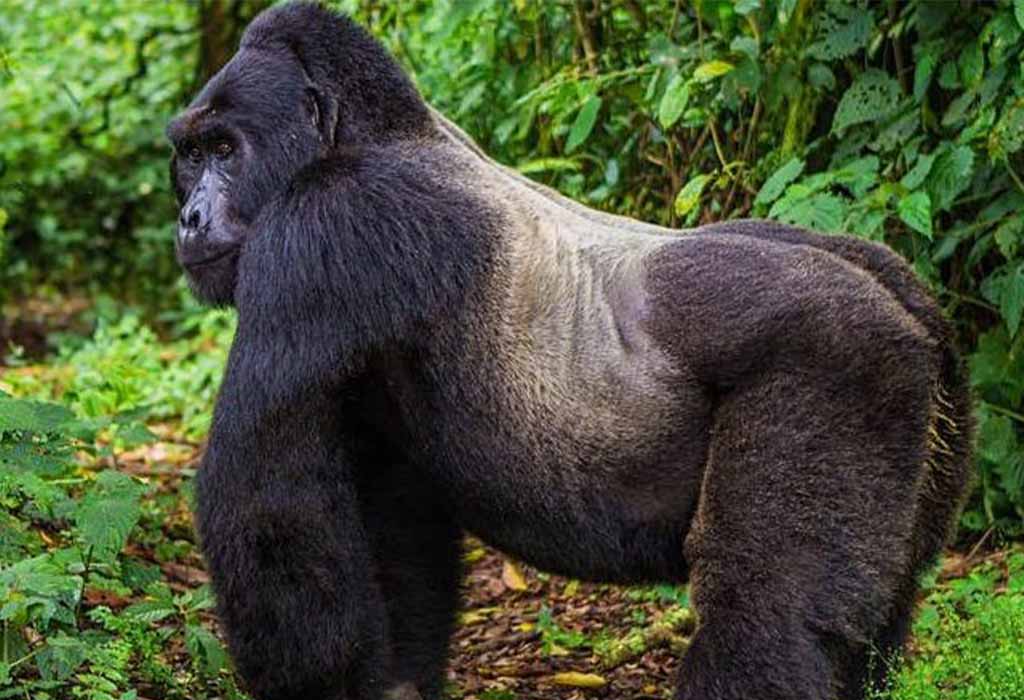
Mountain gorillas remain the main attraction in Mgahinga Gorilla National Park. These powerful yet gentle primates live in family groups led by a dominant silverback, which protects the group and helps maintain social order.
As you trek through the forest, you may find gorillas feeding on vegetation, resting beneath the trees, or caring for their young. Their human-like expressions and close family relationships make every encounter memorable.
However, gorilla trekking involves more than observing wildlife. Visitors must follow the guidance of rangers, maintain a safe distance, and avoid sudden movements or loud noises. These precautions help reduce stress and the risk of disease transmission.
By protecting the gorillas and their forest habitat, conservation efforts also safeguard the wider ecosystem that supports many other species.
Golden Monkeys: A Treasure of the Bamboo Forest
Golden monkeys are among Mgahinga’s most distinctive animals. Their bright golden-orange fur makes them easy to recognize, although their quick movements can make them challenging to follow.
These energetic primates spend much of their time in bamboo forests, where they feed, play, and communicate with one another. Unlike gorillas, which often remain on the ground, golden monkeys frequently move through vegetation and trees.
As a result, golden monkey trekking offers a different kind of wildlife experience. You may need to watch carefully for movement above you or follow the sounds of a group moving through the bamboo.
Golden monkeys have a restricted natural range, making habitat protection especially important. By visiting responsibly, travelers can enjoy these remarkable primates while supporting conservation and local tourism.
Forest Elephants: Elusive Giants of the Region
Forest elephants are among the most elusive animals associated with the wider forests of the Virunga region. Unlike the large savannah elephants commonly seen in Uganda’s open grasslands, forest elephants prefer dense vegetation and can be extremely difficult to spot.
Their presence highlights the ecological importance of the wider mountain landscape. Even when visitors do not see an elephant, they may discover signs of its activity, such as footprints, broken branches, or vegetation disturbed during feeding.
These clues can tell a fascinating story. A knowledgeable guide can explain how animals move through the forest and how their activities influence the environment.
Buffaloes: Powerful Herbivores of the Mountain Ecosystem
Buffaloes also form part of Mgahinga’s wildlife community. These strong herbivores graze on grasses and other vegetation, helping shape the habitats they occupy.
Although they may appear calm, buffaloes can become dangerous when threatened. Visitors should therefore never approach them independently or attempt to take photographs from an unsafe distance.
Instead, follow your ranger’s instructions and allow the animals enough space to move freely. Their presence reminds us that Mgahinga protects more than primates; it also supports a broader mountain ecosystem.
Leopards: The Forest’s Secretive Predators
Leopards are among Africa’s most elusive predators, and the forests of Mgahinga provide suitable habitat for these solitary cats. However, seeing one requires considerable luck.
Leopards move quietly through dense vegetation and often remain hidden during the day. Consequently, visitors are more likely to discover indirect signs of their presence than encounter one directly.
Even so, knowing that these predators share the forest adds excitement to a wildlife experience. Leopards help regulate populations of other animals, contributing to the natural balance of the ecosystem.
Bushbucks and Duikers: Small Antelopes with Big Stories
Mgahinga’s forests also shelter several small antelopes, including bushbucks and duikers. Bushbucks often remain close to dense vegetation, where they can feed while keeping themselves hidden.
Duikers, meanwhile, move quietly through the undergrowth and feed on vegetation, fruits, and other available food. Their small size and cautious behavior make them difficult to spot, but they play important roles in forest ecology.
For wildlife enthusiasts, a brief glimpse of a duiker disappearing into the bushes can be just as exciting as seeing a larger animal. These encounters encourage visitors to slow down and pay attention to the smaller details of the forest.
Black-and-White Colobus Monkeys
The black-and-white colobus monkey adds another fascinating dimension to Mgahinga’s primate diversity. Its contrasting coat makes it distinctive, especially when it moves through the forest canopy.
Colobus monkeys spend much of their time in trees, feeding mainly on leaves and other plant material. As they move between branches, they contribute to the movement of seeds and the wider functioning of the forest ecosystem.
For travelers interested in primates, spotting a colobus monkey offers a chance to appreciate the variety of species that share Mgahinga’s mountain habitat.
L’Hoest’s and Red-Tailed Monkeys
L’Hoest’s monkeys are another interesting primate associated with the Albertine Rift forests. They have dark coats, distinctive facial features, and social behaviors that make them fascinating to observe.
Red-tailed monkeys also add variety to the park’s wildlife. These active forest dwellers move through the trees while searching for food, and their reddish tail coloration gives them their name.
Both species can be difficult to spot because dense vegetation provides plenty of cover. Fortunately, experienced guides can help visitors recognize calls, movement patterns, and other signs that might otherwise go unnoticed.
Birds and Smaller Creatures
While large mammals often receive the most attention, Mgahinga’s smaller creatures deserve equal appreciation. The park lies within the Albertine Rift, a region known for its exceptional biodiversity and important bird habitats.
Birdwatchers can explore the forest in search of montane species, while insects, reptiles, and amphibians contribute to the ecosystem in less obvious ways.
Together, these smaller creatures form the foundation of the food web that supports larger wildlife. Even a short walk through the forest can reveal how much life exists beyond the animals visitors usually expect to see.
Why Mgahinga Supports Such Unique Wildlife
Mgahinga’s wildlife diversity comes from its location and varied habitats. The Virunga volcanoes create changes in altitude, while bamboo forests and other vegetation provide different food and shelter opportunities.
Moreover, the park forms part of a larger cross-border ecosystem. Animals do not recognize political boundaries, so cooperation between Uganda, Rwanda, and the Democratic Republic of Congo remains essential for protecting habitats and supporting wildlife populations.
This connected landscape gives Mgahinga significance far beyond its small size.
Responsible Tourism and Conservation
Every wildlife encounter in Mgahinga carries a responsibility to protect the animals and their environment. Tourism provides income and employment for guides, rangers, trackers, porters, and accommodation providers, helping local communities benefit from conservation.
Visitors can contribute by following park rules, keeping noise low, maintaining appropriate distances and avoiding litter. Never feed wildlife or attempt to attract animals for photographs.
By choosing responsible tourism and supporting trusted operators such as Experiya Tour Company, travelers can help ensure that tourism contributes to both conservation and community livelihoods.
A Forest Full of Surprises
The unique animals found in Mgahinga Gorilla National Park tell a story of biodiversity, adaptation, and conservation. A mountain gorilla represents years of protection, while a golden monkey highlights the importance of rare bamboo habitats.
At the same time, a shy duiker or a distant forest call reminds us that wildlife experiences do not always depend on dramatic sightings.
Sometimes, the most memorable moment comes from noticing a footprint, hearing movement in the undergrowth, or realizing that an animal passed through the forest shortly before you arrived.
That is what makes Mgahinga so fascinating. You enter the park expecting to search for famous wildlife, but the forest encourages you to slow down, observe carefully, and appreciate the many forms of life around you.
When you leave, the lasting memory may not simply be the animals you photographed. It may be the understanding that these species depend on one connected mountain ecosystem—and that protecting this ecosystem is essential to keeping Uganda’s extraordinary wildlife alive for future generations.