Fly-In Gorilla Safari in Uganda: The Fastest and Most Comfortable Way to See Mountain Gorillas
July 11, 2026
Primate Safaris and Tours in Rwanda
July 13, 2026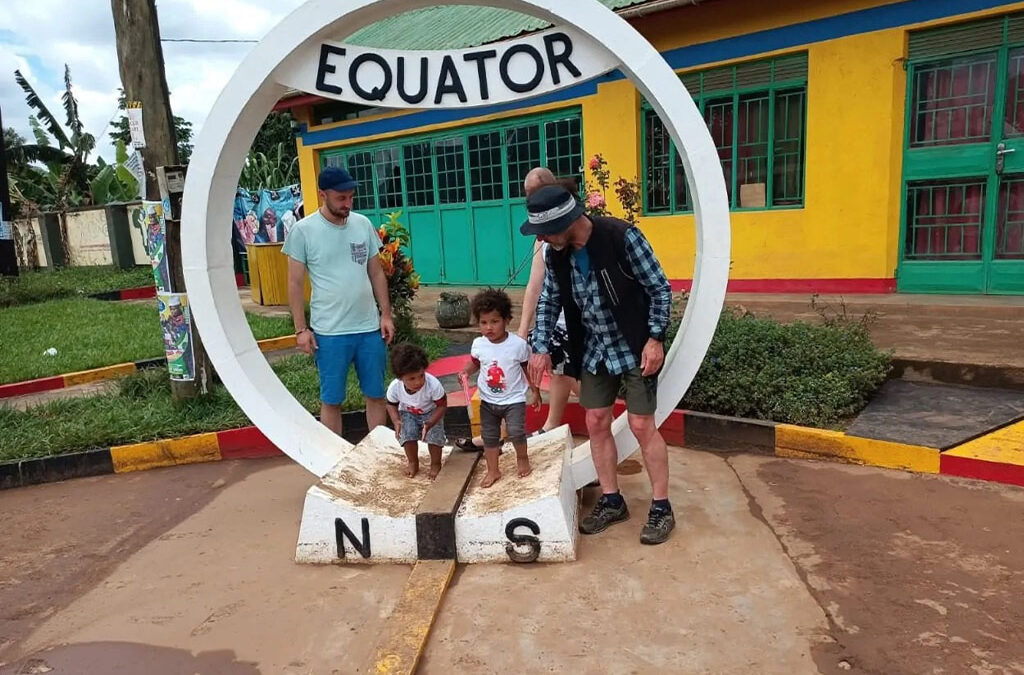
Traveling from Kampala to Bwindi Impenetrable National Park is much more than a transfer between two destinations. The journey covers approximately 500 kilometers and typically takes 8 to 10 hours, depending on traffic, weather, and the number of stops you make along the way. Rather than viewing it as a long drive, consider it an opportunity to experience Uganda’s changing landscapes, vibrant cultures, wildlife, and local traditions before reaching one of Africa’s greatest natural treasures.
As you leave the bustling streets of Kampala behind, the scenery gradually transforms into rolling countryside, lush wetlands, expansive farmlands, and breathtaking highlands. Every section of the route introduces something new, making the drive an enjoyable part of your safari adventure. Whether you choose to complete the journey in a single day or divide it into two days, several worthwhile attractions deserve your attention.
Begin Your Adventure at the Uganda Equator
The first major attraction along the Kampala–Bwindi route is the famous Uganda Equator Line at Kayabwe, located about 75 kilometers from Kampala. Reaching this landmark usually takes around one and a half hours, making it an ideal place to stretch your legs after leaving the city.
The Equator monument allows visitors to stand with one foot in the Northern Hemisphere and the other in the Southern Hemisphere, creating one of Uganda’s most photographed travel moments. Many travelers also enjoy watching the traditional water-flow demonstration, which illustrates how water appears to drain differently on either side of the Equator. Although largely presented for educational entertainment, it remains a fascinating stop for first-time visitors.
In addition to the monument, several craft shops surround the site, offering handmade souvenirs, African artwork, jewelry, locally roasted Ugandan coffee, and colorful fabrics. Spending about 20 to 30 minutes here provides a pleasant break before continuing southwest toward Bwindi.
Experience Wildlife at Lake Mburo National Park
As your journey continues, the road approaches Lake Mburo National Park, Uganda’s smallest savannah national park and the closest safari destination to Kampala. Located roughly three to four hours from the capital, this protected area offers an excellent opportunity to experience classic African wildlife without taking a significant detour.
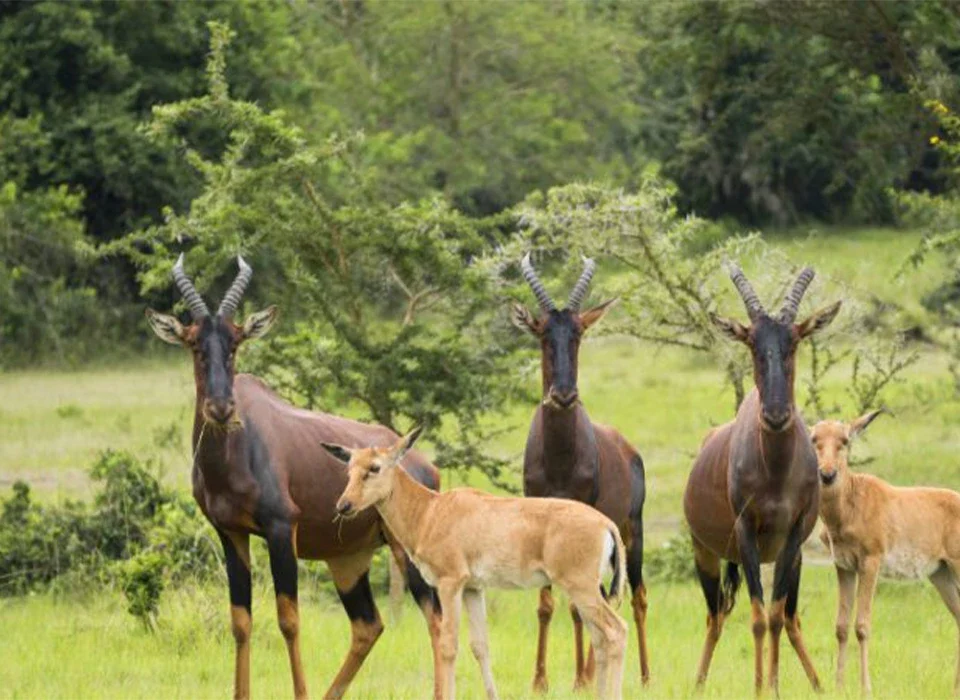
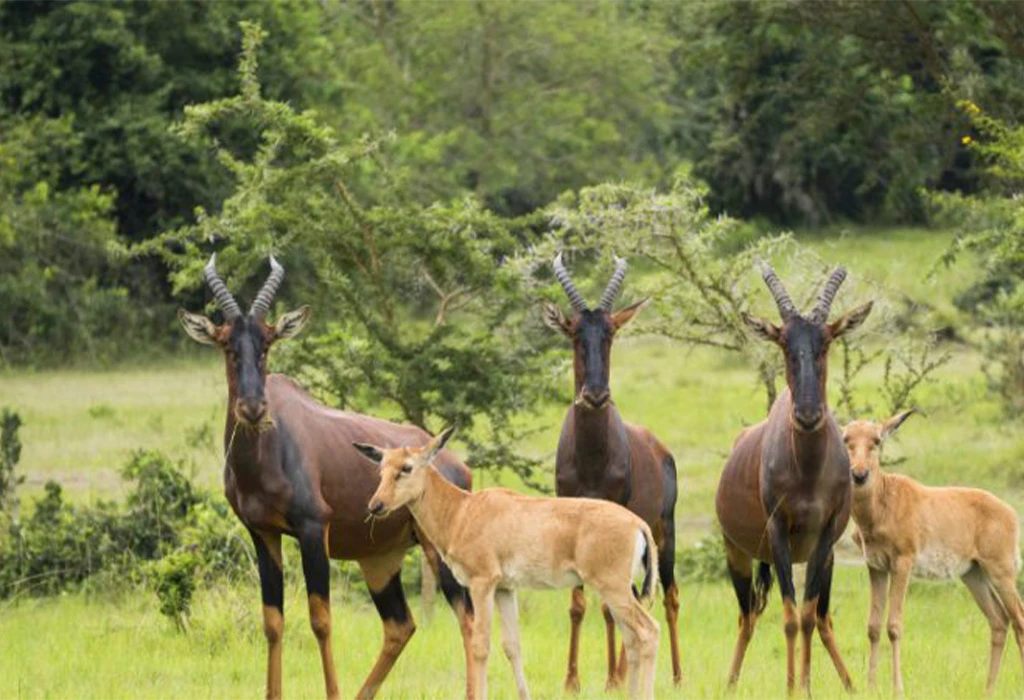
Unlike many other Ugandan parks, Lake Mburo is home to large populations of zebras, impalas, elands, giraffes, topis, buffaloes, warthogs, and numerous antelope species. Although lions and elephants are absent, the park delivers outstanding game viewing in a peaceful environment.
Visitors with additional time can enjoy a short game drive or take a relaxing boat cruise on Lake Mburo, where hippos, crocodiles, fish eagles, kingfishers, and many other bird species can easily be spotted. Nature lovers will particularly appreciate the park’s impressive birdlife, with over 350 recorded species.
Many travelers choose to spend the night at Lake Mburo before continuing to Bwindi the following day. This approach breaks up the long drive, reduces travel fatigue, and allows visitors to arrive refreshed for their gorilla trekking experience.
Discover Ankole Culture at Igongo Cultural Centre
Around the halfway point of the journey lies Mbarara City, the largest urban center in southwestern Uganda. Just outside the city, Igongo Cultural Centre provides one of the best cultural stops on the route.
Rather than serving only as a restaurant, Igongo introduces visitors to the rich heritage of the Ankole Kingdom, famous for its long-horned cattle and centuries-old pastoral traditions. The center features a cultural museum showcasing historical artifacts, traditional household items, royal regalia, and exhibits explaining the customs of the Banyankole people.
Visitors can also walk through reconstructed traditional homesteads to better understand how local communities lived generations ago.
The restaurant at Igongo has earned an excellent reputation for serving authentic Ugandan cuisine. Dishes such as matoke, groundnut sauce, millet bread, grilled beef, fresh vegetables, and local fruits make it an ideal lunch stop before continuing the journey.
Besides offering delicious food, Igongo gives travelers valuable insight into Uganda’s cultural diversity, adding meaningful context to the landscapes they pass throughout southwestern Uganda.
Admire the Spectacular Kigezi Highlands
After leaving Mbarara, the scenery changes dramatically as the road climbs into the famous Kigezi Highlands. This region, often called the “Switzerland of Africa,” features steep green hills, deep valleys, winding roads, and carefully terraced farms that create one of Uganda’s most beautiful landscapes.
The fertile hillsides support crops such as Irish potatoes, beans, sorghum, peas, and vegetables, with generations of local farmers constructing impressive terraces to prevent soil erosion and maximize agricultural production.
The drive through Kigezi offers countless opportunities for photography. Nearly every bend in the road reveals panoramic views of layered hills disappearing into the distance. During clear weather, the scenery becomes even more spectacular as sunlight highlights the vibrant green countryside.
Travelers also notice a significant drop in temperature as they climb to higher elevations. The cooler climate signals that Bwindi’s montane rainforest lies just ahead.
Even if you do not stop for long, slowing down occasionally to appreciate the scenery transforms this section of the journey into one of Uganda’s most memorable road trips.
Relax at the Beautiful Lake Bunyonyi
If your itinerary allows extra time, consider making a detour to Lake Bunyonyi, located near Kabale. Widely regarded as Uganda’s most beautiful lake, Lake Bunyonyi provides a peaceful setting before or after gorilla trekking.
Surrounded by terraced hills and dotted with 29 picturesque islands, the lake stretches across a landscape unlike anywhere else in the country. Because the water is generally calm and free from hippos and crocodiles, visitors can safely enjoy canoeing, boat rides, swimming in designated areas, birdwatching, or simply relaxing while taking in the stunning scenery.
Many safari itineraries include an overnight stay at Lake Bunyonyi because it offers the perfect opportunity to recover from the long drive before tackling Bwindi’s forest trails.
Watching the sunrise or sunset over the lake remains one of southwestern Uganda’s most rewarding travel experiences.
Explore Uganda Through Local Markets
Beyond the well-known attractions, the journey itself offers countless opportunities to experience everyday Ugandan life. As you travel through towns such as Masaka, Lyantonde, Mbarara, Ntungamo, Kabale, and smaller trading centers, roadside markets appear frequently along the highway.
These vibrant markets sell fresh pineapples, mangoes, bananas, avocados, passion fruits, roasted maize, cassava, sweet potatoes, local honey, handcrafted baskets, woven mats, and colorful fabrics.
Stopping briefly to buy fresh fruit or locally roasted coffee allows travelers to interact with friendly vendors while supporting local businesses. These spontaneous encounters often become some of the most memorable moments of the trip because they provide an authentic glimpse into Uganda’s warm hospitality.
Instead of rushing directly to Bwindi, taking short breaks in these communities helps travelers appreciate the country’s culture beyond its famous national parks.
Choose the Route That Best Fits Your Safari
Most visitors traveling from Kampala to Bwindi follow the southern route, passing through Masaka, Mbarara, Ntungamo, Kabale, and finally reaching either Kisoro or one of Bwindi’s trekking sectors. This route offers convenient access to the Equator, Lake Mburo National Park, Igongo Cultural Centre, the Kigezi Highlands, and Lake Bunyonyi.
Alternatively, travelers combining gorilla trekking with chimpanzee tracking in Kibale Forest National Park or wildlife viewing in Queen Elizabeth National Park often choose the western route via Fort Portal. This scenic alternative passes tea plantations, crater lakes, and the foothills of the Rwenzori Mountains before connecting to Bwindi.
The best route ultimately depends on the destinations included in your safari itinerary. Planning the journey carefully ensures you maximize both wildlife experiences and sightseeing opportunities.
Should You Travel in One Day or Two?
Driving from Kampala to Bwindi in a single day remains the most popular option for travelers with limited time. With several well-planned breaks, the journey remains comfortable and allows visitors to reach their lodge before nightfall.
However, dividing the trip into two days offers a more relaxed experience. Spending the night in either Lake Mburo National Park, Mbarara, or Lake Bunyonyi reduces fatigue and allows travelers to enjoy additional attractions without feeling rushed.
This option becomes particularly valuable for those planning an early morning gorilla trek, as arriving well-rested significantly improves the overall experience.
Transportation Options to Bwindi
Travelers can reach Bwindi using several transportation options, each suited to different budgets and travel preferences.
Private guided transfers remain the most popular choice because they provide flexibility to stop at attractions along the way while benefiting from the knowledge of an experienced driver-guide. Self-drive safaris also appeal to adventurous travelers who prefer complete independence, although careful planning and a reliable 4×4 vehicle are essential.
Budget travelers can travel by public buses operating between Kampala, Kabale, Kisoro, and nearby towns. Although this option reduces transportation costs, public buses do not stop at major attractions along the route, limiting sightseeing opportunities.
For visitors with limited time, domestic flights from Entebbe International Airport to Kihihi or Kisoro Airstrip reduce travel time to approximately one hour. This option allows travelers to spend more time exploring Bwindi rather than driving across the country.
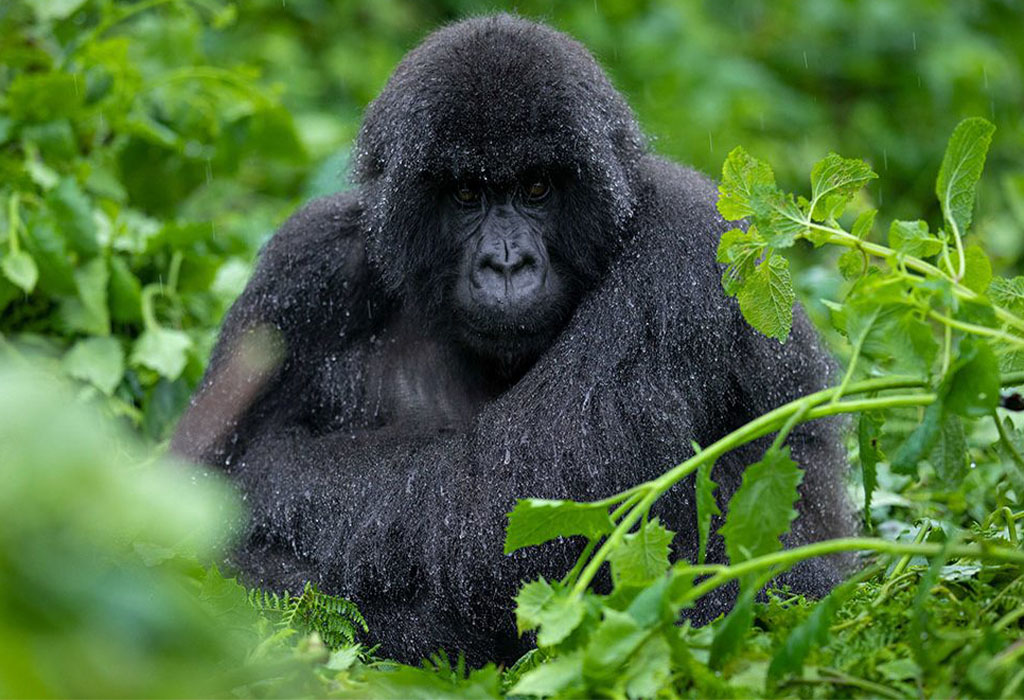
Where to Stay After Arriving in Bwindi
Bwindi Impenetrable National Park offers accommodation for every budget, ranging from affordable guesthouses to luxury safari lodges. Choosing accommodation close to your assigned gorilla trekking sector helps minimize early morning travel on trekking day.
Because trekking permits specify a particular sector, booking accommodation before arrival makes your safari far more convenient and enjoyable.
Plan Your Kampala to Bwindi Journey with Experiya Tour Company
Experiya Tour Company has guided travelers along this remarkable route, transforming what could be an ordinary transfer into an unforgettable part of the safari experience. Every itinerary is carefully planned to balance comfortable driving times with meaningful sightseeing stops, allowing visitors to experience Uganda’s diverse landscapes, rich cultures, and remarkable wildlife before reaching Bwindi Impenetrable National Park.
Whether you prefer completing the journey in one well-organized day or choosing a more relaxed two-day itinerary with an overnight stay at Lake Mburo National Park or Lake Bunyonyi, Experiya Tour Company can customize the route to match your travel schedule, gorilla trekking permit, and personal interests.
Your adventure to Bwindi begins long before you step into the rainforest. By embracing the journey itself, you will discover that the road from Kampala offers an authentic introduction to the beauty, culture, and natural diversity that make Uganda one of Africa’s most rewarding safari destinations.