Chimpanzee Habituation Experience vs Regular Trekking
April 23, 2026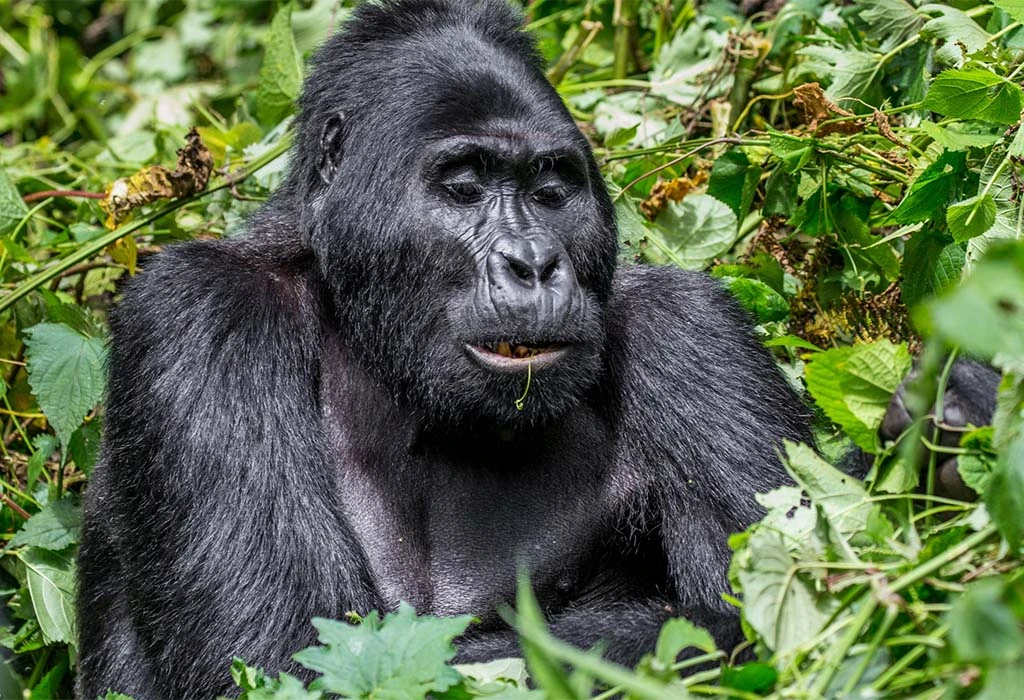
Ultimate Guide to Gorilla Trekking in Buhoma Sector of Bwindi
April 23, 2026
Gorilla trekking stands among the most powerful wildlife experiences you can have anywhere in the world. It is not just another safari activity; it is an immersive journey into ancient rainforests where nature feels raw, alive, and deeply personal. For those who genuinely love nature, this experience goes far beyond ticking off a travel list. It offers a rare chance to step into the world of mountain gorillas and witness their lives unfold in real time.
From the moment I set foot in the forest, it became clear that gorilla trekking is as much about the journey as it is about the encounter. The anticipation builds slowly, the environment draws you in, and by the time you finally meet a gorilla family, you are already part of their world.
The Deep Appeal of Gorilla Trekking
A Fully Immersive Wilderness Experience
Gorilla trekking begins early, often before sunrise, when the forest still holds the quiet mystery of the night. As we moved into the dense vegetation with guides from Experiya Tour Company, every step felt intentional. The forest wasn’t just scenery; it was alive.
The air carried a mix of damp earth, fresh leaves, and subtle floral scents. Birds called from above while insects created a steady rhythm in the background. At times, we had to push through thick undergrowth, cross small streams, and climb uneven slopes. It was physically engaging, but that effort made the experience feel earned.
Unlike traditional game drives, you don’t observe from a distance. Instead, you enter the gorillas’ habitat on foot. That shift changes everything. You begin to understand the terrain they navigate daily, the food sources they depend on, and the quiet complexity of their ecosystem.
A Close Encounter That Stays With You
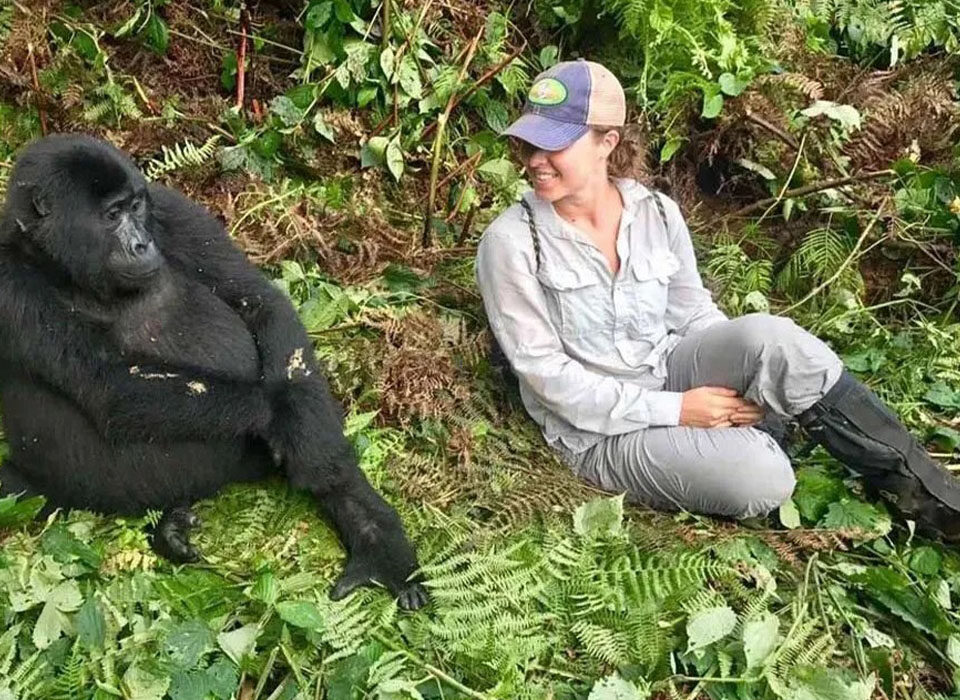
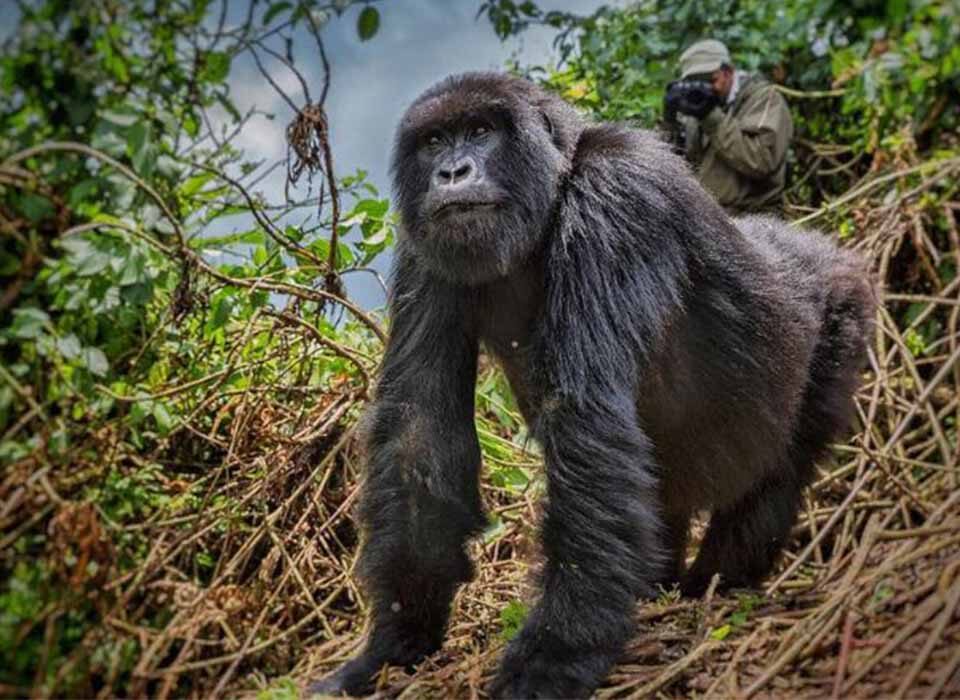
When we finally found the gorillas, everything slowed down. A massive silverback sat calmly just a few meters away, watching over his family with quiet authority. Nearby, a mother groomed her infant while two juveniles played, tumbling over each other like carefree children.
What surprised me most was how individual each gorilla felt. Some were curious and moved closer, while others remained reserved. Their expressions, movements, and interactions felt strikingly familiar, almost human.
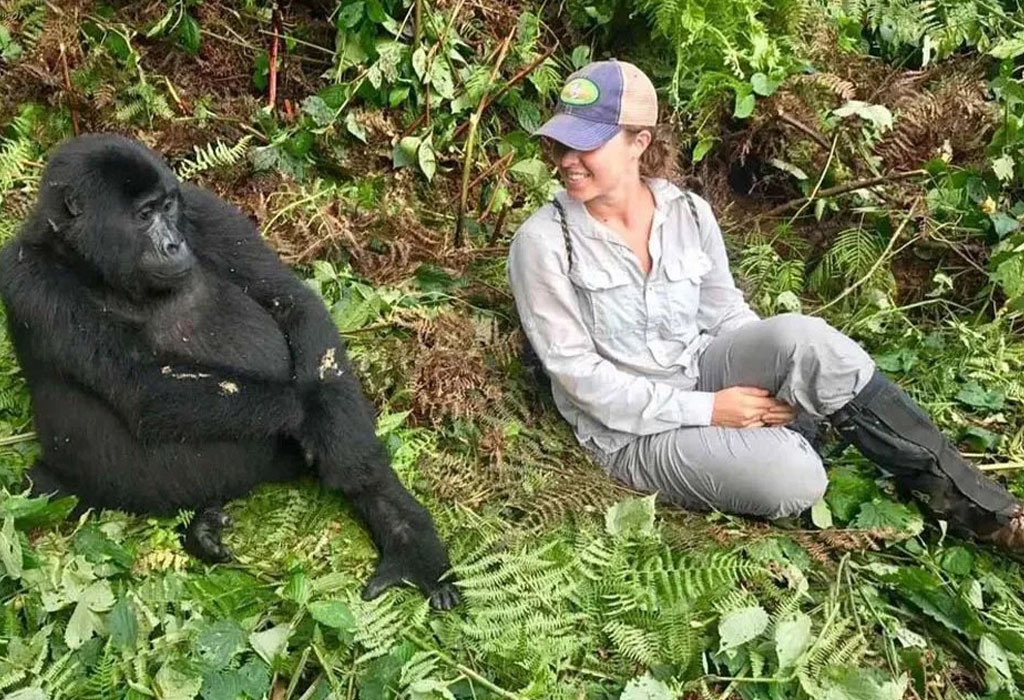
During that one hour, there was no rush, no noise, and no barrier between them and us except mutual respect. It didn’t feel like watching wildlife; it felt like being accepted, even briefly, into their world.
Conservation and Responsible Tourism
Gorilla trekking plays a direct role in protecting one of the world’s most endangered species. With fewer than 1,100 mountain gorillas remaining, every visit contributes to their survival.
Permit fees fund anti-poaching patrols, veterinary care, habitat protection, and ongoing research. Because of this model, gorilla populations have shown encouraging growth in recent years.
Equally important, local communities benefit from tourism. Many former poachers now work as guides, trackers, and rangers. Through partnerships with Experiya Tour Company, these communities gain sustainable livelihoods, which strengthen long-term conservation efforts.
Strict rules also ensure that tourism does not harm the gorillas. Group sizes remain small, visits are limited to one hour, and visitors must keep a safe distance. These measures protect both humans and animals while preserving the authenticity of the experience.
Where to Experience Gorilla Trekking
Uganda: Rich, Wild, and Diverse
Uganda offers some of the most rewarding gorilla trekking experiences in Africa. Bwindi Impenetrable National Park, where I trekked, feels exactly as its name suggests—dense, mysterious, and full of life. The terrain can be challenging, but that challenge adds to the sense of adventure.
Beyond gorillas, the forest is alive with birdlife, butterflies, and other primates. Every step reveals something new, making the trek itself just as memorable as the encounter.
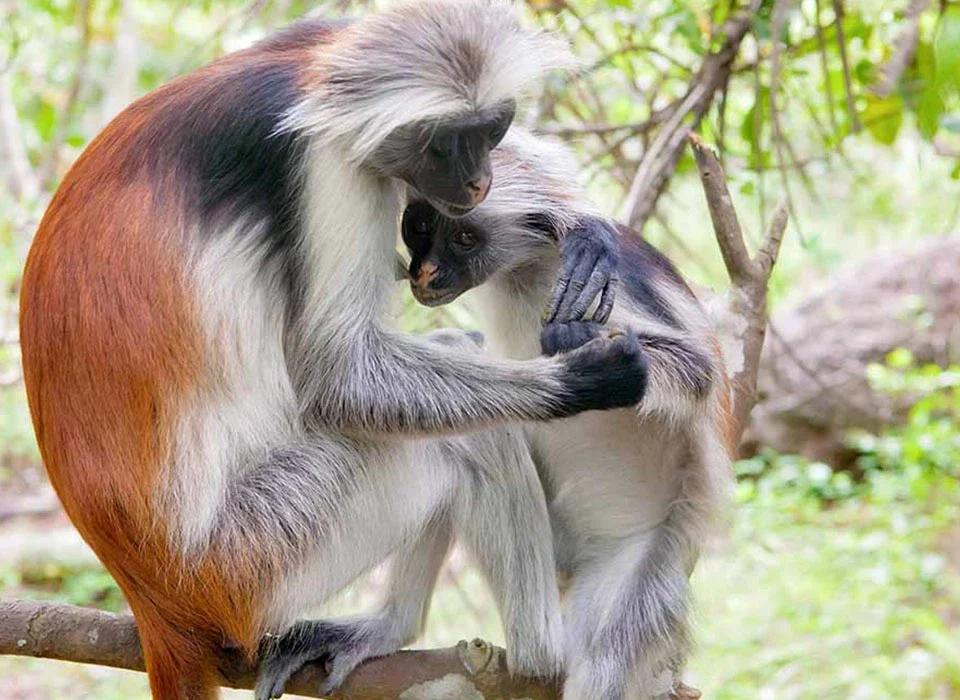
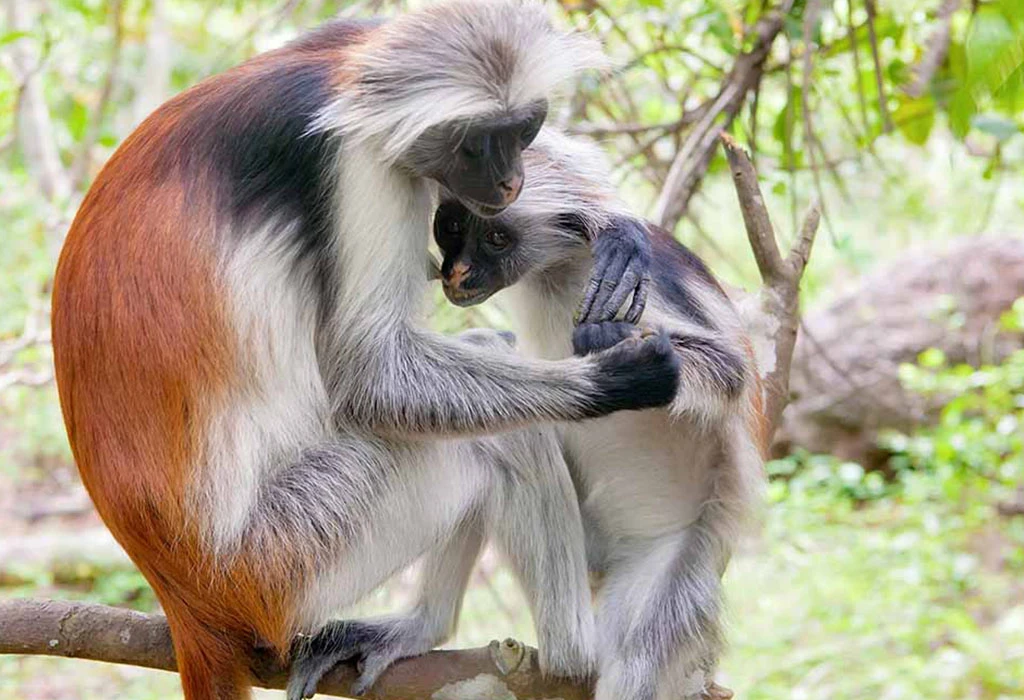
Mgahinga Gorilla National Park, on the other hand, offers a different setting. With its dramatic volcanic landscapes, the scenery feels more open yet equally striking. You can also track golden monkeys here, which adds another layer to the experience.
Rwanda: Accessible and Refined
Rwanda’s Volcanoes National Park offers a more accessible trekking experience. The trails are generally easier, and the infrastructure is well developed. If you prefer a smoother journey without sacrificing the quality of the encounter, Rwanda is a strong choice.
Despite the comfort, the experience remains authentic. The conservation success here is evident, and the professionalism of guides enhances the overall journey.
Democratic Republic of Congo: Raw and Untouched
For travelers seeking something more remote, Virunga National Park in the DRC offers a truly wild experience. The forests feel untouched, and the number of visitors is lower, which makes encounters even more intimate.
However, this option requires careful planning due to security considerations. When done right, it delivers one of the most authentic wilderness experiences available.
Planning Your Gorilla Trek
Planning ahead makes all the difference. Gorilla permits are limited and often sell out months in advance. Uganda currently offers permits at $800, Rwanda at $1,500, and the DRC at $400.
Physical preparation also matters. Some treks are short and manageable, while others can take several hours through steep and muddy terrain. A reasonable level of fitness will make the experience far more enjoyable.
Working with experienced guides, such as those from Experiya Tour Company, ensures that logistics, safety, and overall coordination run smoothly. Their local knowledge often determines how successful and comfortable your trek will be.
A Truly Transformative Experience
Gorilla trekking changes how you see nature. It is not just about observing wildlife; it is about forming a connection. Standing just meters away from a gorilla, watching its eyes, its movements, and its interactions, leaves a lasting impression.
Long after the trek ends, that moment stays with you. It deepens your respect for wildlife and strengthens your desire to protect it.
For nature lovers, this is more than an adventure. It is a rare opportunity to step into a world that still exists on its own terms—and to leave it with a renewed sense of responsibility and wonder.