Activities to Include on Your Uganda Safari Itinerary
April 24, 2026
Who is Eligible to Buy Gorilla Permits in Uganda?
April 24, 2026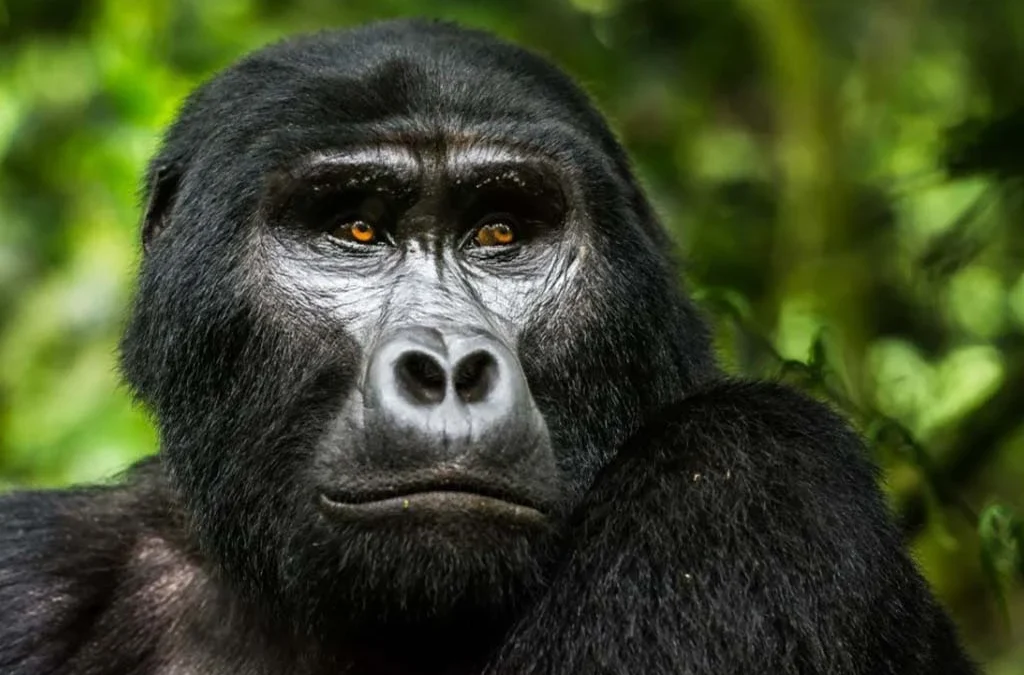
When planning a safari to Uganda, one of the most exciting highlights is gorilla trekking in Bwindi Impenetrable National Park or Mgahinga Gorilla National Park. The idea of coming face-to-face with mountain gorillas in their natural habitat is unforgettable. However, a question many travelers ask is simple but important: Are you guaranteed to see gorillas in Uganda?
The honest answer is no, there is no 100% guarantee. But the chances of seeing them are extremely high, often above 95%, thanks to expert tracking systems and well-habituated gorilla families. In this guide, Experiya Tour Company explains everything you need to know, including how gorilla trekking works, what affects your chances, and how to prepare for the best possible experience.
Understanding Gorilla Trekking in Uganda
Uganda is home to more than half of the world’s remaining mountain gorillas, making it one of the best places on earth for gorilla trekking. These incredible primates live in two national parks: Bwindi Impenetrable National Park and Mgahinga Gorilla National Park, both located in southwestern Uganda.
Gorilla trekking involves hiking through dense rainforest with trained rangers and guides to locate a habituated gorilla family. Once found, visitors spend one magical hour observing them in their natural environment.
Although sightings are highly likely, gorillas are wild animals that move freely, which means the experience always carries a level of unpredictability.
Where Gorilla Trekking Takes Place
Uganda offers two main destinations for gorilla trekking:
Bwindi Impenetrable National Park is the most popular choice. It is divided into four trekking sectors: Buhoma, Ruhija, Rushaga, and Nkuringo, each hosting several habituated gorilla families. Rushaga is also the only sector where the gorilla habituation experience is available.
Mgahinga Gorilla National Park is smaller and quieter, offering a more exclusive trekking experience. It is home to the Nyakagezi gorilla family, which is well known for staying within the park, making tracking relatively predictable.
Together, these parks provide multiple opportunities for visitors to encounter mountain gorillas in the wild.
Gorilla Trekking vs Gorilla Habituation
There are two ways to experience gorillas in Uganda.
Gorilla trekking is the standard option where visitors spend one hour with a fully habituated gorilla family. It is ideal for most travelers and is available throughout the year.
Gorilla habituation experience, on the other hand, is more immersive. Available only in Bwindi’s Rushaga sector, it allows visitors to spend up to four hours with a semi-habituated gorilla group alongside researchers and rangers. This option offers deeper insight into gorilla behavior and conservation efforts.
Are You Guaranteed to See Gorillas?
While Uganda has one of the highest gorilla sighting success rates in Africa, sightings are not officially guaranteed. Several natural factors influence the experience, but rangers usually succeed in locating the gorillas every day.
In rare cases where gorillas are not found within the expected time, park authorities may allow another trek the following day, depending on availability. However, this is not always guaranteed.
The key point is this: gorilla trekking is a wildlife experience, not a zoo visit. The unpredictability is part of what makes it authentic and rewarding.
Factors That Affect Gorilla Sightings
Several elements influence how easily gorillas are located during a trek.
Gorilla movement plays a major role. These primates move freely in search of food, sometimes covering long distances within the forest.
Weather conditions also matter. Rain can make trails slippery and slow down the trekking pace, although gorillas can still be found in all seasons.
Terrain difficulty varies by location. Some sectors have steeper or denser forests, which can make trekking more challenging.
The expertise of guides and rangers greatly improves success rates. They track gorillas daily using radio communication and fresh nesting signs.
Finally, group size and pace also influence how smoothly the trek goes, though groups are limited to a maximum of eight visitors to reduce disturbance.
What If You Don’t See Gorillas?
Although rare, missing a gorilla encounter can happen. If it does, it is usually due to unexpected movements of the gorilla family deeper into the forest.
In such cases, park authorities may offer another tracking opportunity the next day, depending on permit availability. However, travelers are encouraged to view gorilla trekking as a full forest experience rather than focusing only on the final encounter.
The journey through Uganda’s rainforest, the sounds of wildlife, and the guidance of expert rangers all form part of the adventure.
Tips to Maximize Your Chances
To improve your overall trekking experience, it helps to choose the dry season months, from June to September and December to February, when trails are more manageable.
Hiring a porter is also highly recommended. They assist with carrying your bag and offer support on steep or slippery sections.
Physical preparation is important because trekking can last between one and six hours, depending on the gorilla location.
Once you meet the gorillas, staying calm, following the guide’s instructions, and maintaining a respectful distance ensures a safe and memorable encounter.
What to Wear for Gorilla Trekking
Proper clothing makes a big difference during the trek. Lightweight long-sleeved shirts and long trousers protect you from insects and thorny vegetation. Waterproof hiking boots are essential due to muddy trails.
A rain jacket is necessary even during the dry season, and thick socks help prevent blisters. Gaiters and gloves are also useful for protection while moving through dense vegetation.
Gorilla Trekking Rules in Uganda
To protect the endangered mountain gorillas, strict rules are followed during trekking. Visitors must keep a minimum distance of seven meters from the gorillas and avoid flash photography at all times.
Anyone feeling unwell is not allowed to trek to prevent disease transmission. Littering is strictly prohibited, and all waste must be carried out of the park.
Visitors must remain quiet during the encounter, and the minimum age for trekking is 15 years. These rules ensure the safety and conservation of the gorillas for future generations.
Is Gorilla Trekking Difficult?
Gorilla trekking can be physically demanding due to steep slopes, thick vegetation, and unpredictable weather. However, it is manageable for most reasonably fit travelers.
The difficulty depends on where the gorilla family is located on the day of the trek. Some encounters happen after short hikes, while others require longer journeys deep into the forest.
Accommodation Options
Uganda offers a wide range of accommodation options near both Bwindi and Mgahinga, from luxury lodges to budget-friendly guesthouses.
In Bwindi, travelers can stay in forest lodges, eco-camps, and community-run accommodations located near each trekking sector. Mgahinga also offers comfortable lodges and guesthouses close to the park entrance, providing easy access for early morning treks.
Best Time to Go Gorilla Trekking
The best time for gorilla trekking is during the dry seasons from June to September and December to February. During these months, trails are less slippery, and trekking conditions are generally easier.
However, the rainy seasons from March to May and October to November also offer excellent opportunities, often with fewer tourists and lush green scenery.
How to Get to the Parks
Bwindi and Mgahinga are accessible by both road and air. By road, the journey from Kampala takes approximately 8 to 9 hours through scenic southwestern Uganda.
Alternatively, travelers can take a domestic flight from Entebbe or Kajjansi airstrip to Kisoro or Kihihi airstrips, followed by a short drive to the parks.
Final Thoughts
So, are you guaranteed to see gorillas in Uganda? Not completely, but your chances are extremely high, and the experience is one of the most rewarding wildlife encounters in the world.
With expert tracking, well-managed parks, and habituated gorilla families, Uganda offers one of the most reliable gorilla trekking experiences in Africa.
When you travel with Experiya Tour Company, you are guided by professionals who understand the forest, the gorillas, and the best ways to make your adventure unforgettable. Even without absolute guarantees, the journey itself becomes a powerful and life-changing experience.