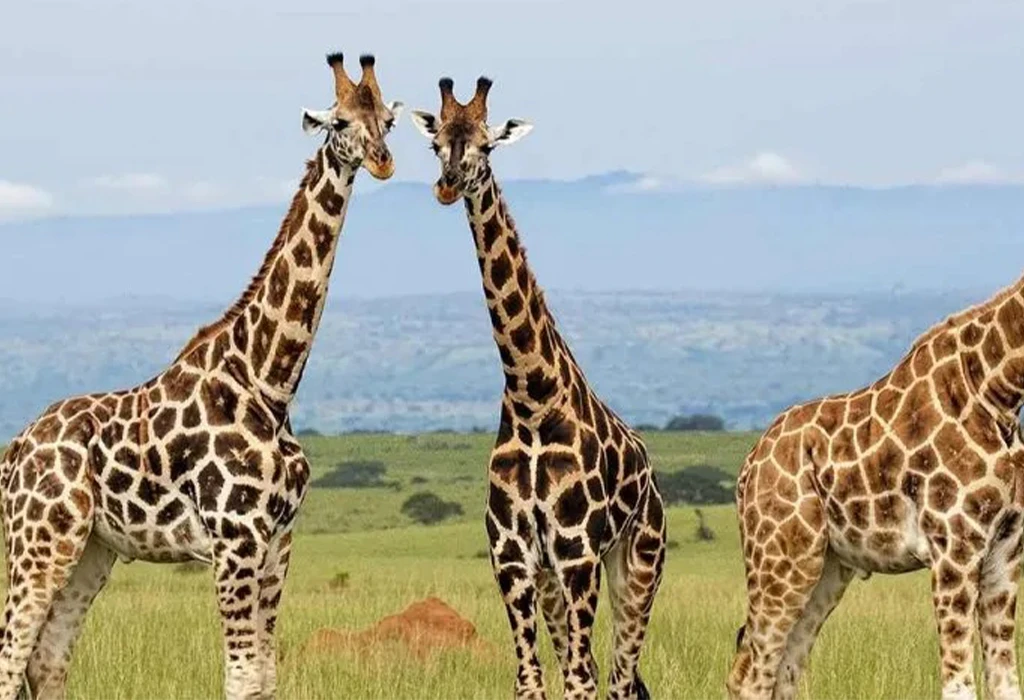
Where to See Giraffes on a Game Drive in Uganda
April 22, 2026
Chimpanzee Permit Inclusions and Exclusions
April 23, 2026
When I first observed a gorilla family in the wild, one presence stood out immediately the silverback. He moved with quiet authority, yet every member of the group watched him, trusted him, and followed his lead. The role of a silverback in a gorilla family is far more complex than simple dominance. It reflects leadership, protection, emotional intelligence, and long-term responsibility for the survival of the entire group.
These mature males, easily recognized by the silver-gray hair across their backs, form the core of gorilla society. Their influence touches every aspect of daily life, from feeding decisions to conflict resolution. As I’ve seen firsthand, understanding their role reveals not only the depth of gorilla social systems but also striking parallels with human family structures.
Leadership and Authority in Gorilla Society
At the center of every gorilla family stands the silverback as the primary decision-maker. However, his leadership goes beyond physical strength. Each day, he guides the group through the forest with clear purpose, choosing feeding areas, resting spots, and safe travel routes.
From experience, it becomes clear that these decisions are not random. A silverback relies on years of knowledge he understands seasonal food patterns, remembers safe pathways, and avoids areas where danger may arise. Because of this, the group moves efficiently and rarely wastes energy.
Moreover, his authority creates stability. Every member of the family knows their place, which reduces tension and promotes cooperation. As a result, the group functions as a cohesive unit rather than a collection of individuals.
Protector and Guardian of the Group
Perhaps the most dramatic aspect of a silverback’s role appears when danger approaches. I have witnessed how quickly the atmosphere changes when a threat is detected. Instantly, the silverback positions himself between the danger and his family.
His physical presence alone massive, powerful, and commanding often prevents conflict before it begins. When necessary, he uses chest beating, loud vocalizations, and charges to warn intruders. These displays are not random aggression; instead, they are calculated actions designed to protect without unnecessary harm.
At the same time, protection is not only reactive. A silverback constantly monitors his surroundings, ensuring that the group remains safe during feeding and resting. He also avoids unnecessary encounters with other gorilla groups by adjusting movement patterns. Because of this vigilance, the family enjoys both safety and stability.
Mediator and Peacekeeper Within the Family
Life within a gorilla group is not always calm. Disagreements can arise over food, space, or social interactions. When this happens, the silverback steps in as a mediator.
In many cases, his presence alone is enough to settle minor disputes. I have seen tensions dissolve simply because the silverback moved closer and observed. However, if conflicts escalate, he intervenes more directly separating individuals or redirecting the group’s attention.
This role requires a surprising level of emotional awareness. The silverback must judge each situation carefully and respond in a way that restores harmony without causing further stress. Through this balanced approach, he maintains unity within the family.
Reproductive Leadership and Family Continuity
The silverback also plays a central role in reproduction, ensuring the future of the group. As the dominant male, he mates with the adult females and maintains strong social bonds with them.
Yet, his success is not based on dominance alone. Females remain in the group because the silverback provides safety, reliable access to food, and a stable environment for raising young. I’ve observed how his calm presence reassures the group, especially during vulnerable periods like pregnancy and early infancy.
After birth, his role continues. He protects mothers and infants, creating conditions that allow the next generation to thrive. This long-term investment strengthens the survival of the entire family.
Paternal Care and Bonding with Infants
One of the most unexpected aspects of silverback behavior is their gentleness with infants. Despite their immense size, they interact with young gorillas carefully and patiently.
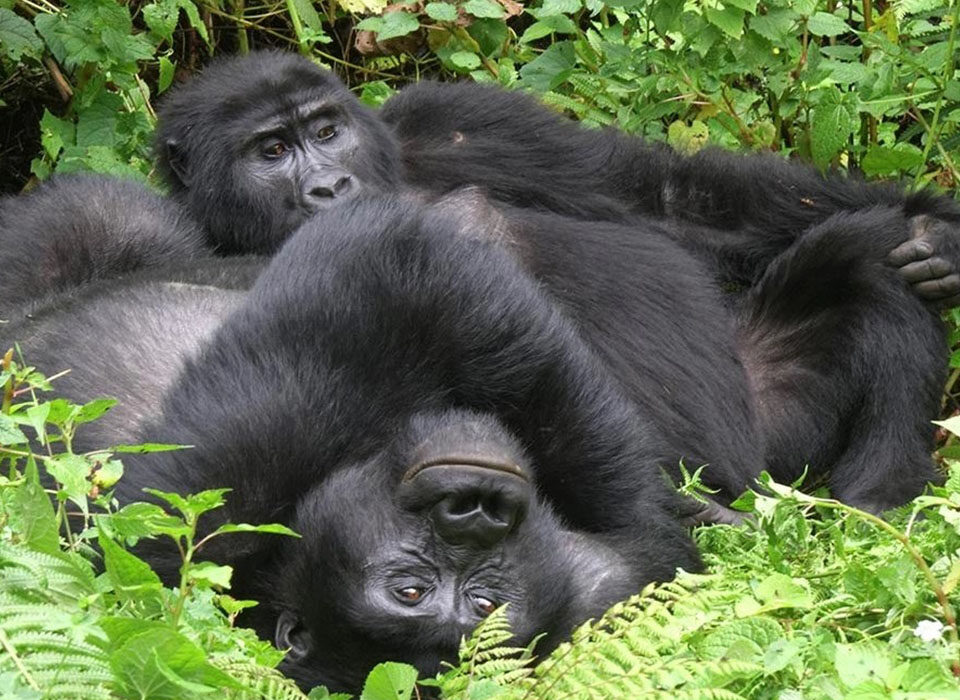
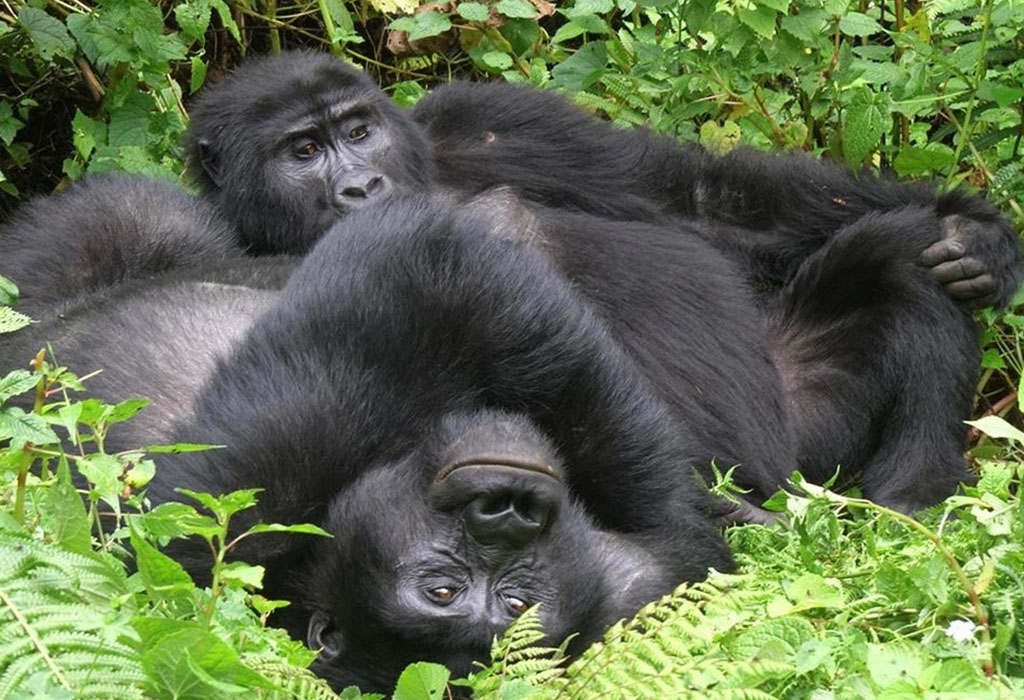
I have watched infants climb over a silverback as he rested, completely at ease in his presence. In situations where a mother cannot care for her young, the silverback may even take on a protective role, ensuring the infant’s survival.
These interactions are not only protective but also social. Infants grow up feeling secure, which supports healthy development and strong group bonds. This nurturing side adds depth to the silverback’s leadership.
Territory and Resource Management
A silverback’s responsibilities extend beyond the group itself to the management of territory. He ensures that the family has access to enough food while avoiding unnecessary conflict with neighboring groups.
He marks territory through scent, movement, and vocal signals. At the same time, he tracks the activity of nearby gorilla families and adjusts his group’s movements accordingly. Because of this careful planning, the group can feed and travel without frequent confrontation.
This strategic approach reflects intelligence and foresight. It also highlights how survival depends on both strength and decision-making.
Complex Social Structures and Multi-Male Groups
Although many gorilla families have one silverback, some groups include multiple adult males. In these cases, the dominant silverback remains in charge, but younger males support the group.
These additional males help with protection and may eventually form their own families. I’ve seen how this arrangement strengthens the group, especially during encounters with rivals.
However, maintaining harmony in such groups requires constant balance. The silverback must manage relationships carefully to prevent tension while still asserting leadership.
A Balanced Model of Leadership
The role of a silverback is a powerful example of balanced leadership. He combines strength with restraint, authority with care, and independence with responsibility for others.
From what I have observed in the field, a gorilla family thrives because of this balance. The silverback does not simply lead he protects, guides, nurtures, and stabilizes the entire group.
Ultimately, his role goes beyond survival. It shapes the social structure, ensures continuity, and supports the long-term future of gorilla populations.