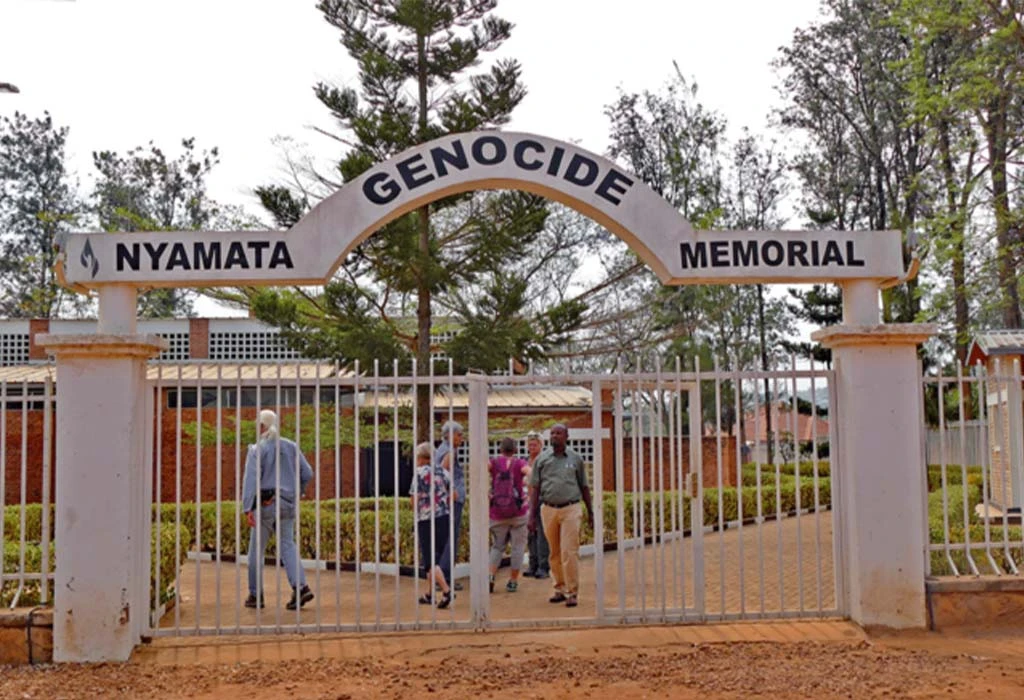
Genocide Memorial Centers in Rwanda
April 24, 2026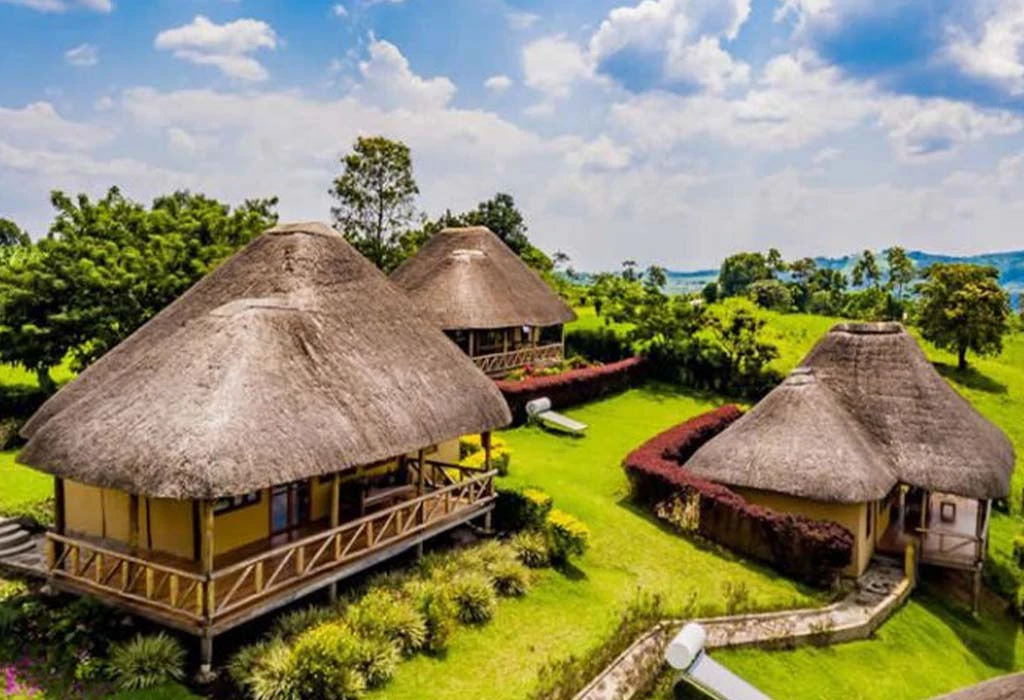
Top Lodges in Kibale Forest National Park
April 25, 2026
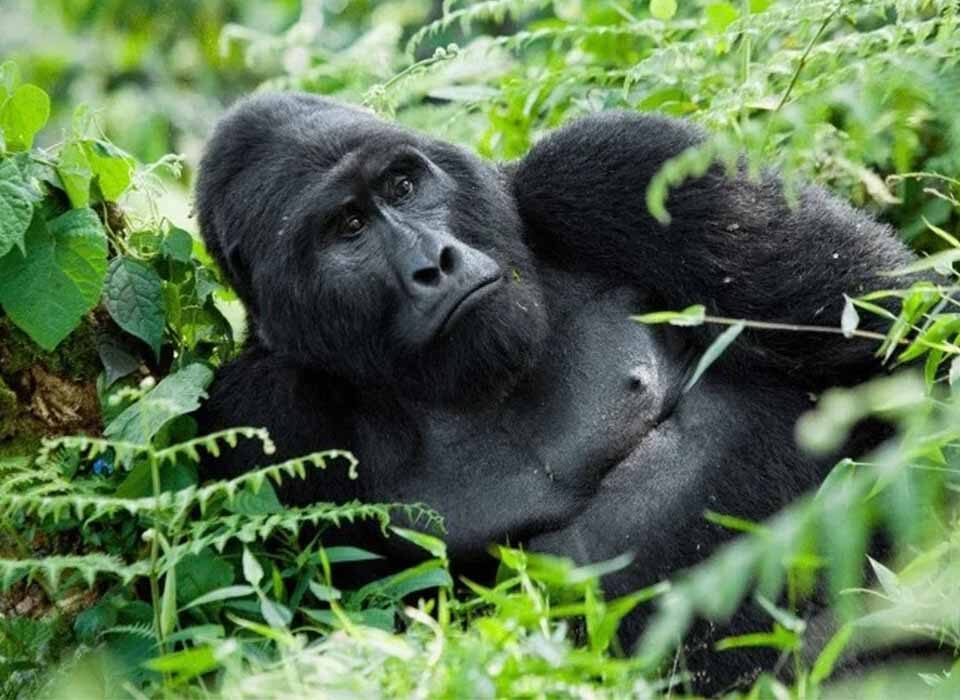
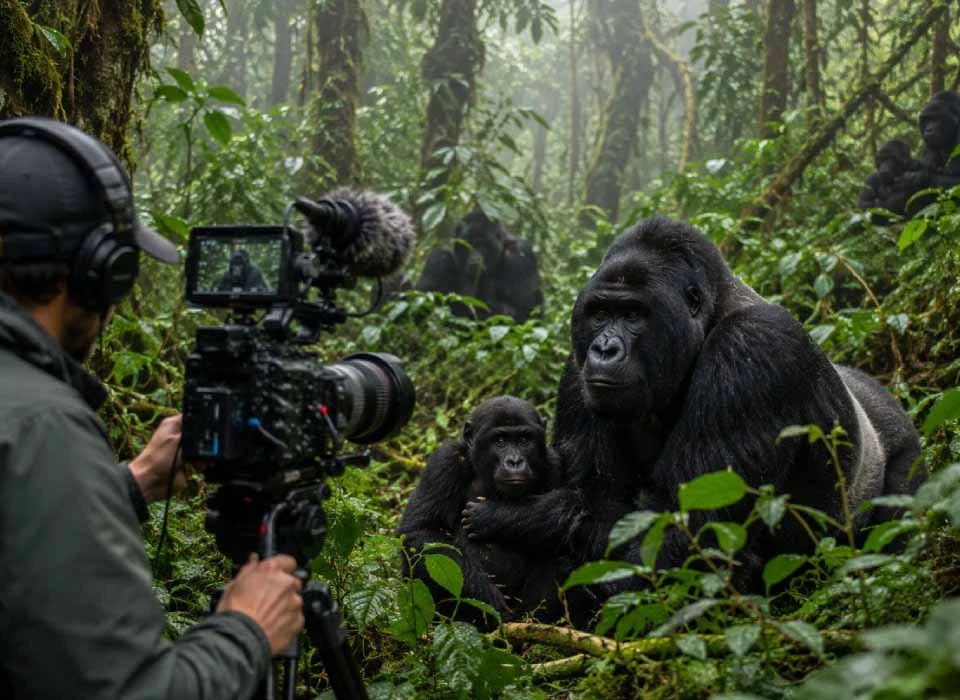
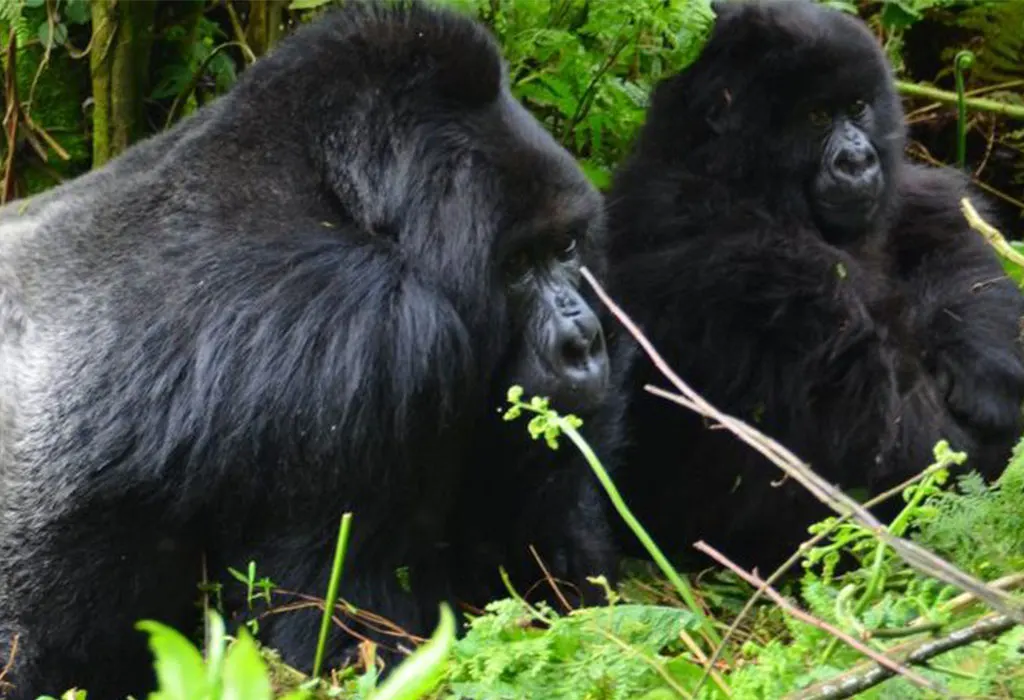
Gorilla trekking in Uganda is one of those rare experiences that stays with you long after you leave the forest. Gorilla Trekking Clothing Guide, As you walk through the dense jungles of Bwindi Impenetrable National Park and Mgahinga Gorilla National Park, every step brings you closer to one of the world’s most remarkable wildlife encounters, the endangered mountain gorilla trek.
However, preparing for this adventure goes beyond physical fitness. What you wear can significantly affect your comfort, safety, and overall experience, gorilla trekking clothing guide One question many travelers ask is simple: Can you wear black for gorilla trekking?
Yes, but it’s not the best choice. Let’s explore why
Why What You Wear Matters
Before diving into color choices, it’s important to understand why clothing matters in the first place. Gorilla trekking takes place in thick rainforest terrain, where conditions can shift quickly from sunny to wet and muddy. You will hike through steep slopes, dense vegetation, and sometimes slippery trails.
Because of this, your clothing needs to do more than look good. It should protect you from scratches, insects, and unpredictable weather. At the same time, it should help you stay cool and comfortable throughout the trek.
Equally important, your clothing should allow you to blend naturally into the environment. The goal is to observe gorillas without disturbing them, and subtle, practical attire helps achieve that.
Is Wearing Black a Good Idea?
At first glance, black might seem like a safe, neutral option. It’s common, easy to pack, and doesn’t show dirt easily. However, once you step into Uganda’s rainforest environment, a few drawbacks quickly become clear.
Heat and Comfort Challenges
To begin with, Uganda’s equatorial climate can be warm and humid, even inside the forest. Black clothing absorbs heat rather than reflecting it. As a result, you may feel hotter and more uncomfortable, especially during long treks.
Over time, this added heat can lead to fatigue or dehydration, making an already challenging hike feel even more demanding. In contrast, lighter colors reflect sunlight and help keep your body temperature more stable.
Visibility in Dense Forest
Next, consider visibility. The rainforest is naturally dim due to the thick canopy overhead. When you wear black, you blend too much into the shadows.
While blending with nature sounds like a good thing, it can actually work against you. Your guide and fellow trekkers need to see you clearly at all times. In case of an emergency or even simple navigation, being visible matters.
Lighter, neutral tones strike a better balance; they blend with the environment without making you hard to spot.
Insects and Practical Concerns
Another important factor is insect activity. Uganda’s forests are home to mosquitoes and other insects. Interestingly, darker colors tend to attract more insects than lighter ones.
In addition, spotting insects on black clothing is much harder. On lighter fabrics, you can easily notice and brush them off. This small detail can make a big difference in your comfort during the trek.
What Should You Wear Instead?
Since black isn’t ideal, what works better? The answer lies in choosing clothing that is practical, breathable, and suited to the forest environment.
Choose Neutral, Earthy Colors
Instead of black, go for colors like khaki, olive green, brown, or light grey. These tones blend naturally with the surroundings without absorbing too much heat.
They also give you a more comfortable trekking experience while still maintaining a low profile in the
Prioritize Lightweight and Breathable Fabrics
Just as important as color is fabric. Choose lightweight, moisture-wicking materials that allow your body to breathe. The rainforest can feel humid, and breathable clothing helps prevent overheating.
Avoid heavy fabrics that trap sweat, as they can quickly become uncomfortable during a long hike.
Cover Up for Protection
Although it may seem counterintuitive in a warm climate, long sleeves and long pants are essential. The forest contains thorny plants, branches, and insects that can irritate your skin.
Covering up reduces the risk of cuts, scratches, and bites. It also helps you move more confidently through thick vegetation.
Wear Proper Footwear
Footwear can make or break your trekking experience. Trails in Bwindi Impenetrable National Park and Mgahinga Gorilla National Park are often muddy and uneven.
Sturdy, waterproof hiking boots with good ankle support are essential. They provide stability and reduce the risk of slipping or injury.
Add Simple Accessories
Finally, a few accessories can improve your comfort significantly. A wide-brimmed hat protects you from the sun, while gloves help you grip vegetation and protect your hands.
These small additions can make the trek smoother and more enjoyable.
Final Thoughts: Dress Smart, Trek Better
So, can you wear black for gorilla trekking? Technically, yes. But in practice, it’s not the smartest choice.
Black clothing tends to trap heat, reduce visibility, and attract insects, all of which can make your trek less comfortable. Instead, choosing light, neutral colors and breathable fabrics will help you stay cool, protected, and fully focused on the experience.
Ultimately, gorilla trekking is about more than reaching your destination. It’s about the journey, the sounds of the forest, the anticipation, and the unforgettable moment when you finally come face-to-face with a mountain gorilla.
When you dress appropriately, you allow yourself to enjoy every step of that journey without distraction. And that, more than anything, is what makes the experience truly extraordinary.