
Can Beginners Participate in Gorilla Habituation?
July 20, 2026
Luxury Women Trips to Uganda and Rwanda
July 20, 2026
A visit to Bwindi Impenetrable National Park is often associated with unforgettable mountain gorilla trekking. However, beyond the ancient rainforest lies another remarkable experience that deserves equal attention—the Batwa Pygmies Community Experience in Rushaga. This cultural encounter introduces visitors to one of Africa’s oldest indigenous communities and offers an authentic opportunity to learn about their history, traditions, and resilience.
At Experiya Tour Company, we believe that travel should create meaningful connections between visitors, wildlife, and local communities. For this reason, we encourage travelers to complement their gorilla trekking adventure with a visit to the Batwa people. The experience not only enriches your safari but also contributes directly to community development and cultural preservation.
Who Are the Batwa People?
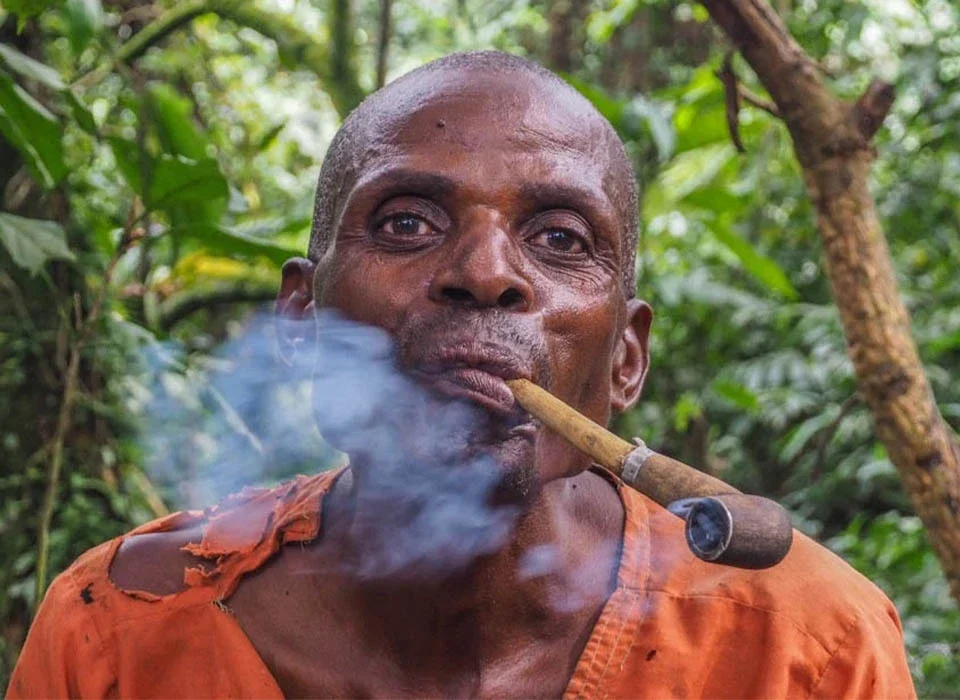
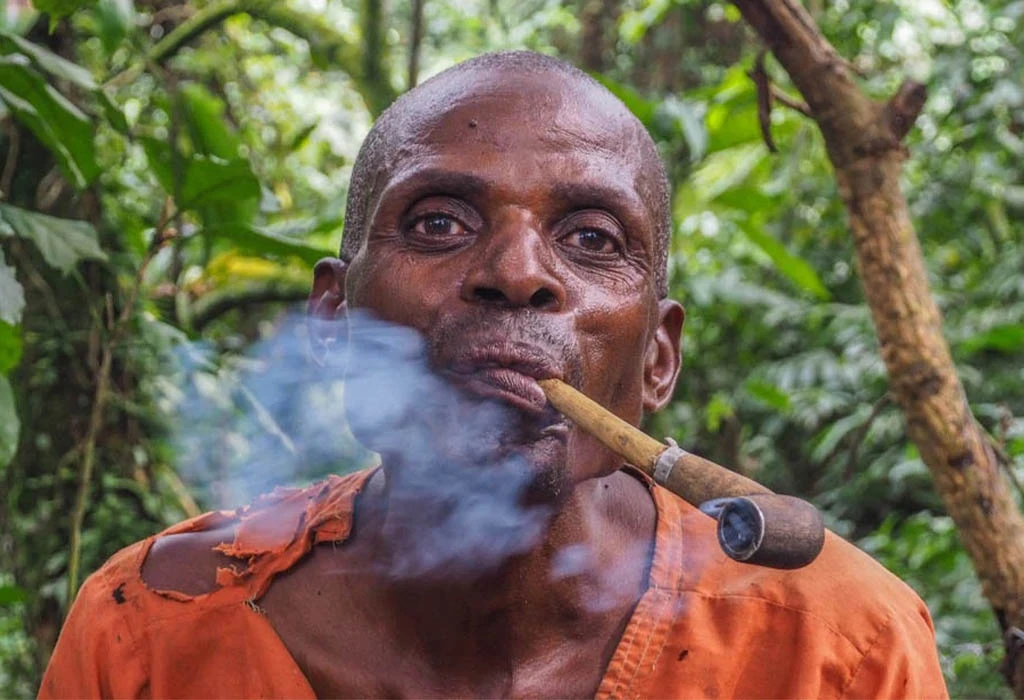
The Batwa are among the oldest indigenous forest-dwelling communities in Central and East Africa. Long before modern conservation efforts began, they lived deep within the forests surrounding Bwindi, relying entirely on nature for survival. For generations, they hunted small animals, gathered wild fruits, harvested honey, collected medicinal plants, and built temporary shelters using natural materials found in the rainforest.
Unlike farming communities, the Batwa developed an intimate understanding of the forest ecosystem. Every tree, plant, stream, and animal held practical and spiritual significance. Their knowledge allowed them to live sustainably without damaging the environment, making them true custodians of the forest for centuries.
Their traditions, songs, stories, and survival skills formed an important part of their identity and were carefully passed from one generation to another.
The History Behind the Batwa Community Experience
The story of the Batwa changed dramatically in 1991 when the Ugandan government established Bwindi Impenetrable National Park to protect the endangered mountain gorillas and conserve the unique biodiversity of the forest.
As conservation efforts expanded, the Batwa were relocated from their ancestral homeland. Although this decision played an important role in protecting one of the world’s most endangered primates, it also left the Batwa without access to the forest that had sustained them for countless generations.
Without land, hunting grounds, or traditional livelihoods, many Batwa families struggled to adapt to life outside the forest. Over time, community organizations, conservation partners, and tourism initiatives began working together to create alternative sources of income while helping preserve Batwa culture.
Today, cultural tourism has become one of the most effective ways for the Batwa to share their heritage with the world while generating income that supports education, healthcare, and community development.
Why Visit the Batwa Community in Rushaga?
Many travelers come to Rushaga solely for gorilla trekking, yet adding a Batwa cultural experience creates a much deeper understanding of the region.
Rather than simply observing a cultural performance, visitors actively participate in an educational journey led by Batwa community members themselves. Every guide shares personal stories, explains traditional customs, and demonstrates ancient survival techniques that once allowed their ancestors to thrive in the rainforest.
The experience provides valuable insight into the relationship between conservation, culture, and sustainable tourism. It also reminds visitors that protecting wildlife and supporting local communities can work hand in hand when managed responsibly.
A Warm Welcome from the Batwa Community
The experience begins with a heartfelt welcome from Batwa guides, whose hospitality immediately makes visitors feel at home. Instead of rushing into activities, the guides first introduce themselves and explain the history of their people.
As they share stories about growing up near the forest and preserving their traditions, visitors quickly gain a deeper appreciation of the Batwa’s remarkable resilience.
Their storytelling transforms history into a personal experience, allowing guests to understand not only where the Batwa came from but also how they continue to preserve their cultural identity today.
Step Back in Time Through Traditional Forest Life
As the cultural walk begins, Batwa guides lead visitors through areas that recreate aspects of their former forest lifestyle. Along the way, they explain how families built temporary shelters using branches, leaves, and vines gathered from the forest.
Visitors also learn how the Batwa located edible plants, gathered wild fruits, harvested honey from tall trees, and identified medicinal herbs used to treat common illnesses.
Rather than presenting these skills as demonstrations alone, the guides explain how every practice served an essential purpose in daily life. Their knowledge reflects generations of experience and close observation of the natural world.
Discover Ancient Hunting Techniques
One of the most fascinating parts of the experience involves learning about traditional hunting methods.
Batwa guides demonstrate how they once used handmade bows and arrows to hunt small animals while respecting the balance of the forest ecosystem. Visitors can safely try using these traditional tools under the guidance of experienced community members.
Although hunting is no longer part of their daily life, these demonstrations preserve important cultural knowledge and help younger Batwa generations maintain a connection to their heritage.
Learn the Art of Traditional Fire Making
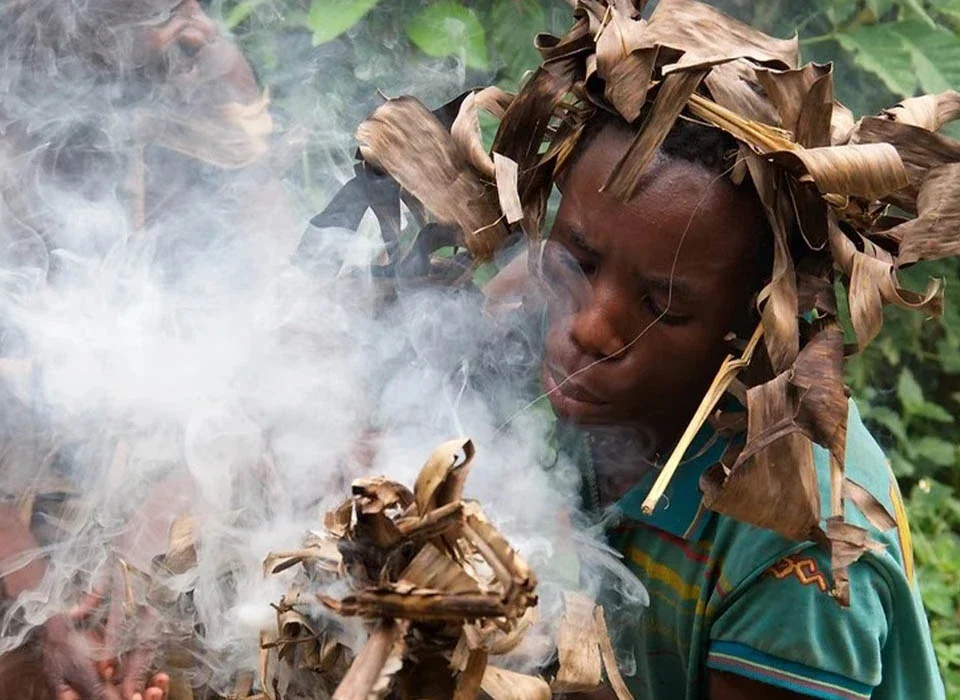
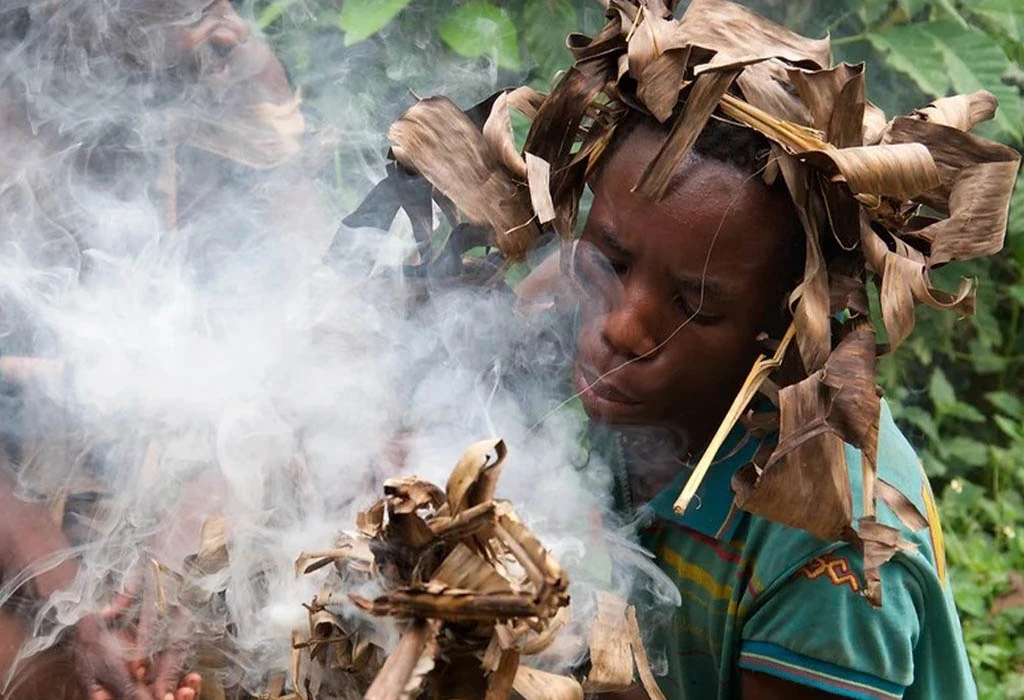
Another memorable activity introduces visitors to one of humanity’s oldest survival skills—making fire without modern equipment.
Using dry sticks and natural fibers, Batwa guides carefully demonstrate the traditional techniques their ancestors relied upon before the introduction of matches or lighters.
Many visitors quickly discover that creating fire through friction requires patience, skill, and practice. Trying the technique firsthand offers a greater appreciation for the ingenuity and resourcefulness of the Batwa people.
Experience Traditional Dance and Music
As the cultural experience continues, the atmosphere becomes more vibrant through traditional Batwa music and dance.
The rhythmic beating of handmade drums, energetic dancing, and powerful songs celebrate the community’s history and spiritual connection to the forest. Every performance tells a story, whether it recalls successful hunts, family life, ceremonies, or the beauty of nature.
Visitors are warmly invited to join the dancing, creating joyful moments of cultural exchange that often become one of the highlights of the visit.
Rather than performing for entertainment alone, the Batwa use music to preserve oral traditions and pass cultural knowledge from one generation to the next.
Listen to Personal Stories of Resilience
Perhaps the most meaningful part of the visit comes through personal conversations with Batwa community members.
Many openly share their experiences of life before relocation, the challenges of adapting to modern society, and their hopes for future generations. These honest conversations allow visitors to better understand both the successes and ongoing struggles faced by indigenous communities.
Instead of reading about history in a book, travelers hear directly from the people whose lives continue to shape that history today.
These interactions often leave a lasting emotional impact and encourage greater appreciation for cultural diversity and community resilience.
Taste Traditional Local Food
Depending on the program, visitors may also enjoy traditional meals prepared by Batwa families.
Simple dishes made from locally grown ingredients such as sweet potatoes, cassava, plantains, beans, vegetables, and seasonal produce provide a delicious introduction to local cuisine.
Sharing a meal creates another opportunity for conversation while supporting community members who prepare the food.
Food often becomes a bridge between cultures, allowing visitors and hosts to connect beyond language and tradition.
Supporting Conservation Through Responsible Tourism
The Batwa Community Experience does much more than preserve cultural traditions. It also creates meaningful economic opportunities.
Revenue generated through community tourism supports education for Batwa children, improves access to healthcare, strengthens local livelihoods, and funds community projects that improve living conditions.
At the same time, many Batwa now participate in conservation awareness programs that promote the protection of Bwindi’s unique ecosystem and its endangered mountain gorillas.
This partnership demonstrates that successful conservation depends not only on protecting wildlife but also on creating opportunities for the people who live alongside protected areas.
Combine the Batwa Experience with Gorilla Trekking
Many visitors choose to include the Batwa Community Experience either before or after their gorilla trekking adventure in Rushaga.
This combination creates a balanced safari that celebrates both Uganda’s extraordinary wildlife and its rich cultural heritage. While gorilla trekking offers a once-in-a-lifetime wildlife encounter, the Batwa experience provides a deeper understanding of the people whose lives have remained closely connected to the forest for generations.
Together, these experiences create a more complete picture of Bwindi and leave travelers with memories that extend far beyond wildlife photography.
At Experiya Tour Company, we can easily include the Batwa Community Experience as part of your customized Bwindi safari itinerary.
Best Time to Visit the Batwa Community
The Batwa Community Experience is available throughout the year. However, many travelers prefer visiting during Uganda’s dry seasons, from June to September and December to February, when roads and walking trails are generally easier to navigate.
Even during the rainy seasons, cultural visits remain rewarding because most activities take place within the community and continue regardless of weather conditions.
A Cultural Experience That Leaves a Lasting Impression
The Batwa Community Experience in Rushaga offers far more than a cultural excursion. It provides an opportunity to meet one of Africa’s oldest indigenous communities, learn directly from local people, and appreciate a heritage that continues to survive despite enormous challenges.
Visitors leave with a greater understanding of the Batwa’s deep connection to the forest, their remarkable resilience, and their determination to preserve traditions while embracing new opportunities. Every story shared, every song performed, and every skill demonstrated reflects a culture that deserves recognition and respect.
When you travel with Experiya Tour Company, you do more than visit Bwindi Impenetrable National Park. You support responsible tourism that benefits wildlife conservation, empowers local communities, and preserves Uganda’s extraordinary cultural heritage for future generations. Whether you come for gorilla trekking, cultural discovery, or both, the Batwa Community Experience is an unforgettable journey that adds meaning, perspective, and lasting value to your Uganda safari.