Where Do Golden Monkeys Live?
August 11, 2026
Top Things to Do During Your Safari in Rwanda
August 11, 2026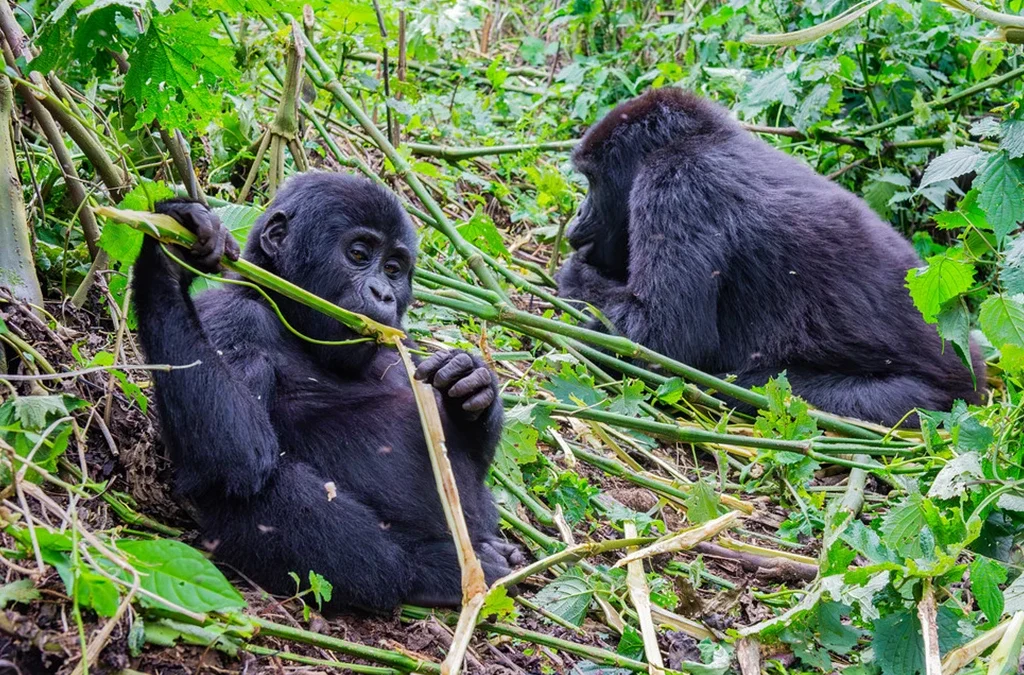
Is it safe to visit gorillas in Uganda? Yes. Gorilla trekking in Uganda is generally considered a safe and well-regulated wildlife experience. The Uganda Wildlife Authority (UWA), park rangers, conservation organizations, and trained trekking guides work together to protect visitors and mountain gorillas throughout the experience.
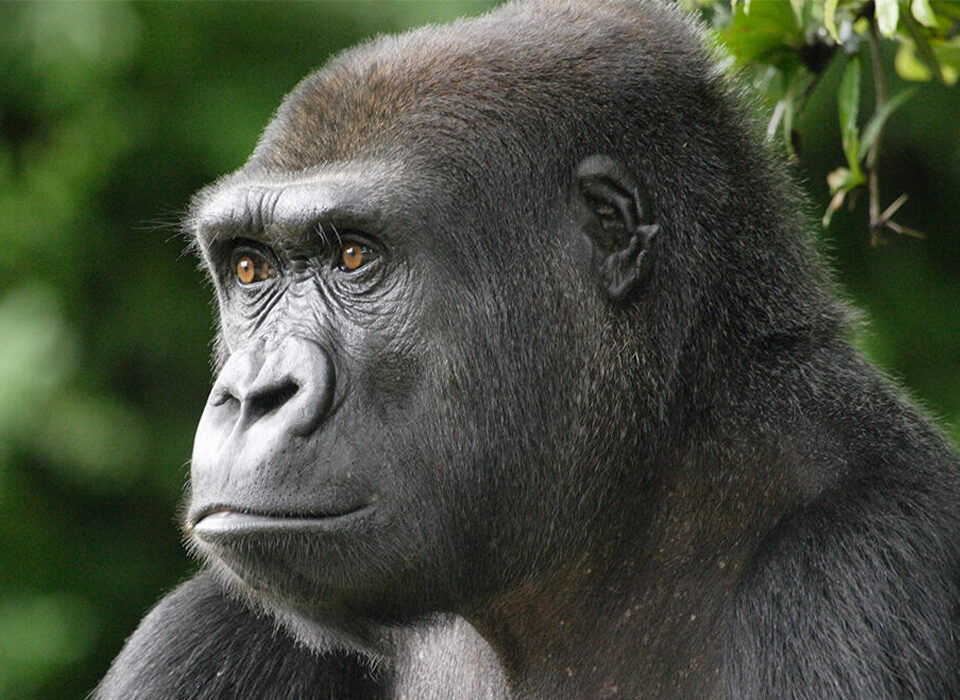
Uganda offers one of the world’s most memorable wildlife encounters in Bwindi Impenetrable National Park and Mgahinga Gorilla National Park, both located in southwestern Uganda. These forests protect endangered mountain gorillas and provide visitors with an opportunity to observe them in their natural habitat.
Although gorilla trekking is safe, it is still a wilderness activity. You will walk through dense forest, steep slopes, muddy trails, and sometimes challenging terrain. Therefore, proper preparation and following your guide’s instructions are essential for a safe and enjoyable trek.
Why Is Gorilla Trekking in Uganda Safe?
Uganda has developed strict guidelines to protect both tourists and gorillas. Before entering the forest, every visitor receives a briefing from the trekking team. The briefing explains how to behave around gorillas, how to move through the forest, and what to do if a gorilla approaches you.
In addition, trained guides and rangers accompany visitors throughout the trek. They understand gorilla behavior, know the forest trails, and communicate with trackers who locate the gorilla family before visitors arrive.
As a result, you do not enter the forest alone or approach gorillas without supervision. The trekking team remains responsible for guiding the group and responding to unexpected situations.
Gorilla Trekking in Bwindi and Mgahinga
Uganda’s two mountain gorilla destinations are Bwindi Impenetrable National Park and Mgahinga Gorilla National Park. Bwindi contains several trekking sectors, while Mgahinga protects part of the larger Virunga mountain ecosystem.
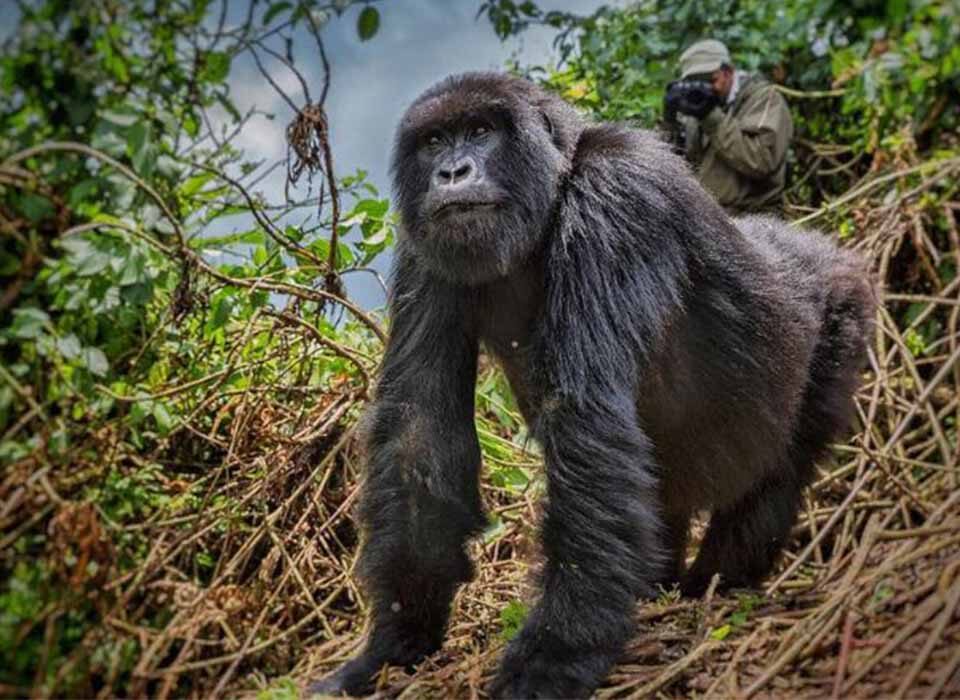
The gorillas live freely in their natural environment, so trekking does not resemble visiting animals in a zoo. You may walk for several hours before reaching the gorilla family. The exact duration depends on where the gorillas moved after trackers located their previous position.
Once you find the gorillas, your guide will explain where to stand and how to behave. The encounter can feel remarkably peaceful as the gorillas continue feeding, resting, climbing, or interacting with one another.
Experienced Guides and Rangers
One of the most important safety measures involves the experienced guides and rangers who accompany every trekking group. They understand the terrain and monitor the behavior of the gorillas throughout the encounter.
Guides also help visitors navigate slippery trails, steep sections, dense vegetation, and changing weather conditions. Meanwhile, rangers help maintain appropriate distances between visitors and gorillas while protecting the animals from unnecessary disturbance.
Therefore, listening carefully to your trekking team is one of the simplest ways to improve your safety. If your guide asks you to stop, move back, lower your voice, or change position, follow the instruction immediately.
Mandatory Gorilla Trekking Briefing
Before your trek begins, you will attend a briefing at the park headquarters or trekking center. This session introduces the rules that visitors must follow during the experience.
You will learn how to behave around the gorillas, how to maintain the required distance, and why you should avoid sudden movements or loud noises. The guides also explain what to do if a gorilla approaches you.
The briefing may seem routine, but it plays an important role in preventing misunderstandings between people and wildlife. Pay attention and ask questions if you are unsure about any instruction.
Keeping a Safe Distance From Gorillas
Mountain gorillas are wild animals, even though habituated families have become accustomed to controlled human presence. Visitors must never attempt to touch, feed, chase, or provoke them.
Your guide will determine where you should stand and how you should move. If a gorilla approaches, remain calm and follow the guide’s instructions rather than trying to move closer for a photograph.
You should also avoid using flash photography because sudden flashes can disturb wildlife. Keeping your voice low helps maintain a calm environment and allows you to observe natural gorilla behavior without unnecessary disruption.
Small Trekking Groups Improve Safety
Gorilla trekking groups remain limited in size to reduce pressure on the gorillas and make it easier for guides and rangers to supervise visitors. A standard gorilla trekking permit allows a limited number of visitors to spend time with a habituated gorilla family.
The smaller groups also create a more personal experience. Instead of dealing with large crowds, visitors can observe the gorillas in a relatively controlled setting while receiving direct guidance from the trekking team.
Is Gorilla Trekking Physically Dangerous?
Gorilla trekking does not require you to be an extreme athlete, but you should prepare for a demanding hike. Bwindi and Mgahinga contain steep slopes, thick vegetation, uneven ground, and slippery trails, particularly after rainfall.
The length of a trek can vary considerably. Some visitors reach their assigned gorilla family relatively quickly, while others may spend several hours hiking through the forest.
For this reason, prepare your body before the trip. Walking regularly, hiking on uneven terrain, and improving your cardiovascular fitness can make the experience easier. You should also wear sturdy hiking boots with good grip and carry enough drinking water.
If you have a medical condition or concerns about strenuous activity, consult a qualified health professional before travelling.
Health and Disease Prevention
Gorillas can catch certain human respiratory illnesses, which makes disease prevention extremely important. Visitors should never join a trek when they have symptoms of a contagious illness.
If you feel unwell, particularly if you have symptoms such as coughing, fever, or flu-like illness, inform your tour operator and park authorities before the trek. Protecting the gorillas also protects the future of gorilla tourism.
Health precautions can change according to current conservation and park guidelines, so follow the instructions provided by UWA and your trekking team at the time of your visit.
Prepare for Uganda’s Forest Conditions
The weather around Bwindi and Mgahinga can change quickly. Rain can make trails slippery, while cool temperatures and wet vegetation can make the hike uncomfortable.
Pack waterproof clothing, a rain jacket, comfortable hiking trousers, sturdy boots, and warm layers. Insect repellent, sunscreen, drinking water, snacks, and a small personal first-aid kit can also prove useful.
You should protect your camera and other electronic equipment from rain. A waterproof backpack or dry bag can help keep your belongings safe during the trek.
Choose a Reliable Tour Operator
Choosing a reputable tour operator can make your gorilla trekking experience easier and safer. Experiya Tour Company can help travelers organize permits, transportation, accommodation, guides, and other arrangements associated with a Uganda gorilla trekking safari.
A responsible tour operator should provide accurate information, work with authorized personnel, and help travelers understand the requirements before they enter the forest.
Most importantly, never attempt to arrange an unauthorized gorilla encounter. Always obtain a legitimate gorilla trekking permit through official or properly authorized channels.
Travel Insurance and General Travel Preparation
Although gorilla trekking is generally safe, travel insurance remains an important part of responsible trip planning. Choose comprehensive coverage that includes medical emergencies and, where appropriate, emergency evacuation.
You should also consult a qualified travel health professional before travelling to Uganda. They can provide advice based on your itinerary, health circumstances, and current travel-health recommendations.
Good preparation reduces unnecessary risks and allows you to focus on the experience rather than worrying about avoidable problems.
Respect the Forest and the Gorillas
Safety does not only mean protecting yourself. It also means protecting the gorillas and the forest that supports them.
Do not leave rubbish behind, feed animals, damage vegetation, or make unnecessary noise. Keep your belongings secure and follow every park regulation. Your behavior contributes directly to responsible tourism and long-term gorilla conservation.
When visitors respect the rules, gorillas can continue living in their natural habitat with minimal disturbance. At the same time, tourism generates revenue that supports conservation and local communities.
So, Is Gorilla Trekking in Uganda Safe?
Yes, gorilla trekking in Uganda is generally a safe and carefully managed wildlife experience. UWA regulations, experienced guides, trained rangers, visitor briefings, controlled trekking groups, and conservation guidelines all help reduce potential risks.
However, safety also depends on the visitor. Prepare physically, dress appropriately for the forest, follow health precautions, listen to your guide, maintain the required distance from gorillas, and respect every park regulation.
With proper preparation and responsible behavior, visiting Uganda’s mountain gorillas can become one of the most extraordinary experiences of your life. From the misty forests of Bwindi to the volcanic landscapes of Mgahinga, the opportunity to sit quietly near a wild mountain gorilla offers a powerful connection with nature and a deeper appreciation for conservation.
If you are planning a gorilla trekking adventure in Uganda, Experiya Tour Company can help you plan the journey and experience these remarkable primates responsibly and safely.