
Exploring Nyamirambo: Kigali’s Vibrant Art and Shopping Hub
January 5, 2026
Climbing the Virunga Volcanoes in Mgahinga Gorilla National Park
January 6, 2026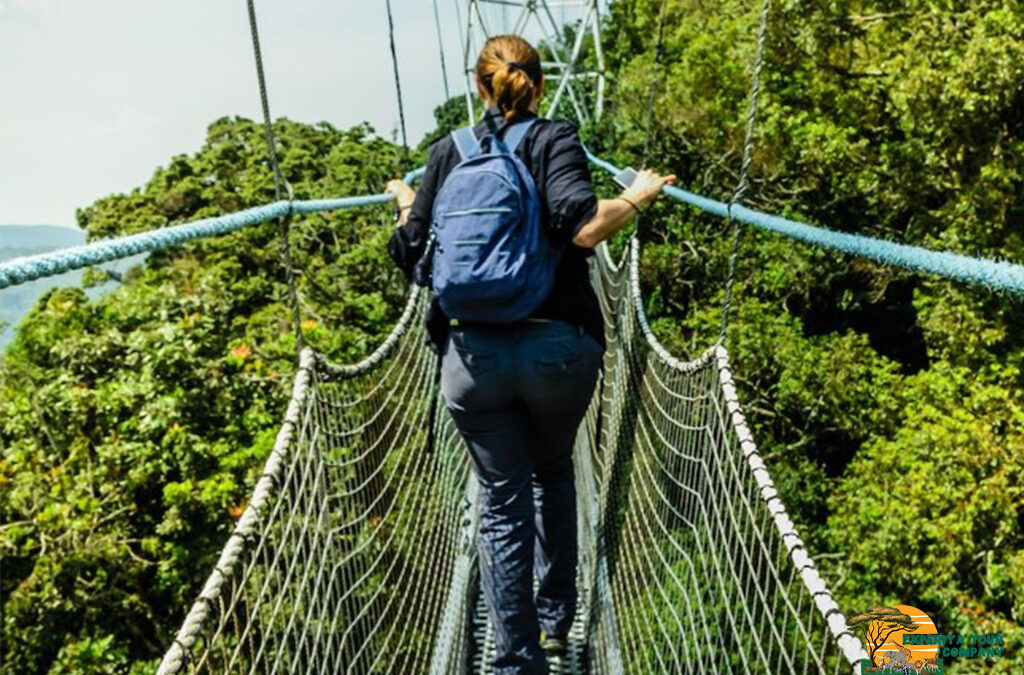
Rwanda ranks among Africa’s top safari destinations, particularly for travelers seeking adventure, primate encounters, and meaningful cultural experiences. Before planning your journey, however, it helps to understand what makes a Rwanda safari unique. This guide highlights everything you should know to ensure your trip is both smooth and unforgettable.
Rwanda’s Beautiful Safari Destinations
To begin with, Rwanda is home to four outstanding national parks, each offering a distinct safari experience.
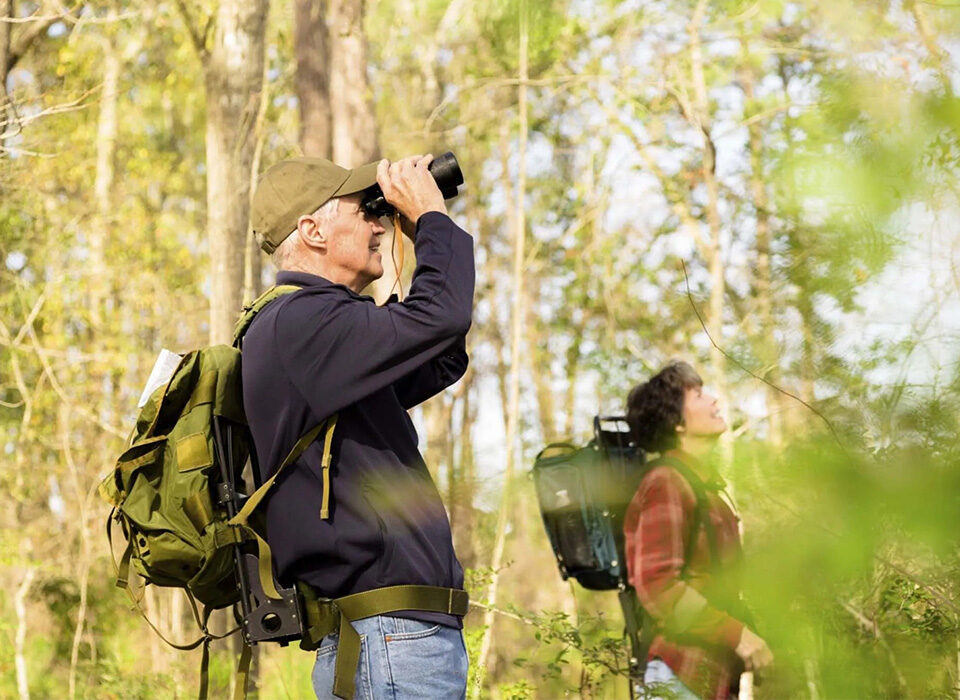
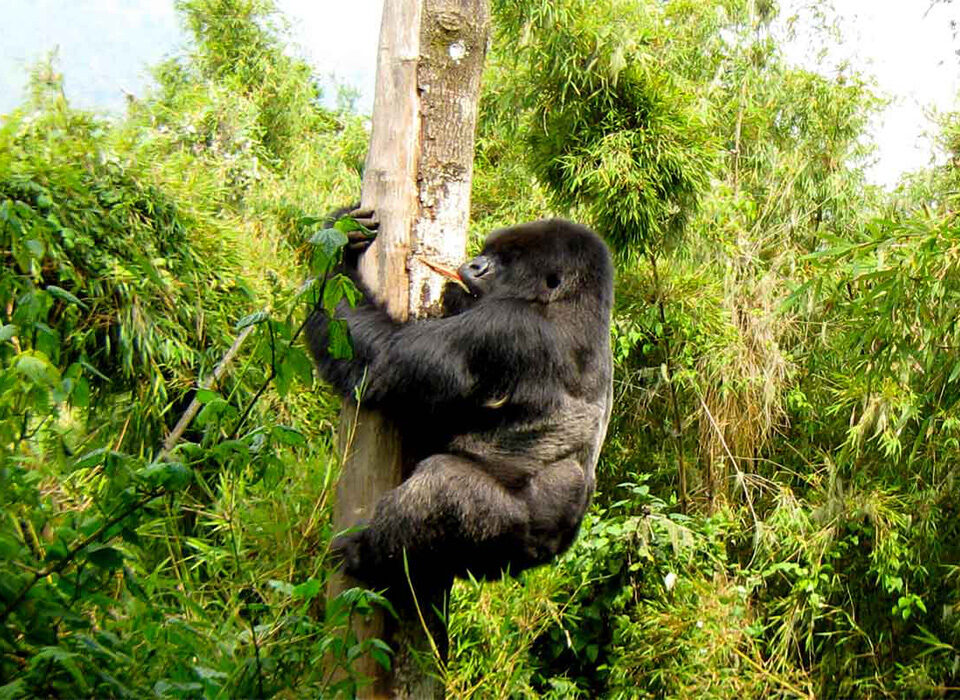
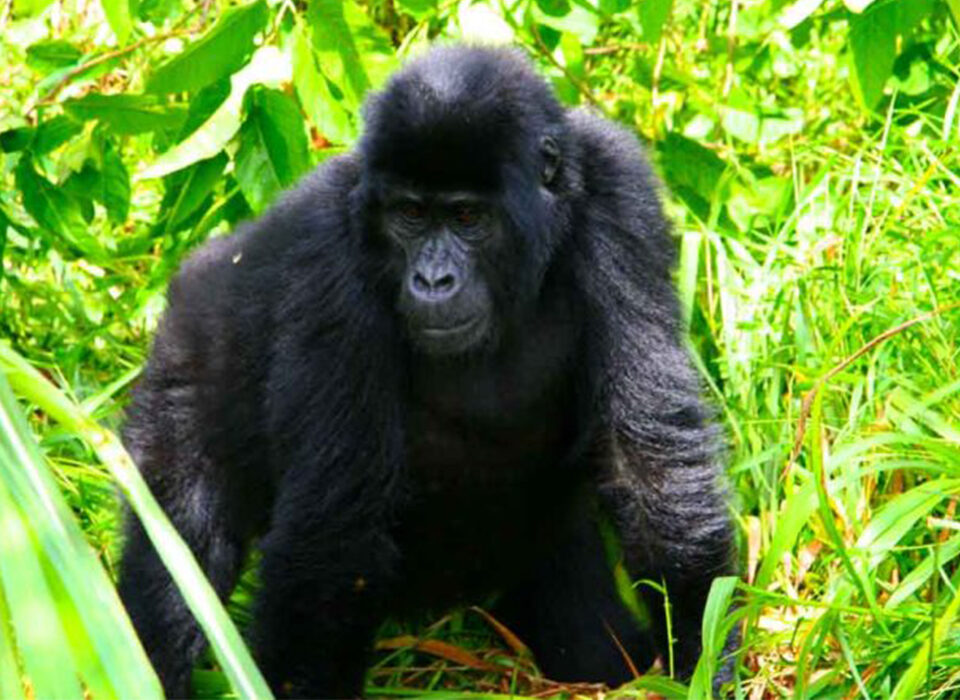
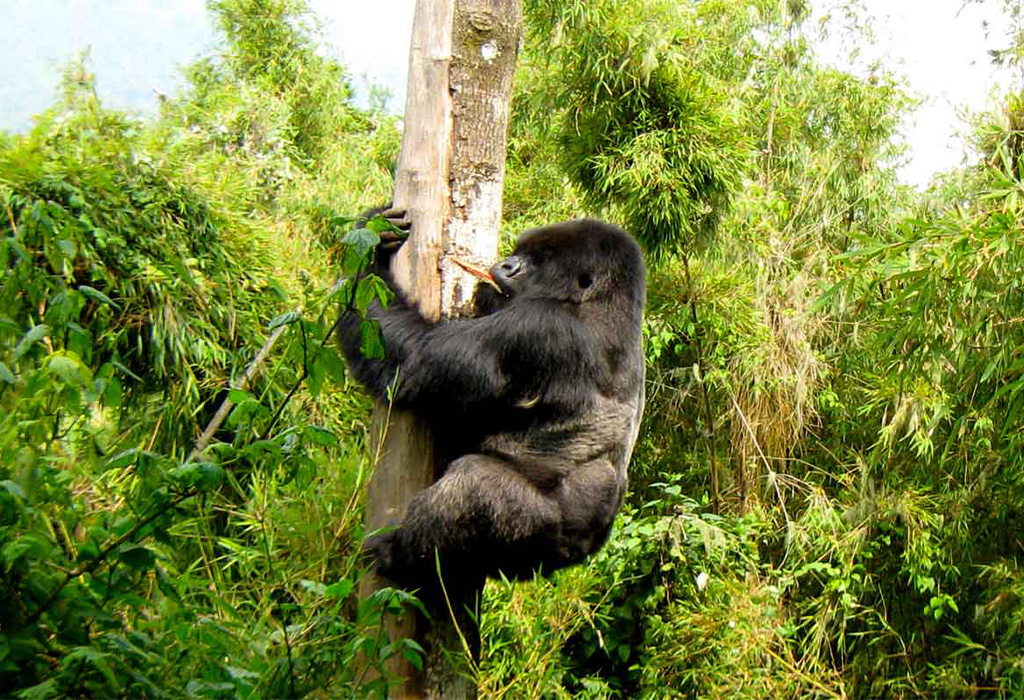
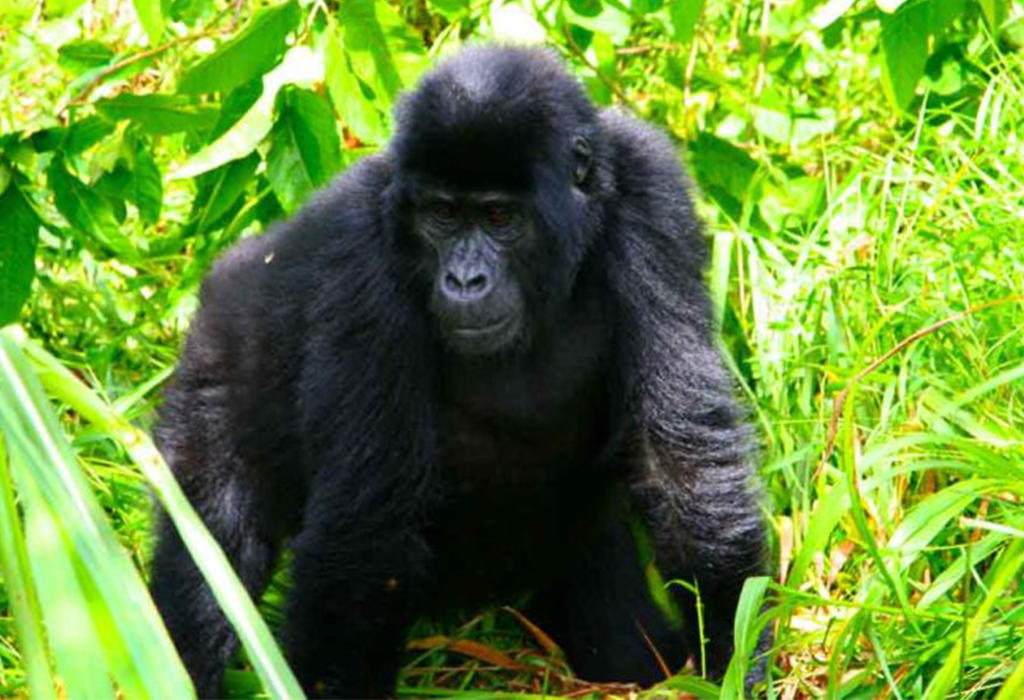
Volcanoes National Park stands out as the country’s most famous attraction, renowned worldwide for mountain gorilla trekking. Here, visitors can also enjoy golden monkey trekking, the Dian Fossey Tomb hike, and challenging climbs up Mount Karisimbi and Mount Bisoke. In addition, birdwatching and scenic nature walks enrich the overall adventure.
Meanwhile, Nyungwe Forest National Park offers one of Africa’s richest primate experiences. The park protects over 13 primate species, including chimpanzees and the endemic Angola colobus monkeys of the Albertine Rift. Beyond primates, Nyungwe hosts diverse birdlife, butterflies, and lush tropical flora. Popular activities include chimpanzee trekking, canopy walk experiences, colobus monkey tracking, waterfall hikes, guided nature walks, night walks, and birdwatching.
Similarly, Gishwati–Mukura National Park features comparable montane forest vegetation and wildlife, making it another excellent destination for primate lovers seeking quieter, less crowded trails.
In contrast to the forested parks, Akagera National Park delivers a classic savannah safari. Here, travelers can spot all of Africa’s Big Five lions, elephants, buffaloes, leopards, and rhinos. Visitors can enjoy day and night game drives, boat safaris on Lake Ihema, guided rhino tracking, and behind-the-scenes conservation experiences. As a result, Akagera has become a must-visit destination for wildlife enthusiasts.
Beyond the national parks, destinations such as Lake Kivu and Kigali City add cultural depth to a Rwanda safari. These areas allow visitors to connect with local communities, explore Rwanda’s history, and experience modern urban life. Clearly, understanding what you should know about a Rwanda safari means appreciating this diversity of landscapes and experiences.
Accommodations and Hotels in Rwanda
Equally important, Rwanda offers accommodation options to suit every travel style. From ultra-luxury eco-lodges to midrange, standard, and budget hotels, visitors can choose facilities that match both comfort preferences and budget. No matter where you stay, Rwanda maintains high hospitality standards that enhance the safari experience.
Duration of a Rwanda Safari
Safari length largely depends on personal interests. Typically, an 8- to 15-day itinerary allows travelers to explore most of Rwanda’s highlights comfortably. However, longer safaris—lasting more than two weeks offer deeper immersion, slower travel, and opportunities to explore hidden gems. Therefore, planning the right duration plays a key role in maximizing your adventure.
Is Rwanda Good for Safari?
Without a doubt, Rwanda is one of Africa’s safest and most rewarding safari destinations. The country combines remarkable biodiversity, iconic wildlife such as gorillas, dramatic volcanic landscapes, rich culture, and warm, welcoming people. For many travelers, a Rwanda safari becomes a once-in-a-lifetime experience—and often the highlight of their African journey.
Safari Costs in Rwanda
Safari costs vary depending on trip length, accommodation level, and chosen activities. Notably, gorilla trekking remains Rwanda’s most sought-after experience. A gorilla trekking permit costs USD 1,500 per person, and participants must be at least 15 years old. While this experience requires a higher budget, it also delivers unmatched value and unforgettable moments.
Planning Your Visit
Despite its small size, Rwanda offers enough activities for 4 to 15 days—or even longer. Travelers can venture beyond the main parks to explore off-the-beaten-path experiences, such as Congo Nile biking trails or guided village walks that reveal everyday local life. As a result, careful itinerary planning ensures you experience Rwanda at its best.
Best Time to Visit Rwanda
You can visit Rwanda year-round; however, the dry seasons from June to September offer the best conditions for trekking and wildlife viewing. During this period, trails remain easier to navigate, and animal sightings become more frequent, especially in savannah areas.
Embark on a Rwanda safari filled with unforgettable wildlife encounters, breathtaking landscapes, and rich cultural connections. For a perfectly customized itinerary tailored to your interests and budget, contact Experiya Tour Company by emailing info@experiyatourcompany.com