
How to Plan the Perfect Uganda Safari Vacation 2026
February 17, 2026
Chances of Seeing Mountain Gorillas in Bwindi and Rwanda
February 17, 2026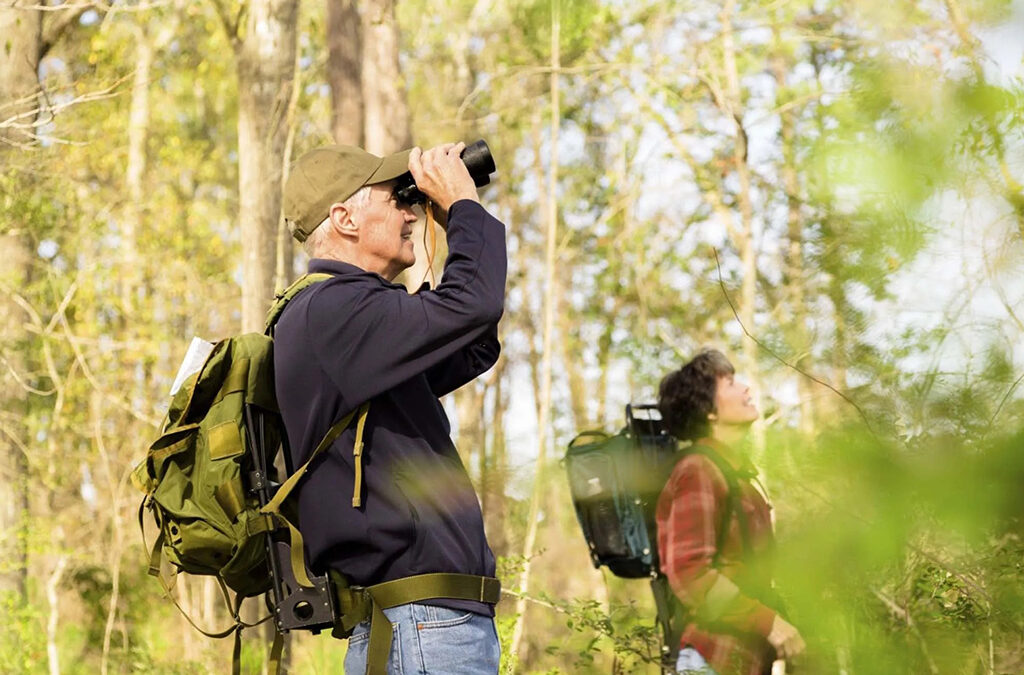
Bird watching in Rwanda is often overshadowed by gorilla trekking. However, for passionate birders, Rwanda is a hidden treasure. With over 750 recorded bird species in a relatively small country, Rwanda offers one of Africa’s most rewarding birding experiences.
From the misty Afromontane forests of Nyungwe to the papyrus swamps of Akagera and Rugezi, the country lies within the Albertine Rift Valley one of the richest biodiversity hotspots on the continent. As a result, birders have the rare opportunity to spot several Albertine Rift endemics such as the Albertine Owlet, Red-collared Mountain Babbler, Collared Apalis, Grauer’s Warbler, and Neumann’s Warbler.
If you are planning a birding safari in Rwanda, proper preparation will significantly enhance your experience. Below is a complete guide to help you get ready.
Where to Go Bird Watching in Rwanda
Before packing your bags, it is important to understand Rwanda’s top birding destinations. Each park and wetland offers a unique habitat and a different selection of species.
Nyungwe Forest National Park
Nyungwe Forest is Rwanda’s premier birding destination. Located in the southwest and stretching toward Burundi and Lake Kivu, this vast Afromontane forest is recognized as an Important Birding Area (IBA).
The park hosts over 300 bird species, including many Albertine Rift endemics. While walking along forest trails or tracking chimpanzees, you may encounter the Rwenzori Turaco, Purple-breasted Sunbird, Red-throated Alethe, Archer’s Robin-Chat, Mountain Masked Apalis, and Shelley’s Crimsonwing.
Because of its dense canopy and rich biodiversity, Nyungwe offers an immersive and unforgettable birding adventure.
Akagera National Park
In contrast to Nyungwe’s forests, Akagera National Park features savannah plains, lakes, and wetlands. Located in eastern Rwanda, the park supports more than 310 bird species.
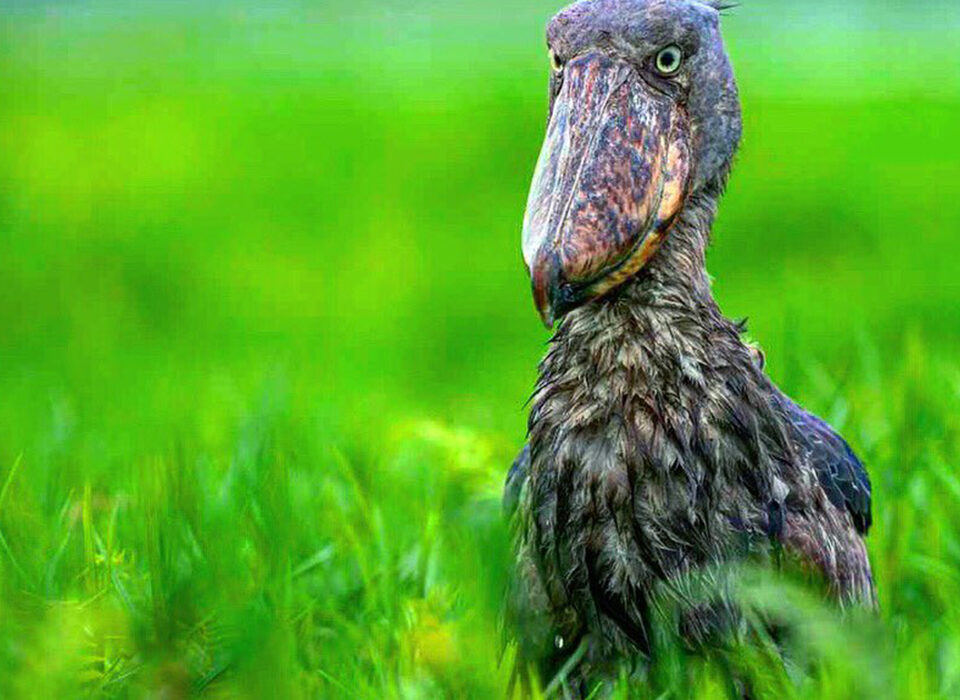
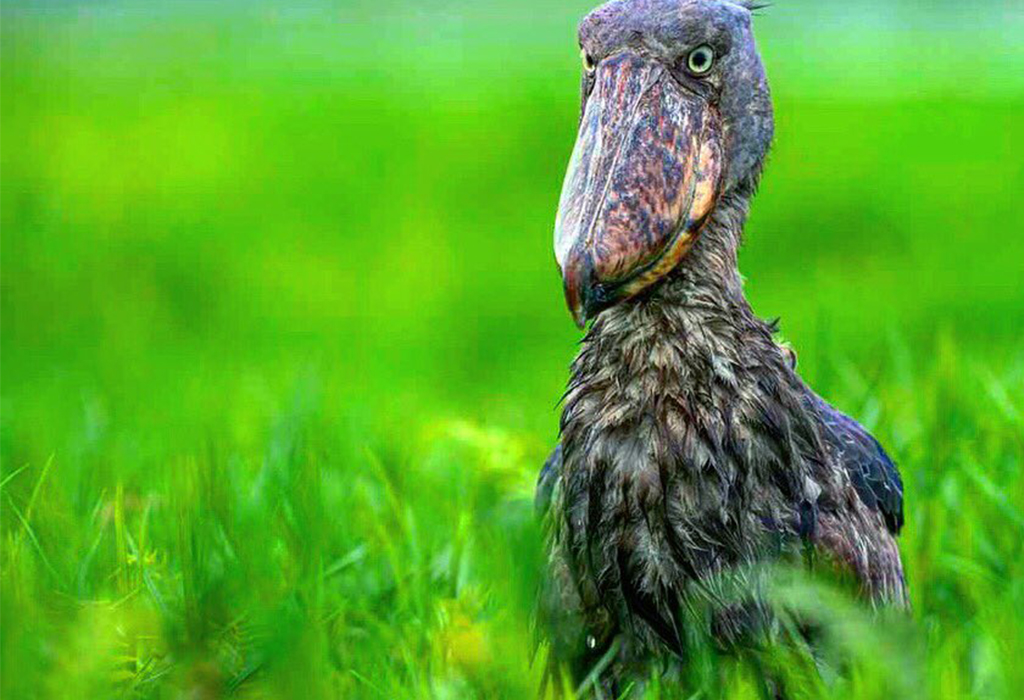
Lake Ihema and surrounding wetlands provide excellent viewing opportunities. Here, you can spot African Fish Eagles, Saddle-billed Storks, Grey-crowned Cranes, African Jacanas, Papyrus Gonolek, and the rare Shoebill in papyrus swamps.
Early morning and late afternoon offer the best birding sessions, as birds are most active during these hours.
Volcanoes National Park
Although famous for gorillas, Volcanoes National Park also rewards birders with about 187 species. The park’s bamboo forests and montane vegetation shelter 16 Albertine Rift endemics.
You may see the Handsome Francolin, Rwenzori Batis, Rwenzori Turaco, Dusky Crimsonwing, and Archer’s Ground Robin. Birding here often combines beautifully with golden monkey tracking or nature walks.
Rugezi Wetland
Rugezi Swamp, a designated Ramsar site in northern Rwanda, is a haven for swamp specialists. Species such as Grauer’s Swamp Warbler, Papyrus Canary, and Papyrus Yellow Warbler thrive here.
A boat cruise on nearby Lake Nyagafunzo allows for peaceful and productive bird watching.
Akanyaru Wetland
Located along the Rwanda–Uganda border, Akanyaru Wetland hosts species like Madagascar Squacco Heron, Papyrus Gonolek, and various migratory raptors. It offers a quieter but rewarding birding experience.
Gishwati–Mukura National Park
This newly established park in western Rwanda supports over 230 bird species. The forested habitat shelters Albertine endemics such as the Rwenzori Turaco, Purple-breasted Sunbird, Stripe-breasted Tit, and Red-throated Alethe.
Lake Kivu
Lake Kivu, one of Africa’s Great Lakes, stretches along Rwanda’s western border. Boat cruises and lakeside walks reveal species such as African Fish Eagle, Pied Kingfisher, Bronze Sunbird, Yellow-fronted Canary, and various swallows and weavers.
In addition, Kigali City and its green spaces, including the golf course and urban wetlands, surprisingly offer excellent birding opportunities.
What to Pack for a Birding Safari in Rwanda
Preparation makes the difference between frustration and fulfillment in birding. Therefore, ensure you carry the right equipment.
Binoculars
A good pair of binoculars is essential. Many birds remain high in forest canopies or hidden within thick vegetation. With quality binoculars, you can observe shy species clearly without disturbing them.
Camera with Zoom Lens
Bird photography requires patience and the right gear. A camera with a strong zoom lens will help you capture detailed images from a distance. Always disable the flash to avoid startling birds.
Field Guide or Birding Book
A Rwanda bird guidebook helps you quickly identify species in the field. These guides provide illustrations, habitat details, and distinguishing features that make identification easier and more enjoyable.
Voice Recorder
Bird calls are often easier to hear than to see. A small recording device allows you to capture unique bird songs for later identification.
Appropriate Clothing
Wear neutral or camouflage-colored clothing that blends with the environment. Bright colors can scare birds away. Additionally, choose lightweight, long-sleeved shirts and long trousers to protect yourself from insects and thorny vegetation.
Comfortable hiking boots are equally important, especially for forest trails.
Insect Repellent
Forests and wetlands contain mosquitoes and other biting insects. Apply insect repellent regularly to stay comfortable throughout the day.
Water and Snacks
Birding can take several hours, sometimes a full day. Carry enough drinking water, energy snacks, and possibly a packed lunch to stay energized.
Birding Etiquette: What Not to Do
Your behavior in the field directly affects your success and the well-being of the birds.
First and foremost, avoid chasing or flushing birds from their hiding spots. A skilled birder waits patiently and allows birds to appear naturally.
Secondly, control your movements and maintain a calm presence. Sudden movements and loud conversations scare birds away.
Never approach nests or nesting colonies too closely. Human interference can cause birds to abandon eggs or chicks.
Additionally, avoid using flash photography, especially during breeding seasons.
Finally, respect the environment. Do not litter, damage vegetation, or disturb habitats. Always follow the instructions provided by your guide or park ranger.
Best Time for a Birding Safari in Rwanda
Although birding is possible year-round, the most rewarding months are December to February. During this period, migratory birds from Europe and northern Africa join resident species, increasing overall diversity.
The weather is also generally favorable, making forest walks and wetland excursions more comfortable.
However, Rwanda’s mild climate allows birding in any season. Therefore, you can plan your safari based on your overall travel schedule.
Final Thoughts
A birding safari in Rwanda offers far more than a checklist of species. It invites you into misty forests, tranquil wetlands, and scenic lakeshores alive with color and sound.
By preparing properly, respecting nature, and choosing the right locations, you will transform your trip into an enriching and unforgettable experience. Rwanda may be known as the land of a thousand hills, but for bird lovers, it is truly a land of endless wings.