Luxury Gorilla Trekking Safaris Available in Rwanda and Uganda?
June 4, 2026
Gahiza Island: The Punishment Island on Lake Mutanda
June 4, 2026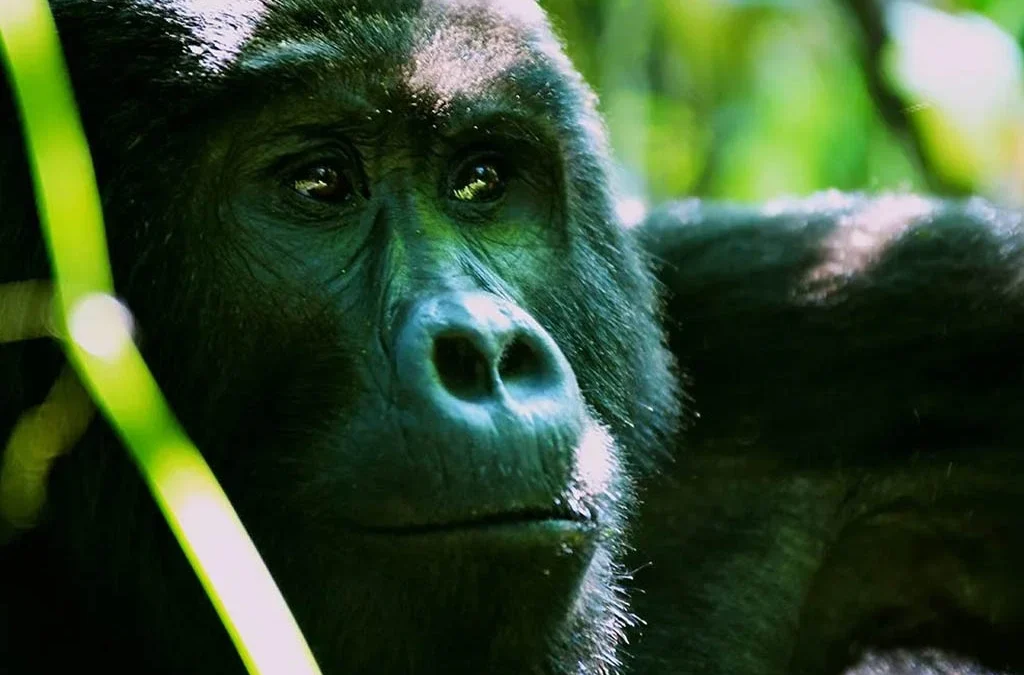
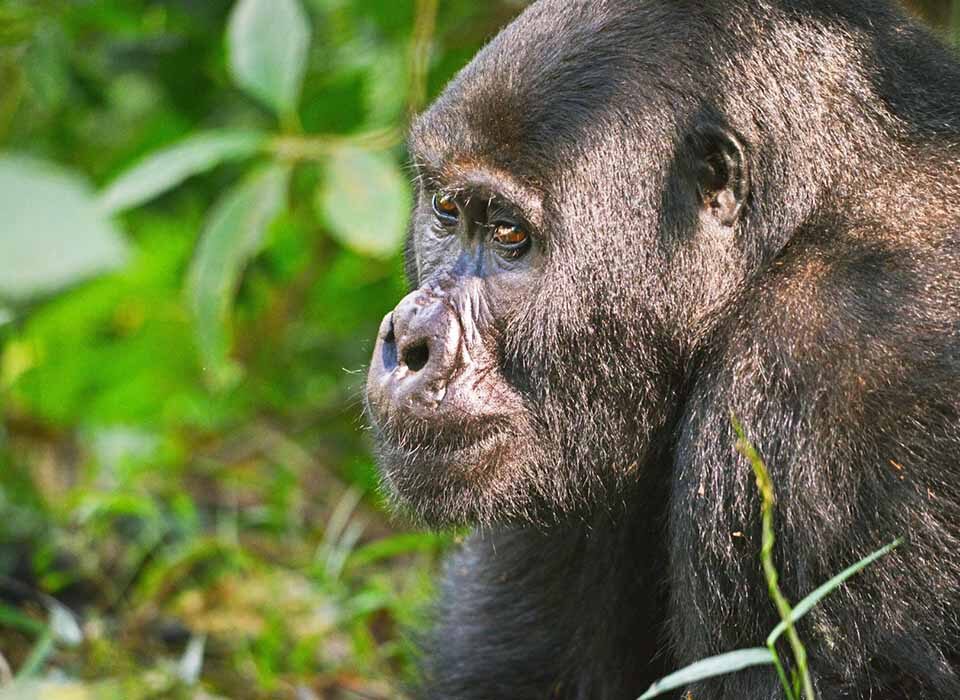
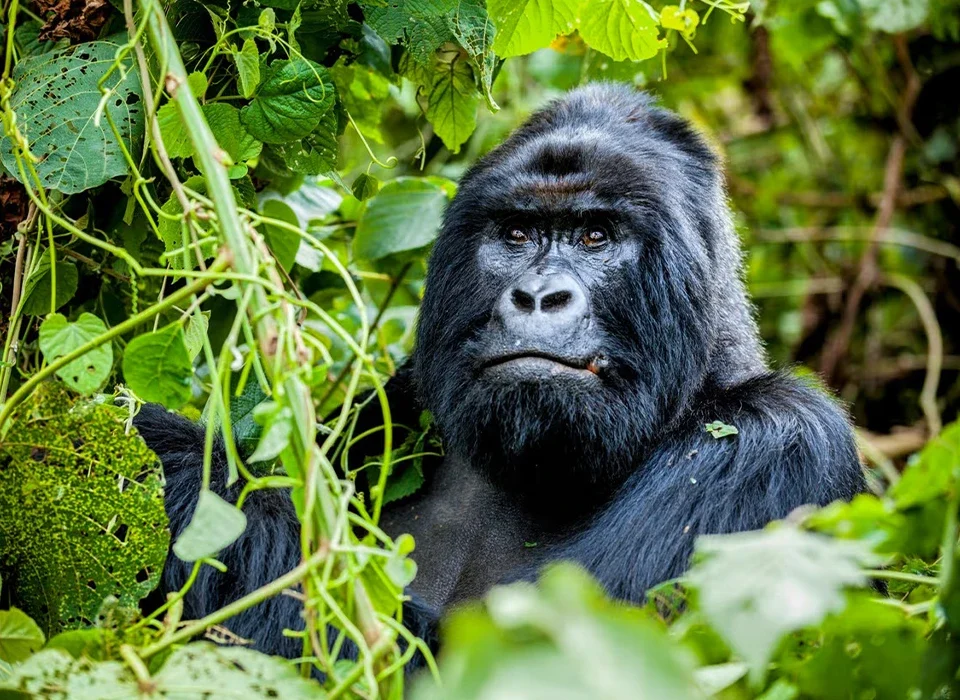
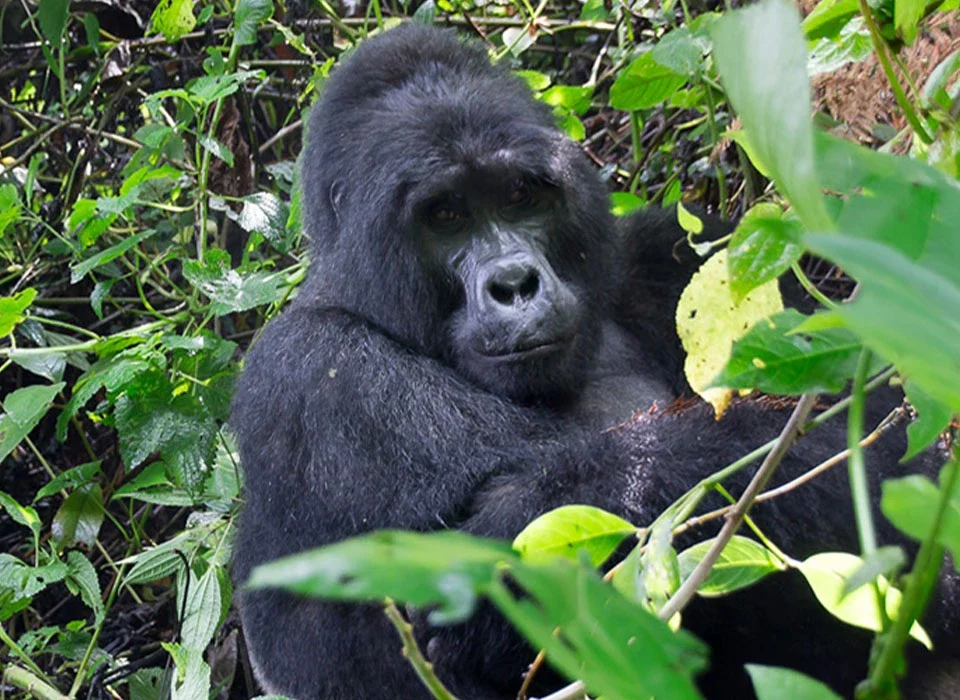
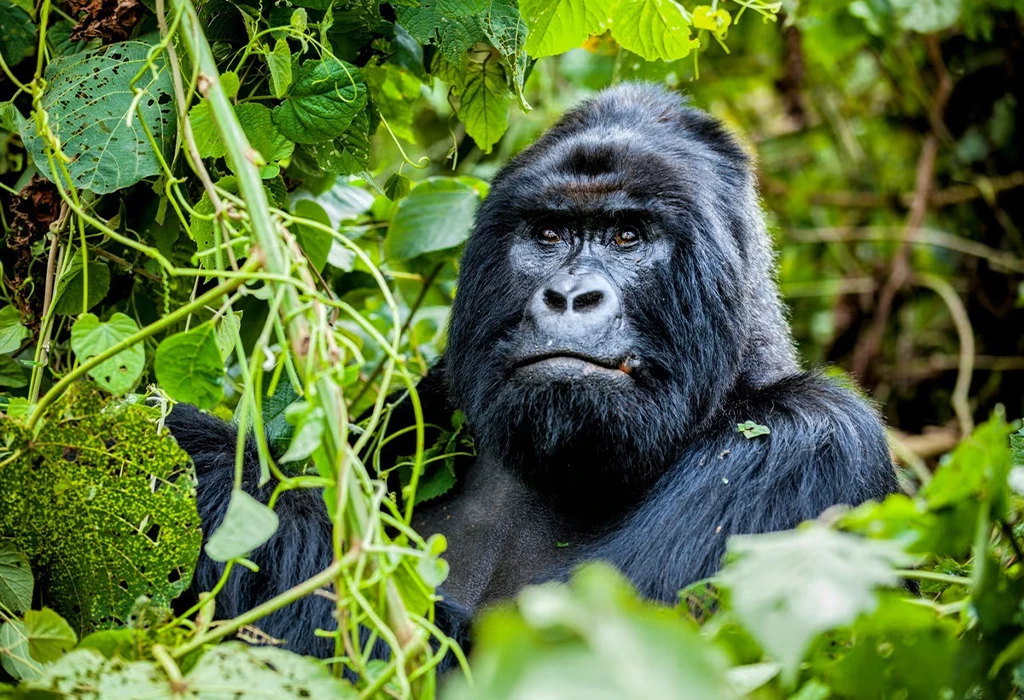
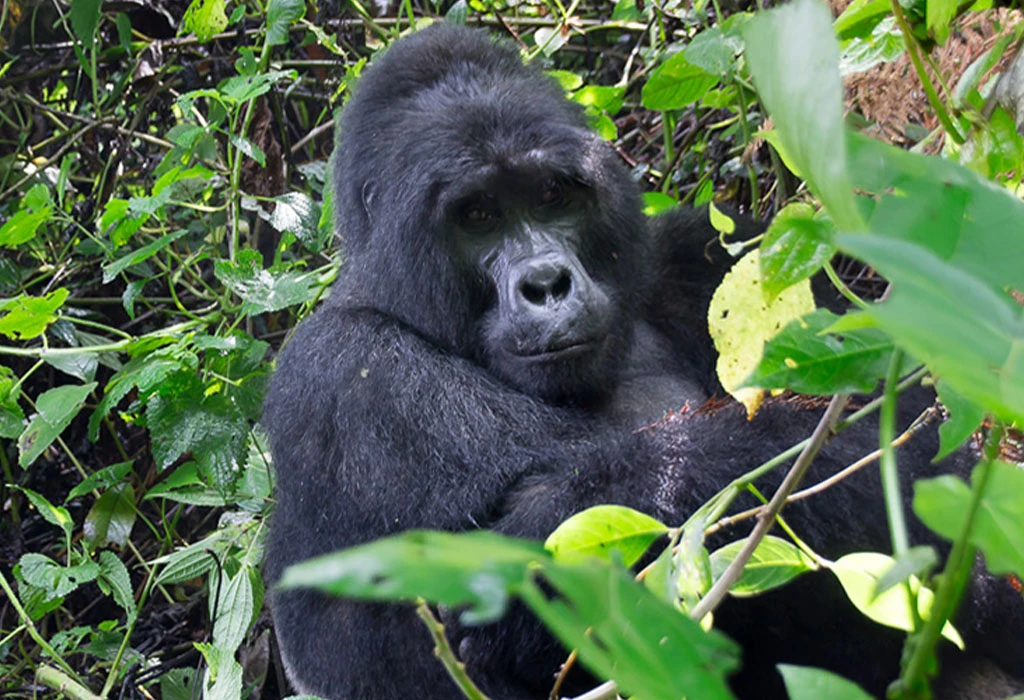
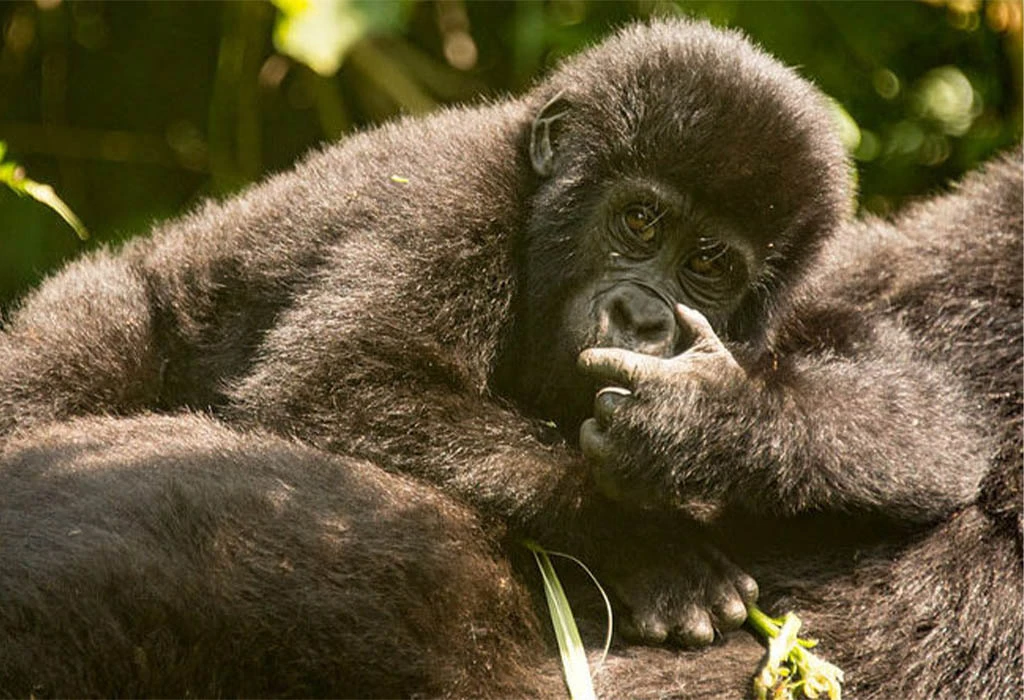
Gorilla trekking is one of the most extraordinary wildlife experiences in the world. Few adventures compare to standing quietly in a tropical forest while observing a family of mountain gorillas in their natural habitat. These gentle giants share approximately 98% of their DNA with humans, making every encounter both emotional and unforgettable.
Mountain gorilla trekking is only possible in a few protected areas within East and Central Africa. Travelers can enjoy this remarkable experience in Uganda, Rwanda, and the Democratic Republic of Congo. In Uganda, the activity takes place in Bwindi Impenetrable National Park and Mgahinga Gorilla National Park, both of which provide safe and regulated opportunities to observe these endangered primates.
At Experiya Tour Company, we always emphasize that a successful gorilla trek depends not only on securing a permit but also on understanding the rules and behaviors that protect both visitors and gorillas. Knowing what to avoid during your trek helps preserve the gorillas’ habitat, safeguards their health, and ensures that future generations can continue to enjoy this unique wildlife encounter.
Understanding the Importance of Gorilla Trekking Regulations
Before entering the forest, park authorities conduct a detailed briefing that introduces visitors to the guidelines governing gorilla trekking. These regulations exist for a good reason. Mountain gorillas remain highly vulnerable to human diseases, environmental disturbances, and stress caused by improper visitor behavior.
By following the established rules, trekkers contribute directly to gorilla conservation efforts while also enhancing their own experience. Respectful behavior allows the gorillas to remain calm and continue their natural activities without unnecessary interruptions.
For this reason, every visitor should take the briefing seriously and adhere to the instructions provided by the ranger guides throughout the trek.
Avoid Ignoring Ranger Guide Instructions
One of the biggest mistakes a visitor can make is disregarding the instructions of the ranger guides. These professionals possess extensive knowledge of gorilla behavior, forest navigation, and visitor safety procedures.
Throughout the trek, guides determine the safest routes, monitor gorilla movements, and advise visitors on how to behave during encounters. Their instructions help prevent dangerous situations and minimize disturbances to the gorillas.
Whenever a guide asks you to remain still, lower your voice, move back, or adjust your position, follow the instruction immediately. Doing so protects both you and the gorillas while ensuring that everyone enjoys a smooth and rewarding experience.
Avoid Trekking if You Are Ill
Many travelers underestimate the risk that human illnesses pose to mountain gorillas. Because gorillas are genetically similar to humans, they can easily contract common human diseases such as influenza, colds, and respiratory infections.
If you feel unwell on the day of your trek, inform the park authorities before entering the forest. Although missing a trek may feel disappointing, protecting the health of endangered gorillas remains far more important.
At Experiya Tour Company, we encourage travelers to monitor their health carefully before arrival and report any symptoms honestly. Responsible tourism plays a vital role in long-term gorilla conservation.
Avoid Getting Too Close to the Gorillas
Maintaining a safe distance from gorillas is one of the most important trekking regulations. Visitors should remain at least seven meters away from the animals whenever possible.
This distance reduces the likelihood of disease transmission while also allowing the gorillas to behave naturally. Although some curious gorillas may occasionally move closer on their own, visitors should never attempt to reduce the distance intentionally.
When gorillas approach unexpectedly, remain calm and allow the ranger guides to manage the situation. Avoid sudden movements or attempts to interact with the animals.
Avoid Touching the Gorillas
Many visitors feel tempted to touch a gorilla, especially when a curious juvenile comes close. However, touching gorillas is strictly prohibited.
Despite their calm appearance, mountain gorillas remain wild animals. Physical contact can cause stress, trigger defensive reactions, or expose the animals to harmful bacteria and viruses.
Even in situations where a gorilla moves near you, resist the urge to reach out. Instead, stay relaxed and allow the encounter to unfold naturally while respecting the animal’s space.
Avoid Making Loud Noises
The forests of Bwindi and Mgahinga offer incredible opportunities to experience nature in its purest form. Loud conversations, shouting, and unnecessary noise disrupt not only the gorillas but also other wildlife species inhabiting the forest.
During the trek, keep your voice low and communicate quietly with fellow trekkers. Once you encounter the gorillas, maintain silence or speak only in whispers when necessary.
A quiet environment allows everyone to appreciate the sounds of the forest while minimizing stress on the gorilla family.
Avoid Using Flash Photography
Capturing photographs of mountain gorillas creates lasting memories, but improper photography can negatively affect the animals.
Flash photography can startle gorillas and potentially provoke defensive behavior. Therefore, visitors must switch off camera flashes before approaching the gorillas.
Modern cameras and smartphones generally perform well in natural light. Before your trek begins, check your camera settings to ensure the flash function remains disabled throughout the encounter.
Avoid Leaving Your Group
Once you locate a gorilla family, remain with your designated group at all times. Straying away from fellow trekkers can create safety concerns and make it difficult for guides to manage visitor movements around the gorillas.
Group coordination helps maintain order and ensures that everyone enjoys adequate viewing opportunities. Furthermore, staying together reduces the risk of accidental disturbances within the gorillas’ territory.
Always move as directed by your guides and avoid wandering off independently to seek a better viewing angle.
Avoid Eating or Drinking Near the Gorillas
While trekking can be physically demanding, visitors should avoid eating or drinking in the immediate presence of gorillas.
Food remnants, wrappers, and even small crumbs can attract wildlife or introduce foreign substances into the gorillas’ environment. Additionally, eating near gorillas increases the possibility of transmitting diseases through saliva or respiratory droplets.
If you need refreshments during the trek, your guide will identify suitable locations away from the gorillas where you can safely take a break.
Avoid Littering in the Forest
Protected areas such as Bwindi and Mgahinga depend on responsible visitor behavior to maintain their ecological integrity.
Discarding food packaging, plastic bottles, tissues, or any other waste inside the forest threatens wildlife and degrades the natural environment. Animals may accidentally consume litter, resulting in serious health problems.
Always carry a small bag for personal waste and ensure that everything you bring into the forest leaves with you. Responsible waste management supports conservation efforts and preserves the beauty of these remarkable ecosystems.
Avoid Exceeding the Allowed Viewing Time
Gorilla trekking permits grant visitors a maximum of one hour with a habituated gorilla family after locating them. This regulation exists to minimize prolonged human impact on the gorillas’ daily routines.
Some travelers become so captivated by the experience that they wish to stay longer. However, exceeding the permitted viewing time is not allowed.
The only exception is the Gorilla Habituation Experience available in Uganda’s Bwindi Impenetrable National Park, where participants may spend up to four hours with a semi-habituated gorilla group under special permits.
Respecting the designated time limit helps protect the welfare of the gorillas and ensures sustainable tourism practices.
Avoid Wearing Inappropriate Clothing
Many first-time trekkers focus on obtaining permits but overlook the importance of proper clothing. The dense forests of Uganda often feature muddy trails, thick vegetation, insects, and unpredictable weather conditions.
Avoid wearing shorts, sleeveless shirts, or open footwear. Instead, choose long-sleeved shirts, long trousers, sturdy hiking boots, and thick socks. These items protect against scratches, insect bites, and thorny vegetation.
Waterproof jackets and gardening gloves can also improve comfort during challenging treks through dense undergrowth.
Avoid Arriving on the Wrong Trekking Date
Gorilla permits are issued for specific dates and cannot be used interchangeably. Arriving on the wrong day may result in losing your trekking opportunity entirely.
Because gorilla permits are highly sought after and often sell out months in advance, visitors should carefully verify all travel arrangements before departure.
At Experiya Tour Company, we help guests coordinate permits, accommodation, and transportation to ensure a smooth and stress-free trekking experience.
Avoid Waiting Until the Last Minute to Book Permits
Another common mistake involves delaying permit reservations. Gorilla trekking permits remain limited in number to protect the gorillas from excessive human interaction.
As a result, permits often sell out quickly, especially during peak travel seasons. Booking well in advance significantly increases your chances of securing your preferred trekking dates and locations.
Early planning also provides more flexibility when selecting accommodations and transportation options.
Final Thoughts
Gorilla trekking offers far more than a wildlife excursion. It provides an opportunity to connect with one of the world’s most endangered and fascinating species while contributing directly to conservation efforts. However, the success of every trek depends on responsible visitor behavior.
By avoiding actions such as touching gorillas, making excessive noise, littering, ignoring guide instructions, using flash photography, or trekking while sick, visitors help protect these magnificent animals and their fragile habitat. Furthermore, proper preparation, timely permit booking, and suitable trekking gear greatly enhance the overall experience.
At Experiya Tour Company, we believe that responsible tourism creates meaningful encounters that benefit both travelers and wildlife. By following gorilla trekking regulations and respecting the natural environment, you can enjoy an unforgettable adventure while helping safeguard mountain gorillas for generations to come.