
Maramagambo Forest Bat Caves
September 18, 2026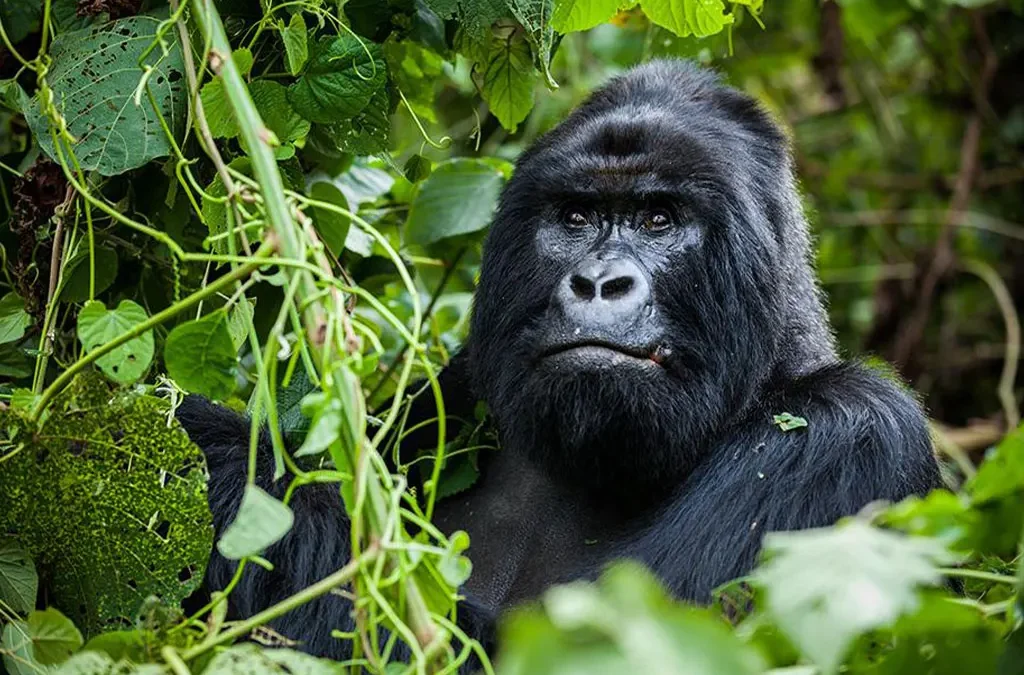
Gorillas are among the most fascinating animals in the world. Their impressive size, remarkable intelligence, strong family bonds, and close genetic relationship with humans have made them a major focus of wildlife research and conservation.
For travelers visiting Uganda, Rwanda, or the Democratic Republic of Congo, seeing gorillas in their natural habitat can be a deeply memorable experience. However, understanding these remarkable primates before a trek makes the encounter even more meaningful.
From their social lives to their role in forest ecosystems, here are five fascinating facts about gorillas.
1. Gorillas Share Much of Their DNA With Humans
One of the most interesting facts about gorillas is their close genetic relationship with humans. Scientists estimate that gorillas share around 98% of their DNA with humans, although the exact percentage depends on how genetic similarity is measured.
This close relationship helps explain some of the similarities in behavior between gorillas and people. Gorillas form strong social bonds, care for their young, communicate through different sounds and body movements, and can display a wide range of behaviors.
Gorillas also communicate through vocalizations, gestures, facial expressions, body posture, and chest beating. Researchers have documented sophisticated social interactions within gorilla groups, demonstrating that these animals are far more complex than their enormous size might suggest.
Their genetic similarity to humans also has important conservation implications. Gorillas can be vulnerable to some diseases that affect people, particularly respiratory illnesses. Consequently, visitors taking part in gorilla trekking must follow health and hygiene guidelines designed to reduce the possibility of transmitting infections to these endangered primates.
This is one reason responsible gorilla tourism plays such an important role in protecting habituated gorilla families.
2. There Are Two Gorilla Species
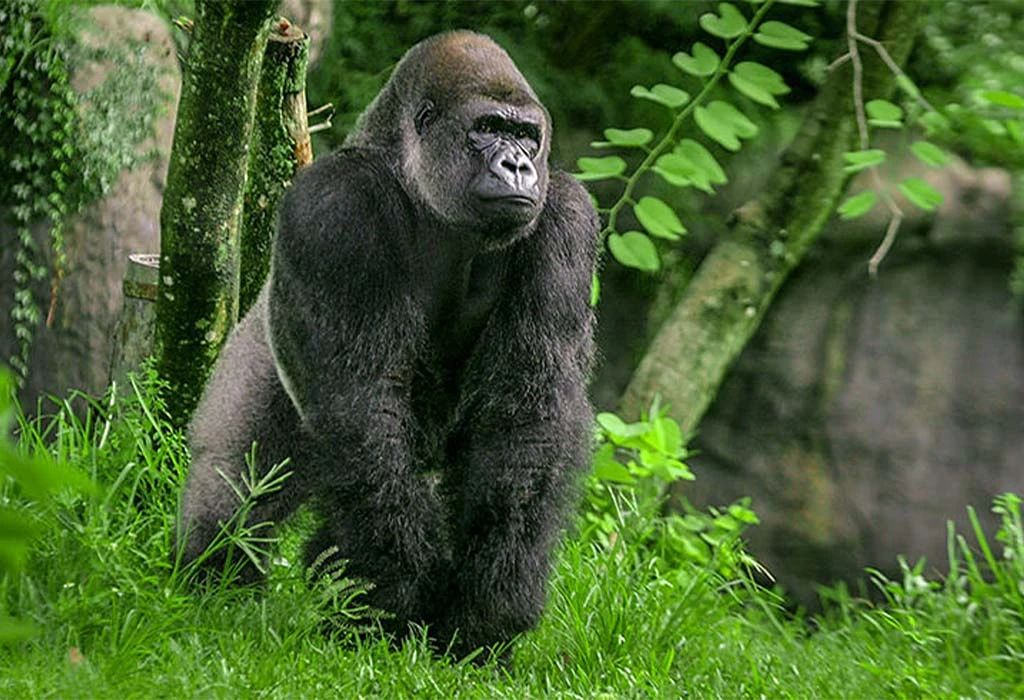
Another fascinating fact is that gorillas are divided into two recognized species: the eastern gorilla and the western gorilla. Each species has two subspecies.
The eastern gorilla includes the mountain gorilla and Grauer’s gorilla, also known as the eastern lowland gorilla. Mountain gorillas live in the forests of the Virunga Mountains, which extend across Uganda, Rwanda, and the Democratic Republic of Congo. Grauer’s gorillas are found primarily in the forests of eastern Democratic Republic of Congo.
The western gorilla includes the western lowland gorilla and the Cross River gorilla. Western lowland gorillas occupy forests across parts of Central Africa, while the critically endangered Cross River gorilla has a much smaller range along the Nigeria-Cameroon border.
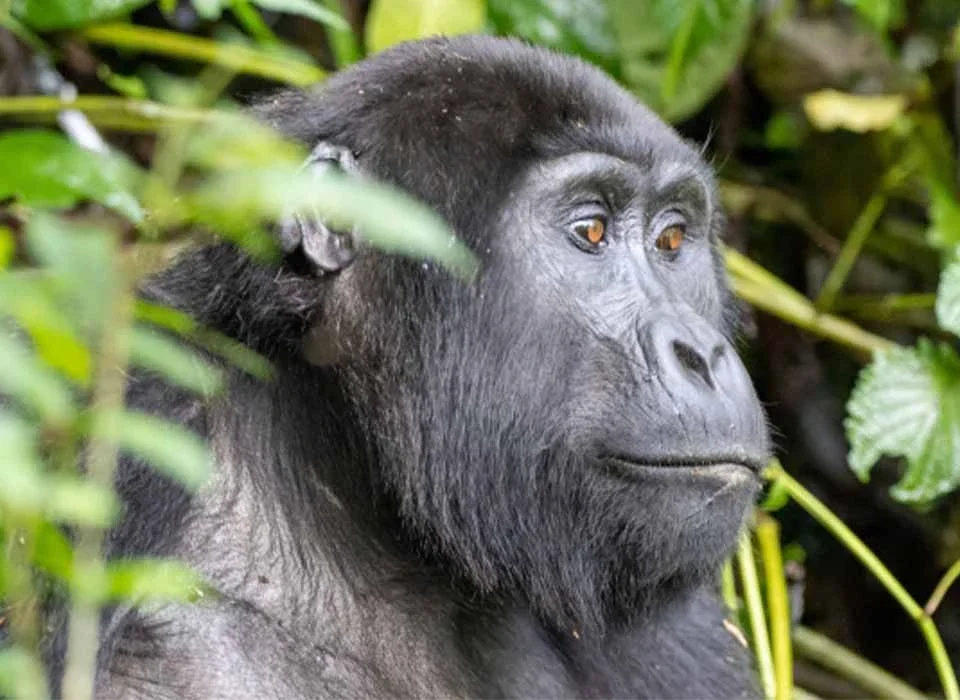
These gorillas differ in size, appearance, habitat, and population distribution. For example, mountain gorillas have thick, dark fur that helps them survive in their cool high-altitude environment.
Mountain gorillas have also become an important conservation success story. Their population has increased significantly over recent decades following sustained conservation efforts, although they remain endangered and continue to require strong protection.
For travelers visiting Uganda, mountain gorillas can be encountered in Bwindi Impenetrable National Park and Mgahinga Gorilla National Park. Rwanda’s Volcanoes National Park and the Virunga National Park in the Democratic Republic of Congo also protect mountain gorilla populations.
3. Gorillas Live in Close-Knit Family Groups
Gorillas are highly social animals. Rather than living alone, they generally live in stable groups known as troops or groups, depending on the terminology used by researchers.
A typical mountain gorilla group may contain a dominant silverback, several adult females, younger males, juveniles, and infants. The silverback usually provides leadership and protection while helping maintain order within the group.
The name “silverback” comes from the distinctive silver-colored hair that develops across the back of mature males.
Life within a gorilla group revolves around strong social relationships. Members spend time feeding, resting, moving through the forest, grooming, playing, and caring for young gorillas.
The silverback also plays an important role in deciding when and where the group moves. When the group encounters a potential threat, he may position himself between the rest of the group and the perceived danger.
Gorillas also use different forms of communication. Chest beating is perhaps their most recognizable behavior, but it does not necessarily mean that a gorilla is about to attack. A silverback may beat his chest to attract attention, demonstrate his strength, communicate his location, or respond to another gorilla.
Young gorillas, meanwhile, spend considerable time playing with one another. These interactions help them develop physical skills and learn the social behaviors they will need as adults.
4. Gorillas Are Powerful but Usually Peaceful
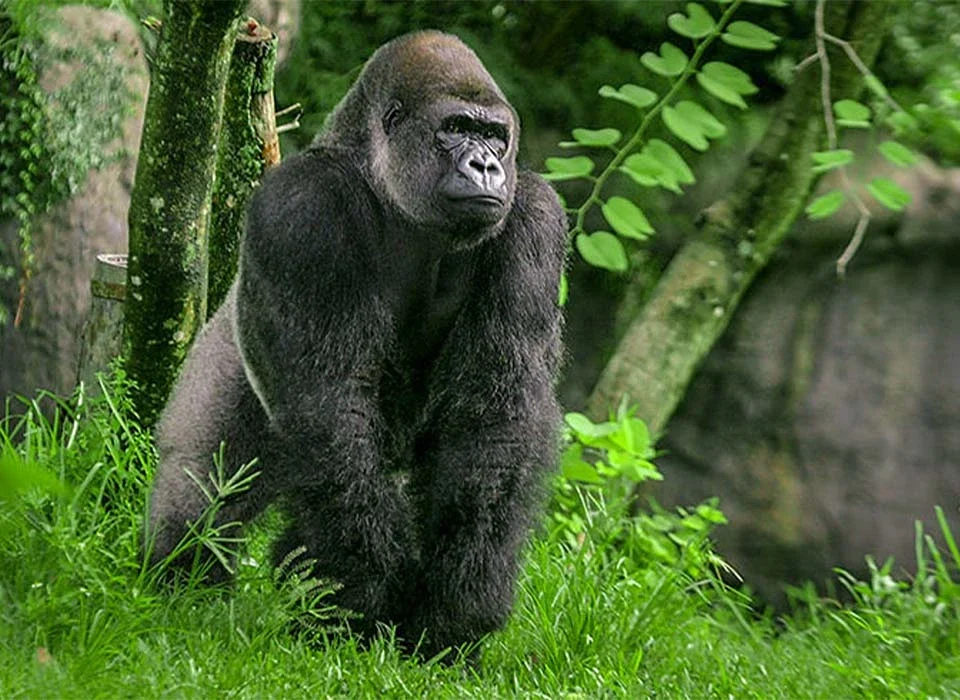
Gorillas are the largest living primates, and adult males possess remarkable physical strength. Their size and muscular build can appear intimidating, especially when a silverback stands upright or beats his chest.
Despite their appearance, however, gorillas are generally peaceful animals when left undisturbed.
Gorillas spend much of their day feeding, moving through their habitat, resting, and interacting with members of their group. Their diet consists mainly of vegetation, although the exact diet varies between species and habitats. Mountain gorillas, for example, consume large quantities of leaves, stems, shoots, bark, and other plant material.
Gorillas can become defensive when they perceive a serious threat. Instead of immediately attacking, a silverback may use displays designed to warn the threat away. He may stand upright, beat his chest, vocalize loudly, slap the ground, or make a short charge.
These displays often serve as warnings rather than attempts to cause physical harm.
This behavior is particularly important for tourists taking part in gorilla trekking. Visitors are required to maintain the recommended distance, follow their guides’ instructions, avoid sudden movements, and remain calm around the animals.
Following these guidelines allows travelers to observe gorillas while minimizing disturbance to their natural behavior.
5. Gorillas Help Maintain Healthy Forests
Gorillas play an important role in the ecosystems where they live. Their feeding and movement through the forest can influence vegetation and contribute to the dispersal of seeds.
When gorillas eat fruits, they may carry seeds to different areas of the forest. Seeds can later pass through their digestive systems and be deposited elsewhere, helping some plants reproduce and spread.
Their feeding habits also influence vegetation. By consuming leaves, shoots, stems, and other plant material, gorillas interact with the forest environment in ways that contribute to its ecological balance.
Therefore, protecting gorillas means protecting much more than one species. Their habitats also support birds, elephants, chimpanzees, monkeys, reptiles, insects, trees, and countless other organisms.
Unfortunately, gorillas continue to face serious conservation challenges. Habitat destruction, illegal hunting, human-wildlife conflict, disease transmission, and other pressures can threaten their survival.
Fortunately, conservation programs, protected areas, scientific research, community involvement, and responsible tourism have contributed to important progress.
Why Gorilla Conservation Matters
Gorillas are an important part of Africa’s natural heritage. Their survival depends on healthy forests, effective conservation programs, and cooperation between governments, conservation organizations, local communities, researchers, and responsible travelers.
Gorilla tourism can contribute to this effort by generating revenue that supports conservation and creates employment for communities living around protected areas. At the same time, visitors gain a greater understanding of why these forests and their wildlife deserve protection.
For travelers planning a gorilla trekking experience in Uganda, Rwanda, or the Democratic Republic of Congo, learning about gorilla behavior before the trek can make the experience even more rewarding.
Experience the World of Gorillas With Experiya Tour Company
Gorillas are much more than powerful primates. They are intelligent, social animals with strong family relationships and an important role in the forests they call home.
Their genetic connection to humans, complex social behavior, peaceful nature, and ecological importance make them truly remarkable animals.
If you are planning to see mountain gorillas in Uganda, Experiya Tour Company can help you organize a responsible gorilla trekking experience while exploring the remarkable landscapes and communities surrounding the gorilla habitats.
The more we understand gorillas, the better we can appreciate why protecting them matters for future generations.