The Top Things to See on the Bigodi Wetland Walk
May 26, 2026
Tourism Activities Around Ssezibwa Waterfalls
May 26, 2026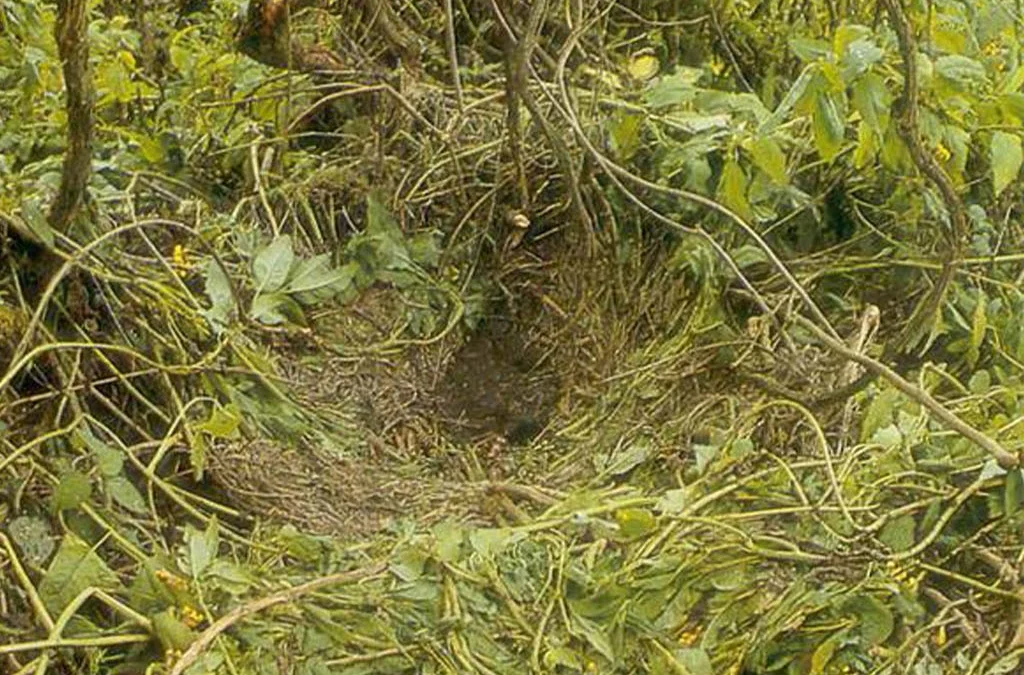
Every evening, deep within the misty rainforests of East and Central Africa, gorillas begin one of the most fascinating parts of their daily routine — building nests for the night. This behavior may seem simple at first glance, yet it reveals remarkable intelligence, social organization, and survival instincts. For travelers on a gorilla trekking safari, discovering freshly built gorilla nests along forest trails often becomes one of the most memorable parts of the experience.
Gorillas do not sleep randomly on the forest floor. Instead, they carefully select safe sleeping locations, gather vegetation, and construct comfortable nests using branches, leaves, vines, and stems from the surrounding environment. These nests provide warmth, security, and protection after long days spent feeding and moving through dense forests.
Understanding how gorillas build nests each night offers valuable insight into their daily lives and social behavior. It also helps researchers and conservation teams monitor gorilla families in protected areas such as Bwindi Impenetrable National Park, Mgahinga Gorilla National Park, Volcanoes National Park, and Virunga National Park.
At Experiya Tour Company, we believe that learning about gorilla behavior enriches every trekking adventure. Beyond the excitement of seeing mountain gorillas face-to-face, understanding their habits creates a deeper appreciation for these endangered primates and the forests they call home.
Why Gorillas Build New Nests Every Night
Unlike many animals that repeatedly return to the same sleeping area, gorillas usually build a fresh nest every evening. This routine plays an important role in their survival and overall well-being.
First, fresh nests help gorillas stay comfortable and warm during the night. Mountain gorillas, especially those living in high-altitude forests in Uganda and Rwanda, experience cold nighttime temperatures. Their nests provide insulation against damp ground and chilly mountain air.
In addition, building new nests every night improves hygiene. Reusing the same sleeping area could lead to the buildup of parasites, bacteria, and insects. By constructing fresh nests daily, gorillas reduce exposure to harmful organisms and maintain cleaner resting spaces.
Nests also provide safety and stability. Gorillas spend most of the day searching for food, often traveling long distances through thick vegetation and steep terrain. After expending so much energy, they need secure and comfortable sleeping platforms where they can recover before the next day begins.
How Gorillas Build Their Nests
The process of gorilla nest building is surprisingly fast and organized. Researchers have observed gorillas completing nests in only a few minutes, although the exact method depends on weather conditions, habitat type, and the age of the gorilla.
The process begins when gorillas select a suitable sleeping site. They look for stable ground, nearby vegetation, and areas that offer protection from weather and potential threats. Once they choose a location, they start gathering leaves, branches, vines, and stems from the surrounding forest.
Mountain gorillas usually build nests on the ground because of their large body size. Adult silverbacks, which can weigh over 180 kilograms, rarely sleep in trees since their weight makes climbing difficult. Younger gorillas, however, often prefer tree nests because they are lighter and more agile.
After gathering materials, gorillas bend branches inward and layer soft vegetation to create circular sleeping platforms. The finished nests appear simple, yet they are remarkably sturdy and comfortable. Some nests even include carefully woven vegetation that creates cushioned bedding surfaces.
Each gorilla typically builds its own nest, although infants sleep closely beside their mothers throughout the night. Silverbacks often position their nests strategically near the group to provide protection and monitor the surrounding environment.
Ground Nests and Tree Nests
One of the most interesting aspects of gorilla nesting behavior is the difference between ground nests and tree nests.
Mountain gorillas primarily construct ground nests because of their size and the nature of their habitat. Dense undergrowth in montane forests provides natural insulation and protection, making ground nesting practical and efficient. These nests usually consist of bent stems, leaves, and thick vegetation gathered from the surrounding area.
On the other hand, younger gorillas and many western lowland gorillas often sleep in trees. Tree nests help protect them from insects and wet ground conditions, especially in swampy lowland forests. Since lowland gorillas are generally smaller and lighter than mountain gorillas, climbing and nesting in trees becomes easier for them.
During gorilla trekking safaris, visitors sometimes encounter abandoned tree nests hidden among branches or flattened vegetation on the forest floor. These signs provide clues about recent gorilla activity in the area.
Family Roles During Nest Building
Gorilla families maintain strong social bonds even during nighttime preparation. Every member of the troop plays a role based on age and social position within the group.
Mothers carefully prepare sleeping spaces for their infants and young juveniles. Young gorillas stay physically close to their mothers throughout the night for warmth, safety, and nursing. This close contact strengthens family bonds and protects vulnerable infants from danger.
Meanwhile, juveniles learn nesting skills by observing older gorillas. Young gorillas often practice building smaller or less organized nests as part of their development. Over time, they improve their techniques through experience and observation.
The dominant silverback usually determines where the family will spend the night. He positions himself near vulnerable members of the troop and remains alert to potential threats. This protective behavior highlights the intelligence and emotional complexity of gorilla societies.
How Researchers Use Gorilla Nests
Fresh gorilla nests provide valuable information for researchers and conservation teams. Since gorillas build new nests almost every night, scientists use nesting sites to estimate population sizes and track gorilla movements through remote forests.
Researchers carefully study nest size, vegetation used, sleeping patterns, and the number of nests found together. These observations help conservationists understand habitat use, family behavior, and migration patterns.
In areas where direct gorilla observation remains difficult, nest surveys become especially important. Trackers guiding gorilla trekking tours in Uganda and Rwanda often locate habituated gorilla families by identifying fresh nests early in the morning.
This information plays a vital role in gorilla conservation and long-term monitoring programs.
Weather Influences Gorilla Nesting
Weather conditions strongly influence how gorillas build their nests. During rainy seasons, gorillas often create thicker nests using additional vegetation for insulation and protection from moisture. In colder high-altitude forests, they build more compact nests to conserve body heat.
During dry periods, gorillas may choose lighter construction materials and more open sleeping areas. They also avoid unstable terrain and flood-prone areas during heavy rainfall.
These adjustments demonstrate how gorillas intelligently respond to changing environmental conditions within their habitats.
Gorilla Intelligence and Nest Construction
Nest building highlights the remarkable intelligence of gorillas. Constructing a comfortable sleeping platform requires environmental awareness, material selection, and problem-solving skills.
Young gorillas gradually improve their nesting abilities by learning from adults, much like human children learning practical tasks through observation. Scientists studying primates often compare gorilla nesting behavior to early human shelter-building techniques.
Some gorilla nests display surprisingly advanced construction. Carefully woven branches and layered vegetation create stable, cushioned sleeping areas that protect gorillas from rough terrain and cold temperatures.
These behaviors continue to demonstrate how closely gorillas are related to humans both genetically and cognitively.
What Tourists May See During Gorilla Trekking
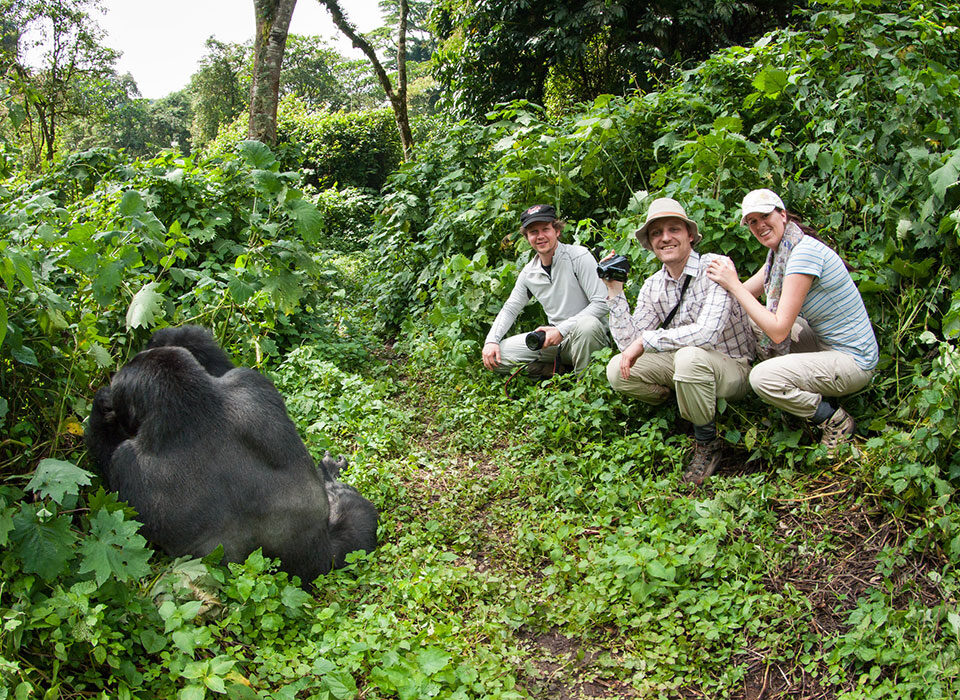
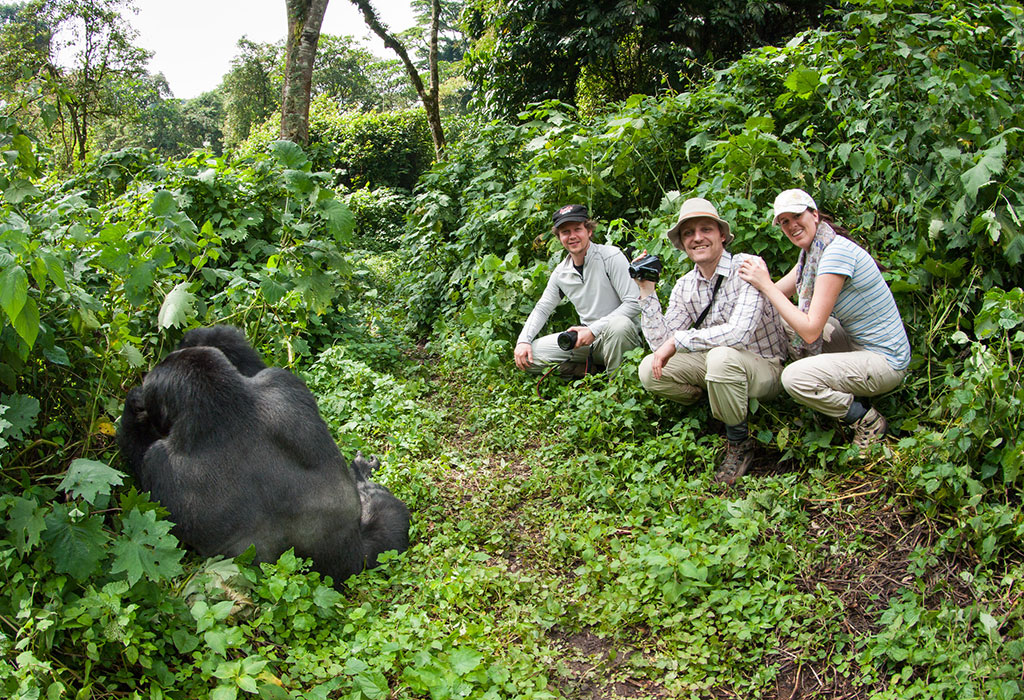
During a gorilla trekking safari, visitors may encounter freshly abandoned nests, flattened vegetation used for sleeping, or clusters of family nesting sites hidden within the forest. Experienced guides often explain how to identify recent nesting activity and interpret gorilla movement patterns.
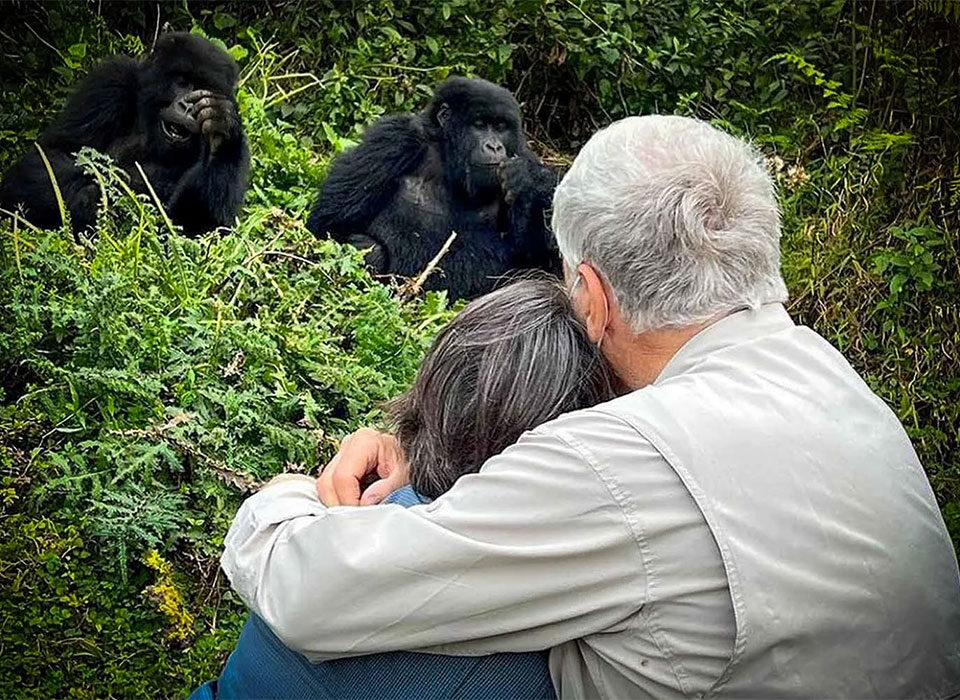
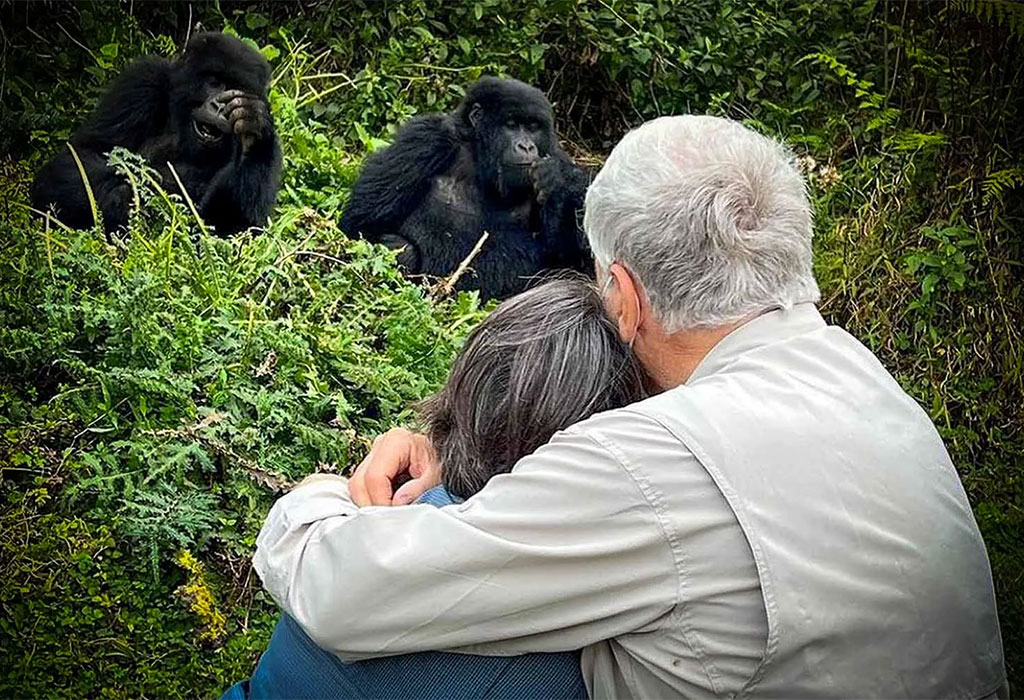
Seeing gorilla nests adds another layer of appreciation to the trekking experience. Instead of simply observing gorillas, visitors begin to understand their daily routines, survival strategies, and social interactions.
These small details often leave a lasting impression on travelers exploring the forests of Uganda, Rwanda, and Congo.
Gorilla Trekking and Conservation
Learning about gorilla nesting behavior also strengthens appreciation for conservation efforts across East Africa. Revenue generated from gorilla trekking permits directly supports national parks, ranger salaries, veterinary programs, research projects, and community conservation initiatives.
At Experiya Tour Company, we promote responsible tourism that helps protect endangered mountain gorillas and their fragile forest habitats. Every gorilla trekking experience contributes to preserving one of the world’s rarest wildlife species for future generations.
A Once-in-a-Lifetime Wildlife Experience
Gorilla trekking offers far more than wildlife viewing. It allows travelers to witness intelligence, communication, emotion, and social behavior in one of humanity’s closest relatives.
Watching gorillas interact within family groups, observing fresh nests in the forest, and learning about their daily lives creates unforgettable memories. Many travelers leave with a deeper respect for wildlife and a stronger understanding of the importance of conservation.
The process of how gorillas build nests each night may appear simple, yet it reveals extraordinary adaptability and intelligence. From powerful silverbacks constructing ground nests to playful juveniles building tree nests, every detail reflects the complexity of gorilla life in the wild.
At Experiya Tour Company, we create expertly guided gorilla trekking experiences in Uganda, Rwanda, and Congo. Whether you seek a short trekking adventure or a complete East African safari, our team ensures a seamless and unforgettable journey into the heart of Africa’s rainforests.