Hiking Mount Karisimbi in Rwanda
September 18, 2026
What Are 5 Facts About Gorillas?
September 19, 2026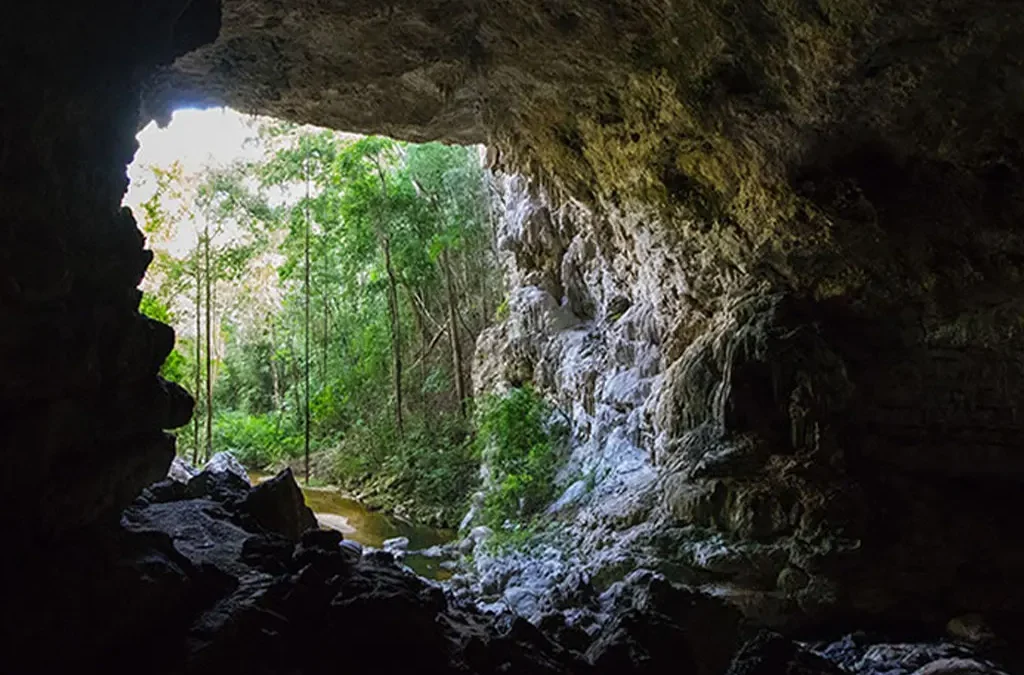
Maramagambo Forest is one of the fascinating natural attractions within Queen Elizabeth National Park in western Uganda. Located in the southern part of the park, this extensive tropical rainforest offers visitors an opportunity to explore shaded forest trails, crater lakes, caves, birds, primates, and other wildlife.
For travelers planning a Uganda safari with Experiya Tour Company, a visit to Maramagambo Forest provides a different experience from the open savannah game drives commonly associated with Queen Elizabeth National Park. Instead of exploring grasslands, visitors follow quiet forest trails beneath a thick canopy while discovering the remarkable biodiversity of the area.
Exploring Maramagambo Forest
Maramagambo is a large rainforest bordered by two scenic crater lakes, Kyadanduka and Nyamasingiri. The forest contains a network of walking trails that lead through dense vegetation and offer beautiful views of the surrounding landscape.
Although the forest receives fewer visitors than some of Uganda’s better-known attractions, its natural beauty makes it an interesting place for travelers who enjoy nature and outdoor exploration. The shaded trails also provide a refreshing environment, particularly when compared with the warmer conditions experienced on open savannah.
As you walk through the forest, you may encounter several primate species. These include chimpanzees, black-and-white colobus monkeys, L’Hoest’s monkeys, red-tailed monkeys, blue monkeys, vervet monkeys, and baboons. Smaller mammals such as bushbucks, pygmy antelopes, pottos, and bushbabies also occur in the forest.
The Famous Maramagambo Bat Cave
One of the main attractions in Maramagambo Forest is the bat cave. The cave is home to large numbers of bats and has also become known for the presence of rock pythons, which prey on the bats.
The sight of snakes and bats sharing the same cave creates one of the forest’s most unusual wildlife encounters. Visitors can observe the cave from a designated viewing area rather than entering the deepest sections.
The cave also has an important history. In the past, concerns about exposure to the Marburg virus led to restrictions around the site after a reported case involving a foreign visitor. A viewing platform was subsequently established to allow people to observe the cave while maintaining greater safety.
Because conditions and access arrangements can change, travelers should follow the guidance of Uganda Wildlife Authority staff and local guides when visiting the cave.
Nature Walks in Maramagambo Forest
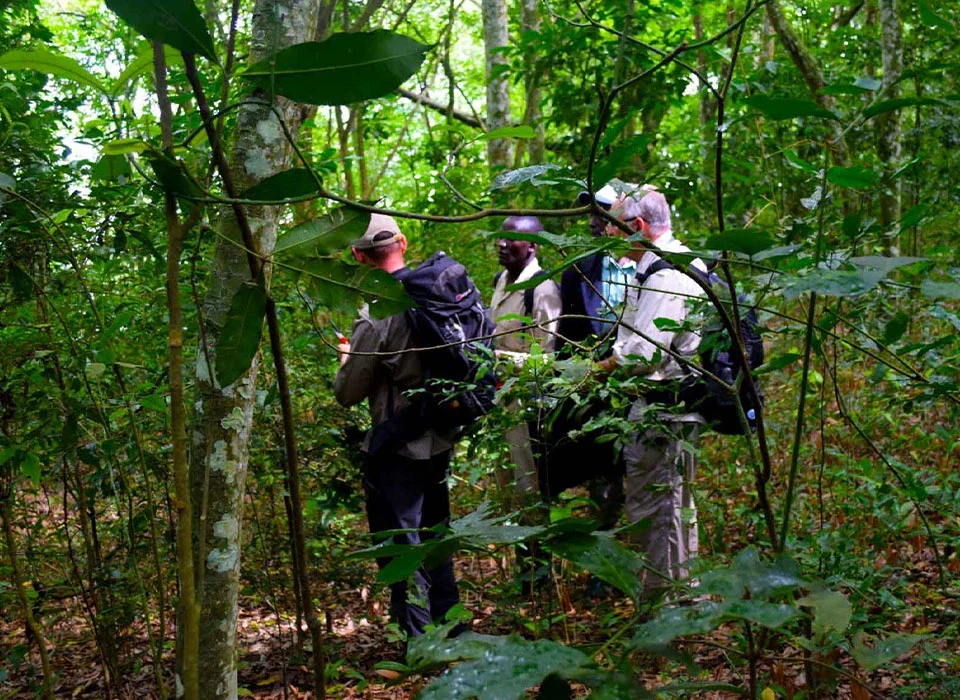
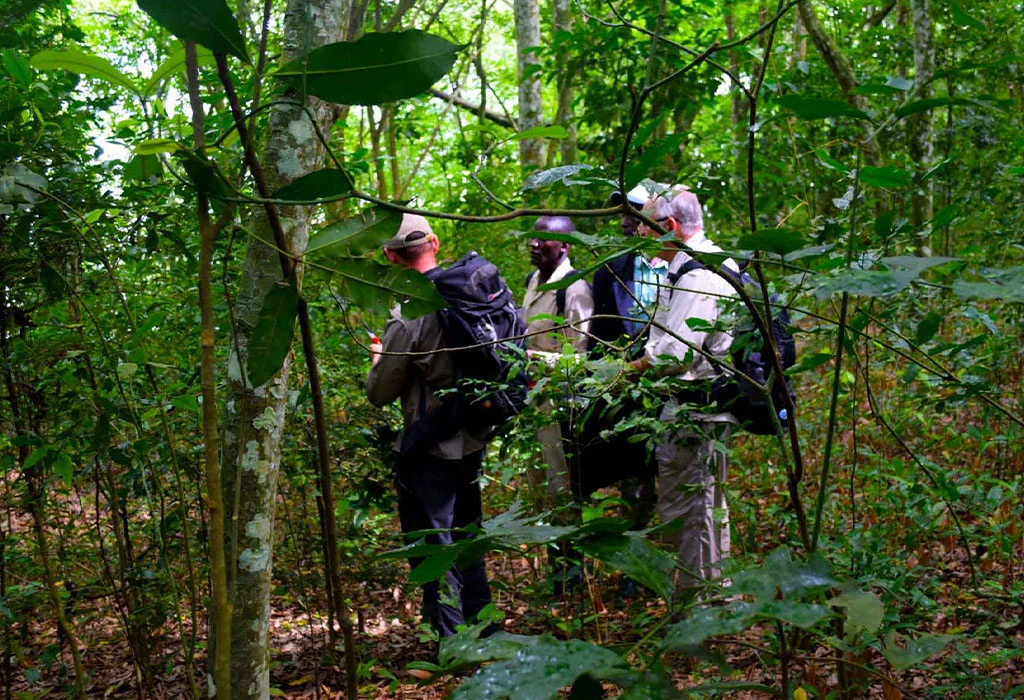
Nature walks are among the best ways to experience Maramagambo Forest. Depending on the selected trail and pace, a walk can last about one and a half hours or extend to half a day.
The trails pass beneath tall trees and through thick vegetation, creating opportunities to observe birds, primates, butterflies, and other forest life. In addition, some trails provide views toward the surrounding crater lakes.
Walking through the forest also gives visitors time to appreciate details that are easy to miss during a vehicle safari. The sounds of birds, movement of monkeys through the trees, and changing vegetation all contribute to the character of the experience.
Bird Watching in Maramagambo Forest
Maramagambo is also a rewarding destination for bird lovers. The forest’s varied vegetation provides habitat for numerous forest and woodland species.
During a nature walk, visitors may encounter species such as the African green pigeon, black-headed batis, sulphur-breasted bushshrike, red-tailed bristlebill, bat hawk, fawn-breasted waxbill, and other forest birds.
Bird enthusiasts may also look out for less commonly encountered species, including the Rwenzori turaco, forest flycatcher, and white-naped pigeon. However, sightings depend on the season, weather, and the location of the birds within the forest.
For a better birding experience, carrying binoculars and walking with an experienced guide can make it easier to identify species by both sight and sound.
Cultural History of Maramagambo
Beyond its wildlife and scenery, Maramagambo has an interesting cultural history. Local traditions associate the name “Maramagambo” with a story about young people who became lost in the forest.
According to the local legend, the group disappeared for several days before eventually returning exhausted and unable to speak normally. The name Maramagambo is therefore associated with the idea of “end of words.”
The surrounding communities add another cultural dimension to a visit. At Nyanziibiri, for example, visitors can learn about local traditions and historical sites. The area includes a traditional Banyankole/Banyaruguru-style homestead displaying artifacts associated with earlier ways of life.
Some caves in the area also have cultural and historical significance. Local accounts describe their use for traditional rituals and as places of refuge during periods of political unrest in Uganda’s past.
Crater Lakes Around the Forest
The crater lakes surrounding Maramagambo add another attraction to the forest experience. Kyadanduka and Nyamasingiri are particularly notable because they provide scenic settings around the densely forested landscape.
A nature walk can therefore combine forest exploration with views of these beautiful water bodies. The combination of rainforest, crater lakes, wildlife, and birdlife makes the area an appealing addition to a Queen Elizabeth National Park itinerary.
How to Get to Maramagambo Forest
Travelers visiting Maramagambo Forest by road can reach the area as part of a journey from Kampala through Mbarara and Bushenyi toward Queen Elizabeth National Park. The forest lies in the southern section of the park, making it convenient to combine with other attractions in the region.
Access is generally through the Queen Elizabeth National Park area near the Maramagambo forest trails. Road conditions and access points can vary, so travelers should confirm the current route and entry arrangements before setting out.
Visitors can also consider domestic or chartered flights to airstrips serving the Queen Elizabeth National Park region, followed by a road transfer to the forest.
Best Time to Visit Maramagambo Forest
Maramagambo Forest can be visited throughout the year. However, weather conditions can influence the walking experience because forest trails may become muddy during periods of heavy rainfall.
The drier months generally provide easier walking conditions, while the wetter periods can bring lush vegetation and favorable conditions for some wildlife and bird sightings. Regardless of when you travel, comfortable walking shoes, lightweight clothing, drinking water, and rain protection are useful.
Why Visit Maramagambo Forest?
Maramagambo Forest offers a quieter side of Queen Elizabeth National Park. While the park is famous for tree-climbing lions, elephants, buffaloes, hippos, and the Kazinga Channel, Maramagambo introduces visitors to a different environment dominated by rainforest.
The combination of forest walks, primates, birds, crater lakes, cultural stories, and the famous bat cave makes the area a worthwhile stop for travelers interested in nature and exploration.
With Experiya Tour Company, travelers can include Maramagambo Forest in a wider Uganda safari itinerary and combine the experience with other attractions in Queen Elizabeth National Park. A well-planned visit allows you to enjoy the forest at a comfortable pace while learning more about its wildlife, landscapes, and cultural heritage.