Echuya Forest Reserve on Your Uganda Birding Safari
September 8, 2026
Parks to Prioritize for Big Five and Birding in Uganda
September 9, 2026
Uganda offers something that few African safari destinations can match: an extraordinary variety of wildlife and landscapes within one remarkable country. In a single journey, you can watch lions cross the savanna, follow chimpanzees through ancient rainforest, trek into the mountains to meet gorillas, and cruise along the Nile beside hippos and crocodiles. Beyond the wildlife, volcanoes, lakes, wetlands, and welcoming communities make every safari feel different.
Although Uganda receives fewer visitors than Kenya and Tanzania, that quieter atmosphere is part of its appeal. You can spend hours exploring a national park without encountering large crowds, giving you more time to appreciate the animals and the landscape. Whether you are planning your first African safari or returning for a deeper adventure, Uganda offers experiences that stay with you long after you leave.
Why Choose Uganda for a Wildlife Safari?
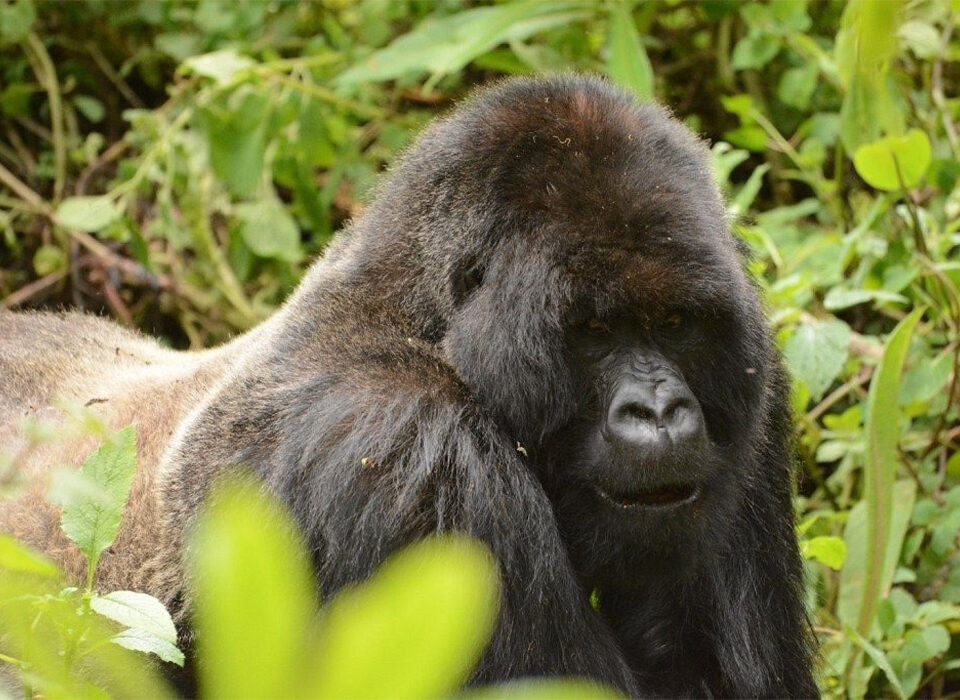
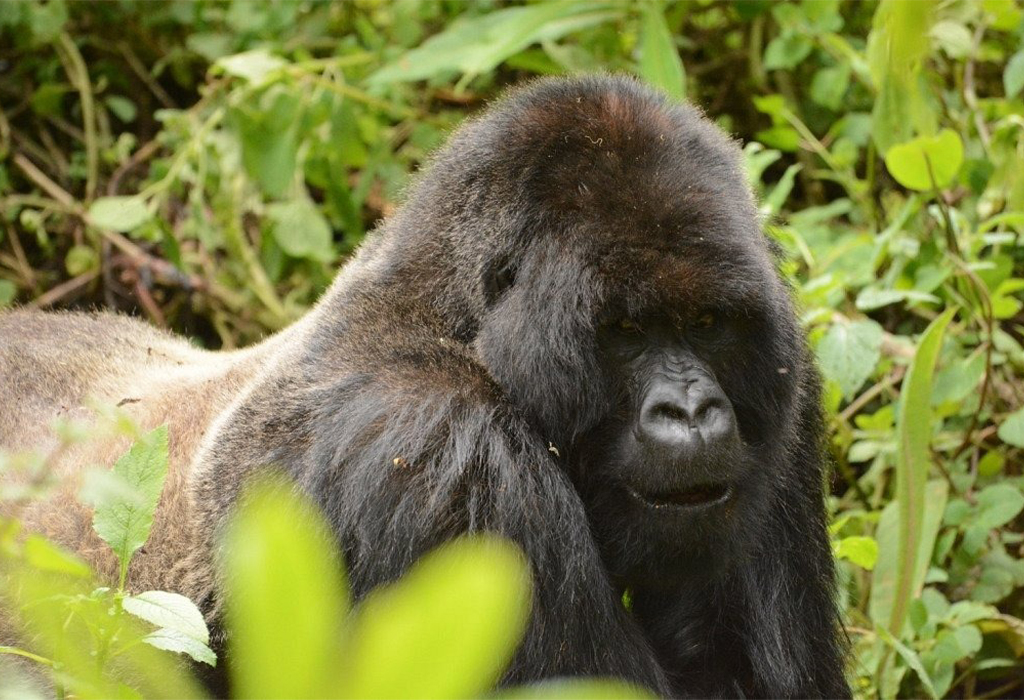
Mountain gorilla trekking remains one of Uganda’s greatest attractions. Bwindi Impenetrable National Park and Mgahinga Gorilla National Park protect some of the world’s last remaining mountain gorillas, and spending time with a habituated family is an experience unlike any other.
However, Uganda offers much more than gorillas. You can combine chimpanzee tracking in Kibale Forest with savanna game drives in Queen Elizabeth National Park, explore the dramatic landscapes of Kidepo Valley, or search for the rare shoebill in Uganda’s wetlands. The country’s diverse ecosystems support an impressive range of mammals and birds, making it ideal for travelers who want more than a conventional game-drive safari.
Murchison Falls National Park
Murchison Falls is Uganda’s largest national park and one of the country’s finest destinations for classic savanna wildlife viewing. The Victoria Nile divides the park, creating a landscape of grasslands, woodland, and riverine habitats that support a remarkable variety of animals.
During game drives, you may encounter lions, elephants, buffaloes, giraffes, leopards, and Uganda kob. The Nile also offers a different perspective on the park. A boat cruise toward the base of Murchison Falls brings you close to hippos, crocodiles, elephants, and numerous waterbirds. As the river squeezes through a narrow gorge, the power of the falls becomes the unforgettable highlight of the journey.
Queen Elizabeth National Park
Queen Elizabeth National Park combines beautiful scenery with excellent wildlife viewing. Its open plains, crater lakes, forests, and wetlands create habitats for elephants, buffaloes, hippos, leopards, and several antelope species.
The Kazinga Channel is one of the park’s most rewarding attractions. A boat cruise along this natural waterway allows you to watch animals gathering at the water’s edge while birds move through the surrounding vegetation.
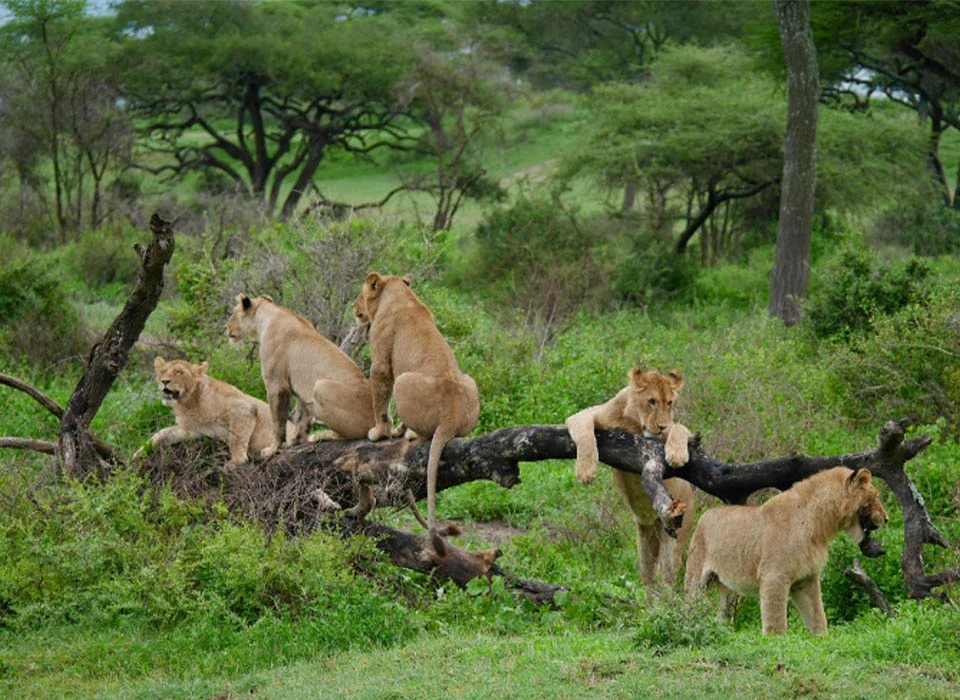
Meanwhile, Ishasha, in the southern sector, is famous for its tree-climbing lions. Seeing one of these powerful cats resting in a fig tree is a memorable safari moment. For travelers interested in primates, Kyambura Gorge also offers chimpanzee tracking in a beautiful forested setting.
Kidepo Valley National Park
For travelers seeking a more remote and adventurous safari, Kidepo Valley National Park is difficult to beat. Located in northeastern Uganda, near the borders with South Sudan and Kenya, the park features vast valleys, rugged mountains, and a strikingly open landscape.
Its isolation helps create a quieter safari experience, while its wildlife adds to the excitement. Lions, elephants, giraffes, zebras, ostriches, and several antelope species can be found here. Kidepo also offers opportunities to see wildlife that is less common in other Ugandan parks, including cheetahs and greater kudu.
Reaching Kidepo requires more planning than visiting destinations closer to Kampala, but the effort is worthwhile. The scenery alone makes the journey unforgettable, and the sense of wilderness is one of its greatest strengths.
Lake Mburo National Park
Lake Mburo is a compact and accessible destination that works particularly well for shorter safaris or as part of a longer journey toward southwestern Uganda. Its location makes it a convenient stop between Kampala and the gorilla trekking region.
The park stands out because it offers more than traditional game drives. You can explore its landscapes on a guided walking safari, enjoy a boat trip on the lake, or experience a cycling safari. These activities allow you to appreciate the smaller details of the ecosystem, from animal tracks to bird calls and changing vegetation.
Lake Mburo is especially known for its zebras, impalas, elands, topis, and buffaloes. Its relaxed atmosphere makes it an excellent introduction to Uganda’s wildlife.
Kibale Forest, Bwindi, and Mgahinga
Uganda’s forest parks provide a different kind of safari experience. Kibale Forest National Park is renowned for chimpanzee tracking and its remarkable primate diversity. Visitors may also encounter red colobus monkeys, black-and-white colobus monkeys, red-tailed monkeys, and other forest species.
In southwestern Uganda, Bwindi Impenetrable National Park and Mgahinga Gorilla National Park offer unforgettable mountain experiences. Gorilla trekking takes you into dense forest, where you may spend an hour observing a habituated gorilla family in its natural habitat. Mgahinga also offers golden monkey trekking and spectacular views of the Virunga volcanoes.
Together, these destinations make Uganda particularly appealing to travelers who want to combine wildlife viewing with meaningful forest adventures.
Wildlife You Can See in Uganda
Uganda supports an impressive range of wildlife. Lions, leopards, elephants, and buffaloes occur in several national parks, while rhinos can be seen at Ziwa Rhino Sanctuary and in Kidepo Valley National Park.
Beyond the Big Five, you may encounter giraffes, hippos, zebras, Uganda kob, waterbucks, elands, warthogs, and crocodiles. Birdwatchers also have plenty to look forward to. The shoebill, grey crowned crane, African fish eagle, and numerous forest species are among the country’s most sought-after birds.
Best Time for a Uganda Wildlife Safari
Uganda remains a year-round safari destination, although the experience changes with the seasons. The dry months of June to September generally offer the easiest conditions for savanna game viewing. Animals often gather near water sources, and some park tracks become easier to navigate.
December to February provides another excellent window, with relatively dry conditions and good opportunities for wildlife viewing. Meanwhile, the wetter months of March to May and October to November bring lush vegetation, dramatic skies, and excellent birdwatching. Gorilla and chimpanzee trekking continue throughout the year, although forest trails can become more challenging during heavy rain.
How Much Does a Uganda Safari Cost?
Safari prices depend on the length of the trip, accommodation standard, group size, transport, and activities included. Budget safaris use simpler accommodation and shared vehicles, while mid-range options offer comfortable lodges, private vehicles, and experienced driver-guides. Luxury safaris provide premium accommodation, personalized service, and additional experiences.
Gorilla trekking permits form a significant part of the budget, so travelers should plan for them early. Chimpanzee tracking, boat cruises, game drives, and other activities also affect the final cost. For an accurate quotation, Experiya Tour Company can help you choose an itinerary that matches your interests and budget.
Sample Uganda Wildlife Safari Itineraries
A three-day safari to Murchison Falls offers a rewarding introduction to Uganda’s wildlife, with game drives and a boat cruise along the Nile. A five-day itinerary can combine Kibale Forest with Queen Elizabeth National Park for chimpanzee tracking, savanna game drives, and a Kazinga Channel cruise.
For a more comprehensive experience, a seven-day safari can include Murchison Falls, Kibale Forest, and Queen Elizabeth National Park. Travelers with ten to twelve days can add Bwindi or Mgahinga for gorilla trekking, creating a journey that combines savanna wildlife, primates, and mountain forests.
What to Pack
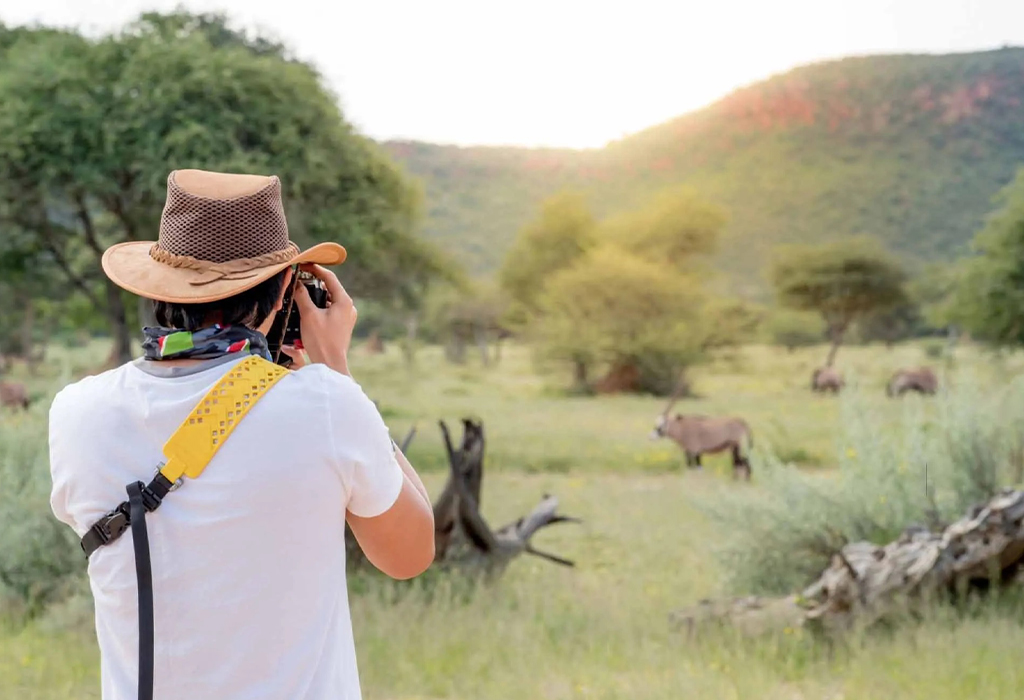
Pack lightweight, neutral-coloured clothing, long trousers, comfortable walking shoes, a waterproof jacket, a hat, sunglasses, sunscreen, insect repellent, and a reusable water bottle. Binoculars and a camera are also valuable additions. For forest activities, bring sturdy footwear and a small daypack.
Responsible Wildlife Tourism
A memorable safari should also protect the places and animals that make it possible. Follow your guide’s instructions, maintain a respectful distance from wildlife, avoid loud noise, and never feed animals. During gorilla and chimpanzee treks, follow the prescribed viewing guidelines and inform your guide if you feel unwell.
Supporting locally owned lodges, hiring local guides, and choosing responsible safari operators also helps communities benefit from tourism and strengthens conservation efforts.
Plan Your Uganda Wildlife Safari with Experiya Tour Company
Uganda offers an extraordinary combination of wildlife, scenery, and cultural experiences. Whether you want a short savanna safari, a gorilla trekking adventure, or a tailor-made journey across several national parks, Experiya Tour Company can help you plan a trip that suits your interests, schedule, and budget.
From the open plains of Murchison Falls to the forests of Bwindi and the remote valleys of Kidepo, Uganda invites you to discover Africa at its most diverse. Start planning your ultimate Uganda wildlife safari and experience the country’s remarkable natural heritage for yourself.