The Batwa Cultural Trail and Experience in Uganda
September 8, 2026
Ultimate Uganda Wildlife Safari Guide
September 9, 2026
Echuya Forest Reserve is one of the remarkable bird-watching destinations in southwestern Uganda. Located between Kabale and Kisoro districts, close to the Uganda-Rwanda border, the forest offers bird lovers an opportunity to explore a beautiful montane rainforest surrounded by the scenic landscapes of the Kigezi Highlands.
For travelers planning a Uganda birding safari, Echuya Forest Reserve is a rewarding destination to include on the itinerary. The forest covers approximately 3,400 hectares and stretches for about seven kilometers, with an average width of roughly 750 meters. Its cool climate, dense vegetation, bamboo stands, swamps, and rich plant life create a suitable environment for a variety of bird species.
Echuya was once part of a much larger forest ecosystem that connected with the areas now protected as Bwindi Impenetrable National Park and Mgahinga Gorilla National Park. Over time, conservation boundaries separated these forests, although they continue to share similar ecological characteristics.
One of the most noticeable features of Echuya Forest is its extensive bamboo vegetation. Bamboo remains an important resource for communities living around the forest and is used for household needs, construction, crafts, and other purposes. Consequently, conservation efforts in Echuya require close cooperation between the forest authorities and surrounding communities.
Bird Watching in Echuya Forest Reserve
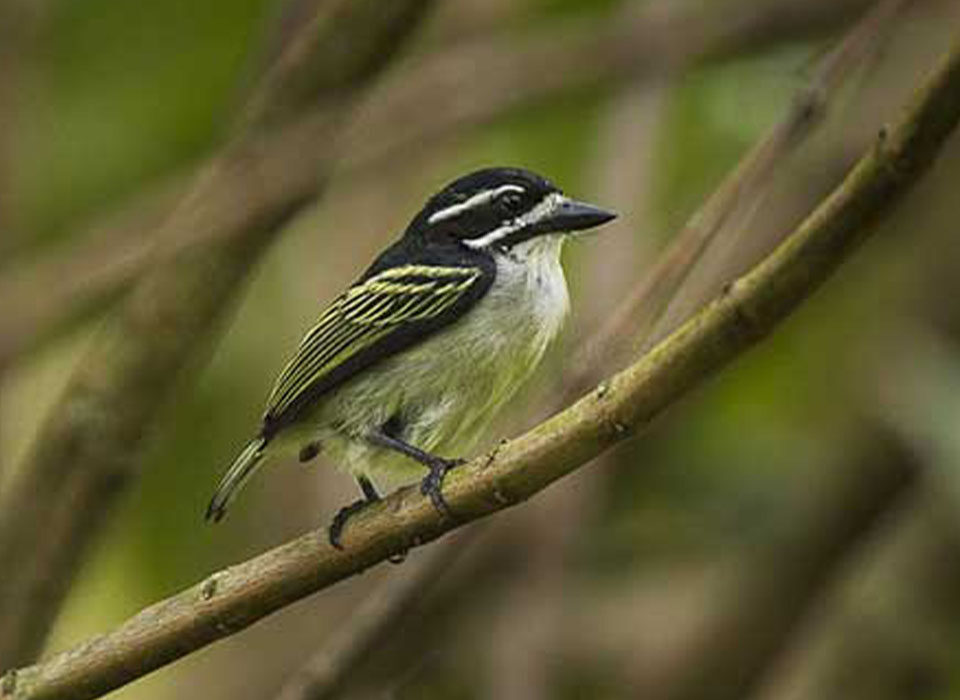
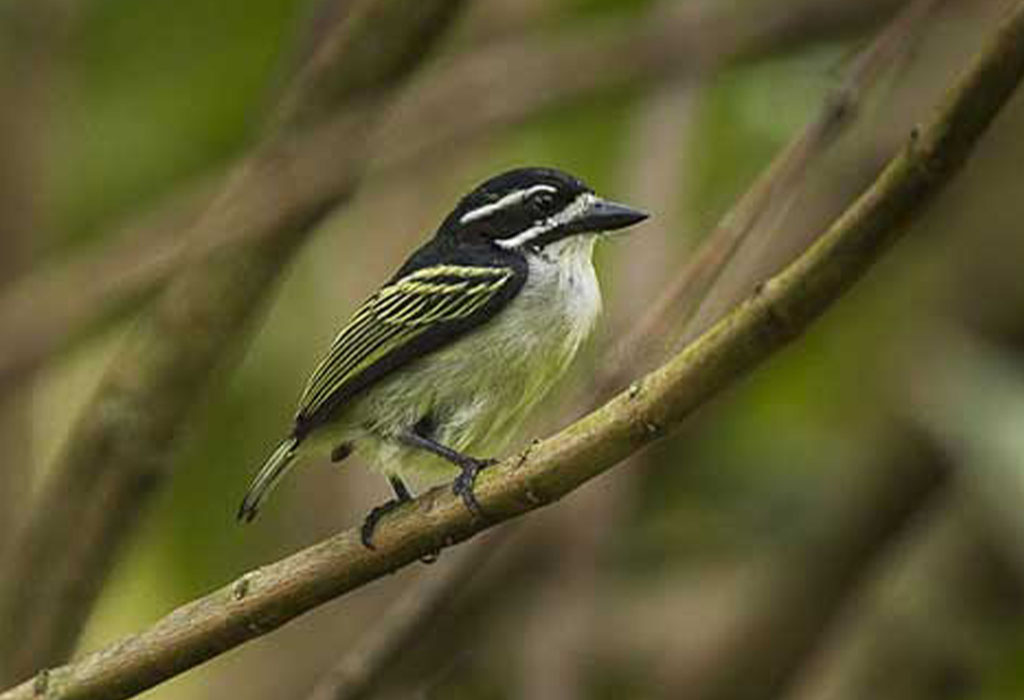
Echuya Forest is particularly attractive to bird watchers because of its rich birdlife and montane forest habitat. The reserve supports numerous bird species, including several species associated with the Albertine Rift region. Among the birds that birders may encounter are the Grauer’s Swamp Warbler, Kivu Ground Thrush, Red-throated Alethe, Red-faced Woodland Warbler, Archer’s Robin-Chat, White-eyed Slaty Flycatcher, Rwenzori Batis, Collared Apalis, Strip-breasted Tit, Doherty’s Bush-Shrike, Mountain Masked Apalis, Yellow-eyed Black Flycatcher, Brown-capped Weaver, Montane Oriole, Regal Sunbird, Strange Weaver, and Dwarf Honeyguide.
Because the forest has dense vegetation, bird watching requires patience and careful observation. Some birds remain hidden within the bamboo and forest canopy, while others move quickly through the undergrowth. Therefore, experienced birders often find the forest especially rewarding.
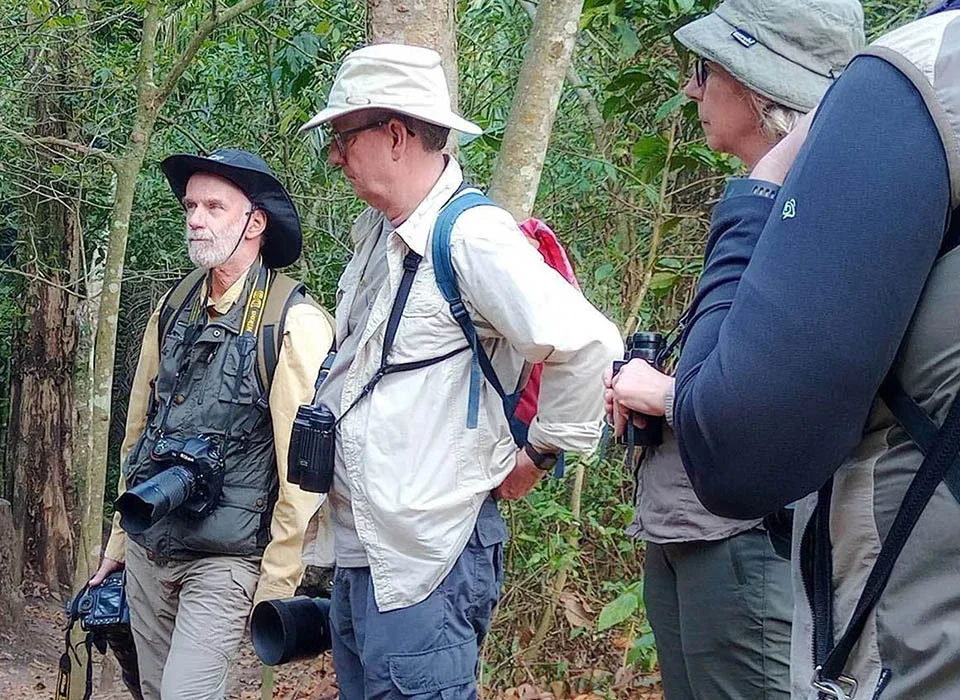
A knowledgeable local guide can make the experience even better. During a birding walk, the guide helps visitors identify different species by their calls, appearance, behavior, and preferred habitats. In addition, guides understand the forest trails and know areas where particular birds are more likely to appear.
For serious bird watchers, an early morning walk usually provides some of the best opportunities to observe forest birds. At this time, the forest is active with bird calls, and visitors can listen for different species before attempting to locate them among the trees and bamboo.
The Natural Beauty of Echuya Forest
Although birds are the main attraction for many visitors, Echuya Forest offers much more than bird watching. The forest contains a variety of plant species, butterflies, small mammals, and other forms of wildlife that contribute to its ecological importance.
A large swamp lies within the forest, creating a distinctive landscape covered with sedges, heathers, and giant lobelias. Walking through this part of the forest gives visitors a chance to appreciate the unique vegetation of the Albertine Rift.
The forest also supports several small mammal species and primates. Blue monkeys, black-and-white colobus monkeys, and baboons can be found in the area. Butterflies add further colour to the forest, particularly along open sections of the trails.
Local stories also describe a time when Echuya supported larger animals such as elephants, buffaloes, antelopes, and duikers. However, many of these larger animals are no longer commonly seen in the reserve. Today, visitors are more likely to encounter smaller mammals and primates while exploring the forest.
Echuya Forest and the Local Community
The communities surrounding Echuya Forest have a close relationship with the reserve. For generations, people living around the forest have depended on natural resources such as bamboo, firewood, and other forest products.
At the same time, Echuya plays an important role as a water catchment area. The forest helps maintain water sources that benefit surrounding communities and contributes to the environmental health of the region.
Conservation, therefore, cannot succeed without the involvement of local people. When communities benefit from tourism and understand the importance of protecting the forest, they have a stronger reason to support conservation.
The Batwa people also have a historical connection with Echuya Forest. Their ancestors traditionally depended on forests for food, shelter, medicine, and other resources. However, changes in conservation policies and land use eventually resulted in the Batwa leaving the forest and settling in surrounding communities.
Today, many Batwa families continue to face difficult social and economic conditions. Their history and relationship with the forest form an important part of the wider cultural story of Echuya. Responsible tourism can help create opportunities for local communities while encouraging visitors to understand the importance of conservation and community participation.
A Guided Birding Experience
Bird watching in Echuya Forest becomes more enjoyable when conducted with an experienced guide. Instead of simply walking through the forest, visitors learn how to recognize different bird calls, understand bird behaviour, and identify habitats where particular species are likely to occur.
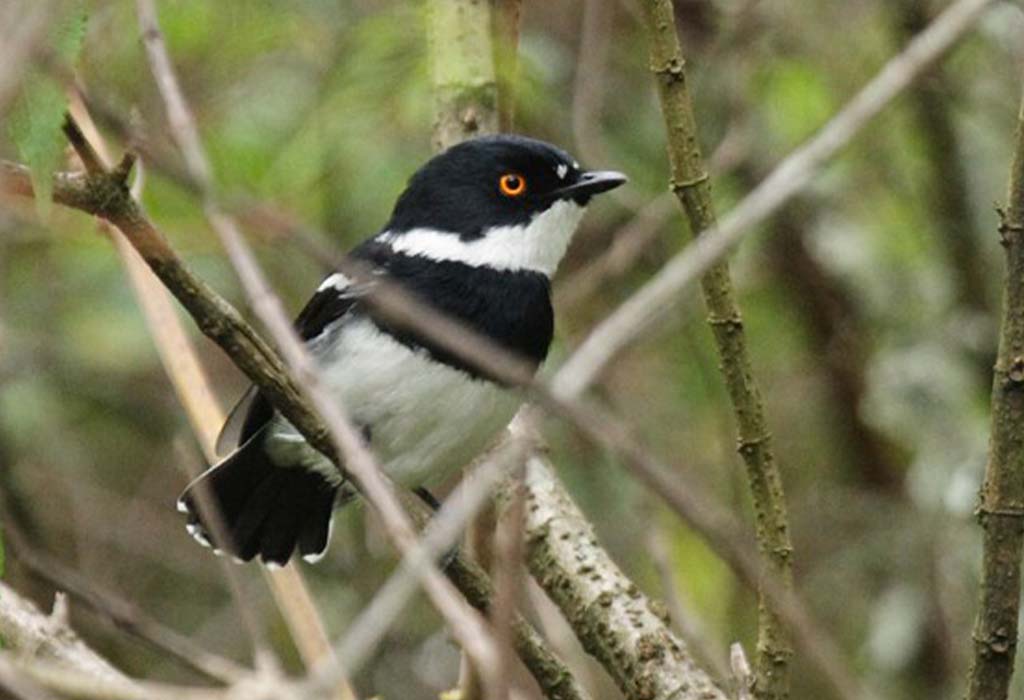
Rwenzori Batis
Your guide from Experiya Tour Company can also help organize the birding experience according to your interests and level of experience. Whether you are an experienced birder searching for Albertine Rift species or a first-time visitor interested in discovering Uganda’s forest birds, a guided walk provides a more meaningful experience.
Furthermore, visitors should carry suitable walking shoes, binoculars, a camera, drinking water, and lightweight clothing. Since forest conditions can change quickly, carrying rain protection is also advisable.
Patience is equally important. Forest birding does not always provide immediate sightings. Sometimes you may hear a bird several times before finally spotting it in the canopy. That moment of discovery is one of the most enjoyable parts of bird watching in Echuya.
Combining Echuya With Other Uganda Attractions
Echuya Forest Reserve can easily form part of a wider southwestern Uganda safari. Its location makes it possible to combine bird watching with other attractions around Kabale, Kisoro, Bwindi, and Mgahinga.
For example, travelers can combine a visit to Echuya with gorilla trekking in Bwindi Impenetrable National Park or golden monkey tracking in Mgahinga Gorilla National Park. The nearby Kigezi Highlands also provide beautiful scenery, terraced hills, crater lakes, and opportunities to experience local communities and cultures.
As a result, Echuya is not simply a destination for bird specialists. Nature lovers, photographers, hikers, and travelers interested in Uganda’s landscapes can also enjoy time in the forest.
Plan Your Echuya Birding Safari
Bird watching in Uganda can begin as soon as you arrive in the country. Even during transfers between destinations, keen observers can encounter a variety of birds along roadsides, wetlands, forests, gardens, and cultivated areas.
However, visiting a forest such as Echuya provides a completely different birding experience. The cool highland environment, bamboo forests, swamp vegetation, colourful butterflies, primates, and diverse birdlife create an atmosphere that is difficult to experience elsewhere.
If you are planning a Uganda birding safari and want to explore destinations beyond the country’s better-known national parks, Echuya Forest Reserve deserves a place on your itinerary. With the help of Experiya Tour Company, you can arrange a guided forest experience that combines bird watching, nature walks, cultural encounters, and other attractions in southwestern Uganda.
Ultimately, Echuya Forest demonstrates the importance of protecting Uganda’s natural habitats while creating meaningful experiences for visitors. Its birds, plants, wildlife, and surrounding communities make it a valuable part of Uganda’s tourism landscape and a memorable stop for anyone interested in discovering the country’s rich natural heritage.