Bird Watching in Mgahinga Gorilla National Park
September 28, 2026
Things to Do in Maasai Mara National Reserve Kenya
September 28, 2026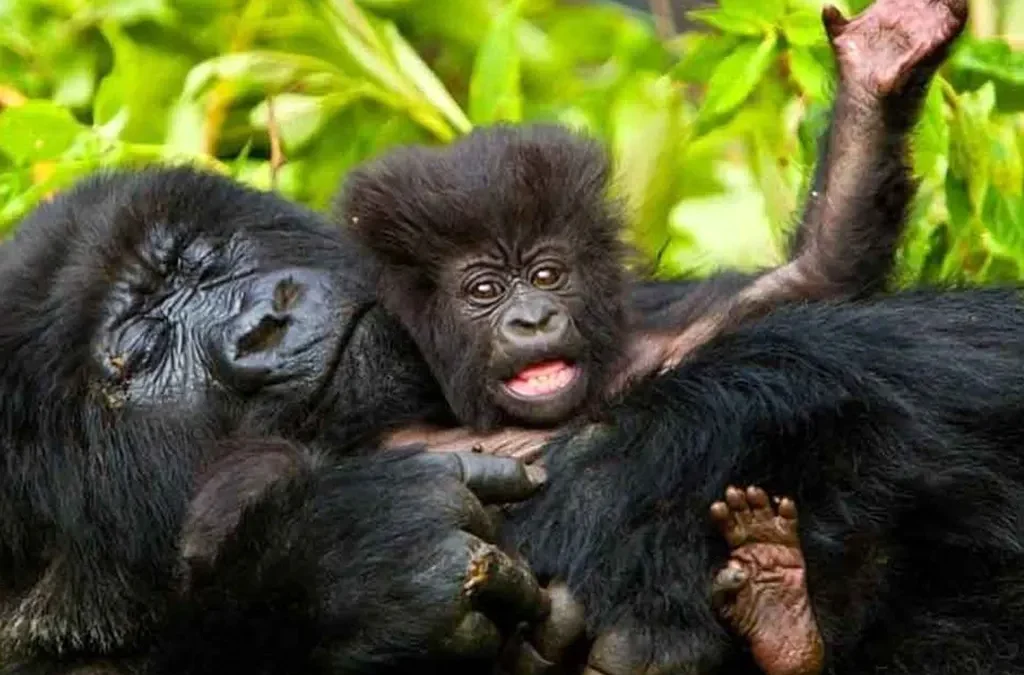
If you are planning a gorilla habituation experience in Uganda, Rushaga is the Bwindi sector you need to know about. Located in the southern part of Bwindi Impenetrable National Park, Rushaga is the sector associated with Uganda’s gorilla habituation experience.
Unlike ordinary gorilla trekking, habituation gives visitors considerably more time to observe a gorilla group that is still becoming accustomed to human presence. Instead of the usual one-hour gorilla viewing period, the habituation experience can allow visitors to spend up to four hours with a semi-habituated gorilla group, subject to Uganda Wildlife Authority regulations and the conditions of the particular experience.
For travelers who want a deeper understanding of mountain gorillas and the conservation work surrounding them, this extended time can make the experience especially rewarding.
With Experiya Tour Company, you can plan your gorilla habituation trip around the permit, accommodation, transport, and other activities in southwestern Uganda.
Why Rushaga Is Important for Gorilla Habituation
Bwindi Impenetrable National Park covers more than 330 square kilometres of ancient forest and is divided into four main tourism sectors: Buhoma, Ruhija, Rushaga, and Nkuringo.
All four sectors offer standard gorilla trekking. However, Rushaga is the sector to consider when your primary goal is a gorilla habituation experience.
The difference is significant. A regular gorilla trekking permit provides a limited period with a habituated gorilla family. Gorilla habituation, on the other hand, takes visitors into the forest to observe a group that is still undergoing the gradual process of becoming comfortable with human presence.
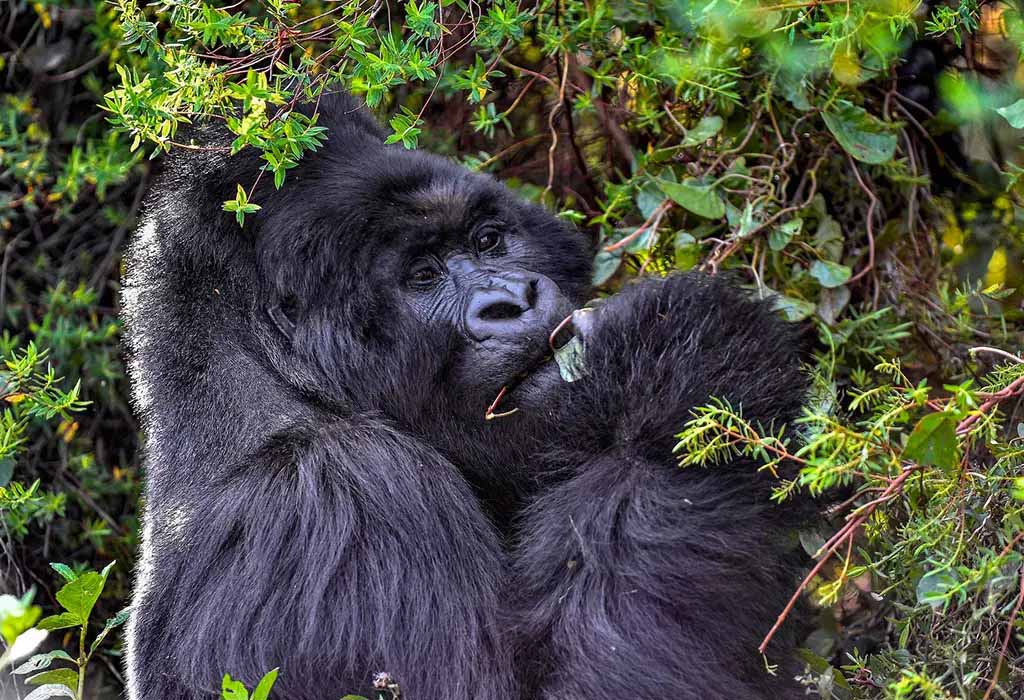
Consequently, the experience is not simply about taking photographs. You may spend more time watching feeding behaviour, movement, communication, resting, grooming, and interactions between members of the group.
The experience can also provide a closer look at how researchers, trackers, and rangers monitor gorilla behaviour while maintaining strict conservation standards.
What Makes Gorilla Habituation Different from Gorilla Trekking?
One of the biggest differences is the amount of time available for observation.
During ordinary gorilla trekking, visitors normally spend a maximum of one hour with their assigned gorilla family once they locate it. The gorillas visited by trekkers have already undergone habituation and are accustomed to controlled human presence.
The habituation experience follows a different approach. Visitors accompany trained trackers and conservation personnel while observing a group that is still becoming familiar with humans.
Therefore, the behaviour you encounter can be less predictable. The gorillas may move away, remain deep in vegetation, become active, or continue feeding without paying much attention to visitors.
That unpredictability is part of what makes the experience special.
Rather than expecting a perfectly staged wildlife encounter, you enter the forest with the understanding that the gorillas remain wild animals whose welfare comes first.
How Does Gorilla Habituation Work?
Gorilla habituation is a gradual conservation process. Researchers and trackers repeatedly monitor a gorilla group and slowly introduce controlled human presence.
The process can take several years. During this period, conservation teams observe the animals and document important information about their behaviour, movements, social relationships, feeding habits, and reactions to people.
Over time, the gorillas may become sufficiently accustomed to the presence of researchers and carefully managed visitors.
When you participate in the gorilla habituation experience in Rushaga, you therefore become part of a carefully controlled activity rather than simply joining an ordinary wildlife viewing excursion.
Importantly, visitors must follow instructions from guides and rangers throughout the activity. Keeping an appropriate distance, avoiding sudden movements, following photography rules, and respecting the animals’ behaviour all help protect the gorillas.
How Many People Can Join Gorilla Habituation?
Gorilla habituation groups have a much smaller visitor limit than ordinary gorilla trekking groups. Up to four visitors are generally permitted to participate in a habituation experience with a gorilla group per day, alongside the relevant conservation personnel.
This small group size helps reduce human pressure on the animals. It also creates a quieter experience for visitors.
Because only a limited number of places are available, travelers should arrange their permits well before their intended travel dates, particularly if they have specific travel dates in mind.
How Much Does a Gorilla Habituation Permit Cost?
Permit prices depend on the visitor’s residency category and the applicable Uganda Wildlife Authority tariff.
At the time of writing, the stated gorilla habituation permit rates are:
| Visitor category | Current habituation permit |
| Foreign non-residents | USD 1,500 |
| Foreign residents | USD 1,000 |
| East African citizens | UGX 750,000 |
Important: Uganda Wildlife Authority tariff changes should always be confirmed before booking because permit prices and applicable categories can change.
The supplied tariff information also indicates revised rates from 1 January 2027, including USD 1,800 for foreign non-residents and USD 1,600 for foreign residents. Travelers planning a 2027 trip should confirm the applicable tariff directly with Uganda Wildlife Authority before making payment.
Because permit availability is limited, price is only one part of planning. Your travel dates, accommodation, transport, and preferred activities should also be considered early.
How to Book Gorilla Habituation Permits in Uganda
You can arrange a gorilla habituation permit through the Uganda Wildlife Authority or use a licensed tour operator to coordinate the booking as part of a safari package.
If you book with Experiya Tour Company, the planning process can include more than the permit itself. Your operator can coordinate transportation to Rushaga, accommodation, guiding arrangements, and additional activities around Bwindi.
This can be particularly useful for international travelers who are combining gorilla habituation with other Ugandan destinations.
For example, you could combine Rushaga with Lake Bunyonyi, Queen Elizabeth National Park, Kibale Forest, Mgahinga Gorilla National Park, or cultural experiences in southwestern Uganda.
What Happens on the Day of Gorilla Habituation?
Your habituation day begins early because the forest experience can last much longer than ordinary gorilla trekking.
After reaching the briefing point, your guides explain the rules, introduce the team, and provide information about the gorilla group you will track. You then enter the forest with experienced trackers and rangers.
The actual time required to find the gorillas can vary considerably. Bwindi is a natural rainforest, and the animals do not follow a fixed route.
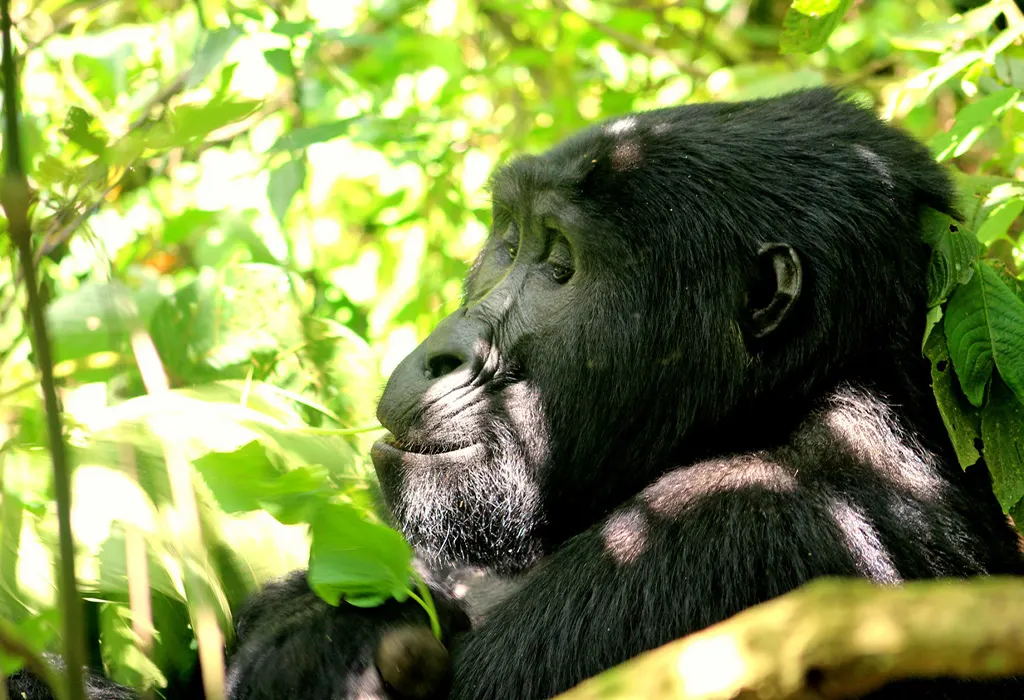
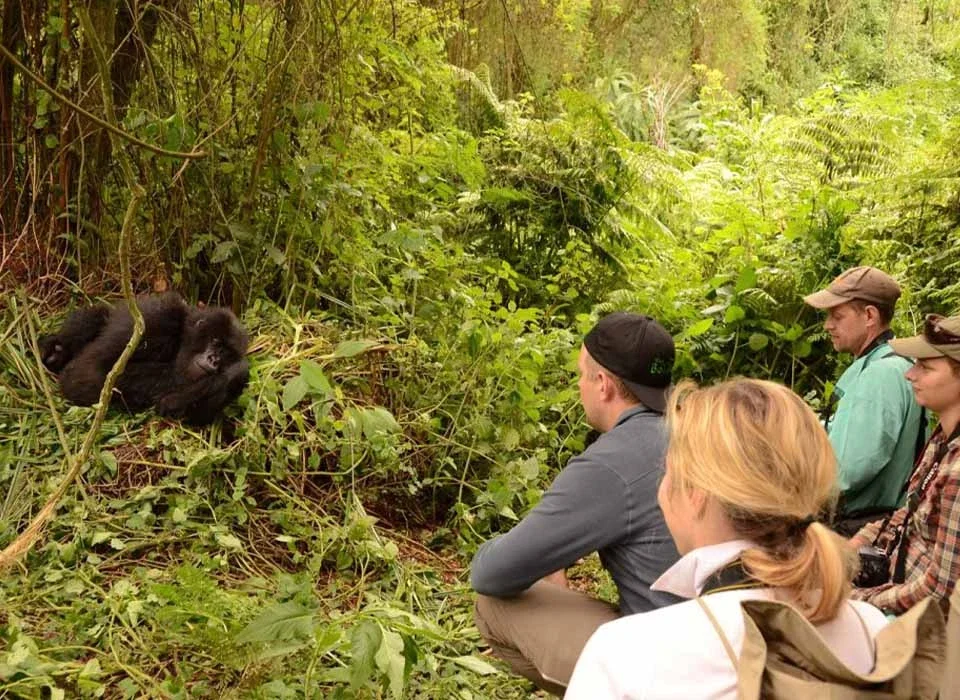
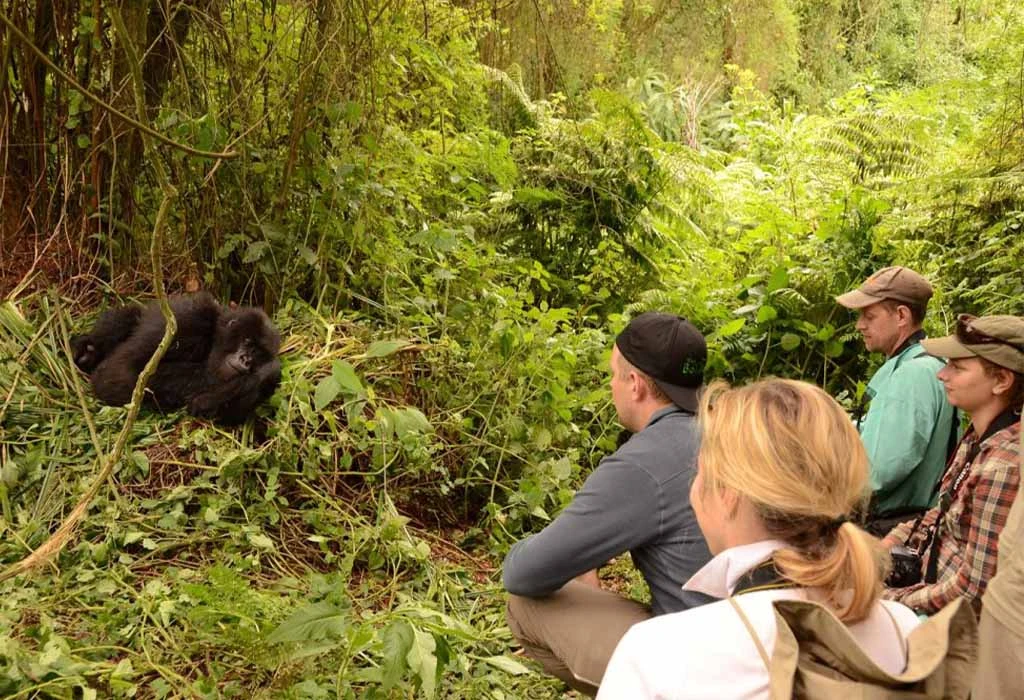
Once you locate the group, the team carefully positions visitors according to the applicable guidelines. You may then spend extended time observing the gorillas as they move through the forest.
You might see them:
- Feeding on vegetation.
- Grooming one another.
- Resting beneath forest cover.
- Moving through thick vegetation.
- Communicating through different vocalisations.
- Interacting with other members of the group.
However, wildlife encounters are never guaranteed to follow a particular script. That is why patience and respect are essential.
What Should You Pack for Gorilla Habituation?
Because Rushaga’s terrain can be steep, muddy, and challenging, proper preparation can make a major difference.
Pack sturdy waterproof hiking boots, long trousers, long-sleeved shirts, a waterproof jacket, insect repellent, drinking water, snacks, and a small backpack.
You should also carry a camera with sufficient battery power and memory. A walking stick can provide additional support on steep or slippery sections of the trail.
Weather can change quickly in Bwindi. Even during the drier months, rain can occur, so a waterproof layer remains useful.
Most importantly, wear clothing that you do not mind getting dirty. Gorilla habituation takes place in a genuine rainforest environment, not on a prepared walking trail.
When Is the Best Time for Gorilla Habituation in Rushaga?
Uganda’s gorilla trekking activities operate throughout the year. However, many travelers prefer the relatively drier periods, particularly June to September and December to February.
During these periods, trails can be easier to navigate when rainfall is lower. Nevertheless, Bwindi is a rainforest, so wet conditions can occur at any time.
The wetter months can also provide their own advantages, including lush vegetation and fewer visitors. Therefore, the best travel period ultimately depends on your priorities, budget, and tolerance for wet trekking conditions.
Rather than assuming that one month guarantees perfect conditions, prepare for changing weather throughout your trip.
Where to Stay During Gorilla Habituation in Rushaga
Rushaga offers several accommodation options, making it possible to stay close to the habituation starting point.
Travelers looking for a comfortable stay can consider lodges and camps in and around the Rushaga area. Your choice should depend on your budget, preferred level of comfort, and how close you want to be to the briefing point.
For travelers planning a demanding habituation experience, staying nearby can be particularly convenient because it reduces the amount of early-morning road travel.
Experiya Tour Company can help match your accommodation with your itinerary, budget, and preferred safari style.
Can You Combine Gorilla Habituation with Other Uganda Activities?
Absolutely. One advantage of traveling to southwestern Uganda is the opportunity to combine several experiences within one itinerary.
After your gorilla habituation experience, you could visit Lake Bunyonyi for canoeing and scenic relaxation. You could also continue to Queen Elizabeth National Park for game drives and a Kazinga Channel boat cruise.
Alternatively, travelers interested in primates can consider chimpanzee trekking in Kibale Forest National Park. A trip to Mgahinga Gorilla National Park can also add golden monkey trekking and other forest experiences.
As a result, gorilla habituation does not have to be a standalone activity. It can become one part of a wider Uganda safari.
Why Choose Experiya Tour Company?
Planning a gorilla habituation experience involves more than finding a permit. You also need to consider transportation, accommodation, timing, park requirements, and the activities you want to combine with your time in Bwindi.
Experiya Tour Company can help organize these elements into one practical itinerary.
Whether you are planning a short gorilla-focused trip or a longer Uganda safari, working with an experienced local operator can simplify logistics and allow you to concentrate on enjoying the journey.
Most importantly, responsible tourism should remain at the centre of every gorilla encounter. Following ranger instructions, maintaining the required distance, avoiding unnecessary noise, and respecting the animals help protect the mountain gorillas and their habitat.
Final Thoughts: Rushaga and Gorilla Habituation
So, which Bwindi sector offers gorilla habituation permits? The answer is Rushaga, in the southern part of Bwindi Impenetrable National Park.
For travelers who want more time to observe mountain gorillas and learn about the habituation process, the experience offers a different perspective from conventional gorilla trekking.
However, the experience requires preparation. Permits are limited, the terrain can be demanding, and conditions in the rainforest can change quickly. Booking early and preparing properly can make your journey much smoother.
With Experiya Tour Company, you can combine your gorilla habituation permit, accommodation, transportation, and other Uganda safari experiences into a well-organized itinerary.