Glamping in Volcanoes National Park, Rwanda: Luxury in the Heart of Nature
January 26, 2026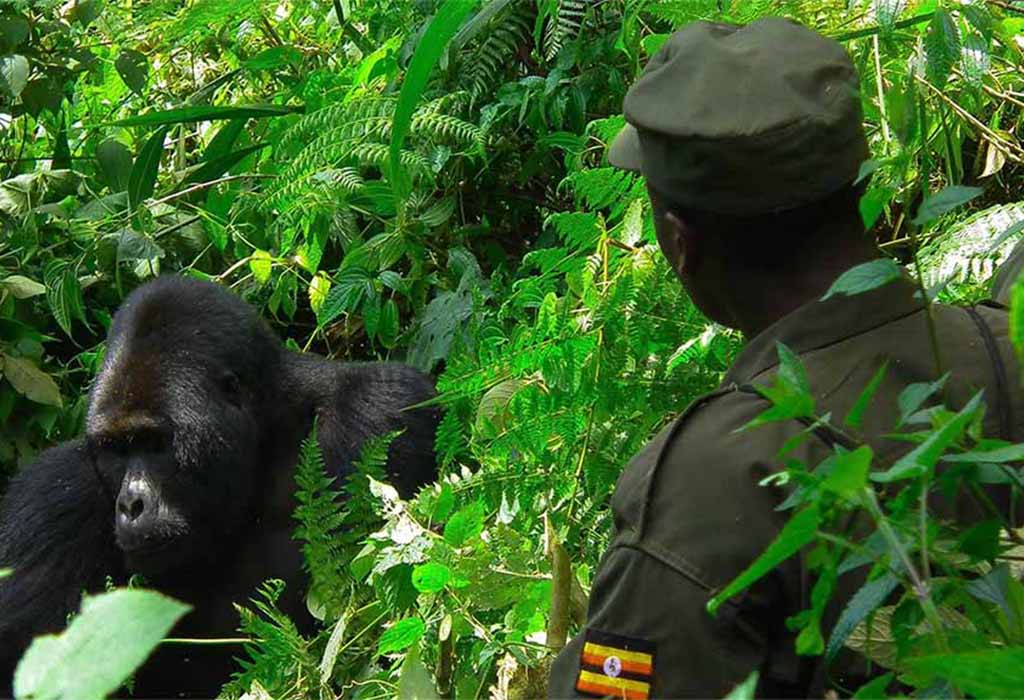
7-Day Chimpanzee and Gorilla Trekking Safari
January 26, 2026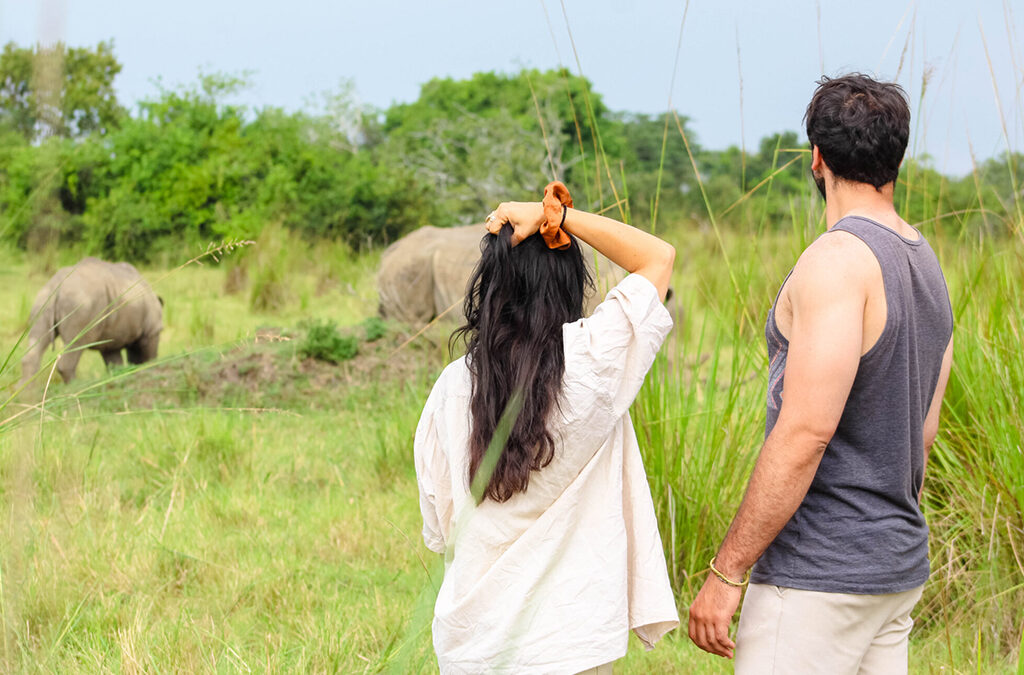
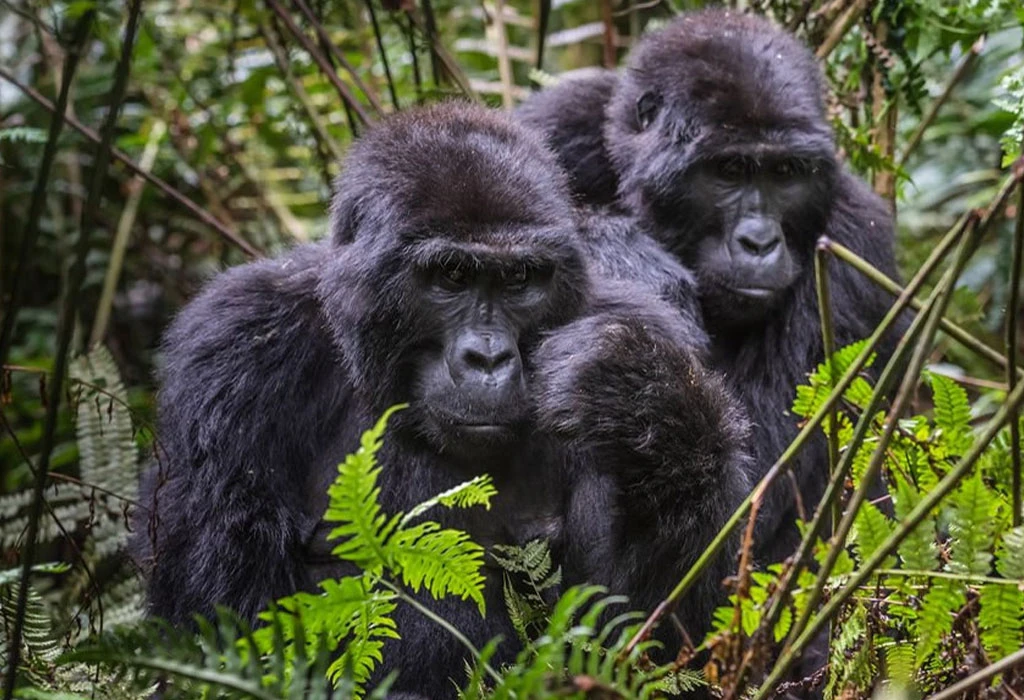
Just like its neighbors Kenya and Tanzania, Uganda is quickly becoming a top safari destination, attracting more tourists each year. Renowned for its primate trekking especially gorilla and chimpanzee trekking the country is easily accessible, with multiple airlines flying directly or via connecting flights from neighboring countries.
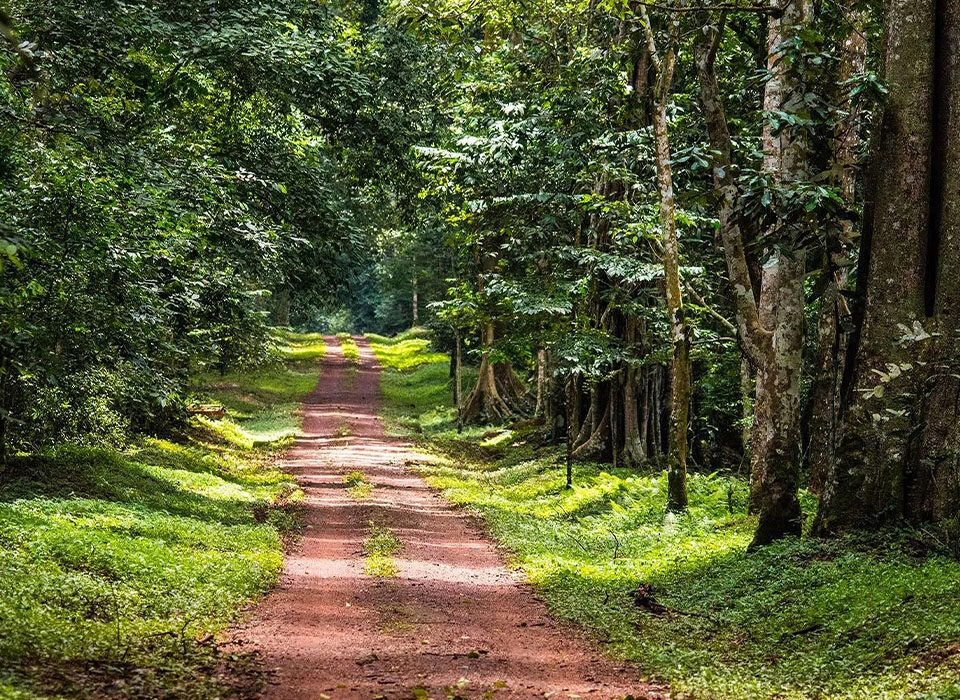
Uganda is blessed with diverse landscapes, including mountains, hills, rivers, lakes, and lowlands. This variety creates two main seasons: the dry season and the rainy season, both of which influence the type of safari activities you can enjoy. Often called the “Pearl of Africa,” Uganda offers an unforgettable wildlife adventure for every type of traveler. Below is a comprehensive guide to planning your perfect first-time safari in Uganda.
Understand Common Safari Terminology
Before you start planning, it helps to understand a few safari terms:
- Big Five: The most sought-after animals on African safaris lion, leopard, elephant, rhino, and buffalo.
- Sundowner: A happy hour in the bush where tourists enjoy drinks while watching the sunset and soaking in the wilderness.
- Bushveld: While it may not look like a traditional bush, this term refers to the natural habitats where wildlife thrives.
On a Ugandan safari, you can enjoy a wide range of activities, including game drives, gorilla and chimpanzee trekking, birdwatching, hiking, fishing, and water-based adventures.
Step 1: Choose Your Safari Destination
Uganda is a wildlife-rich country with over 10 main national parks to choose from. Popular options include:
- Murchison Falls National Park
- Kidepo Valley National Park
- Queen Elizabeth National Park
- Bwindi Impenetrable National Park
- Lake Mburo National Park
- Mgahinga Gorilla National Park
- Pian Upe National Park
- Semuliki National Park
Each park offers unique wildlife and experiences. The dry season (December–February, June–August) is ideal for wildlife spotting, as animals gather around water sources.
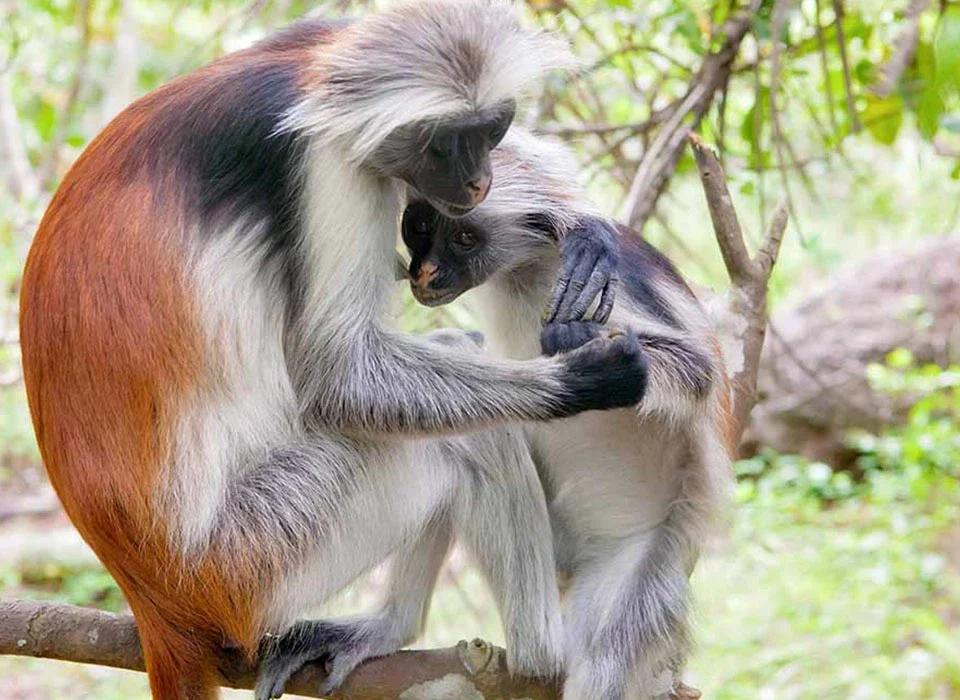
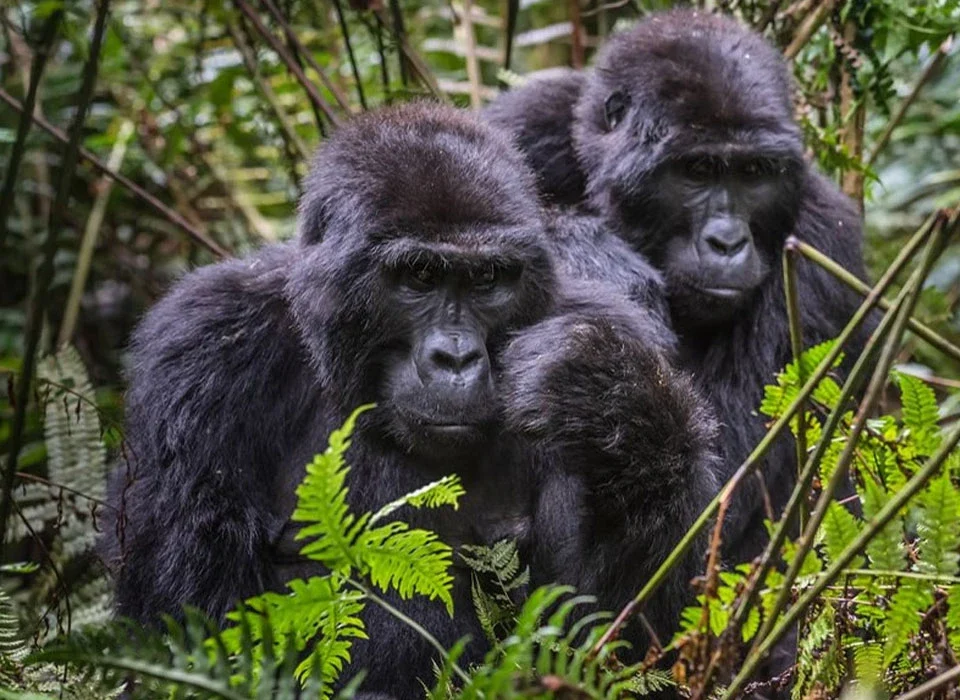
Uganda hosts diverse wildlife species, including buffalos, elephants, lions, leopards, rhinos, hippos, Nile crocodiles, warthogs, primates like vervet monkeys, red colobus monkeys, and the highly sought-after mountain gorillas and golden monkeys. Bird enthusiasts can spot hundreds of species, including rare and endemic birds.
Step 2: Decide on the Duration of Your Safari
The length of your safari largely determines the number and type of activities you can experience. First-time visitors often choose 3-day, 4-day, or 5-day safaris, but we recommend at least 8 days to fully explore Uganda’s highlights, including a gorilla trek and a big-five game drive.
Keep in mind that longer safaris are more expensive, but they allow you to experience more of the country’s incredible wildlife and landscapes.
Step 3: Choose the Best Time to Visit
Timing is crucial when planning your safari. Uganda experiences two main seasons:
- Dry Season (December–February & June–August): Ideal for game drives, guided nature walks, and gorilla trekking. This is the peak season, so expect higher prices for lodges and activities.
- Wet Season (March–May & September–November): Also called the low or shoulder season. It’s perfect for budget travelers and birdwatching, as migratory birds are abundant.
Always check whether your chosen destinations have seasonal restrictions before finalizing travel plans.
Step 4: Plan Accommodation and Activities
Choosing accommodation and activities goes hand in hand. If you book an all-inclusive safari, a local tour operator like Experiya Tour Company can organize transportation, lodging, and activities for you.
Activities vary by season and may include:
- Game drives
- Gorilla and chimpanzee trekking
- Birdwatching
- Boat rides
- Kayaking
- Cultural visits
- Guided nature walks
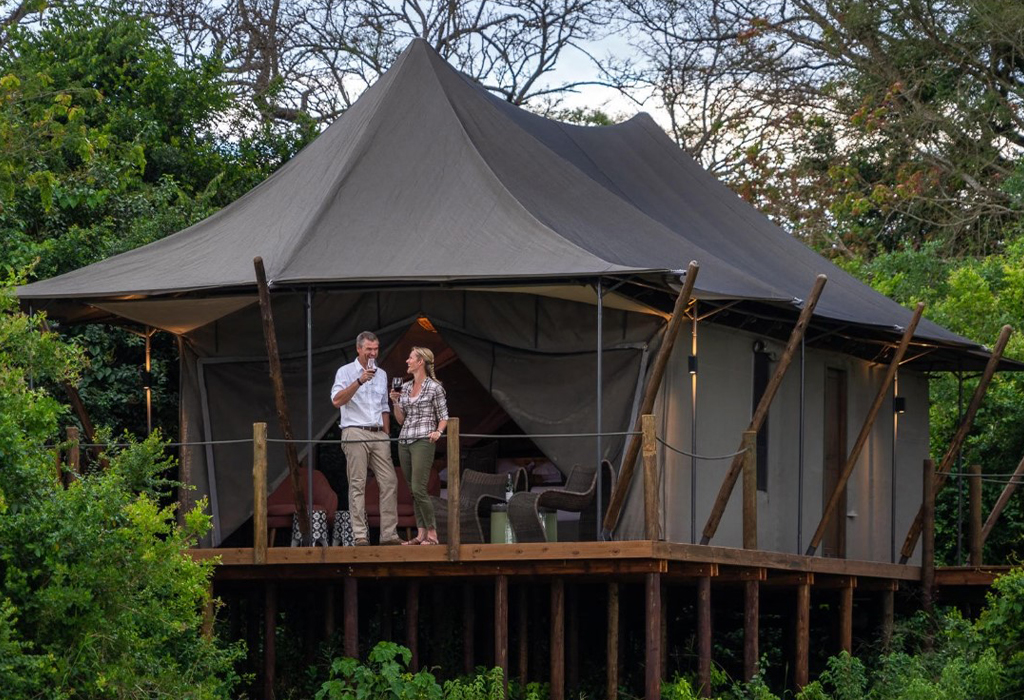
Accommodation options range from basic lodges to mid-range facilities and luxury camps. Lodges often provide meals prepared by professional chefs, laundry services (sometimes at an extra cost), and easy access to safari destinations. Your budget will determine the type of accommodation you choose.
Step 5: Pack Smart for Your Safari
Packing carefully is essential, especially for first-time visitors. Remember that safari vehicles and small charter planes have limited space, so pack only the essentials. Recommended items include:
- Neutral-colored clothing (long sleeves and pants for protection and camouflage)
- Strong hiking boots
- Rain jacket and waterproof backpack
- Camera with extra batteries and memory cards
- Binoculars
- Sunhat and sunscreen
- Toiletries and insect repellent
Lodges provide laundry services, so you don’t need to overpack.
Step 6: Budget and Cost Considerations
Safari costs vary depending on:
- Type of accommodation
- Season of travel
- Number of activities included
- Size of the group
- Tour operator’s pricing
Generally, safaris in Uganda range from $200 to $1000 per person per day, excluding international flights. The cost usually covers park entrance fees, transportation, accommodation, and local guides, while extras like tips, souvenirs, and additional activities are separate.
Step 7: Research Your Safari Destination
Before you go, research the rules and regulations for your chosen destinations. Many parks are in remote areas, so learning a few local phrases can enhance communication, although it’s not mandatory. Understanding dos and don’ts ensures a smooth and respectful experience.
Step 8: Work with a Licensed Local Safari Company
Even for seasoned travelers, booking through a licensed local tour operator is highly recommended. Experiya Tour Company provides:
- Airport pick-up and drop-off
- Transportation between safari destinations
- Accommodation and meals
- Expert local guides who know the best spots for wildlife, birding, and cultural experiences
Local guides ensure a seamless safari, from navigating the parks to managing logistics. They also offer valuable insights that make your safari educational and unforgettable.
Step 9: Get Travel and Medical Insurance
A safari involves a significant investment in flights, accommodation, and activities. Travel insurance is crucial to cover unexpected situations like flight cancellations. Medical insurance is also important, as it ensures access to proper healthcare in case of emergencies.
Conclusion
Planning a safari in Uganda may seem complex, but with the right preparation, it can be a smooth and life-changing experience. From choosing the right destination and season to packing smart and working with a licensed local tour operator like Experiya Tour Company, every step contributes to making your safari unforgettable.
Contact Experiya Tour Company today to plan your perfect wildlife adventure in Uganda, tailored to your preferences, comfort, and sense of adventure.