
What’s the Best Way to Tour Tanzania?
October 23, 2026
Can You Do a Self Drive Safari?
October 23, 2026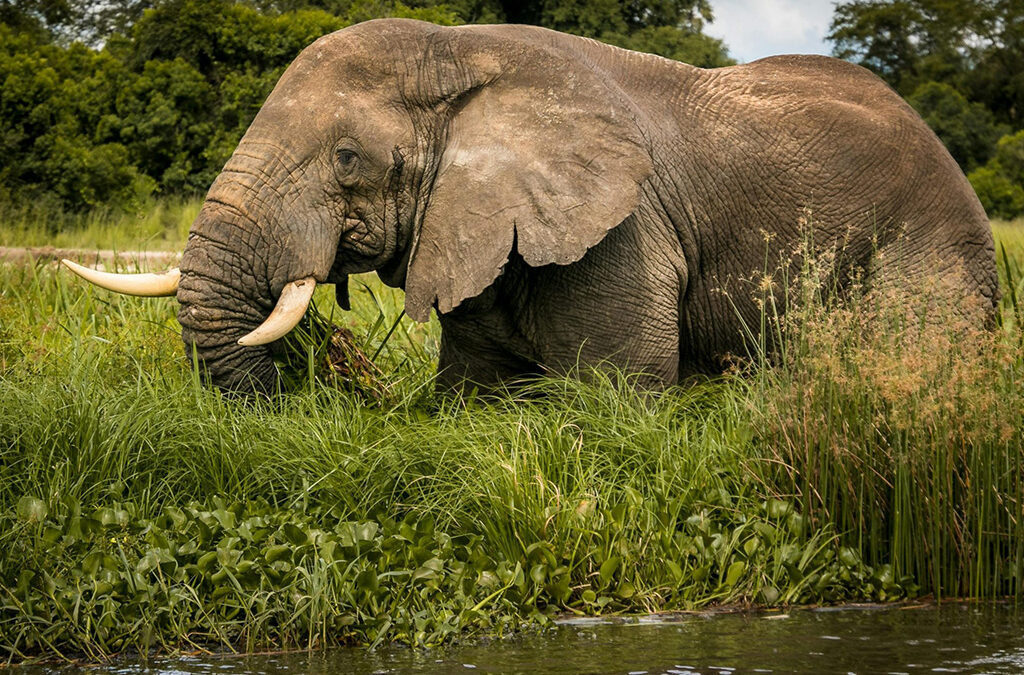
Queen Elizabeth National Park is one of Uganda’s most rewarding safari destinations, offering an incredible combination of wildlife, scenic landscapes, birdlife, and cultural experiences. Located in southwestern Uganda along the western arm of the Great Rift Valley, the park features open savannah plains, tropical forests, volcanic crater lakes, and the famous Kazinga Channel. Whether you are planning your first African safari or returning to explore more of Uganda’s wilderness, there are plenty of memorable things to do in Queen Elizabeth National Park.
At Experiya Tour Company, we recommend combining wildlife viewing with boat cruises, guided nature walks, and cultural encounters to experience the park beyond its famous lions and elephants. From watching hippos along the Kazinga Channel to searching for tree-climbing lions in Ishasha, every activity offers a different perspective on this remarkable landscape.
1. Enjoy a Game Drive in the Kasenyi Plains
A game drive in the Kasenyi Plains is one of the best things to do in Queen Elizabeth National Park, especially if you want to see Uganda’s wildlife in its natural habitat. Located in the northeastern part of the park, these open grasslands provide excellent opportunities to spot lions, elephants, buffaloes, Uganda kob, warthogs, and other savannah animals.
We recommend an early morning game drive, when wildlife often remains active and the soft sunrise light creates excellent photography opportunities. Your guide will help you scan the plains for predators and explain how the animals interact with their environment. Lions sometimes follow Uganda kob herds, making the Kasenyi Plains particularly rewarding for visitors interested in predator-prey behaviour.
Late afternoon game drives also offer beautiful views as elephants and buffaloes move across the grasslands. Although sightings can never be guaranteed, a knowledgeable guide and patient wildlife watching can make the experience especially rewarding.
What to look out for:
- Lions resting in the grass or searching for prey.
- Large herds of elephants and African buffaloes.
- Uganda kob, warthogs, and spotted hyenas.
- Beautiful sunrise and sunset photography opportunities.
2. Take a Kazinga Channel Boat Cruise
The Kazinga Channel boat cruise is one of the most popular safari activities in Queen Elizabeth National Park. This natural waterway connects Lake Edward and Lake George, attracting large concentrations of hippos, elephants, buffaloes, crocodiles, and waterbirds.
During the cruise, you can watch hippos surfacing beside the boat, crocodiles resting along the banks, and elephants approaching the water to drink or cool off. The channel also provides excellent opportunities for birdwatching, with African fish eagles, pied kingfishers, goliath herons, and numerous other waterbirds frequently seen along the shoreline.
Most scheduled cruises last approximately two hours, although the exact duration depends on the operator and conditions. We recommend an afternoon cruise when animals often gather along the water’s edge. Bring binoculars and a camera with a suitable zoom lens to capture wildlife without disturbing it.
For many visitors, this is the perfect way to complement a morning game drive. While the savannah offers opportunities to search for predators, the boat cruise brings you closer to the wildlife that depends on the channel.
3. Search for Tree-Climbing Lions in Ishasha
If you want a distinctive wildlife experience, include the Ishasha sector in your Queen Elizabeth National Park safari. Located in the southern part of the park, Ishasha is famous for its tree-climbing lions, which are sometimes found resting on the broad branches of fig trees.
Seeing a lion stretched across a tree branch is an unforgettable sight. These unusual resting habits have made Ishasha one of Uganda’s most recognisable wildlife destinations, although the lions do not climb trees every day and sightings depend on the conditions during your visit.
As you explore the sector with your guide, you may also encounter elephants, buffaloes, Uganda kob, and topi across the open grasslands. The area’s quiet atmosphere and expansive scenery provide a different experience from the busier game-drive circuits in the Kasenyi Plains.
Ishasha also works well as part of a longer western Uganda safari. Many travellers combine a game drive here with gorilla trekking in nearby Bwindi Impenetrable National Park, creating an exciting itinerary that brings together savannah wildlife and mountain gorillas.
Travel tip: Allow enough time for the Ishasha game drive, particularly if you are travelling between Queen Elizabeth National Park and Bwindi. Your guide can help plan the route according to road conditions and your accommodation arrangements.
4. Go Chimpanzee Tracking in Kyambura Gorge
Kyambura Gorge, often called the Valley of Apes, offers one of the most fascinating forest experiences in Queen Elizabeth National Park. This deep, forested gorge cuts through the surrounding savannah, creating a striking contrast between open grassland and dense tropical vegetation.
With an experienced ranger, you can trek through the forest in search of habituated chimpanzees. Listening for their calls, following signs of their movement, and watching them in the canopy can make the experience particularly exciting. Depending on the day’s sightings, you may also encounter red-tailed monkeys, black-and-white colobus monkeys, and a variety of forest birds.
Chimpanzee tracking involves walking on uneven terrain, sometimes along steep or muddy trails. Comfortable hiking shoes, drinking water, and appropriate clothing will help you enjoy the trek.
Although chimpanzee sightings are not guaranteed, Kyambura Gorge offers a rewarding opportunity to explore a unique ecosystem within the park. Travellers who want a more extensive primate experience can also add Kibale National Park to their Uganda itinerary, subject to permit availability and travel time.
5. Experience Birdwatching in Queen Elizabeth National Park
Birdwatching is another outstanding activity in Queen Elizabeth National Park. With more than 600 bird species recorded in the wider park checklist, the destination attracts both dedicated birders and travellers who simply enjoy seeing colourful birds in the wild.
The park’s varied habitats make birding especially rewarding. Wetlands around the Kazinga Channel, the savannah plains, Maramagambo Forest, Kyambura Gorge, and the surrounding crater lakes each support different bird communities.
During a guided birdwatching excursion, keep an eye out for African fish eagles, malachite kingfishers, goliath herons, pink-backed pelicans, great blue turacos, and black bee-eaters. Specialist birders may also explore suitable wetland habitats around Lake George in search of the elusive shoebill, although sightings are not guaranteed.
Early morning is often the best time to start birdwatching because birds are generally more active and temperatures remain comfortable. A local birding guide can help identify species by their calls, plumage, and behaviour.
Birdwatching highlights include:
- Exploring the wetlands along the Kazinga Channel.
- Searching for forest birds in Maramagambo and Kyambura.
- Photographing waterbirds around suitable lake and papyrus habitats.
- Learning about Uganda’s remarkable bird diversity from a knowledgeable guide.
Whether you are an experienced birder or a first-time visitor, adding birdwatching to your Queen Elizabeth National Park safari offers a deeper appreciation of Uganda’s natural heritage.
6. Explore Maramagambo Forest
Maramagambo Forest provides a refreshing change from the open savannah landscapes of Queen Elizabeth National Park. Located in the park’s southeastern section, this extensive forest features shaded trails, dense vegetation, and habitats that support numerous birds and mammals.
A guided forest walk allows you to explore the forest at a slower pace while learning about its plants, wildlife, and ecological importance. Depending on the location and conditions, you may encounter monkeys, forest birds, and other wildlife. Chimpanzees also inhabit the broader forest environment, although a walk here should not be confused with a guaranteed chimpanzee-tracking experience.
One of the forest’s distinctive attractions is the bat cave area, where visitors can learn about the relationship between bats and other cave-dwelling wildlife. The surrounding ecosystem is also associated with African rock pythons, although sightings are not assured.
Wear comfortable walking shoes and follow your ranger’s instructions throughout the visit. If you enjoy nature, photography, and quieter experiences away from the main game-drive tracks, Maramagambo Forest is well worth including in your itinerary.
7. Discover the Crater Lakes and Scenic Viewpoints
Beyond its wildlife, Queen Elizabeth National Park rewards visitors with spectacular scenery. Volcanic crater lakes, rolling hills, open plains, and distant mountain views create some of the most photogenic landscapes in western Uganda.
A crater lakes drive offers opportunities to stop at scenic viewpoints, take photographs, and appreciate the geological forces that shaped the region. The Bunyaruguru crater-lake area, near the park’s southern side, is particularly appealing for travellers exploring the wider western Uganda circuit.
Each viewpoint offers a different perspective, from tranquil lakes surrounded by green vegetation to broad panoramas of the Rift Valley landscape. These stops also provide a welcome break between game drives and other wildlife activities.
We recommend carrying drinking water, a camera, and sun protection. Your guide can select suitable viewpoints according to your route, available time, and road conditions.
For travellers who enjoy combining wildlife with scenery, the crater lakes are an excellent addition to a Queen Elizabeth National Park itinerary.
8. Experience Local Culture and Community Life
A safari in Queen Elizabeth National Park becomes more meaningful when you take time to learn about the people who live around it. The surrounding communities have strong connections to the land, its wildlife, and the natural resources that support their livelihoods.
Guided cultural visits may introduce you to local fishing communities, traditional crafts, farming practices, and community-led tourism initiatives. You can learn how families earn a living, hear local stories, and discover how conservation affects communities living alongside wildlife.
One particularly interesting destination is Lake Katwe, where local workers have traditionally harvested salt from the lake. A guided visit can explain the salt-production process and its importance to the local economy, while offering insight into the challenges of working in a saline environment.
Community experiences vary by location and availability, so it is best to arrange them in advance through your safari operator. We encourage visitors to support local guides and artisans, ask permission before taking photographs, and purchase locally made crafts when possible.
These encounters offer more than a break from wildlife viewing. They help visitors understand the human stories connected to Queen Elizabeth National Park and the importance of responsible tourism.
Best Time to Visit Queen Elizabeth National Park
Queen Elizabeth National Park welcomes visitors throughout the year, but the best time for your safari depends on your interests, preferred activities, and travel plans.
The drier periods, generally from June to August and December to February, are popular for game drives because some tracks become easier to navigate and animals may gather around dependable water sources. However, wildlife viewing remains possible throughout the year.
The wetter months can bring greener scenery, dramatic skies, and rewarding birdwatching opportunities. On the other hand, heavy rain can make some roads and walking trails muddy, so flexible planning is helpful.
Here is a simple guide to choosing your travel period:
- June to August: A popular period for game drives and combining wildlife viewing with other western Uganda destinations.
- December to February: Often favourable for safari travel, photography, and exploring the park.
- March to May: Greener landscapes and rewarding birding, with a greater likelihood of rain.
- September to November: Another green season that can offer excellent scenery and birdwatching, although conditions vary.
For the best experience, consult Experiya Tour Company when planning your trip. We can help you match your travel dates with the activities you want to enjoy and the destinations you wish to combine.
How Many Days Do You Need in Queen Elizabeth National Park?
We recommend spending at least two to three days in Queen Elizabeth National Park if you want to experience its main highlights without rushing.
A two-day visit can include a game drive in the Kasenyi Plains and a Kazinga Channel boat cruise. With three days, you can add an Ishasha game drive, chimpanzee tracking in Kyambura Gorge, birdwatching, or a scenic crater lakes drive, depending on travel time and activity availability.
If you have more time, consider combining Queen Elizabeth National Park with Kibale National Park for chimpanzee tracking or Bwindi Impenetrable National Park for mountain gorilla trekking. These combinations offer a broader experience of Uganda’s wildlife and landscapes.
Your ideal itinerary will depend on your arrival point, accommodation, budget, and preferred pace of travel. Allowing enough time between destinations makes the safari more enjoyable and leaves room for unexpected wildlife encounters.
Plan Your Queen Elizabeth National Park Safari with Experiya Tour Company
Queen Elizabeth National Park offers an exceptional mix of wildlife, landscapes, birdlife, and cultural experiences. From early morning game drives across the Kasenyi Plains to cruising along the Kazinga Channel, searching for tree-climbing lions in Ishasha, and tracking chimpanzees in Kyambura Gorge, there is something memorable for every nature enthusiast.
The best way to experience the park is to choose activities that match your interests and allow enough time to explore each area. You might focus on big-game viewing, spend more time watching birds, or combine your safari with gorilla trekking and chimpanzee tracking elsewhere in western Uganda.
At Experiya Tour Company, we help travellers plan Uganda safaris around their schedules, interests, and budgets. Whether you want a short wildlife getaway or a longer adventure through Uganda’s national parks, we can help you create an itinerary that makes the most of your visit.
Ready to explore Queen Elizabeth National Park? Contact Experiya Tour Company to plan your Uganda safari and discover the wildlife, scenery, and cultural experiences that make this destination so special.