
Uganda Tourist Visa Requirements 2026: A Complete Guide for Safari Travellers
October 23, 2026
Why Visit Tanzania’s Mahale Mountains?
October 23, 2026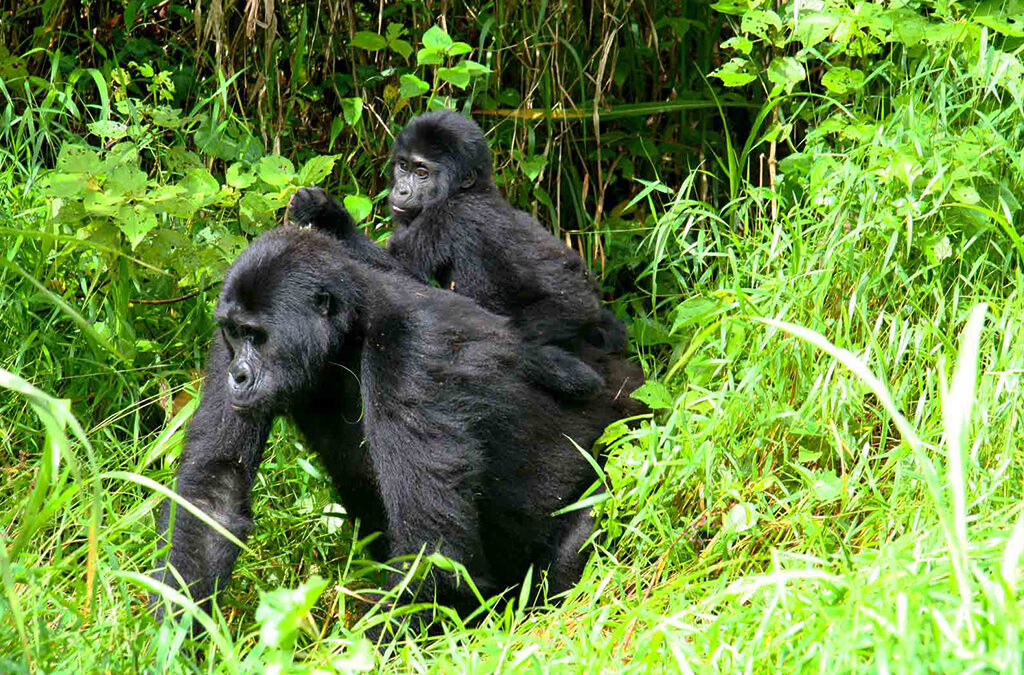
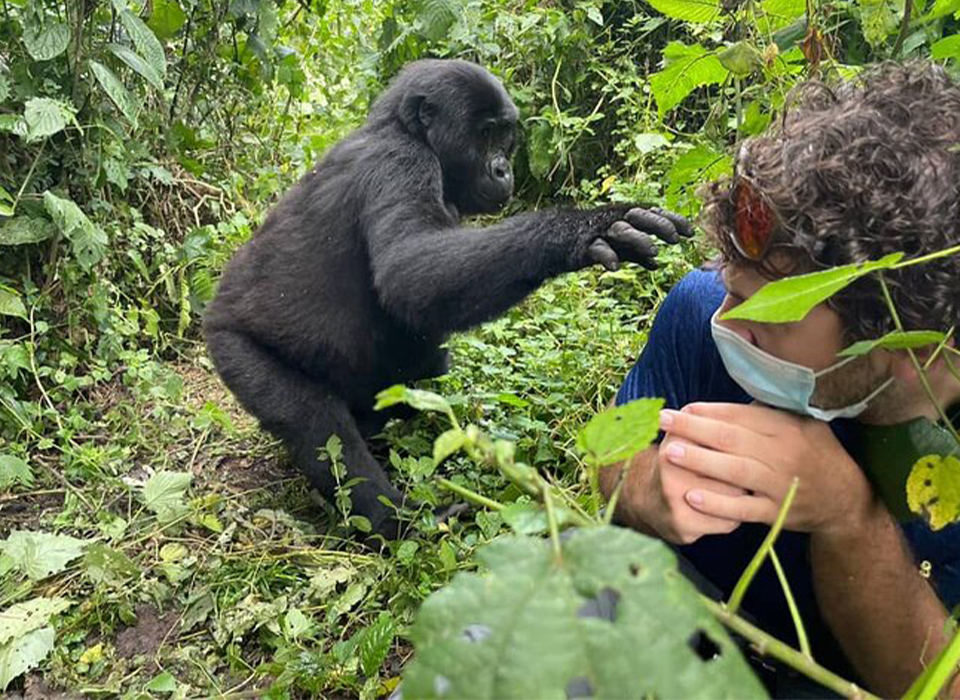
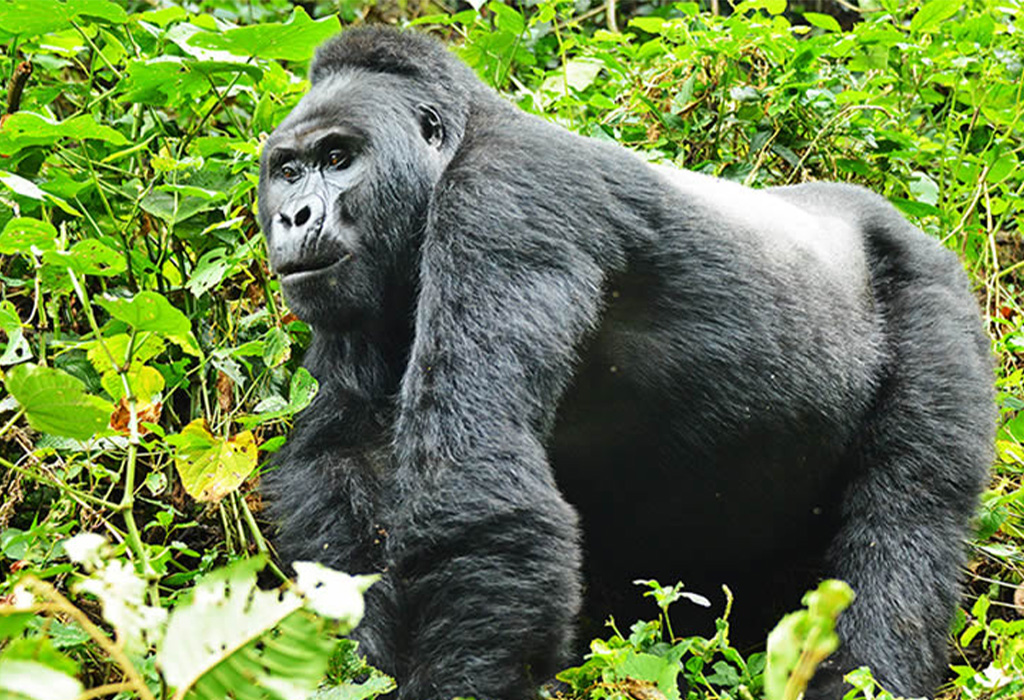
Few wildlife experiences compare to standing just a few metres away from a family of mountain gorillas in their natural habitat. In Rwanda’s mist-covered Virunga Mountains, Volcanoes National Park offers visitors a rare opportunity to observe these remarkable primates in the wild. From watching young gorillas play among the vegetation to seeing a silverback calmly protect his family, every encounter reveals something special about their lives. For many travelers, a Rwanda gorilla trekking safari becomes the highlight of their African adventure and a memory they cherish for years.
However, a successful gorilla safari begins long before you enter the forest. You need to secure your trekking permit, choose suitable accommodation, prepare for the terrain, and pack the right equipment. You should also understand the rules that protect mountain gorillas and the people who visit them. At Experiya Tour Company, we believe good preparation makes the entire journey more comfortable and rewarding. This guide shares practical Rwanda gorilla trekking tips to help you plan confidently, enjoy your time in the forest, and make the most of your visit.
1. Why Choose Rwanda for Gorilla Trekking?
Rwanda has become one of Africa’s leading destinations for mountain gorilla trekking because of its strong conservation efforts, organized tourism services, and convenient access to the gorillas’ habitat. Located in the country’s northwestern region, Volcanoes National Park protects endangered mountain gorillas within a spectacular landscape of volcanic peaks, bamboo forests, and lush mountain vegetation. The park offers guided treks to habituated gorilla families, giving visitors an opportunity to observe their natural behavior while following strict conservation guidelines.
Another advantage is the park’s proximity to Kigali International Airport. Unlike destinations that require lengthy domestic transfers, Rwanda allows travelers to reach the gorilla trekking region by road within a few hours of arriving in the capital. This makes it possible to plan a short gorilla trekking holiday or combine the experience with a longer Rwanda safari. With Experiya Tour Company, you can organize your permits, transport, accommodation, and additional activities into a practical itinerary that suits your travel dates and budget.
2. Choose the Best Time for Gorilla Trekking in Rwanda
Gorilla trekking takes place throughout the year in Volcanoes National Park. Nevertheless, weather conditions can influence trail conditions, visibility, and the overall hiking experience. Understanding Rwanda’s seasons helps you choose travel dates that match your preferences, whether you prioritize easier walking conditions, lush scenery, or a quieter atmosphere.
The relatively drier periods, generally from June to September and December to February, are popular with travelers because the forest trails may be less muddy. These months can make hiking more comfortable, although rain remains possible in the mountains at any time. They also coincide with busy travel periods, so you should reserve your gorilla trekking permit and preferred accommodation well in advance.
The wetter months, usually March to May and October to November, bring greener landscapes and frequent rainfall. Trails may become slippery, and you may need extra time to navigate steep sections. However, the scenery can be especially beautiful, and travelers who pack appropriate waterproof equipment can still enjoy an exceptional trek.
When planning your Rwanda gorilla safari, consider the following:
- June to September: A popular period for trekking, with generally drier conditions.
- December to February: Another relatively dry period that suits many safari itineraries.
- March to May: A wetter season with lush vegetation and potentially challenging trails.
- October to November: Another rainy period when waterproof clothing and sturdy footwear are especially useful.
Ultimately, there is no single perfect time for every traveler. Experiya Tour Company can help you select suitable dates based on your available time, accommodation preferences, and wider East African travel plans.
3. Book Your Rwanda Gorilla Trekking Permit Early
Securing your gorilla trekking permit is one of the most important steps in planning your safari. Rwanda limits the number of visitors who can visit habituated gorilla families each day to protect the animals and minimize disturbance. Consequently, permits can become difficult to obtain during popular travel periods, particularly when visitors book their holidays around school breaks or annual leave.
We recommend arranging your permit as early as possible, especially if you have fixed travel dates or prefer a particular lodge. Your booking should be confirmed before you make non-refundable arrangements that depend on a specific trekking date. Permit availability determines whether your planned trek can proceed, so leaving this step until the last minute can limit your options.
A gorilla trekking permit authorizes you to participate in a guided visit under the park’s established rules. Park staff provide the briefing and ranger guidance required for the experience, and visitors who locate their assigned gorilla family may spend up to one hour observing the gorillas. This limited viewing period helps protect their welfare while allowing guests to witness their behavior in the wild.
Experiya Tour Company can assist with permit arrangements, transport, accommodation, and itinerary coordination. Before confirming your safari, verify the current permit price, payment conditions, availability, and applicable cancellation policies with the relevant authorities or your tour operator.
4. Start Your Rwanda Gorilla Safari in Kigali
For most international visitors, Kigali is the natural starting point for a Rwanda gorilla trekking safari. The capital offers a range of hotels, restaurants, transport services, and cultural attractions, making it a convenient place to recover after an international flight. Depending on your arrival time, you can spend a night in Kigali before traveling to Volcanoes National Park or arrange a direct transfer if your schedule allows.
If you have time to explore, Kigali offers meaningful cultural and historical experiences. You may visit the Kigali Genocide Memorial, browse local craft markets, or sample Rwandan dishes at a local restaurant. These activities provide valuable context for understanding the country’s history and contemporary culture before you continue into the countryside.
The road journey from Kigali to the Volcanoes National Park region typically takes around two to three hours, depending on your starting point, traffic, weather, and final destination. Along the way, you will pass rolling hills, cultivated slopes, and rural communities that reveal why Rwanda is often called the Land of a Thousand Hills. We recommend allowing enough time for the drive, particularly if you have an early-morning trekking briefing the following day.
When organizing your transfer, confirm your pickup location, arrival time, and accommodation arrangements in advance. Experiya Tour Company can coordinate your journey from Kigali to the gorilla trekking region, helping you arrive prepared for the next day’s adventure.
5. Choose the Right Accommodation Near Volcanoes National Park
Your choice of accommodation can significantly influence your Rwanda gorilla trekking experience. The areas around Volcanoes National Park offer luxury lodges, comfortable mid-range properties, and budget-friendly guesthouses. Each category provides different facilities and levels of service, so the best option depends on your budget, preferred comfort level, and overall safari plans.
Luxury lodges may offer spacious rooms, fine dining, personalized service, and impressive views of the surrounding mountains. Mid-range properties provide a balance between comfort and cost, while budget accommodation offers a practical alternative for travelers who want to focus their spending on permits and activities. Regardless of your choice, prioritize cleanliness, reliable service, and convenient access to the park headquarters.
Location is particularly important because gorilla trekking usually begins early in the morning. Staying within a convenient distance of the briefing point helps reduce transfer time and makes it easier to prepare for the trek. You should also check whether meals, drinking water, laundry, and transport are included in your accommodation rate.
Before booking, consider these factors:
- Distance: Choose a property that allows convenient access to the park headquarters.
- Budget: Compare the total cost, including meals, transfers, and any additional services.
- Comfort: Look for suitable bedding, hot water, heating where available, and reliable facilities.
- Meals: Confirm whether breakfast and packed lunch arrangements are available for trekking day.
- Booking conditions: Check cancellation policies and availability for your travel dates.
Experiya Tour Company can help you select accommodation that matches your budget and itinerary, whether you are planning a short gorilla trekking trip or a longer Rwanda wildlife and cultural safari.
6. Prepare Physically for Your Gorilla Trek
One of the most common questions travelers ask is how difficult gorilla trekking in Rwanda can be. The answer depends largely on where the assigned gorilla family is located, the weather, and the condition of the trails on the day. Some treks involve a relatively short walk, while others require several hours of hiking through dense vegetation, steep slopes, and muddy terrain.
You do not necessarily need to be an experienced mountaineer, but a reasonable level of fitness can make the experience more enjoyable. In the weeks leading up to your safari, build your stamina through regular walking, hill climbing, hiking, or other cardiovascular exercise. If possible, practice walking on uneven ground while wearing the footwear you intend to use during your trek.
It is equally important to prepare mentally for changing conditions. You may encounter slippery paths, thick vegetation, unexpected rain, and periods of strenuous uphill walking. Take your time, follow your guide’s instructions, and communicate if you need a short rest. Rangers and guides help manage the trek safely, but the duration and difficulty cannot be guaranteed in advance.
If you have mobility concerns or feel uncertain about the physical demands, discuss your needs with your tour operator before booking. You can ask about available assistance and whether any suitable arrangements are possible. Planning ahead helps you make informed decisions and approach your gorilla trekking adventure with greater confidence.
7. What to Pack for Gorilla Trekking in Rwanda
Packing the right equipment is essential for comfort and safety in Volcanoes National Park. The weather in the Virunga Mountains can change quickly, and the forest environment may expose you to rain, mud, insects, and thorny vegetation. Even during the drier months, you should prepare for damp trails and cool conditions, particularly in the early morning.
Start with sturdy, waterproof hiking boots that provide good grip and ankle support. Wear long trousers and a long-sleeved shirt to protect your skin from stinging nettles, scratches, and insects. A lightweight waterproof jacket is also important because showers can occur without warning. Layering your clothing allows you to adjust to changing temperatures during the hike.
A small backpack helps you carry your personal essentials without making the walk unnecessarily difficult. Bring enough drinking water, suitable snacks, and any personal medication you may need. Gardening gloves can also be useful when you need to hold vegetation for balance, although you should always follow your guide’s advice and avoid damaging plants.
Your Rwanda gorilla trekking packing list should include:
- Waterproof hiking boots with good traction.
- Long trousers and a long-sleeved shirt.
- A lightweight waterproof jacket.
- Gardening gloves for additional hand protection.
- A small backpack and reusable water bottle.
- Snacks, sunscreen, and insect repellent.
- A camera or phone with sufficient battery power.
- Spare socks and a small personal first-aid kit.
Keep your equipment practical and lightweight. Avoid carrying unnecessary valuables, and use a waterproof bag or cover to protect electronic devices from rain. With the right preparation, you can concentrate on the forest, your guide’s instructions, and the extraordinary experience of seeing mountain gorillas in their natural habitat.
8. Hire a Local Porter for Extra Support
Hiring a local porter is one of the most useful options to consider when you arrive at the park headquarters. Porters can carry your backpack and provide practical assistance on challenging sections of the trail, depending on the terrain and the support you need. Their help can reduce physical strain and allow you to concentrate on walking safely and enjoying the trek.
Even travelers who are reasonably fit may appreciate having someone carry their water, snacks, camera equipment, and other supplies. During steep or slippery sections, a porter may also offer a helping hand when appropriate. However, you should still wear suitable footwear, move carefully, and follow the instructions of your ranger and guide.
Hiring a porter also provides a direct economic benefit to people living around the park. Tourism creates employment opportunities for local residents and supports households that depend on conservation-related activities. In some cases, former poachers have moved into legal tourism work, although individual backgrounds vary.
If you would like to hire a porter, ask about the available service and the current fee at the park headquarters. Carry some local currency if needed, and clarify the arrangements before the trek begins. This small investment can improve your comfort while helping local communities benefit from responsible tourism.
9. Follow Gorilla Trekking Rules and Etiquette
Mountain gorillas are endangered wild animals, and responsible tourism plays an important role in protecting them. Because humans can transmit respiratory and other infectious diseases to gorillas, park authorities enforce strict rules designed to minimize health risks and disturbance. Following these guidelines protects the gorillas while helping ensure that visitors can continue to enjoy this remarkable experience.
Before entering the forest, your ranger will explain the rules and safety procedures. Listen carefully and follow instructions throughout the trek, particularly when approaching the gorilla family. Maintain the required distance, avoid sudden movements, keep your voice low, and never attempt to touch or feed the animals. Flash photography is prohibited, so turn off your camera’s flash before taking pictures.
If you feel unwell before your trek, inform your tour operator or park staff. Visitors with symptoms of an infectious illness may be restricted from participating to protect the gorillas. You should also follow instructions about coughing, sneezing, waste disposal, and any other health precautions provided during the briefing.
Remember these essential guidelines:
- Maintain the minimum distance required by park authorities.
- Keep noise to a minimum and avoid sudden movements.
- Never touch, feed, chase, or surround a gorilla.
- Do not use flash photography.
- Follow your ranger’s instructions at all times.
- Avoid littering and respect the forest environment.
- Inform park staff if you feel unwell.
Responsible behavior helps preserve the health and natural behavior of mountain gorillas. By respecting these rules, you contribute to conservation while enjoying a more meaningful encounter with one of Africa’s most extraordinary wildlife species.
10. Manage Your Expectations During the Trek
Every gorilla trekking experience is different because mountain gorillas move freely through their natural habitat. Although trackers help locate the habituated families before visitors approach them, the distance you walk and the time required to reach the gorillas can vary considerably. You might reach your assigned family relatively quickly, or you may need to hike for several hours through challenging terrain.
For this reason, avoid planning other demanding activities immediately after your trek. Give yourself enough time to return to the lodge, enjoy a meal, and rest. It is also wise to keep your schedule flexible in case weather or trail conditions affect the day’s arrangements.
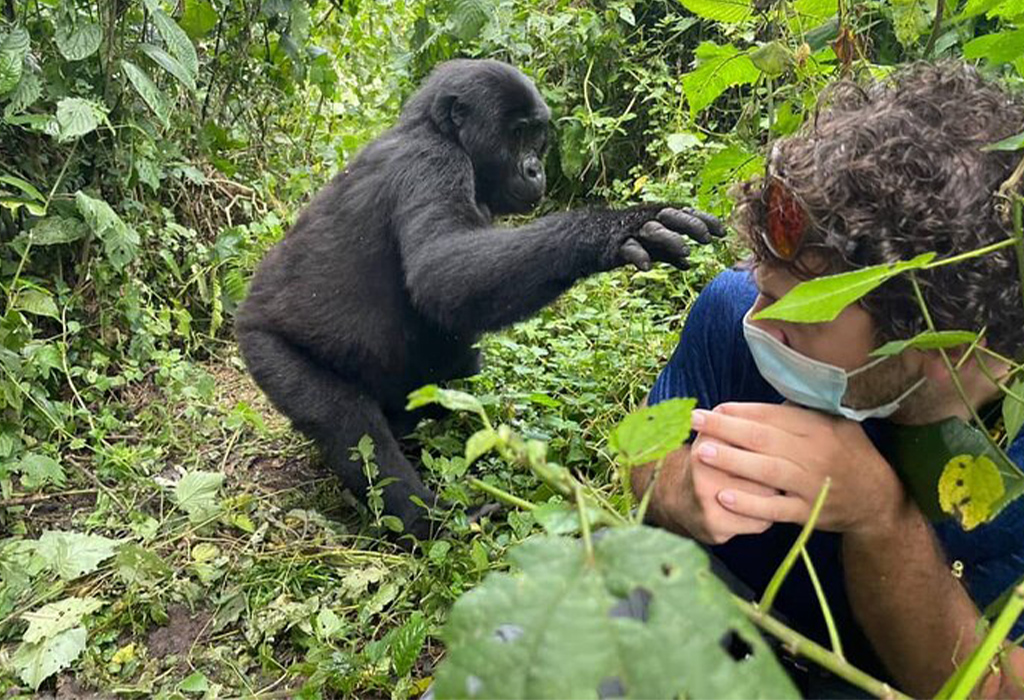
Once you find the gorillas, take time to appreciate their behavior rather than concentrating entirely on photography. You may see adults feeding, juveniles playing, mothers caring for their young, or a silverback monitoring the group. Each moment is different, and the experience often feels more rewarding when you observe quietly and follow the guidance of your ranger.
Bring patience, a positive attitude, and realistic expectations. Gorilla trekking is not a staged wildlife encounter; it is an opportunity to enter a protected forest and observe wild animals under carefully managed conditions. That unpredictability is part of what makes the experience so special.
11. Explore More of Rwanda Beyond Gorilla Trekking
Although gorilla trekking is often the main reason people visit Rwanda, the country offers many other experiences worth adding to your itinerary. Spending a few extra days allows you to discover different landscapes, learn about local culture, and enjoy a more complete Rwanda safari. Depending on your interests and available time, you can combine Volcanoes National Park with forest excursions, lakeside relaxation, or cultural visits.
Nature lovers may choose to visit Nyungwe National Park, a major rainforest destination known for chimpanzee tracking, other primates, birdwatching, and its famous canopy walkway. Because Nyungwe lies a considerable distance from Volcanoes National Park, you should allow enough time for the road journey when combining the two destinations.
Lake Kivu offers a more relaxed atmosphere, with scenic shorelines, lakeside communities, and opportunities for boat trips and relaxation. Meanwhile, Kigali provides historical and cultural attractions that help visitors understand Rwanda’s past and present. Local experiences can include craft shopping, food tours, and visits to selected cultural sites.
You could extend your itinerary with:
- Kigali: Explore the city’s historical landmarks, markets, and food scene.
- Nyungwe National Park: Enjoy forest walks, chimpanzee tracking, and canopy views.
- Lake Kivu: Relax by the lake and discover nearby communities.
- Cultural experiences: Learn about Rwandan traditions, crafts, and everyday life.
Experiya Tour Company can help you combine these destinations into a practical itinerary based on your travel dates, interests, and budget. If you are planning a wider East African adventure, you may also consider combining Rwanda gorilla trekking with selected wildlife destinations in Uganda, subject to border arrangements and permit availability.
12. Support Mountain Gorilla Conservation Through Responsible Tourism
Gorilla trekking is more than a wildlife activity; it is also part of a wider conservation and community-development effort. Tourism revenue helps support the protection of mountain gorilla habitats, park management, anti-poaching activities, and community initiatives. These efforts contribute to the long-term survival of a species that faces ongoing threats from habitat pressure, disease, and other human-related challenges.
When you purchase a gorilla trekking permit, you participate in a carefully managed tourism system that helps fund conservation. Your spending on local accommodation, guides, transport, food, and porter services can also support businesses and households around the park. Choosing responsible operators and respecting park rules strengthens these benefits.
You can make your visit more sustainable by reducing waste, avoiding single-use plastics where practical, respecting local customs, and supporting legitimate community businesses. Follow your guide’s instructions, stay on designated routes where directed, and never disturb wildlife for photographs.
Responsible travel does not require complicated measures. Small decisions, made consistently, help protect the destination and improve the benefits tourism brings to local communities. By planning thoughtfully and traveling respectfully, you can enjoy an unforgettable gorilla encounter while contributing to the conservation of Rwanda’s natural heritage.
13. Why Book Your Rwanda Gorilla Safari with Experiya Tour Company?
Planning a gorilla safari involves several moving parts, including permits, accommodation, transport, park schedules, and activities. Coordinating these details independently can take time, especially if you are visiting Rwanda for the first time or combining several destinations. Working with an experienced safari operator can simplify the process and help you create an itinerary that suits your needs.
At Experiya Tour Company, we focus on helping travelers plan practical, personalized safaris in Rwanda and across East Africa. We can assist with organizing gorilla permit arrangements, selecting accommodation, coordinating ground transport, and planning additional experiences around your trekking date. We also help travelers consider journey times and the logistics of connecting different destinations.
Whether you have time for a short gorilla trekking trip or want to explore Rwanda’s forests, lakes, and cultural attractions, a well-organized itinerary makes a difference. We encourage travelers to share their preferred travel dates, budget, accommodation level, and interests before finalizing their plans. This allows the itinerary to reflect your priorities while accounting for permit availability and realistic travel times.
Our goal is to help you prepare confidently, enjoy the journey, and make meaningful memories while respecting the wildlife and communities that make Rwanda special. Contact Experiya Tour Company to discuss your Rwanda gorilla trekking plans and start organizing your safari.
Frequently Asked Questions About Rwanda Gorilla Trekking
1. How difficult is gorilla trekking in Rwanda?
Gorilla trekking can range from moderately challenging to strenuous, depending on the location of the assigned gorilla family, weather conditions, and trail terrain. Some hikes are relatively short, while others require several hours of walking through steep, muddy, or densely vegetated forest. Regular walking and hiking before your trip can help you prepare.
2. How long can I spend with mountain gorillas?
Visitors are generally allowed one hour with the gorilla family once the group has located it, subject to the park’s rules and the ranger’s instructions. This limited viewing period helps minimize disturbance and supports responsible wildlife tourism.
3. What is the minimum age for gorilla trekking in Rwanda?
The minimum age for gorilla trekking in Rwanda is generally 15 years. If you are traveling with children, confirm the current requirements with the relevant park authorities or your tour operator before booking.
4. Can I take photographs during gorilla trekking?
Yes. You may take photographs, but flash photography is prohibited. Keep your camera ready before approaching the gorillas, follow your ranger’s instructions, and avoid movements that could disturb the animals.
5. How far is Volcanoes National Park from Kigali?
The journey from Kigali to the Volcanoes National Park region usually takes approximately two to three hours by road. Actual travel time depends on traffic, weather, your pickup location, and where you are staying near the park.
6. Is Rwanda safe for gorilla trekking?
Rwanda is an established destination for guided wildlife tourism, and gorilla treks operate under park regulations with trained rangers and guides. However, travelers should follow current travel advisories, respect local laws, and obey all safety instructions provided by their tour operator and park staff.
7. What should I wear for gorilla trekking in Rwanda?
Wear sturdy hiking boots, long trousers, a long-sleeved shirt, and a waterproof jacket. Gardening gloves can help protect your hands, while a small backpack allows you to carry water, snacks, and personal essentials. Dress for changing mountain weather and potentially muddy trails.
8. How far in advance should I book a gorilla trekking permit?
Book as early as possible, particularly if you plan to travel during popular holiday periods or have fixed dates. Permit availability is limited, so confirming your permit before making non-refundable travel arrangements is a sensible approach.
9. Can I combine gorilla trekking with other Rwanda safari experiences?
Yes. Depending on the length of your stay, you can combine gorilla trekking with visits to Kigali, Nyungwe National Park, Lake Kivu, and selected cultural attractions. Allow enough time for transfers between destinations so your itinerary does not become unnecessarily rushed.
10. Is hiring a porter necessary for gorilla trekking?
Hiring a porter is optional, but it can be helpful. Porters carry your backpack and may assist you on difficult sections of the trail. Their services also provide income for local community members.
Plan Your Rwanda Gorilla Trekking Safari
A Rwanda gorilla trekking safari offers much more than a chance to see mountain gorillas. It brings you into a remarkable mountain environment where wildlife conservation, local communities, and responsible tourism come together. With the right permit, suitable accommodation, practical clothing, and realistic expectations, you can approach your trek with confidence and appreciate every moment in the forest.
Start planning early, prepare for changing trail conditions, and leave room in your itinerary to discover more of Rwanda. Contact Experiya Tour Company to organize your gorilla trekking permit arrangements, accommodation, transport, and a personalized safari tailored to your travel plans.