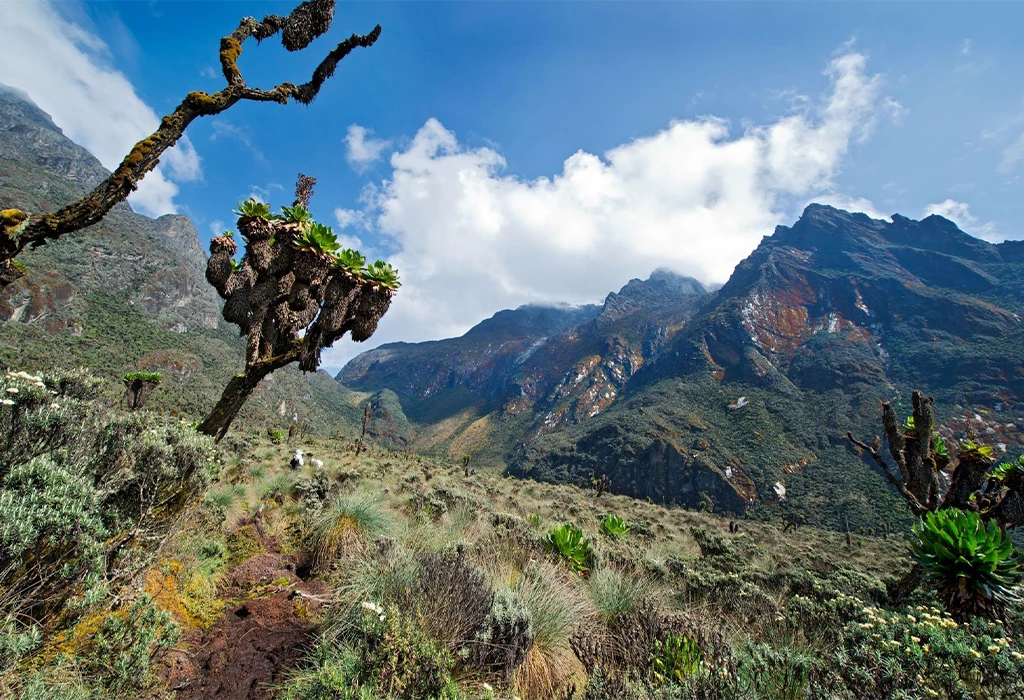
Discovering the Beauty of the Rwenzori Mountains
May 29, 2026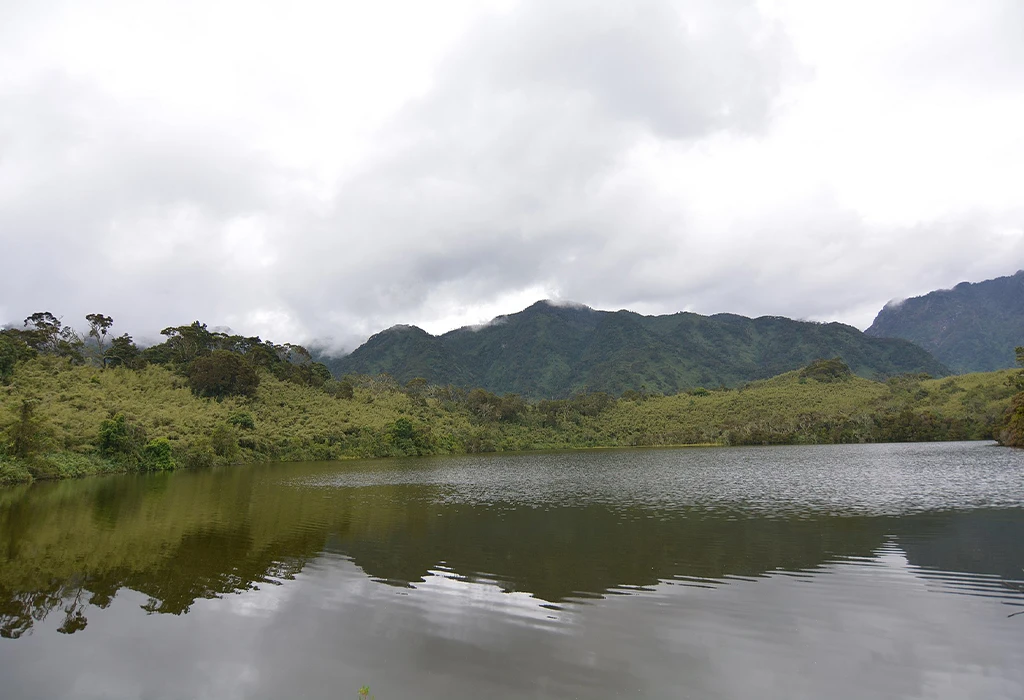
Lake Mahoma – Discovering the Hidden Beauty of the Rwenzori Mountain
May 29, 2026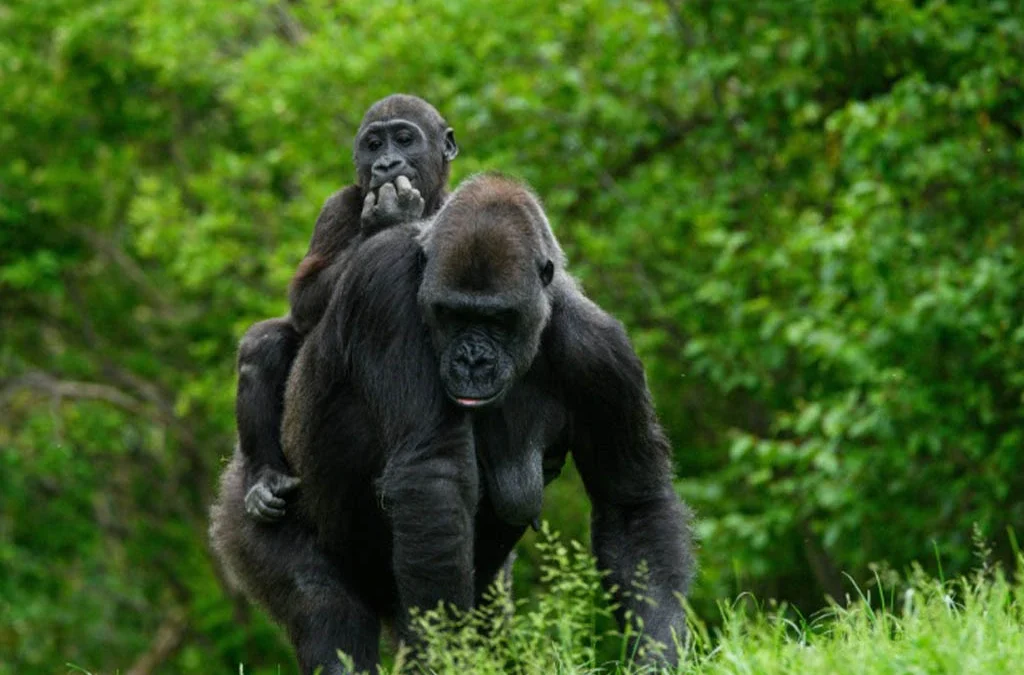
Deep within the mist-covered forests of Uganda, mountain gorillas live in close-knit family groups guided by a remarkable leader known as the silverback. These powerful primates are more than just dominant males; they are protectors, decision-makers, caregivers, and the foundation of gorilla society. Every movement within the group often revolves around the silverback’s leadership and experience.
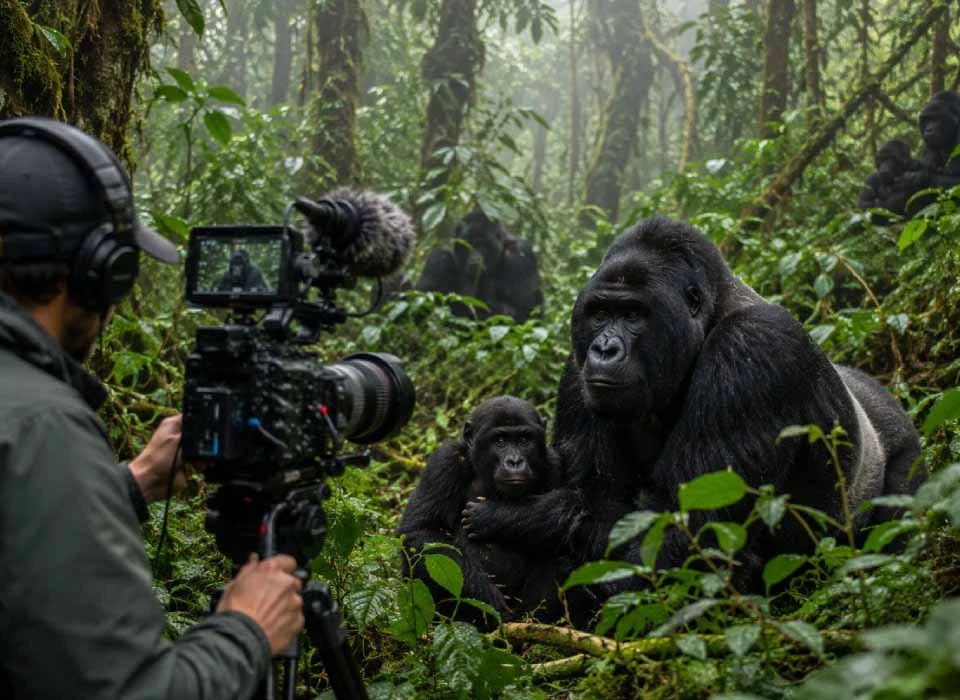
For travelers visiting Bwindi Impenetrable National Park or Mgahinga Gorilla National Park with Experiya Tour Company, observing a silverback in the wild becomes one of the most unforgettable wildlife encounters in Africa. Watching him calmly lead his family through the forest reveals a side of gorillas that is both deeply emotional and incredibly intelligent.
Understanding the Silverback Gorilla
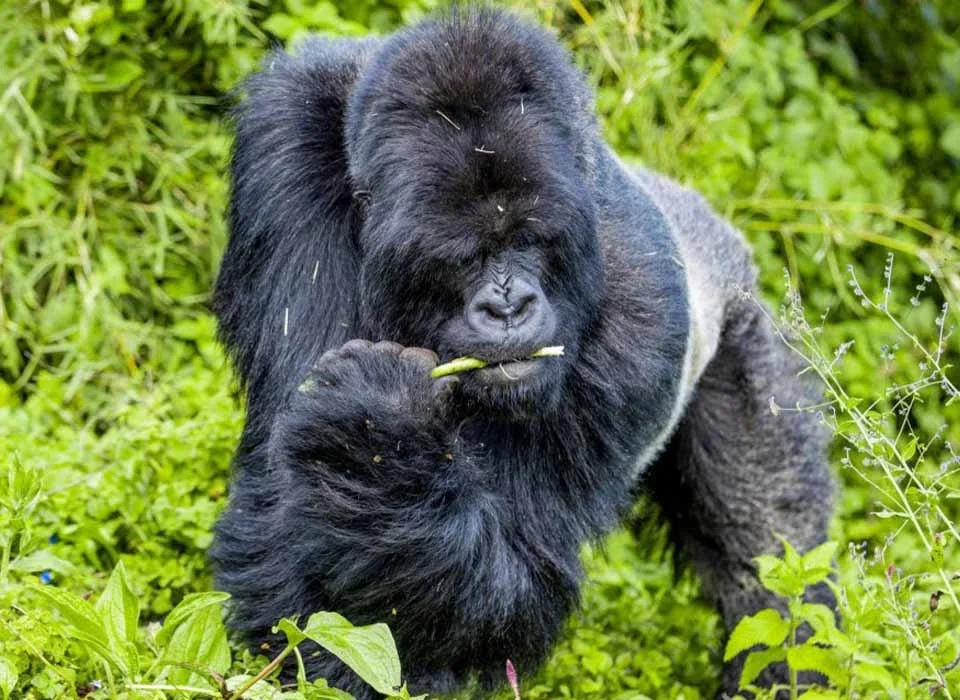
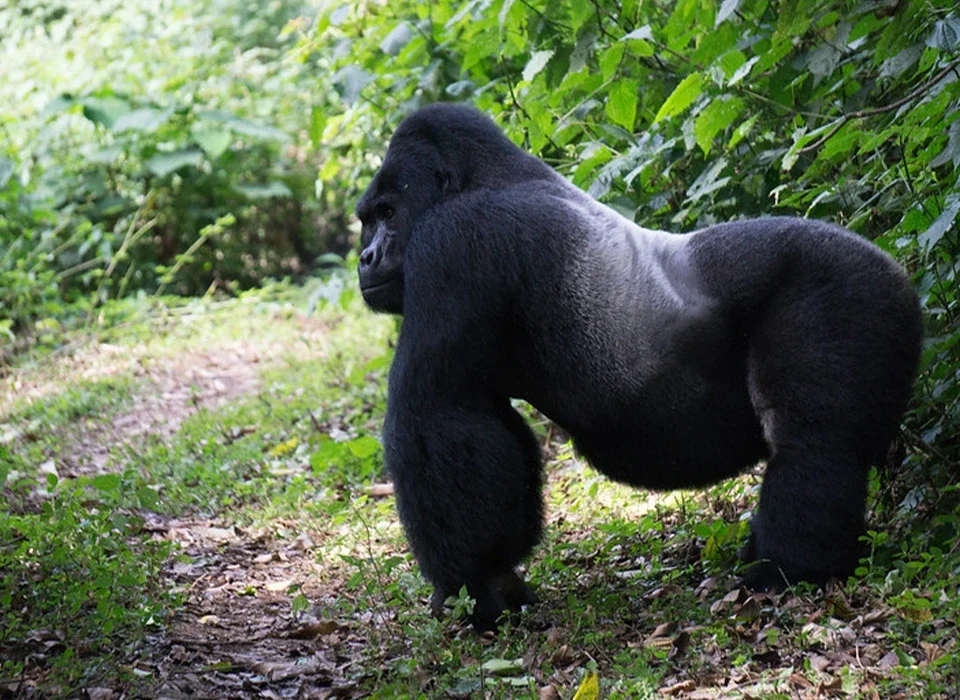
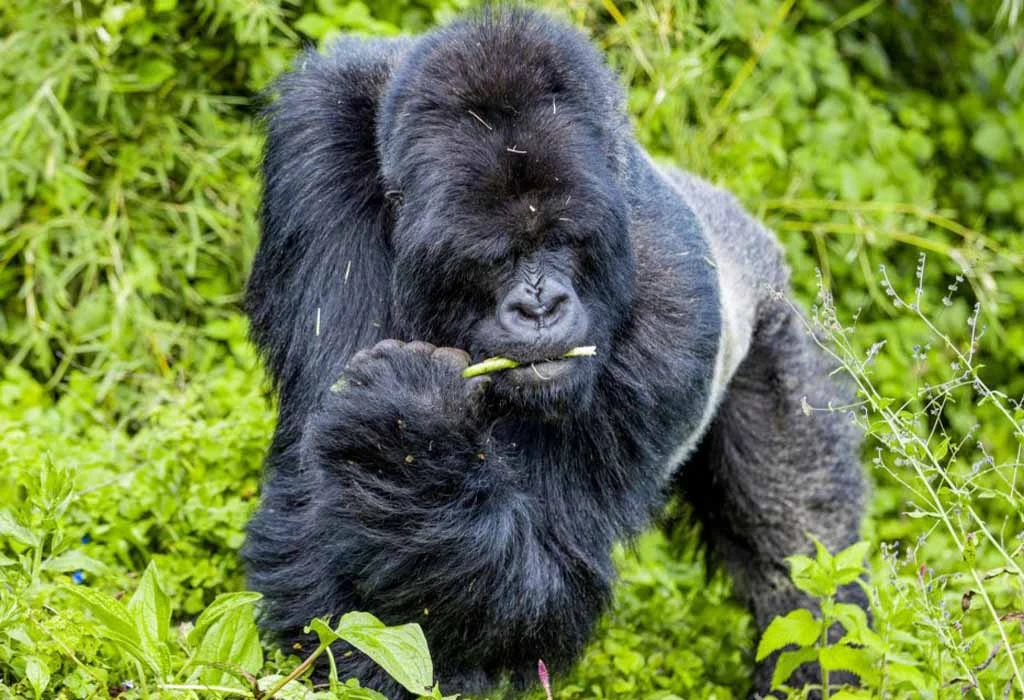
A silverback is an adult male gorilla that develops a striking patch of silver hair across his back as he matures, usually at around 12 years of age. This silver coloration marks his transition into adulthood and symbolizes his readiness to lead a gorilla family.
Unlike younger males, known as blackbacks, a silverback carries the responsibility of guiding and protecting the entire troop. Gorilla groups typically consist of several females, infants, juveniles, and occasionally subordinate males. At the center of this social structure stands the silverback, whose leadership ensures the group’s survival.
His size alone commands attention. Adult silverbacks can weigh over 180 kilograms and possess immense physical strength. However, their leadership depends on more than power. Experience, intelligence, calmness, and the ability to maintain harmony within the group all contribute to a successful silverback’s authority.
Leadership and Decision-Making in the Gorilla Family
The silverback acts as the undisputed leader of the gorilla troop. Every day, he decides where the group travels, where they feed, and where they rest for the night. His knowledge of the forest helps the family locate food sources, avoid danger, and move safely through dense vegetation.
As the troop travels through Uganda’s rainforests, the silverback usually walks ahead or stays close to the center of the group, carefully monitoring every member. He constantly observes his surroundings and reacts quickly to unfamiliar sounds or movements.
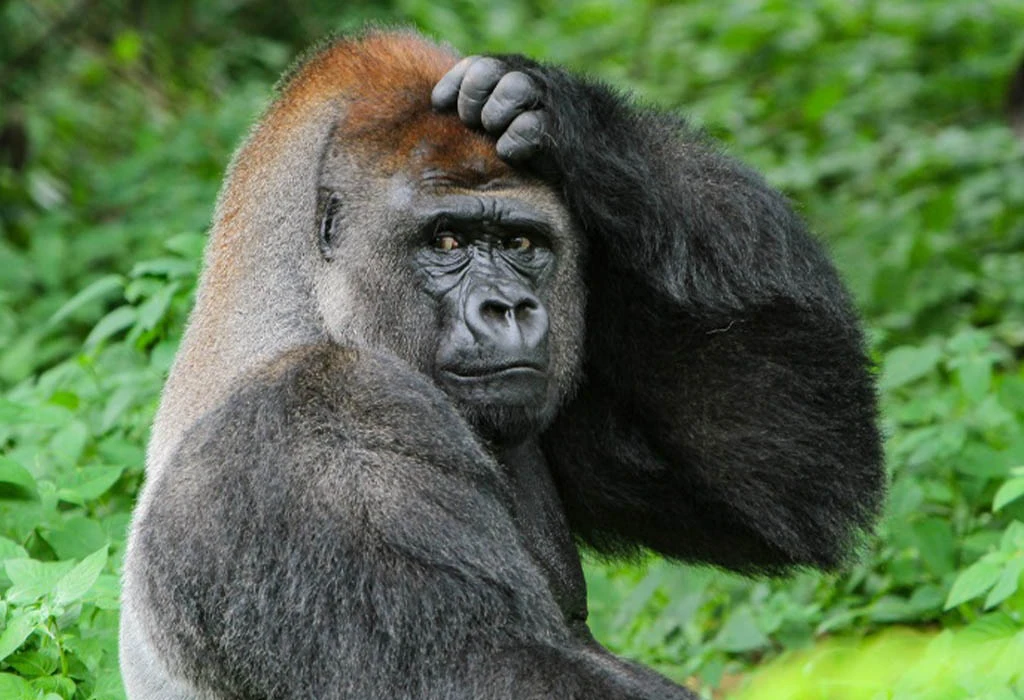
Moreover, the silverback maintains discipline within the troop. Gorillas are social animals, and disagreements occasionally arise between younger members or competing females. When tensions increase, the silverback intervenes calmly using vocal sounds, facial expressions, or body posture to restore peace. In most cases, his presence alone settles disputes before they escalate.
Visitors on gorilla trekking safaris with Experiya Tour Company often notice how other gorillas naturally follow the silverback’s lead. Even playful young gorillas pause and respond immediately when the dominant male signals movement or caution.
The Silverback as the Protector of the Group
One of the silverback’s most important responsibilities involves protecting the troop from danger. Although mountain gorillas are generally peaceful animals, they still face threats in the wild. Rival gorilla groups, predators, human activity, and environmental pressures can all create risks for the family.
When danger approaches, the silverback positions himself between the threat and the rest of the troop. He uses powerful displays to intimidate enemies and avoid physical confrontation whenever possible. These displays may include loud roars, chest beating, charging, tearing vegetation, or standing upright to appear larger.
The famous chest-beating behavior serves several purposes. While it may appear aggressive, it often functions as a warning signal meant to prevent conflict rather than start it. The sound can travel long distances through the forest, alerting rivals and demonstrating the silverback’s strength.
Despite their enormous power, silverbacks rarely engage in unnecessary violence. They prefer to protect their families through intimidation and controlled behavior. However, when conflict becomes unavoidable, they fight fiercely to defend the group.
For many travelers, witnessing the protective instincts of a silverback during a gorilla trek becomes a deeply moving experience. The way he carefully watches over infants and remains alert to potential threats highlights the strong family bonds that exist within gorilla society.
A Gentle Giant and Caregiver
Although silverbacks appear intimidating, they also display surprisingly gentle and nurturing behavior. They build strong emotional connections with members of their troop and often show affection toward infants and younger gorillas.
Young gorillas frequently climb over the silverback, pull at his fur, or play around him while he patiently tolerates their behavior. In many cases, he even participates in playful interactions, rolling on the ground or gently engaging with curious juveniles.
The silverback also comforts distressed members of the group. Through soft vocalizations, grooming, or physical contact, he reassures nervous individuals and strengthens social bonds within the troop.
Researchers and guides in Uganda have repeatedly observed silverbacks displaying behaviors that resemble empathy and emotional intelligence. They care deeply about the safety and well-being of their families, demonstrating that gorillas possess complex social relationships much like humans.
Travelers who trek gorillas with Experiya Tour Company often leave the forest with a newfound respect for these remarkable animals. Seeing the softer side of a silverback changes many perceptions about gorillas and highlights their emotional depth.
The Role of the Silverback in Reproduction
The silverback also plays a central role in the continuation of the gorilla family. As the dominant male, he mates with the adult females in the group and fathers most of the offspring within the troop.
Female gorillas usually prefer experienced silverbacks because strong leadership increases the survival chances of their infants. A capable silverback provides security, stability, and protection from rival males that may threaten young gorillas.
Infanticide occasionally occurs in gorilla society when rival males attempt to take over a troop. Therefore, the silverback’s ability to defend the group directly affects the survival of the next generation.
In addition to protecting infants, silverbacks often develop close relationships with young gorillas. They remain patient around playful juveniles and monitor them carefully during travel and feeding. This paternal behavior strengthens the unity of the troop and creates a stable social environment.

What Happens When a Silverback Dies?
The death of a silverback can create significant instability within a gorilla group. Since the silverback serves as the family’s leader and protector, his absence leaves the troop vulnerable and uncertain.
Sometimes, a younger subordinate male rises to take leadership. If he possesses enough strength and maturity, the group may remain together under his guidance. However, if no suitable successor exists, females and juveniles often separate and join neighboring groups led by other silverbacks.
This transition period can become stressful for the gorillas, especially for infants and younger members. Rival males may attempt to take over the group, increasing tension within the forest.
Conservation teams and researchers in Uganda closely monitor gorilla families during such transitions. Thanks to long-term conservation efforts, mountain gorilla populations continue to grow steadily despite these natural challenges.
Gorilla Conservation and the Importance of Responsible Tourism
Mountain gorillas remain one of the world’s most endangered primates. Habitat destruction, poaching, disease transmission, and human encroachment continue to threaten their survival. However, conservation programs across Uganda have achieved remarkable progress over the years.
Responsible tourism has played a major role in protecting gorillas and their habitats. Revenue from gorilla trekking permits directly supports park management, anti-poaching patrols, veterinary care, research, and community development projects.
Furthermore, local communities benefit from tourism through employment opportunities, infrastructure development, and conservation education. As a result, many communities now actively participate in protecting gorillas and preserving the forests they depend on.
Experiya Tour Company strongly supports sustainable tourism practices that prioritize wildlife conservation and community empowerment. By organizing ethical gorilla trekking experiences, the company helps ensure that future generations can continue to encounter these extraordinary primates in the wild.
Why Trek Gorillas with Experiya Tour Company?
Experiya Tour Company offers travelers an authentic and responsible gorilla trekking experience in Uganda. From securing permits to arranging accommodations and transportation, the company carefully handles every detail to ensure a smooth and memorable journey.
Experienced guides accompany visitors throughout the trek, sharing valuable insights about gorilla behavior, forest ecology, and conservation efforts. Their local knowledge enhances the overall safari experience while helping travelers appreciate the deeper significance of gorilla protection.
Additionally, Experiya Tour Company promotes eco-friendly tourism practices that minimize environmental impact and respect wildlife habitats. The company also works closely with local communities, supporting initiatives that improve livelihoods while encouraging conservation awareness.
Whether travelers seek luxury safari experiences or adventurous forest expeditions, Experiya Tour Company creates personalized itineraries that connect guests with the natural beauty of Uganda.
A Symbol of Strength and Survival
The silverback remains the heart of every gorilla family. Through leadership, protection, guidance, and care, he holds the troop together and ensures its survival within the challenging rainforest environment.
Observing a silverback in the wild offers more than a wildlife encounter; it provides a rare glimpse into the emotional and social lives of one of humanity’s closest relatives. His calm authority, protective instincts, and gentle interactions reveal the extraordinary complexity of gorilla society.
For anyone planning a gorilla trekking adventure in Uganda, witnessing the role of a silverback firsthand becomes a life-changing experience. With Experiya Tour Company, travelers not only explore the breathtaking forests of Bwindi and Mgahinga but also contribute to the continued protection of these magnificent creatures and their fragile habitats.