
How safe is Uganda For Solo Tourists?
October 13, 2026
Rescheduling a Gorilla Permit in Uganda
October 13, 2026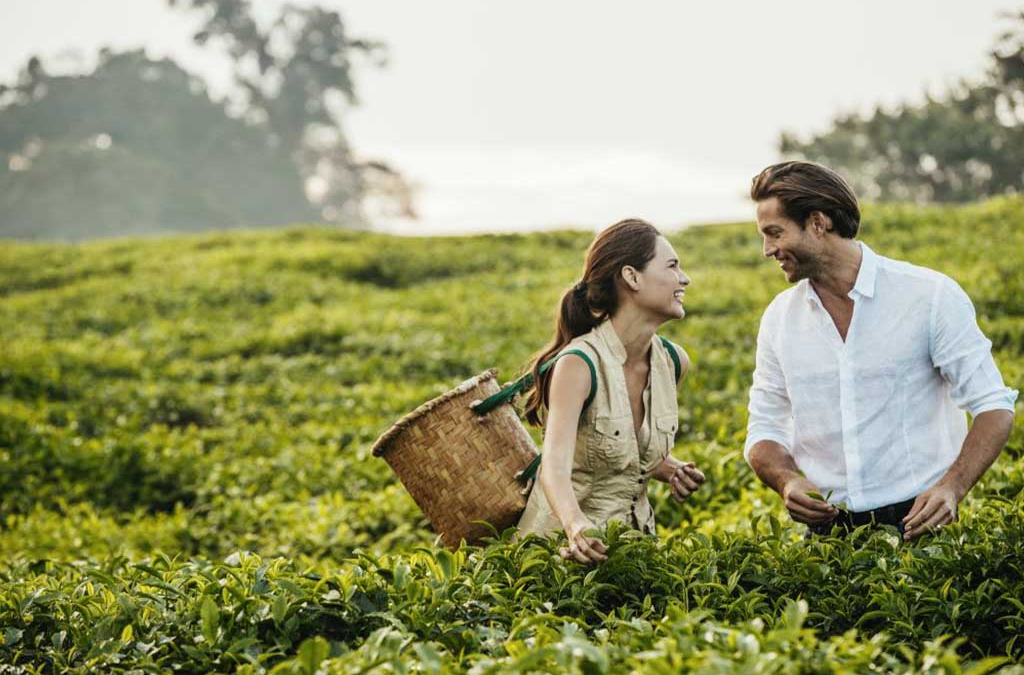
A tea plantation tour near Nyungwe National Park offers a refreshing way to discover Rwanda beyond its famous wildlife and rainforest adventures. Imagine walking between rolling hills covered in vibrant green tea bushes, learning how farmers cultivate and harvest tea, and discovering the journey from fresh leaves to the cup you enjoy. Near Nyungwe, the tea-growing landscapes around Gisakura provide an opportunity to explore this important part of Rwanda’s agricultural heritage.
Many travelers visit Nyungwe National Park for chimpanzee trekking, forest hiking, birdwatching, and the spectacular canopy walkway. However, the surrounding countryside offers another rewarding experience. Just beyond the rainforest, carefully cultivated tea fields create a beautiful contrast with the dense forest and mist-covered hills. Consequently, a visit to Rwanda’s tea country can add variety, culture, and relaxation to your safari.
With Experiya Tour Company, you can explore how a tea plantation visit fits into your wider Rwanda itinerary. Whether you enjoy photography, local food, cultural encounters, or slower-paced travel, this experience offers a different perspective on the landscapes and people that make Rwanda memorable.
Can You Visit a Tea Plantation Near Nyungwe National Park?
Yes, travelers can explore tea-growing areas around Nyungwe, with Gisakura being a notable location near the park’s western side. Gisovu is another recognized tea-growing area in Rwanda, although its precise location and travel time should be considered when planning your route.
A tea plantation visit can involve more than admiring the scenery or taking photographs. Depending on the arrangements available, you may learn about tea cultivation, harvesting, processing, and tasting. Some experiences may also introduce you to the people whose knowledge and daily work support tea production.
However, activities vary between locations and operators. Therefore, confirm whether your chosen visit includes a guided plantation walk, access to processing facilities, opportunities to observe tea picking, or a tasting session before making your booking.
Why Is Tea Grown Around Nyungwe?
Rwanda’s elevated landscapes, rainfall patterns, and favorable growing conditions support tea cultivation in several parts of the country. Around Nyungwe, the relationship between agricultural land and rainforest creates a particularly striking landscape.
As you travel through the region, you may notice rows of tea bushes following the contours of the hills. Their neatly maintained patterns contrast with the dense vegetation of Nyungwe National Park, creating excellent opportunities for landscape photography.
Furthermore, tea cultivation provides an opportunity to understand the agricultural side of Rwanda’s rural economy. Rather than viewing the countryside only as a beautiful backdrop, you begin to appreciate the land, farming skills, and human effort behind an everyday product.
For travelers interested in sustainable tourism and local livelihoods, this perspective adds another layer of meaning to a Rwanda safari.
Experience a Gisakura Tea Plantation Tour
Gisakura is a useful starting point for travelers looking for a tea plantation near Nyungwe National Park. Its proximity to the park makes the surrounding tea-growing landscape a natural addition to an itinerary that includes forest activities and wildlife experiences.
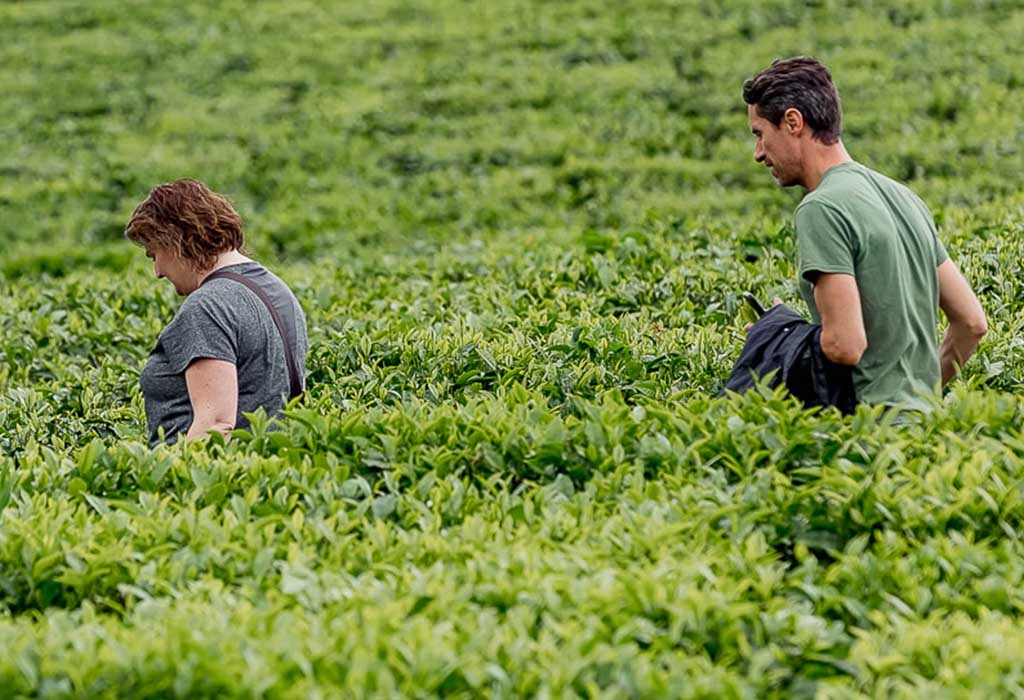
The scenery is often the first thing visitors notice. Green tea bushes spread across the hills, while the nearby forest creates a dramatic natural backdrop. Depending on the weather, mist may drift across the landscape, adding atmosphere to photographs and walks.
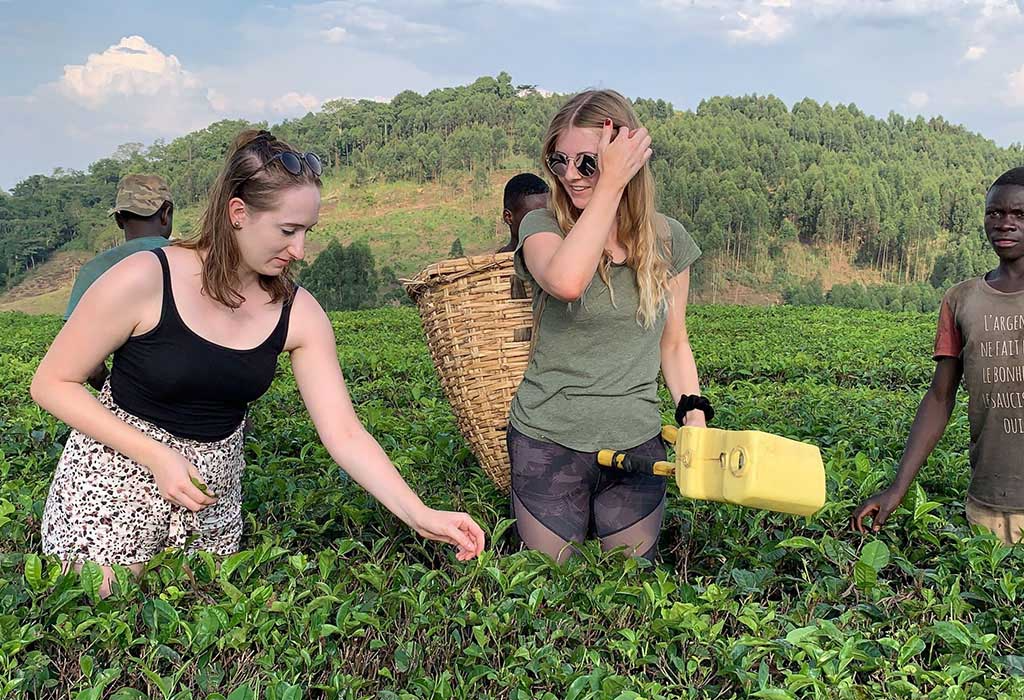
Nevertheless, the real interest lies in understanding what happens within these fields. During an arranged visit, you may learn how farmers maintain tea bushes, identify suitable leaves, and harvest the crop. If the experience permits, you may also observe or participate in aspects of tea picking.
These encounters help you appreciate the knowledge required to produce quality tea. They also transform a familiar drink into a story about agriculture, landscapes, and the people who bring each cup to life.
Discover the Tea Landscapes Around Gisovu
Gisovu offers another opportunity to discover Rwanda’s tea-growing heritage. Its plantation landscapes can appeal to travelers who enjoy scenic drives, rural photography, and experiences that reveal a destination at a slower pace.
As you explore the countryside, look for the patterns formed by rows of tea bushes across the hills. The landscape offers a different visual experience from the rainforest trails and wildlife-viewing areas around Nyungwe.
However, Gisovu and Gisakura should not automatically be treated as neighboring stops. Check your route, available visiting arrangements, and driving times before combining them in one day.
For travelers with sufficient time, exploring Rwanda’s tea country can complement forest adventures and provide a broader understanding of the country’s agricultural landscapes.
What to Expect During a Rwanda Tea Plantation Tour
The activities included in a Rwanda tea plantation tour depend on the location, operator, and arrangements made before your visit. Nevertheless, a well-planned experience can introduce you to several stages of tea production.
Your visit may include:
- Walking through tea fields: Explore the plantation and appreciate the scenery surrounding Nyungwe.
- Learning about cultivation: Discover how farmers care for tea bushes and maintain productive fields.
- Understanding tea harvesting: Learn which leaves are selected and how harvesting methods influence the crop.
- Observing tea picking: Where permitted, see how workers gather suitable leaves or participate in a supervised demonstration.
- Discovering tea processing: Learn how freshly harvested leaves are transformed into different tea products.
- Meeting people involved in production: Gain insight into the skills and work that sustain the tea industry.
- Enjoying a tea-tasting experience: Sample locally produced tea when tasting is available.
- Taking photographs: Capture the green hills, plantation patterns, and surrounding countryside.
Not every plantation offers all these activities. Confirm the experience in advance so that your expectations match what the operator can provide.
Try Tea Picking and Learn How Tea Is Harvested
Tea picking may look straightforward when you first watch an experienced worker moving through the plantation. However, selecting the appropriate leaves requires attention, practice, and familiarity with the plants.
During a suitable demonstration, you can learn how pickers identify the tender leaves used for particular tea products. You may also discover how harvesting practices affect the quality and consistency of the crop.
If participation is permitted, trying the technique yourself can make the experience more engaging. Even a short demonstration can help you understand the concentration and repetitive work involved in harvesting tea.
Most importantly, the activity encourages you to look beyond the finished product. Instead of simply enjoying a cup of tea at your lodge, you gain a better appreciation of the agricultural knowledge and human effort behind it.
Follow the Journey From Tea Leaf to Teacup
Harvesting is only the beginning of tea production. After the leaves leave the plantation, they undergo processing before becoming the tea prepared for drinking.
Depending on the type of tea being produced, the process may involve withering, rolling, oxidation, drying, sorting, and grading. The precise methods vary according to the intended product.
Learning about these stages helps connect the plantation landscape with the tea you eventually taste. You begin to understand how handling and processing influence the final product’s appearance, aroma, and flavor.
Where access is available, a guided explanation or processing-facility visit can make this part of the experience especially interesting. However, not every plantation welcomes visitors into its production facilities, so confirm access beforehand.
The experience becomes even more rewarding when you finish with a cup of locally produced tea, knowing more about the journey that brought it to you.
Enjoy a Rwandan Tea-Tasting Experience
After exploring the plantation, take time to appreciate the tea itself. A tasting session, where available, offers a relaxed opportunity to explore the aroma, color, and flavor of the finished product.
Rather than drinking quickly, pay attention to the differences you notice. Ask your guide or host about the tea’s origin, processing method, and recommended preparation. These small details can make an ordinary drink feel like a cultural discovery.
For dedicated tea enthusiasts, the tasting may become a highlight of the visit. For other travelers, it provides a welcome pause between activities and a chance to connect the surrounding landscape with a familiar part of everyday life.
Combine Your Tea Plantation Tour With Nyungwe’s Attractions
One advantage of a tea plantation tour near Nyungwe National Park is the opportunity to combine agriculture, culture, and wildlife within the same itinerary. Instead of spending your entire visit on forest activities, you can experience several different sides of the region.
Depending on your interests and available time, your itinerary could include:
- Chimpanzee trekking in Nyungwe National Park.
- Walking along the Nyungwe canopy walkway.
- Guided forest hikes and birdwatching.
- Exploring waterfalls and designated nature trails.
- Visiting tea-growing areas around Gisakura.
- Meeting local communities through arranged cultural experiences.
- Sampling traditional Rwandan food.
For example, you could spend one morning exploring the rainforest and reserve another part of your itinerary for a tea plantation visit. Alternatively, you could arrange the tea experience around your other scheduled activities, depending on travel times and availability.
This combination gives your safari greater variety. You experience the excitement of wildlife encounters while also discovering the agricultural landscapes and everyday activities that shape life around Nyungwe.
Explore Community Experiences Around Nyungwe
Tea is not the only way to discover the cultural character of the Nyungwe region. Community-based experiences can introduce you to local food, crafts, traditional skills, and aspects of rural life.
Depending on what is available during your visit, you may arrange opportunities to learn about pottery, craftsmanship, traditional performances, or local culinary practices. Areas such as Gisakura and Banda may also be relevant when planning community encounters, subject to the location and activities offered.
Whenever possible, choose experiences that respect local customs and involve the people who share their knowledge with visitors. Ask permission before photographing individuals, and follow your guide’s advice about appropriate behavior.
By combining tea, culture, and nature, you can build a more rounded understanding of Rwanda instead of limiting your visit to the national park alone.
Is a Nyungwe Tea Plantation Tour Suitable for Families?
A tea plantation visit can suit families looking for an educational activity that complements more physically demanding safari experiences. Children may enjoy discovering where tea grows, seeing how farmers harvest the leaves, and learning how plants become a familiar drink.
Adults, meanwhile, can explore the agricultural and cultural aspects of tea production while enjoying the countryside.
However, walking distances, terrain, weather conditions, and participation opportunities vary. Families should confirm these details before booking, particularly when traveling with younger children or visitors with limited mobility.
A flexible itinerary allows everyone to enjoy the experience without feeling rushed.
When Is the Best Time to Visit Tea Plantations Near Nyungwe?
You can consider a tea plantation visit throughout your wider Nyungwe itinerary, but the weather may influence walking conditions, visibility, and photography. The region can experience rain, so comfortable walking shoes, a light rain jacket, and a small waterproof bag are useful preparations.
Rather than choosing a date based on assumptions about harvesting, ask your tour operator about current plantation conditions and the activities available during your visit. Harvesting schedules and access arrangements can differ.
It is also important to coordinate your tea tour with chimpanzee trekking permits, accommodation check-in times, and transfers between destinations. Planning ahead helps you enjoy each experience without unnecessary pressure.
Can You Combine Nyungwe Tea Plantations With Nyanza?
Yes. Combining Nyungwe with Nyanza can create a rewarding route through southern Rwanda, particularly for travelers interested in history, agriculture, and nature.
Depending on your starting point and schedule, your journey could follow this general sequence:
Kigali → Nyanza Royal Heritage → Nyungwe National Park → Gisakura Tea Experience → Lake Kivu
In Nyanza, you can explore Rwanda’s royal heritage and visit the King’s Palace Museum. Further south and west, Nyungwe introduces you to rainforest biodiversity, hiking, and chimpanzee trekking. A tea plantation visit then provides an opportunity to discover Rwanda’s agricultural landscapes before continuing toward Lake Kivu.
Actual driving times and route order depend on your accommodation, chosen activities, and travel dates. Experiya Tour Company can help organize these stops into a practical itinerary.
Plan Your Tea Plantation Tour With Experiya Tour Company
At Experiya Tour Company, we recognize that a memorable Rwanda safari can include much more than wildlife viewing. A carefully planned itinerary can connect you with the country’s forests, agricultural landscapes, heritage sites, and local communities.
We can help you explore options for incorporating a tea plantation experience into your Nyungwe visit, alongside activities that reflect your interests and available time.
Whether you prefer chimpanzee trekking, cultural discoveries in Nyanza, scenic photography, or a slower journey through Rwanda’s countryside, your itinerary can balance adventure with opportunities to relax and learn.
To discuss your plans, visit the Experiya Tour Company contact page or email info@experiyatourcompany.com. Ask about plantation access, guided activities, tasting opportunities, and the best way to coordinate your tea visit with other destinations.
Frequently Asked Questions About Tea Plantation Tours Near Nyungwe
Can tourists visit tea plantations near Nyungwe National Park?
Yes. Travelers can explore tea-growing areas around Nyungwe, particularly Gisakura. The activities available depend on access arrangements and the operator organizing the visit.
Where can I experience a tea plantation tour near Nyungwe?
Gisakura is a notable area to consider because of its proximity to the western side of Nyungwe National Park. Gisovu is another recognized tea-growing area, although you should check the route and travel time when planning your itinerary.
Can I pick tea during a Rwanda tea plantation tour?
Some arranged experiences may include a demonstration or supervised opportunity to learn about tea picking. Participation is not guaranteed, so confirm availability before traveling.
Can I combine a tea tour with chimpanzee trekking?
Yes. You can plan a tea plantation visit alongside chimpanzee trekking, the canopy walkway, forest hikes, and selected community experiences. Allow sufficient time for transfers and scheduled activities.
Is a tea plantation tour near Nyungwe worth including in my safari?
It can be an excellent addition if you enjoy agriculture, photography, local food and drinks, cultural experiences, or slower-paced travel. It offers a different perspective on the countryside surrounding Nyungwe.
Should I book my Nyungwe tea experience in advance?
Advance arrangements are advisable, especially if you want a guided visit, tea tasting, or a particular activity. Confirm access, inclusions, and timing with your operator before finalizing your itinerary.
Conclusion: Discover Another Side of Rwanda Through Tea
A tea plantation tour near Nyungwe National Park offers an opportunity to experience Rwanda beyond its celebrated rainforest and wildlife. From the rolling tea fields around Gisakura to the stories behind cultivation, harvesting, and processing, the visit connects you with the agricultural landscapes and people who contribute to the country’s tea industry.
Better still, you can combine this experience with chimpanzee trekking, the canopy walkway, community encounters, Nyanza’s royal heritage, and a relaxing stay around Lake Kivu. Together, these experiences create a varied journey through Rwanda’s natural and cultural attractions.
With Experiya Tour Company, you can plan a safari that balances adventure, learning, and relaxation. Contact the team to discuss your preferred destinations and discover how a tea plantation visit could become a memorable part of your Rwanda journey.