Why Choose Rwanda for Gorilla Trekking?
October 3, 2026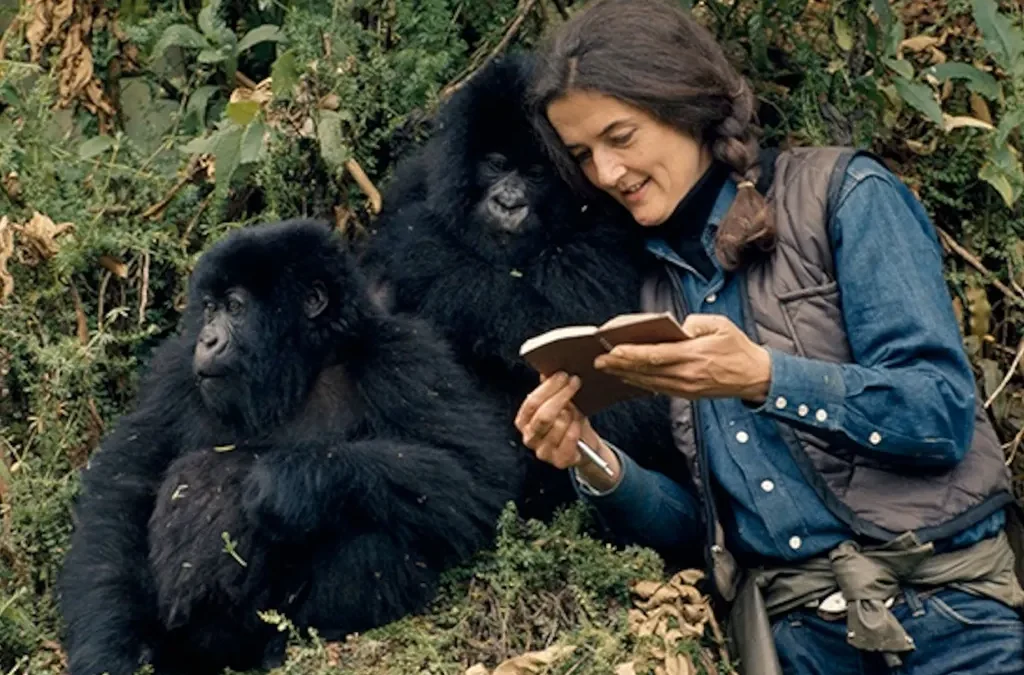
The Dian Fossey hike in Rwanda is one of the most meaningful hiking experiences in Volcanoes National Park. Rather than simply walking through a beautiful mountain forest, you follow a trail connected to the remarkable life of Dian Fossey, the American primatologist who devoted years to studying and protecting Rwanda’s mountain gorillas.
The hike leads through the misty slopes of the Virunga Mountains toward Fossey’s former research site, where she was laid to rest beside Digit, one of the gorillas she studied closely. Along the way, the forest creates a wonderful sense of adventure, with thick vegetation, mountain scenery, birds, and the possibility of encountering some of the park’s wildlife.
For travelers interested in gorillas, conservation, history, and nature, this trek offers something different from ordinary sightseeing. With Experiya Tour Company, you can combine the Dian Fossey hike with gorilla trekking, golden monkey tracking, cultural experiences, or other activities around Volcanoes National Park.
What is the Dian Fossey hike in Rwanda?
The Dian Fossey hike in Rwanda is a guided trek through Volcanoes National Park to the historic site where Dian Fossey established the Karisoke Research Center in 1967. The trail takes visitors to her gravesite and the nearby resting place of Digit, while also providing an opportunity to learn about her work with mountain gorillas.
Fossey became internationally recognized for her long-term research and determined efforts to protect mountain gorillas from poaching. Her work helped draw international attention to the challenges facing these endangered primates and contributed to the development of modern gorilla conservation.
As you walk through the forest, your guide brings the history to life. You learn about Fossey’s research, the gorilla families she studied, and the challenges conservationists faced in the Virunga Mountains. Consequently, the hike becomes more than a physical activity; it becomes a journey through an important chapter in African wildlife conservation.
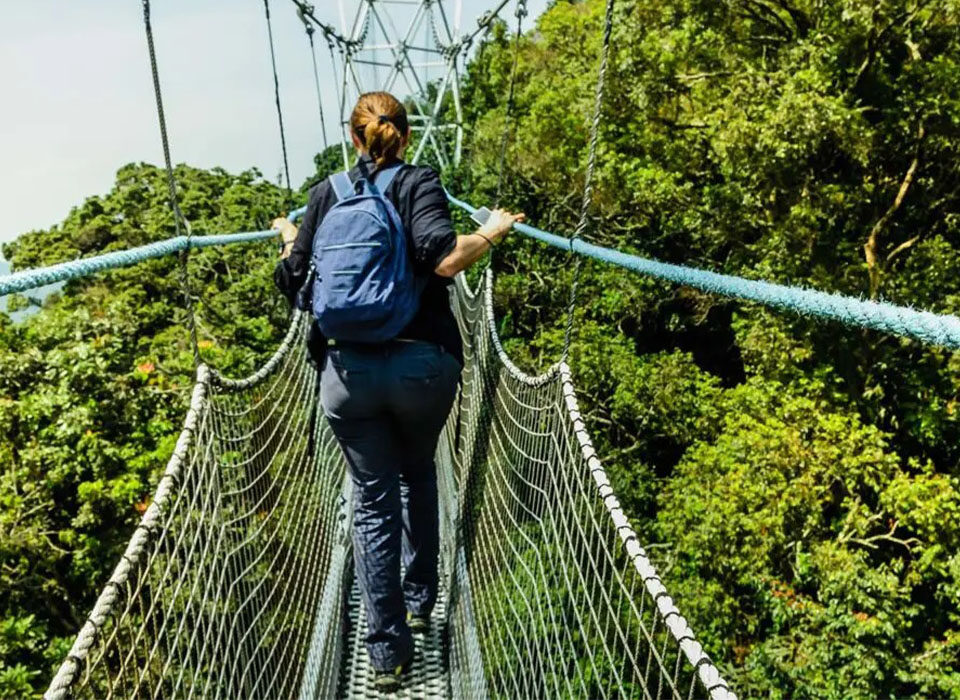
The forest itself is another major attraction. Volcanoes National Park is characterized by high-altitude vegetation, bamboo zones, thick montane forest, and dramatic volcanic landscapes. Therefore, even when wildlife remains hidden, the scenery and history make the experience worthwhile.
How long does the Dian Fossey hike in Rwanda take?
The Dian Fossey hike commonly takes around three to four hours, although the actual duration can vary according to hiking speed, trail conditions, weather, and the amount of time spent at the historical site.
The hike normally begins in the morning following a briefing at the park headquarters. From there, visitors travel toward the trailhead before beginning the walk through the forest. Some sections can be steep, and rain can make the ground slippery, so allowing extra time is sensible.
The experience is not a race. In fact, walking at a comfortable pace allows you to appreciate the forest, listen to your guide, take photographs, and enjoy the changing mountain environment.
Your hike may take longer if you stop frequently for photographs or spend additional time learning about Dian Fossey and the former Karisoke Research Center.
How much does the Dian Fossey hike in Rwanda cost?
The cost of the Dian Fossey hike in Rwanda depends on the current permit price and the arrangements included in your trip. The commonly quoted hiking permit price is around USD 75 per person, but travelers should confirm the current rate and inclusions when booking because park fees and tourism arrangements can change.
The permit and tour package should not be confused with other expenses. Depending on your itinerary, you may also need to budget for transport, accommodation, meals, porter services, and other activities.
A typical budget may include:
- Dian Fossey hiking permit
- Professional guiding services
- Transport to and from Volcanoes National Park
- Accommodation in Musanze or near the park
- Meals and drinking water
- Optional porter services
- Gorilla trekking or golden monkey permits if you combine activities
At Experiya Tour Company, we can organize the hike as part of a wider Rwanda safari itinerary, helping travelers coordinate permits, accommodation, transportation, and other activities.
Is the Dian Fossey hike in Rwanda difficult?
The Dian Fossey hike in Rwanda is generally considered moderately challenging. You do not need technical climbing skills, but you should be comfortable walking for several hours on uneven mountain terrain.
The trail can become particularly challenging after rain. Mud, slippery slopes, roots, and steep sections can slow your progress. Moreover, the high elevation can make the hike feel more demanding than a similar walk at lower altitude.
You can make the experience easier by preparing properly:
- Wear strong hiking boots with good grip.
- Carry enough drinking water.
- Use trekking poles if you are comfortable with them.
- Wear long trousers and a long-sleeved shirt.
- Take regular breaks when necessary.
- Follow your guide’s instructions throughout the trek.
Most importantly, you should approach the hike at your own pace. The objective is to enjoy the forest and understand Fossey’s conservation story, not to reach the destination as quickly as possible.
Where does the Dian Fossey hike in Rwanda begin?
The hike is associated with Volcanoes National Park in northern Rwanda, with visitors normally starting their arrangements around the park headquarters in Kinigi before proceeding toward the trail.
Morning departures are particularly useful because mountain weather can change quickly. After registration and briefing, your guide explains the route and safety procedures before you begin the journey.
The surrounding area provides an impressive introduction to the Virunga landscape. On clear mornings, the volcanic mountains create a spectacular backdrop, while mist and cloud can give the forest a completely different atmosphere.
For travelers staying in Musanze, reaching the park headquarters is relatively straightforward, and Experiya Tour Company can arrange the necessary transportation as part of a private or customized Rwanda safari.
What can I see on the Dian Fossey hike in Rwanda?
One of the most enjoyable aspects of the Dian Fossey hike in Rwanda is that the destination is only part of the experience. The forest environment provides plenty to see and hear along the way.
You may encounter different bird species, forest vegetation, primates, and other signs of wildlife. However, wildlife sightings are never guaranteed because animals move freely through their natural habitat.
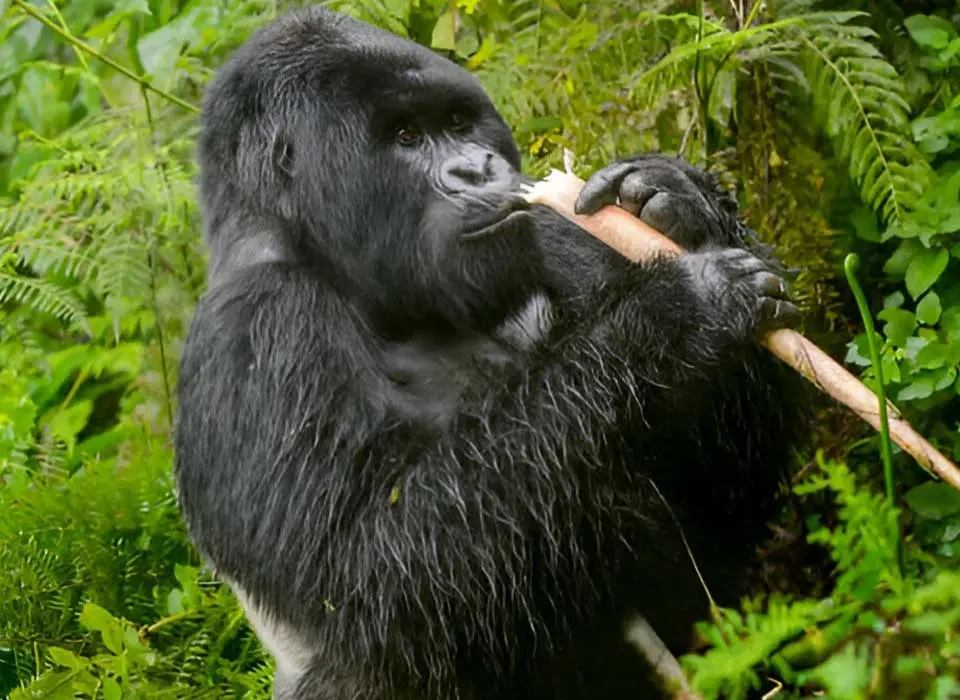
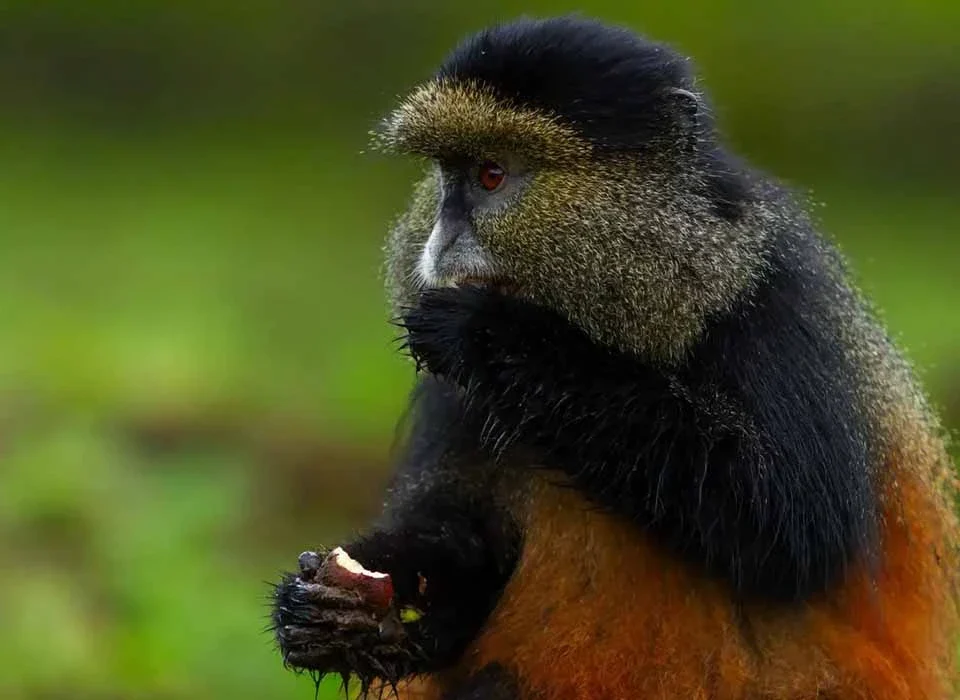
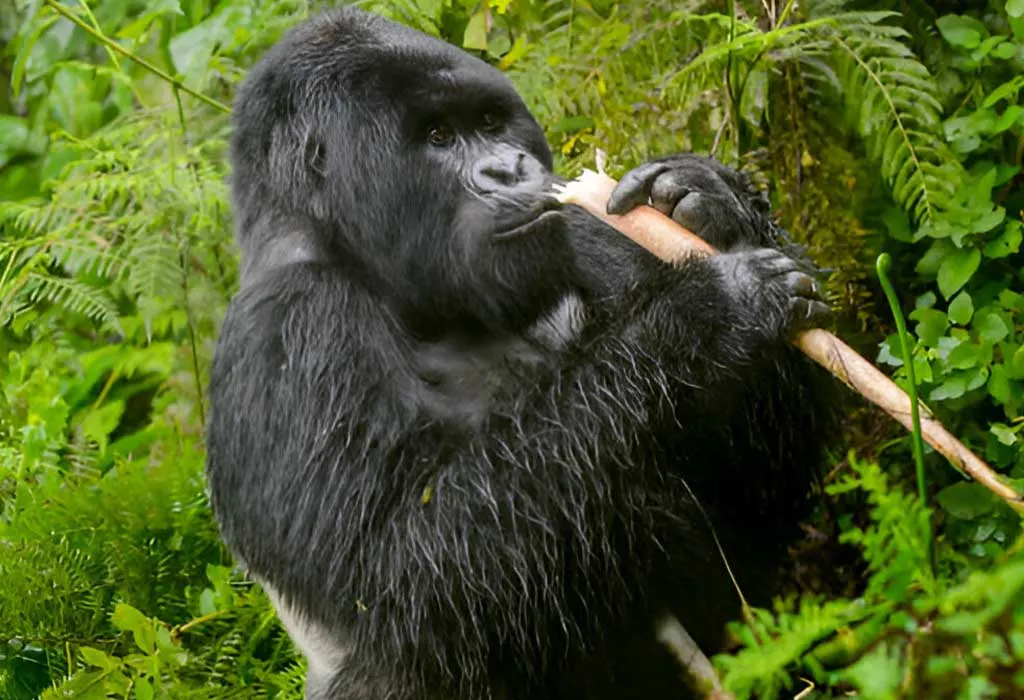
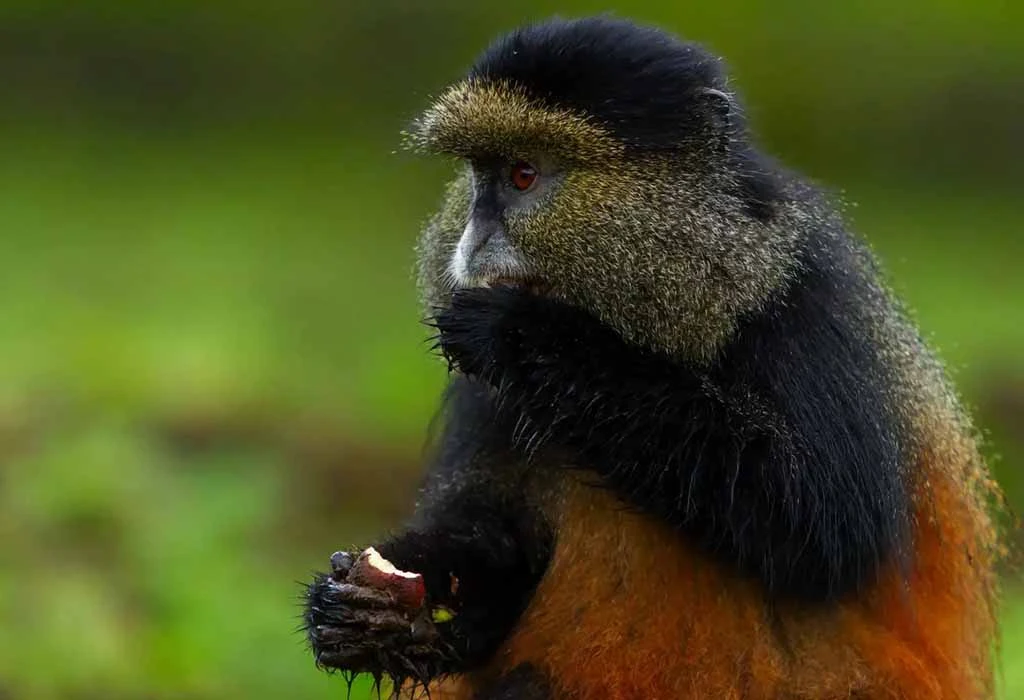
Golden monkeys are among the notable primates found in the Volcanoes landscape, while mountain gorillas also inhabit the wider protected area. Seeing gorillas during the Dian Fossey hike itself should not be expected as part of the trek, since gorilla viewing follows a separate tracking experience.
The most important attraction, however, is the historic destination itself.
At the end of the trail, you can visit:
- Dian Fossey’s gravesite.
- Digit’s grave.
- The remains of the original Karisoke Research Center.
- The surrounding mountain forest and volcanic landscape.
- Areas associated with Fossey’s pioneering gorilla research.
Standing at Fossey’s gravesite offers a quiet moment to reflect on how much dedication went into protecting mountain gorillas.
What is the altitude of the Dian Fossey hike in Rwanda?
The hike reaches an elevation of roughly 2,900 to 3,000 metres above sea level, although exact elevation varies along the route.
This altitude is an important consideration because some visitors may feel tired or short of breath more quickly than they would at lower elevations. Therefore, it is wise to walk slowly, drink enough water, and listen to your body.
The high elevation also contributes to the distinctive environment of the Virunga Mountains. Temperatures can be cool, clouds may appear suddenly, and rain is possible even when the morning begins brightly.
For that reason, dressing in layers is particularly useful.
What should I wear for the Dian Fossey hike in Rwanda?
Proper clothing can make a major difference during the Dian Fossey hike in Rwanda. The trail can be muddy, wet, and uneven, while the mountain climate can change quickly.
Your hiking clothing should prioritize protection, comfort, and good movement.
Recommended items include:
- Waterproof or water-resistant hiking boots.
- Long trousers.
- A long-sleeved shirt.
- A lightweight waterproof jacket.
- Warm layers for cooler conditions.
- Gardening or hiking gloves.
- A hat and sunglasses.
- A small backpack.
- Reusable drinking water.
- Camera or smartphone with protective cover.
Avoid wearing ordinary sneakers if possible. Their limited grip can make muddy and steep sections unnecessarily difficult.
Can I combine the Dian Fossey hike in Rwanda with gorilla trekking?
Yes. Combining the Dian Fossey hike with gorilla trekking in Rwanda creates a particularly meaningful itinerary for travelers interested in mountain gorilla conservation.
The two activities are different. Gorilla trekking takes you into the forest to search for a habituated gorilla family, while the Dian Fossey hike focuses on history, conservation, and the former Karisoke site.
Doing both gives you two perspectives on Rwanda’s gorilla conservation story. You can first learn about Fossey’s pioneering work and then experience modern gorilla tourism through a guided gorilla trek.
A Rwanda itinerary can also include:
- Dian Fossey hike.
- Gorilla trekking.
- Golden monkey tracking.
- Musanze cultural experiences.
- Twin Lakes excursions.
- Kigali city tours.
- Nyungwe chimpanzee trekking.
- Akagera wildlife safaris.
Experiya Tour Company can arrange these activities into a single itinerary according to your available time and travel budget.
Do I need a porter for the Dian Fossey hike in Rwanda?
A porter is not necessarily required, but hiring one can make the Dian Fossey hike more comfortable.
Porters can carry your backpack, provide physical assistance on difficult sections, and help you maintain balance when the trail becomes slippery. Their support can be especially useful for travelers who are not accustomed to high-altitude hiking.
There is also a community benefit. Hiring a local porter provides direct income to people living around the protected area. Consequently, the service can contribute to the local tourism economy while making your trek easier.
If you have limited hiking experience or are carrying camera equipment, hiring a porter is worth considering.
When is the best time for the Dian Fossey hike in Rwanda?
The best time for the Dian Fossey hike in Rwanda is generally during the relatively drier periods, particularly from June to September and December to February.
During these periods, trails can be easier to navigate, although rainfall remains possible because Volcanoes National Park is a high-altitude rainforest environment.
The wetter periods, especially March to May and October to November, can bring heavier rainfall. Consequently, trails may become muddier and more slippery. However, some travelers prefer these periods because the vegetation is exceptionally lush and the forest has a vibrant atmosphere.
In practical terms, the best time depends on your priorities. If you prefer generally easier hiking conditions, the drier months are attractive. If you are comfortable with rain and muddy trails, you can visit during other months as well.
Is there an age limit for the Dian Fossey hike in Rwanda?
The commonly stated minimum age for the Dian Fossey hike is 15 years. However, travelers should confirm the current age requirement when booking because park regulations and activity conditions can change.
The age requirement reflects the physical nature of the trail. The hike involves uneven ground, steep sections, high elevation, and potentially muddy conditions.
Families traveling with younger children can consider other activities around Rwanda that are more suitable for their ages. Your tour operator can help identify alternatives based on the children’s ages and interests.
Are there any other graves on the Dian Fossey hike in Rwanda?
Yes. The most famous grave beside Dian Fossey’s is that of Digit, the mountain gorilla who became closely associated with her research.
Digit was killed by poachers in 1977. His death had a profound impact on Fossey and became an important part of the story surrounding her conservation efforts.
Other gorilla graves are also associated with the site. Together, these graves provide a powerful reminder of the dangers that mountain gorillas faced during the height of poaching and the importance of continued conservation.
For many visitors, this is the most emotional part of the hike. The location encourages quiet reflection on the relationship between people, wildlife, and conservation.
What happened to the Karisoke Research Center on the Dian Fossey hike in Rwanda?
Dian Fossey established the Karisoke Research Center in 1967 between Mount Karisimbi and Mount Bisoke. The research station became an important base for studying mountain gorillas and documenting their behavior.
Fossey spent many years conducting research and campaigning against poaching. However, political instability and conflict in Rwanda during the early 1990s disrupted activities at the original site.
Today, visitors can see remnants of the historic research site during the Dian Fossey hike. These ruins help travelers understand the difficult conditions under which Fossey conducted her work.
The modern Karisoke Research Center operates from Musanze and continues the broader scientific and conservation legacy associated with the original research station.
How do I book the Dian Fossey hike in Rwanda?
Booking the Dian Fossey hike in Rwanda is easiest when you arrange the activity before arriving in the country. A registered tour operator can help coordinate permits, transport, accommodation, guiding, and other activities.
When booking with Experiya Tour Company, travelers can request a complete package or simply arrange the hike as part of an existing Rwanda itinerary.
It is advisable to provide the following information when making an inquiry:
- Preferred travel dates.
- Number of travelers.
- Ages of participants.
- Accommodation preference.
- Whether you want to combine the hike with gorilla trekking.
- Airport transfer requirements.
- Any additional Rwanda activities you would like to include.
Booking early is particularly useful during busy travel periods because you can coordinate the hiking date with accommodation and other activities.
Are there any dangers during the Dian Fossey hike in Rwanda?
Like any mountain hike, the Dian Fossey hike comes with natural risks. The most common challenges are slippery ground, steep sections, muddy trails, roots, dense vegetation, and changing weather.
The elevation is another factor to consider. Some visitors may experience fatigue, headache, or breathlessness at higher altitudes. Anyone with concerns about hiking at altitude should seek appropriate medical advice before traveling.
Wildlife is another reason to stay with your guide. Do not approach animals, feed wildlife, leave the designated route, or attempt to attract animals for photographs.
With suitable clothing, reasonable fitness, responsible behavior, and guidance from experienced park personnel, the hike can be an enjoyable and well-managed adventure.
Can I visit the modern Karisoke Research Center on the Dian Fossey hike in Rwanda?
The Dian Fossey hike leads to the historic Karisoke site rather than automatically including a visit to the modern research facilities in Musanze.
The distinction is important. The original site is where Fossey conducted her pioneering field research, while the modern Karisoke Research Center represents continuing scientific and conservation work in the region.
If you are particularly interested in gorilla research, conservation science, and Fossey’s legacy, ask your tour operator about arranging additional visits or experiences around Musanze.
Combining the historical site with modern conservation activities can provide a broader understanding of how gorilla research has developed over the decades.
Do I need to bring food on the Dian Fossey hike in Rwanda?
Yes. Carrying drinking water and a few lightweight snacks is advisable, particularly because the hike involves physical exertion and high elevation.
Good options include energy bars, fruit, nuts, sandwiches, or trail mix. Keep the quantities modest so your backpack remains light.
Most importantly, carry your waste back with you. Volcanoes National Park is a protected environment, and responsible travelers should avoid leaving plastic, food packaging, or other rubbish along the trail.
A small reusable water bottle or hydration system is particularly convenient during the hike.
What happens to the money from the Dian Fossey hike in Rwanda?
Fees paid for activities in protected areas contribute to the management of tourism and conservation. They help support the systems required to protect Rwanda’s national parks, wildlife, infrastructure, and tourism services.
Tourism also creates employment for guides, porters, drivers, accommodation providers, and other people working within the wider tourism economy.
For visitors, this means the experience is connected to a broader conservation system. By following park rules, hiring local services, and supporting responsible tourism businesses, travelers can contribute positively to the destination they visit.
Is the Dian Fossey hike in Rwanda suitable for children?
The Dian Fossey hike is generally more appropriate for older teenagers and adults because of the terrain, elevation, and physical demands. Where a minimum age requirement applies, travelers should confirm it with the relevant park authority or their tour operator before booking.
Families with younger children can explore other attractions in Rwanda that require less strenuous hiking. Rwanda offers a wide range of experiences, from cultural visits and scenic excursions to wildlife viewing and family-friendly nature activities.
The right activity ultimately depends on the child’s age, fitness, hiking experience, and interests.
Frequently Asked Questions About the Dian Fossey Hike in Rwanda
Is the Dian Fossey hike worth doing?
The hike is particularly worthwhile for travelers interested in Dian Fossey, mountain gorillas, conservation history, and nature. It combines a moderate forest hike with a visit to an important historical site in Rwanda.
How far is the Dian Fossey hike?
The commonly cited round-trip distance is approximately 6 kilometres, although the exact distance can vary depending on the route and conditions.
Can I see gorillas during the Dian Fossey hike?
Gorillas live in the wider Volcanoes National Park ecosystem, but seeing them is not the primary purpose of the Dian Fossey hike. For a dedicated gorilla encounter, you should book an official gorilla trekking experience.
Can I see golden monkeys on the Dian Fossey hike?
Golden monkeys inhabit the Volcanoes region, but sightings during the Dian Fossey hike are not guaranteed. Golden monkey tracking is a separate activity and provides a more focused opportunity to search for these distinctive primates.
What should I carry for the Dian Fossey hike?
Carry water, snacks, a rain jacket, hiking boots, long clothing, gloves, a small backpack, and a camera. Because weather can change quickly, waterproof protection is particularly useful.
Do I need previous hiking experience?
Previous mountain hiking experience is not essential, but reasonable fitness is recommended. The trail includes uneven and potentially muddy sections, so you should be prepared for moderate physical activity.
Can I combine the hike with a Rwanda gorilla safari?
Yes. Combining the Dian Fossey hike with gorilla trekking is an excellent way to explore both the historical and modern sides of Rwanda’s gorilla conservation story.
How far in advance should I book?
Booking in advance is recommended, particularly if you plan to combine the hike with gorilla trekking or travel during a busy season. Early planning gives you more flexibility with permits, accommodation, and transport.
Booking the Dian Fossey Hike with Experiya Tour Company
The Dian Fossey hike in Rwanda offers much more than a walk through the Virunga Mountains. It is a journey into the history of gorilla conservation, a chance to explore the remarkable landscape of Volcanoes National Park, and an opportunity to remember a woman whose work brought global attention to mountain gorillas.
At Experiya Tour Company, we can organize your Dian Fossey hike as a standalone experience or combine it with gorilla trekking, golden monkey tracking, cultural encounters, and other Rwanda safari activities. We can also assist with transportation, accommodation, permits, guiding arrangements, and itinerary planning.
If you are planning a Rwanda adventure, this hike can add an important historical and conservation dimension to your journey. Walking through the same mountain environment where Dian Fossey devoted much of her life creates a connection that photographs and books simply cannot provide.
Plan your Dian Fossey hike in Rwanda with Experiya Tour Company and experience the forest, history, wildlife, and conservation story for yourself.