Chimpanzee Trekking in Cyamudongo, Nyungwe Forest National Park
September 30, 2026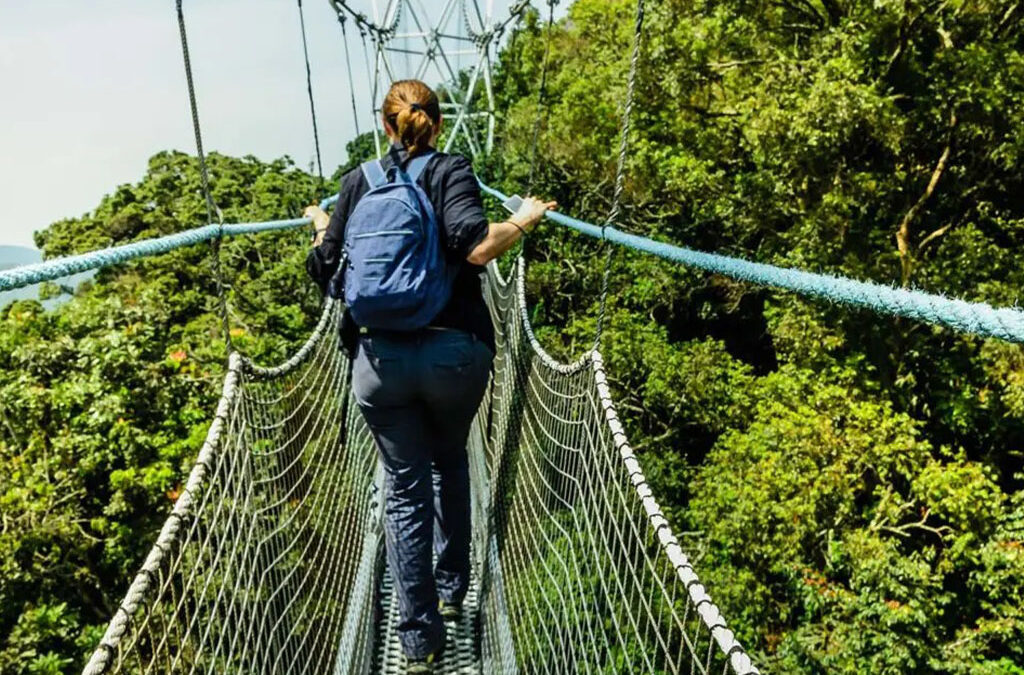
Rwanda, often called the Land of a Thousand Hills, offers some of the most beautiful photography opportunities in East Africa. From mist-covered volcanoes and emerald-green hills to peaceful lakes, dense rainforests, wildlife-rich savannahs, and vibrant rural communities, the country provides an impressive variety of subjects for photographers.
Whether you are a professional photographer, a travel blogger, or simply someone who enjoys capturing memorable moments with a camera, Rwanda has plenty to explore. In fact, you do not always need to travel far from the main tourist routes to find remarkable scenes. The changing landscapes, soft morning light, traditional lifestyles, and abundant wildlife can turn an ordinary journey into a rewarding photography experience.
At Experiya Tour Company, we understand that photographers often want more than a quick stop at a popular attraction. You need enough time to find the right angle, observe the light, and wait for a natural moment. For that reason, this guide highlights some of the best areas for photography in Rwanda and what makes each destination worth visiting.
1. Volcanoes National Park
Located in northwestern Rwanda, Volcanoes National Park is one of the country’s most recognizable photography destinations. The park is best known for its mountain gorillas, but the photographic possibilities extend far beyond primate encounters.
The Virunga Mountains create an impressive backdrop, particularly when their volcanic slopes are partially covered by mist and clouds. Early mornings can produce soft, atmospheric light across the forest and mountains. Meanwhile, late afternoons can provide warm tones that emphasize the contours of the landscape.
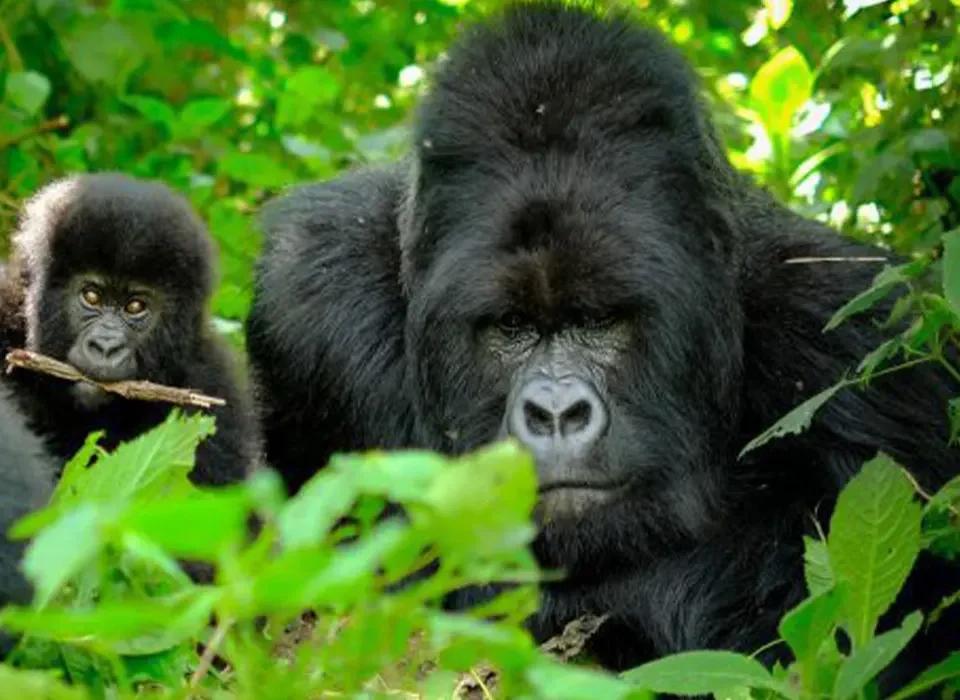
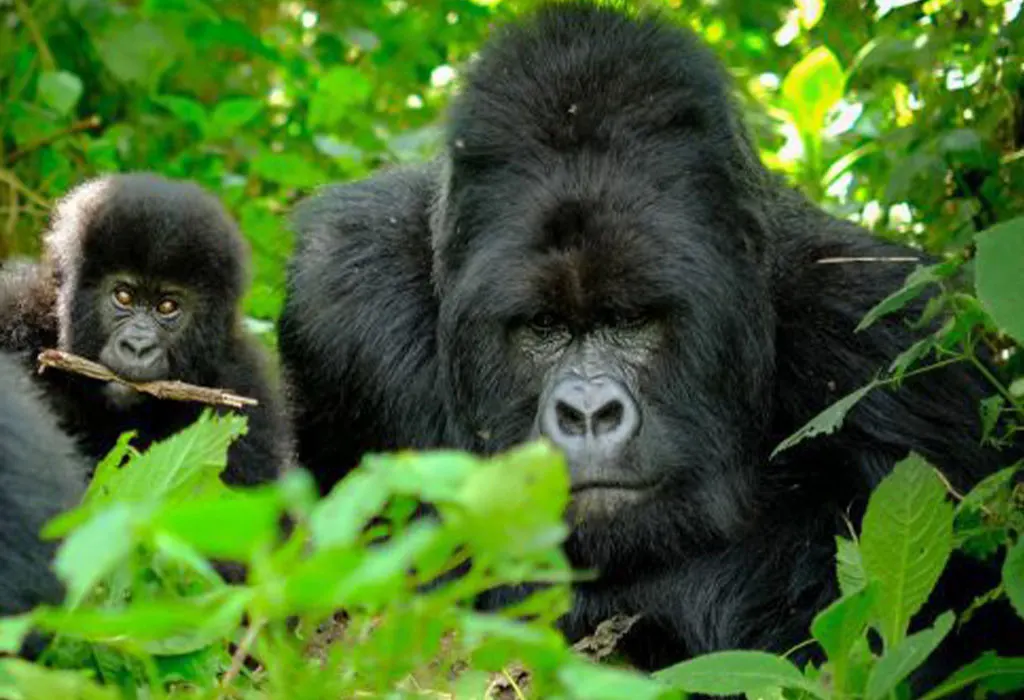
Gorilla trekking also presents a unique opportunity for wildlife photographers. However, photography during a trek requires patience and respect for the park’s guidelines. The gorillas may be resting, feeding, climbing, or moving through thick vegetation, so every encounter is different.
You can also look out for:
- Golden monkeys moving through the bamboo forest.
- Colorful forest birds and butterflies.
- Misty volcanic landscapes and dense vegetation.
- Local communities and agricultural landscapes around the park.
For photographers interested in mountain gorilla photography in Rwanda, Volcanoes National Park is therefore an important destination to include in a well-planned itinerary.
2. Lake Kivu
Lake Kivu offers a completely different photographic experience. Situated along Rwanda’s western border with the Democratic Republic of the Congo, the lake is surrounded by hills, cultivated slopes, small settlements, and lush vegetation.
The calm waters can create beautiful reflections, especially during the quieter hours of the morning. As the sun rises, the changing light gradually transforms the hills and lake surface, creating opportunities for both wide landscape photographs and detailed compositions.
The towns around Lake Kivu also provide excellent opportunities for photographing everyday life. Depending on your itinerary, you can explore areas around Rubavu, Karongi, and Rusizi, where fishing activities, boats, lakeside communities, and agricultural scenes add human interest to your photographs.
One of the advantages of photographing Lake Kivu is the variety of subjects available within a relatively small area. You can move from a panoramic landscape to a fishing scene or village setting without completely changing your surroundings.
3. Nyungwe Forest National Park
For photographers who enjoy forests, primates, birds, and dramatic natural scenery, Nyungwe Forest National Park is one of the best areas for photography in Rwanda. The ancient montane rainforest covers a large area in southwestern Rwanda and contains an exceptional variety of plants and wildlife.
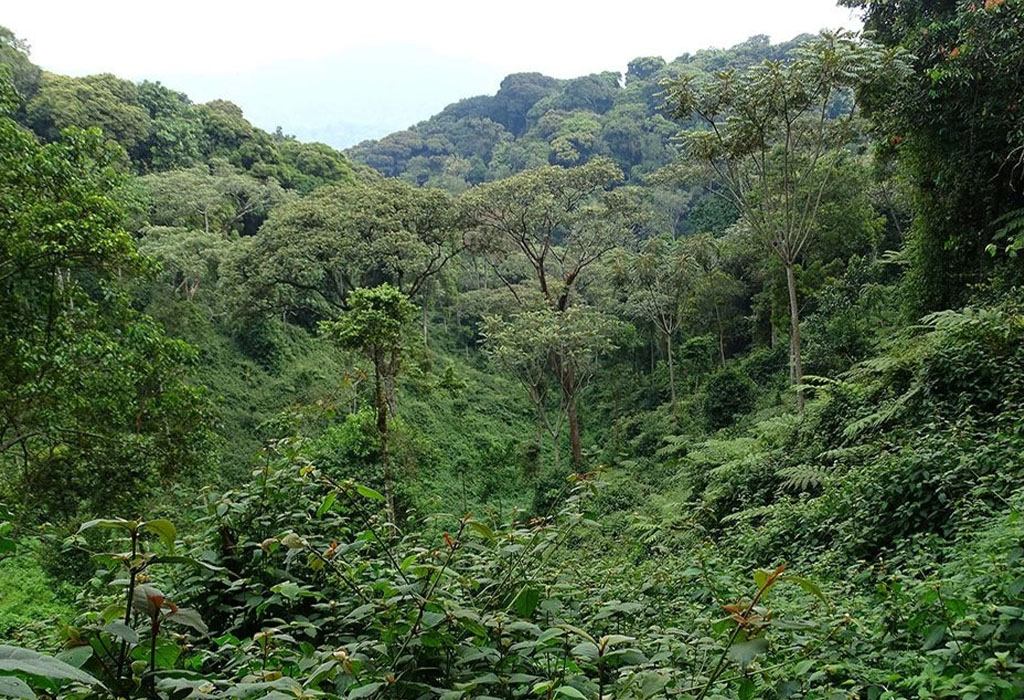
The forest creates a completely different atmosphere from the open landscapes of Akagera or Lake Kivu. Tall trees, vines, mosses, ferns, mist, and filtered sunlight can create layers within your photographs.
The Nyungwe Canopy Walkway is another major attraction for photographers. From the elevated walkway, you can photograph the forest from above and capture perspectives that are difficult to achieve from the forest floor.
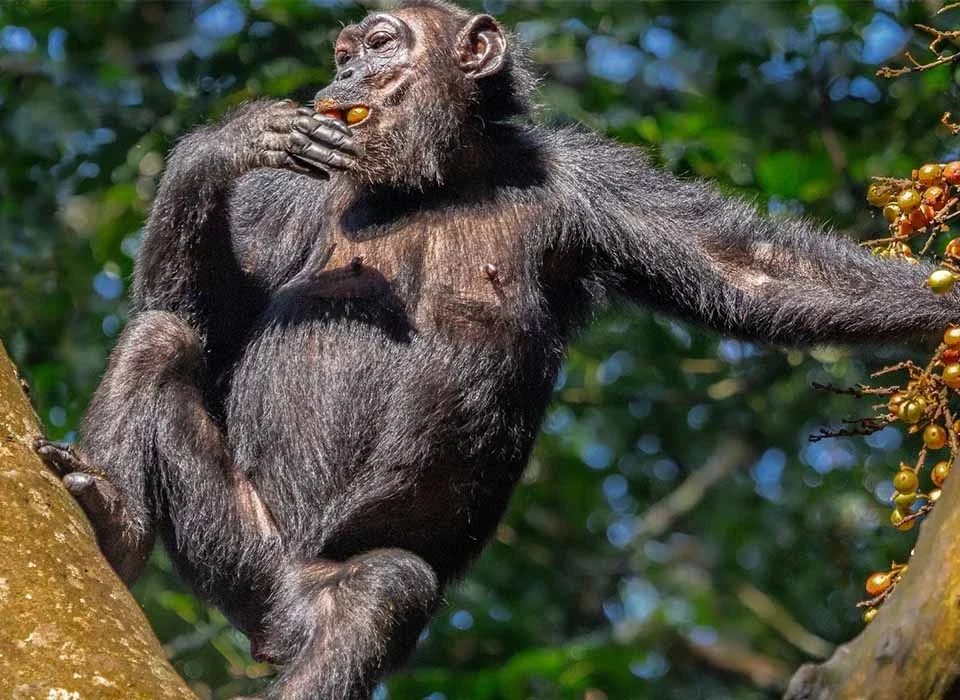
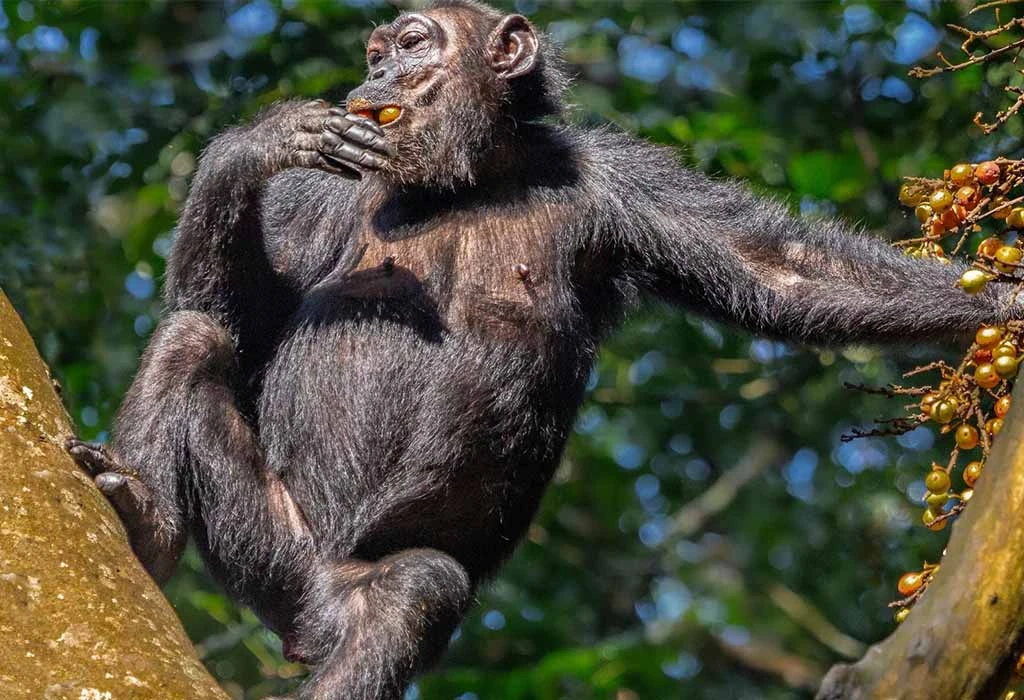
Chimpanzee trekking can also produce memorable wildlife images. However, forest photography requires patience because animals can move quickly through dense vegetation. Rather than expecting a perfect photograph every time, it is often better to observe the surroundings and take advantage of natural moments.
Other photographic subjects include:
- Forest birds and colorful butterflies.
- Monkeys moving through the canopy.
- Dense rainforest vegetation.
- Waterfalls and streams.
- Misty forest landscapes.
4. The Green Hills of Huye
Huye, in Rwanda’s Southern Province, is another rewarding destination for photographers interested in landscapes and rural life. The surrounding countryside is characterized by rolling green hills, cultivated slopes, valleys, and settlements.
What makes Huye particularly interesting is the relationship between people and the landscape. Farmers work on carefully cultivated hillsides, while homes and small communities appear between fields and along roads. These scenes provide a more intimate view of everyday Rwanda.
Early morning is a particularly good time to photograph the countryside. The light is usually softer, while mist can sometimes settle over the hills and valleys. Later in the afternoon, warm sunlight can add depth to terraced fields and rural roads.
If your interest is Rwanda landscape photography, Huye provides opportunities to move beyond famous national parks and capture the country’s agricultural heartland.
5. Gikongoro and the Southern Highlands
The Gikongoro area, now associated with the wider Nyamagabe region, offers beautiful views of Rwanda’s southern highlands. Its rolling terrain, cultivated hills, plantations, and rural communities make it a worthwhile stop for photographers exploring southern Rwanda.
The area’s agricultural landscapes can be particularly appealing. Depending on the season, you may see farmers working in the fields, crops growing across steep hillsides, or local communities carrying out daily activities.
Coffee and tea-growing areas can also add another dimension to your photography. Photographing farmers during cultivation, harvesting, or processing can help tell a broader story about Rwanda’s countryside and agricultural economy.
For the best results, consider photographing during the golden hours. Morning and late-afternoon light can create stronger textures across the hills and help separate foreground subjects from the distant landscape.
6. Akagera National Park
If your photography interests include African wildlife and open landscapes, Akagera National Park should be on your Rwanda itinerary. Located in eastern Rwanda, the park combines savannah plains, wetlands, lakes, woodlands, and rolling terrain.
The landscape provides an excellent setting for wildlife photography. Depending on your route and the animals you encounter, you may photograph elephants, giraffes, zebras, antelopes, hippos, crocodiles, and numerous bird species.
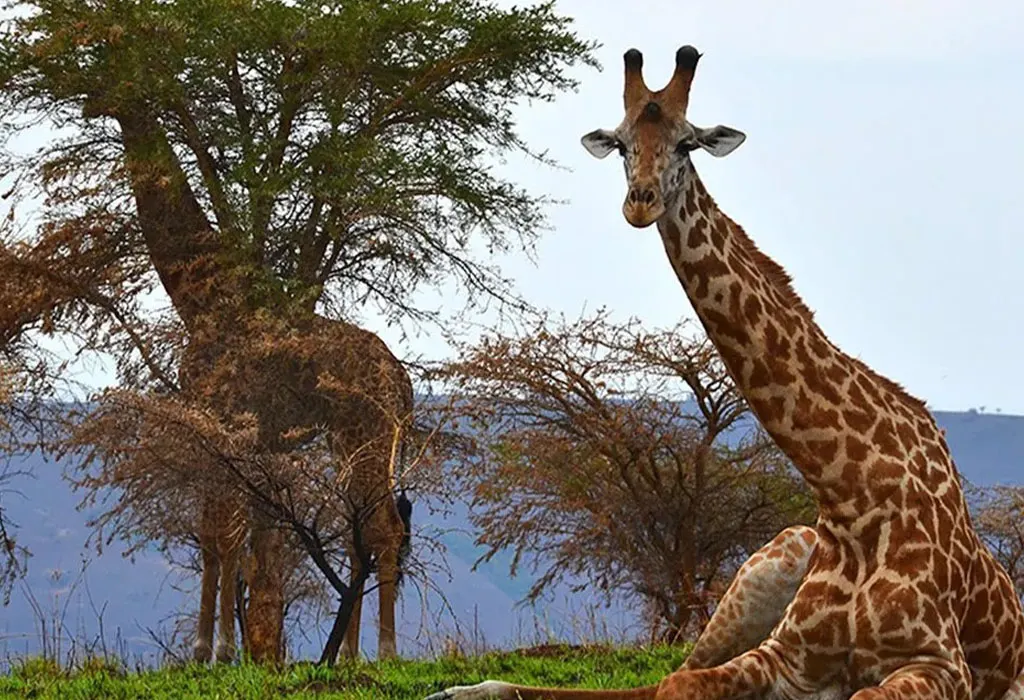
Akagera is also especially interesting because wildlife photographs do not have to focus entirely on close-up animal portraits. A giraffe against an expansive savannah, elephants near a water source, or birds reflected on a quiet lake can produce powerful environmental photographs.
Early morning game drives generally offer soft light and active wildlife, while late afternoon can provide another opportunity for atmospheric images. A good guide can also help you understand animal behavior and position the vehicle appropriately without disturbing the wildlife.
7. Rural Villages and Countryside
Some of the best areas for photography in Rwanda are not formal tourist attractions at all. Rwanda’s rural countryside offers countless opportunities to photograph landscapes, architecture, agriculture, and everyday life.
As you travel between destinations, you will encounter hills covered with crops, cyclists moving along roads, farmers tending their gardens, local markets, and communities surrounded by green landscapes. These ordinary scenes can become some of the most meaningful photographs from your journey.
However, photographing people requires sensitivity. Always ask for permission before taking a close portrait, particularly when photographing individuals who may not be expecting to appear in your images. Respectful interaction often produces more natural photographs than simply raising a camera without explanation.
Consider capturing:
- Farmers working on hillside fields.
- Rural roads winding through green landscapes.
- Local markets and community activities.
- Traditional and modern architecture.
- Everyday scenes that show the rhythm of countryside life.
8. Musanze Caves
Near Volcanoes National Park, the Musanze Caves provide an unusual photography experience. Unlike Rwanda’s bright landscapes and open savannahs, the caves offer dark interiors, volcanic rock formations, and dramatic contrasts between light and shadow.
Photography inside the caves requires a different approach. Instead of relying only on wide landscapes, photographers can experiment with textures, patterns, rock formations, and carefully composed silhouettes.
The contrast between the dark volcanic interior and daylight entering through cave openings can also create striking images. A tripod and appropriate low-light equipment may be useful, although you should always follow the site’s safety requirements and guidance.
Photography Tips for Rwanda
Once you have identified the best areas for photography in Rwanda, a little preparation can make a significant difference. Rwanda’s landscapes change quickly with weather and light, so flexibility is often more valuable than trying to follow a rigid photography schedule.
Keep these practical tips in mind:
- Carry extra batteries and memory cards.
- Use a lightweight rain cover for your camera equipment.
- Photograph landscapes during early morning or late afternoon.
- Carry a versatile lens for both landscapes and wildlife.
- Ask permission before photographing people closely.
- Follow all national park and wildlife photography guidelines.
- Be patient rather than rushing from one viewpoint to another.
Weather is another important consideration. Clouds and mist can sometimes obscure distant mountains, but they can also add atmosphere and depth to photographs. Therefore, do not automatically treat changing weather as a problem.
Final Thoughts on the Best Areas for Photography in Rwanda
The best areas for photography in Rwanda extend well beyond a single national park or famous viewpoint. Volcanoes National Park provides dramatic volcanic scenery and mountain gorillas, while Lake Kivu offers peaceful waters and lakeside communities. Nyungwe brings dense rainforest and canopy views, whereas Akagera combines wildlife with open savannah and wetlands.
Meanwhile, Huye, Gikongoro, Musanze, and Rwanda’s rural countryside reveal another side of the country through agriculture, culture, architecture, and everyday life.
At Experiya Tour Company, we can help travelers plan Rwanda journeys around the landscapes, wildlife, and cultural experiences they want to photograph. With enough time, thoughtful planning, and a little patience, Rwanda can provide an impressive collection of photographs that captures not only its scenery but also the people and experiences that make the country distinctive.