
African Wild Dog Sightings in Kidepo Valley National Park
November 18, 2026
Walking Safaris from Buhoma to Nkuringo in Bwindi Impenetrable National Park
November 18, 2026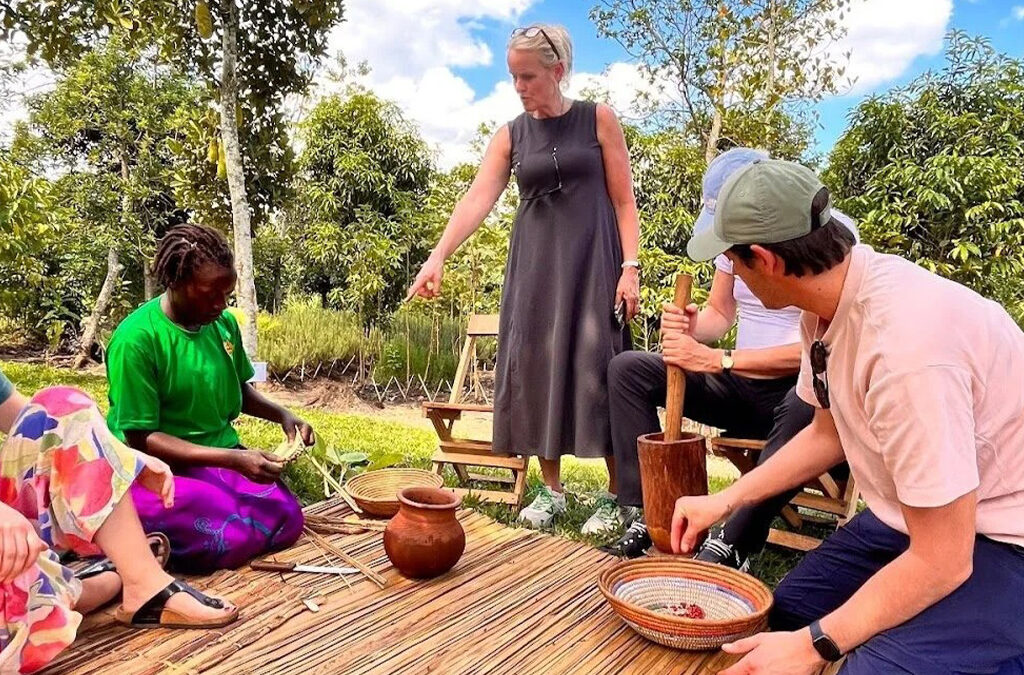
Uganda is famous for its mountain gorillas, spectacular wildlife, tropical rainforests and welcoming communities. However, beyond the excitement of gorilla trekking and traditional game drives, another inspiring story unfolds across the country’s tourism destinations. Women are increasingly shaping Uganda’s safari industry through entrepreneurship, cultural preservation, hospitality, handicraft production and conservation initiatives.
From the communities surrounding Bwindi Impenetrable National Park to the wildlife-rich landscapes of Queen Elizabeth National Park and Murchison Falls National Park, women contribute significantly to the experiences visitors enjoy. They operate small businesses, prepare traditional meals, produce handmade crafts, manage accommodation facilities and participate in community tourism projects. Through these activities, they create employment opportunities and support their families while strengthening local economies.
For travelers who want their holidays to make a positive difference, supporting women-owned businesses on safari in Uganda offers an opportunity to contribute directly to community development. Instead of simply purchasing souvenirs or visiting tourist attractions, visitors can interact with local entrepreneurs, discover traditional skills and understand how tourism supports livelihoods.
At Experiya Tour Company, we believe that a meaningful safari should benefit both wildlife and the people living alongside protected areas. Supporting women entrepreneurs is therefore an important part of promoting responsible tourism and creating more rewarding travel experiences across Uganda.
1. The Growing Role of Women in Uganda’s Safari Industry
For many years, men occupied a larger share of leadership positions in Africa’s traditional safari industry, particularly in wildlife guiding, transport and conservation management. Nevertheless, women have gradually established their presence in different areas of Uganda’s tourism sector.
Today, women participate in hospitality, cultural tourism, food production, handicraft enterprises, tour operations and environmental conservation. Some manage small accommodation facilities, while others operate community-based tourism businesses that welcome international visitors.
This development is particularly important in rural communities where formal employment opportunities can be limited. Through tourism entrepreneurship, women can earn independent incomes, develop professional skills and contribute more actively to household decisions.
Moreover, women bring valuable cultural knowledge and perspectives to safari experiences. Their understanding of traditional cooking, local history, crafts, farming practices and community customs helps visitors appreciate Uganda beyond its wildlife attractions.
As a result, women-led tourism businesses are helping create a more inclusive safari industry while giving travelers opportunities to experience authentic Ugandan culture.
2. Supporting Women-Owned Craft Businesses Around Bwindi and Mgahinga
One of the easiest ways to support women-owned businesses on a Uganda safari is by purchasing locally made crafts. This is particularly meaningful around Bwindi Impenetrable National Park and Mgahinga Gorilla National Park, where community enterprises provide visitors with opportunities to discover traditional craftsmanship.
Women in these communities produce beautiful handmade items using locally available materials and skills passed down through generations. Depending on the community, visitors may find woven baskets, beaded jewelry, traditional textiles, handbags, decorative pieces and other cultural souvenirs.
Purchasing these products helps women generate income while preserving valuable artistic traditions. Furthermore, the money earned can contribute towards children’s education, household expenses, healthcare and other family needs.
For travelers visiting Uganda for mountain gorilla trekking, a stop at a genuine community craft centre can add a memorable cultural experience to the journey.
When shopping, consider:
-
Buying handmade baskets and traditional woven products.
-
Purchasing locally produced jewelry and accessories.
-
Asking artisans about the materials and techniques they use.
-
Choosing products made directly by local craft groups.
-
Paying fair prices that recognise the time and skill involved.
Most importantly, take time to interact with the artisans. Understanding the stories behind their products makes each purchase more meaningful.
3. Community Tourism and Women’s Empowerment in Uganda
Community tourism plays an important role in connecting visitors with the people who live around Uganda’s national parks. It also creates opportunities for women to participate in the safari economy through cultural performances, village experiences, traditional cooking and local guiding.
Around Bwindi, for example, visitors can explore community cultural experiences that introduce them to traditional music, dance, storytelling and aspects of local daily life. Some initiatives provide opportunities for women to demonstrate traditional skills, share cultural knowledge and earn income from tourism activities.
Similarly, communities surrounding Queen Elizabeth National Park and Kibale National Park offer opportunities to experience local agriculture, food production and traditional lifestyles.
These activities benefit visitors and host communities in different ways. Travelers gain a deeper understanding of Uganda’s cultural heritage, while women participating in community tourism can earn money from their knowledge, creativity and services.
Furthermore, community-based tourism encourages visitors to appreciate that national parks do not exist in isolation. The surrounding communities play an essential role in maintaining the long-term relationship between tourism, conservation and local development.
4. Women-Owned Safari Lodges and Hospitality Businesses
Accommodation is another important area where travelers can support women’s participation in Uganda’s tourism industry.
Across the country, women contribute to the hospitality sector as lodge owners, managers, chefs, housekeepers, receptionists and guest experience coordinators. Some have also established small guesthouses and accommodation businesses that serve travelers visiting rural tourism destinations.
Women-led hospitality enterprises can create employment opportunities while encouraging local sourcing and responsible business practices. For example, a lodge that purchases vegetables from nearby farmers, employs local residents and buys supplies from community enterprises helps distribute tourism income beyond its immediate operations.
When choosing accommodation for a Uganda safari, travelers can consider establishments that demonstrate a genuine commitment to:
-
Employing and training women in hospitality.
-
Providing leadership opportunities for female employees.
-
Purchasing food and supplies from local producers.
-
Supporting community development initiatives.
-
Following environmentally responsible practices.
-
Working with locally owned tourism enterprises.
However, travelers should distinguish between businesses that simply employ women and those that are genuinely women-owned or women-led. Asking questions about ownership and community involvement helps make purchasing decisions more meaningful.
5. Supporting Female Safari Guides and Women in Conservation
Another encouraging development in Uganda’s tourism industry is the increasing participation of women in safari guiding and conservation-related activities.
Traditionally, safari guiding and wildlife management have attracted more men. However, women are increasingly pursuing careers in guiding, birdwatching, nature interpretation, hospitality and environmental education.
Female guides bring professional knowledge, practical experience and valuable perspectives to wildlife encounters. Whether leading a guided nature walk, explaining bird species or sharing information about Uganda’s wildlife, they help visitors understand the country’s natural heritage.
Women also contribute to conservation through research, community outreach, environmental awareness and initiatives that encourage residents to protect natural resources.
For visitors, booking experiences led by qualified female guides can help encourage greater representation in the tourism profession.
Consider supporting women by:
-
Requesting a qualified female safari guide where available.
-
Booking guided community walks led by local women.
-
Participating in women-led birdwatching or cultural experiences.
-
Supporting conservation education initiatives.
-
Sharing positive feedback about professional female guides.
These small decisions can help strengthen opportunities for women entering Uganda’s tourism and conservation sectors.
6. The Connection Between Women’s Empowerment and Wildlife Conservation
Supporting women-owned businesses on safari in Uganda is not only about economic empowerment. It also contributes to the broader relationship between community development and wildlife conservation.
Uganda’s protected areas are surrounded by communities whose livelihoods depend on access to land, natural resources and economic opportunities. When tourism creates meaningful income for local residents, it can encourage stronger support for conservation.
Women entrepreneurs contribute to this relationship by creating alternative livelihood opportunities connected to tourism rather than activities that may place additional pressure on natural resources.
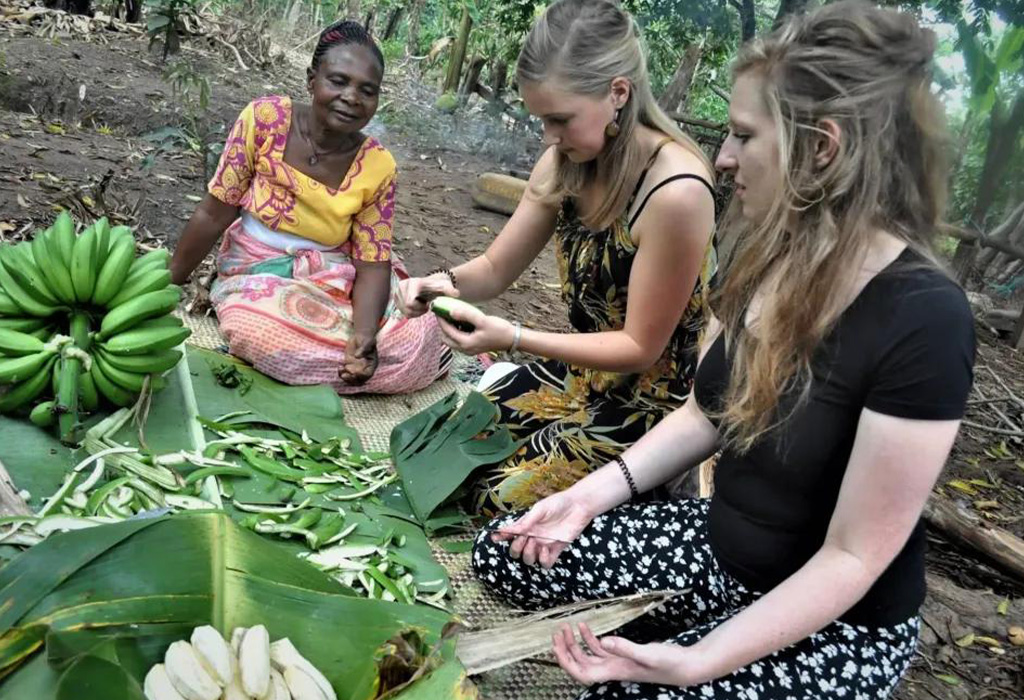
For example, a woman earning income through handicraft production, cultural tourism or hospitality may have more opportunities to support her family without depending entirely on activities that place pressure on surrounding forests and wildlife habitats.
In gorilla trekking destinations such as Bwindi and Mgahinga, community participation is particularly important because the long-term protection of mountain gorillas depends partly on positive relationships between conservation authorities and neighbouring communities.
Women also influence conservation through household decisions, environmental education and community leadership. Their involvement helps extend conservation awareness beyond national park boundaries.
Therefore, responsible safari spending can support both local livelihoods and the wider conservation economy.
7. Discovering Women’s Culinary Businesses During a Uganda Safari
Food offers another wonderful opportunity to support women-owned businesses while discovering Uganda’s cultural identity.
Across the country’s safari destinations, women participate in food preparation, agricultural production, restaurant management and traditional catering. Their businesses introduce travelers to authentic local dishes prepared using fresh ingredients sourced from surrounding communities.
During a Uganda safari, visitors can explore traditional meals such as matoke, groundnut sauce, millet bread, cassava, sweet potatoes, fresh tilapia and locally prepared vegetables.
Ugandan tea and locally grown coffee also provide opportunities to learn about agricultural production and the communities involved in supplying these products.
Rather than eating exclusively at large hotels, travelers can occasionally visit reputable locally owned restaurants and community kitchens. These establishments provide opportunities to experience traditional hospitality while directing part of tourism spending towards local entrepreneurs.
For a more immersive experience, visitors can participate in traditional cooking demonstrations where local women explain the preparation methods, ingredients and cultural importance of different dishes.
Such experiences turn an ordinary meal into a meaningful cultural exchange.
8. Ethical Shopping: Simple Ways to Support Women Entrepreneurs
Shopping during a safari is often an enjoyable way to collect memories of Uganda. However, where and how visitors purchase souvenirs can make a significant difference to local communities.
Choosing products made by women-owned enterprises helps retain more tourism income within the destination. It also encourages traditional craftsmanship and provides artisans with an incentive to continue developing their skills.
When visiting craft markets, cultural centres and community shops, consider purchasing products directly from their makers whenever possible.
Responsible shopping practices include:
-
Prioritising locally handmade products over imported souvenirs.
-
Buying directly from recognised women’s cooperatives.
-
Paying reasonable prices instead of demanding excessive discounts.
-
Asking permission before photographing artisans at work.
-
Learning about the cultural meaning of traditional products.
-
Choosing useful, durable souvenirs that support local production.
Additionally, avoid assuming that every craft seller represents a women-owned business. Take time to establish who made the product and how the business benefits its workers.
A thoughtful purchase can provide more than a beautiful souvenir; it can also support someone’s livelihood and encourage the continuation of traditional skills.
9. Why Responsible Travelers Are Choosing Women-Led Tourism Experiences
Travel preferences are changing as more visitors consider the environmental and social effects of their holidays. Wildlife viewing remains an important reason to visit Uganda, but many travelers also want to understand how tourism contributes to local development.
Supporting women-owned businesses aligns with several important responsible tourism principles.
These include:
-
Economic inclusion: Ensuring women have opportunities to participate in tourism and earn income.
-
Cultural preservation: Supporting traditional crafts, food preparation, storytelling and artistic expression.
-
Community development: Helping local enterprises contribute to household welfare and economic resilience.
-
Conservation awareness: Encouraging tourism models that connect community livelihoods with environmental protection.
-
Meaningful cultural exchange: Creating opportunities for visitors and residents to learn from one another.
Consequently, a safari that includes community visits, local dining and women-led experiences can offer much more than conventional wildlife sightseeing.
It allows travelers to understand the human stories behind Uganda’s remarkable landscapes.
10. How Experiya Tour Company Promotes Responsible Tourism in Uganda
At Experiya Tour Company, we believe that responsible safari tourism should create lasting benefits for both visitors and the communities that welcome them.
Our Uganda safari experiences combine wildlife encounters, gorilla trekking, chimpanzee tracking and cultural activities with opportunities to appreciate local livelihoods and community initiatives.
For travelers visiting Bwindi Impenetrable National Park, we can incorporate community experiences and opportunities to explore locally produced crafts alongside gorilla trekking adventures. Around Queen Elizabeth National Park, visitors can discover traditional lifestyles and community activities that complement wildlife viewing.
Similarly, journeys to Kibale Forest National Park can include cultural experiences that introduce travelers to local food, agriculture and community life.
We encourage responsible choices throughout our safari planning, including supporting genuine local enterprises, respecting cultural traditions and purchasing products directly from their makers where possible.
Our approach recognises that a successful safari should not only create unforgettable wildlife memories but also contribute positively to the destinations visited.
By working with local service providers and encouraging meaningful community engagement, Experiya Tour Company aims to promote a more inclusive and sustainable tourism industry.
11. Where to Support Women-Owned Businesses During a Uganda Safari
Uganda offers several destinations where travelers can discover community tourism activities and locally produced products. Depending on the itinerary, visitors can include meaningful experiences in different regions.
Some worthwhile destinations to consider include:
Bwindi Impenetrable National Park: Explore community craft centres, cultural experiences and locally operated tourism initiatives around the gorilla trekking regions.
Mgahinga Gorilla National Park: Discover community-based experiences and traditional crafts around the foothills of the Virunga Mountains.
Queen Elizabeth National Park: Combine wildlife viewing with cultural activities, local food experiences and community tourism around the park.
Kibale Forest National Park: Include cultural visits and locally organised experiences alongside chimpanzee tracking.
Murchison Falls National Park: Explore community enterprises and local markets while enjoying wildlife safaris and boat cruises along the Nile.
Lake Mburo National Park: Discover local hospitality, traditional food and community activities that complement walking safaris and wildlife encounters.
The availability and ownership of individual businesses vary by location. Therefore, travelers should confirm that a particular enterprise is women-owned or women-led before assuming that their spending directly supports female entrepreneurs.
12. The Future of Women-Owned Businesses in Uganda’s Safari Industry
The future of Uganda’s tourism industry will depend not only on wildlife conservation and destination development but also on how fairly tourism opportunities are distributed among local communities.
Women are already contributing to this transformation through entrepreneurship, hospitality, cultural preservation and conservation leadership. However, continued support, professional training, access to markets and business development opportunities remain important.
As international interest in responsible travel grows, women-owned businesses have greater opportunities to reach visitors seeking authentic and socially responsible experiences.
Tour operators, accommodation providers, conservation organisations and travelers all have a role to play. By choosing local enterprises, promoting female professionals and encouraging meaningful community partnerships, the tourism industry can create opportunities that extend beyond individual safari seasons.
Ultimately, empowering women through tourism strengthens families, supports local economies and contributes to more resilient communities around Uganda’s protected areas.
13. Make Your Uganda Safari More Meaningful with Experiya Tour Company
Uganda’s beauty extends far beyond its national parks, mountain gorillas and spectacular wildlife. It is also reflected in the creativity, resilience and hospitality of the people who make every safari experience special.
Supporting women-owned businesses on safari in Uganda gives travelers an opportunity to become part of this inspiring story. Whether you purchase a handmade basket near Bwindi, enjoy a traditional meal prepared by a local entrepreneur, visit a community tourism project or book an experience led by a female guide, your choices can contribute to meaningful local benefits.
With Experiya Tour Company, you can plan a Uganda safari that combines unforgettable wildlife encounters with opportunities to appreciate local cultures and community initiatives.
Explore Uganda’s remarkable destinations while making thoughtful travel choices that support local livelihoods, cultural preservation and conservation.
Book your Uganda safari with Experiya Tour Company and discover how responsible travel can make a difference to both wildlife and the communities that call Uganda home.