Tea Plantation Tours in Uganda
November 18, 2026
Supporting Women-Owned Businesses on Safari in Uganda
November 18, 2026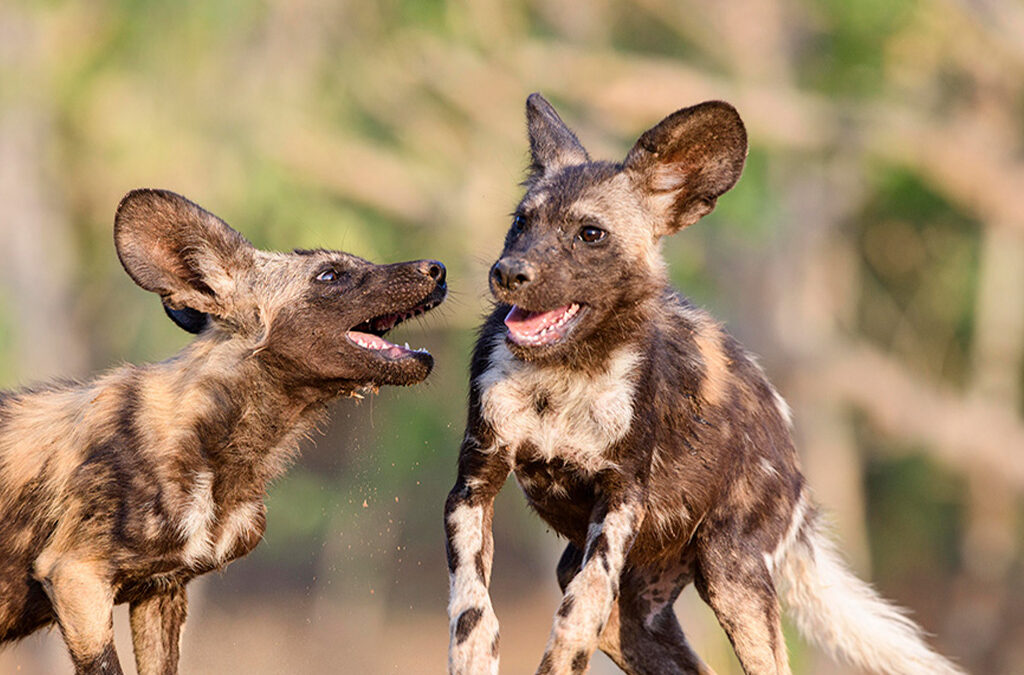
Few wildlife encounters in Africa create as much excitement as spotting an African wild dog in its natural habitat. Also known as the African painted dog or painted wolf, this endangered carnivore is famous for its colourful coat, remarkable intelligence, strong social bonds and impressive hunting skills. In Uganda, one of the most interesting places associated with this elusive predator is Kidepo Valley National Park, located in the country’s remote northeastern region.
Kidepo offers a distinctive safari experience characterised by expansive savannah plains, rugged mountains, seasonal rivers and exceptional wildlife diversity. Unlike Uganda’s more frequently visited national parks, it provides a quieter wilderness atmosphere where visitors can explore vast landscapes and search for unusual wildlife species.
However, African wild dog sightings in Kidepo Valley require realistic expectations. Although Uganda considered the species locally extinct for several decades, a pair was sighted near the Narus River in June 2023. This remarkable encounter renewed interest in the possibility of wild dogs moving through the wider Kidepo ecosystem. Nevertheless, the species does not have a confirmed resident population in Uganda, and sightings remain exceptionally rare.
For wildlife enthusiasts, this makes Kidepo an intriguing destination for exploring Uganda’s carnivore diversity, conservation history and changing wildlife landscape.
Understanding the African Wild Dog
The African wild dog (Lycaon pictus) is one of the continent’s most distinctive and endangered carnivores. Its scientific name means painted wolf, referring to the irregular patches of black, white, yellow and reddish-brown fur covering its body. Every individual has a unique coat pattern, making it possible for researchers to distinguish animals within a pack.
Unlike lions and leopards, African wild dogs depend on cooperation rather than individual strength. They live in closely bonded social groups, usually organised around a dominant breeding pair. Members communicate through vocalisations, body movements and physical interactions, maintaining strong relationships that help the pack survive.
Their hunting behaviour is equally fascinating. Wild dogs pursue prey through coordinated teamwork, endurance and strategic movements. Rather than relying entirely on ambushes, they work together to chase and exhaust their targets.
Some of their most interesting characteristics include:
- Distinctive appearance: Their irregularly patterned coats make every individual recognisable.
- Strong social bonds: Pack members cooperate in hunting, protecting young animals and caring for injured individuals.
- Exceptional endurance: They can cover considerable distances while searching for food.
- Cooperative hunting: Several individuals work together to pursue and capture prey.
- Excellent communication: They use vocalisations and body language to coordinate their activities.
These behaviours make African wild dogs particularly rewarding subjects for wildlife photographers and researchers.
The History of African Wild Dogs in Uganda
African wild dogs historically occurred in different parts of Uganda, particularly across suitable savannah landscapes. However, habitat destruction, persecution, disease and increasing human activities contributed to their disappearance from the country.
By the 1980s, Uganda considered the species locally extinct. For decades, there were no confirmed sightings to suggest that wild dogs continued to maintain a population within the country.
That situation attracted international attention on 26 June 2023, when Uganda Wildlife Authority reported the sighting of two African painted dogs near the Narus River in Kidepo Valley National Park. A resident ranger observed the animals before they disappeared into the surrounding wilderness.
The encounter was particularly significant because it provided evidence that the species could still occasionally move through Uganda’s northeastern landscape.
Uganda Wildlife Authority subsequently highlighted the importance of monitoring these animals and collecting information that could support conservation research. However, a single sighting does not establish the presence of a permanent breeding population.
More recently, Uganda Wildlife Authority’s 2026 wildlife report continued to recognise African painted dogs as locally extinct, while acknowledging the 2023 sighting. The most accurate description, therefore, is that wild dogs have been recorded in Kidepo as rare visitors rather than established resident wildlife.
For travellers, this distinction is important. African wild dog sightings in Kidepo Valley are possible in the broader ecological sense, but visitors should never book a safari expecting a guaranteed encounter.
Why Kidepo Valley National Park Is Important for Wild Dog Conservation
Kidepo Valley National Park is among Uganda’s most remote and ecologically distinctive protected areas. Covering approximately 1,442 square kilometres, it protects extensive savannah grasslands, rocky hills, wooded areas and seasonal river systems.
Its location near the borders of South Sudan and Kenya makes the wider landscape particularly interesting from a wildlife conservation perspective. Animals do not necessarily follow national boundaries, and some species move across extensive territories in search of food, water and suitable habitats.
This wider ecological connection helps explain why occasional wild dog movements into Kidepo remain significant.
The park also supports several carnivore species, including:
- Lions.
- Leopards.
- Cheetahs, although sightings are uncommon.
- Spotted hyenas.
- Black-backed jackals.
- Side-striped jackals.
Other smaller carnivores and specialised predators add to the park’s ecological diversity.
Although Kidepo does not currently support a confirmed resident wild dog population, its extensive wilderness and connection to neighbouring landscapes make it important for understanding regional wildlife movements.
Wildlife Diversity During a Kidepo Valley Safari
Even without an African wild dog encounter, visitors can enjoy excellent wildlife experiences in Kidepo Valley National Park. The park supports an impressive range of mammals, birds and other wildlife, making it one of Uganda’s most rewarding destinations for adventurous safari travellers.
The Narus Valley is particularly important because its relatively reliable water sources attract animals throughout the year. During the dry season, wildlife often concentrates around the remaining water sources, creating rewarding opportunities for game viewing.
During a typical game drive, visitors may encounter:
- Large herds of African buffaloes.
- African elephants moving across the savannah.
- Rothschild’s giraffes browsing on trees.
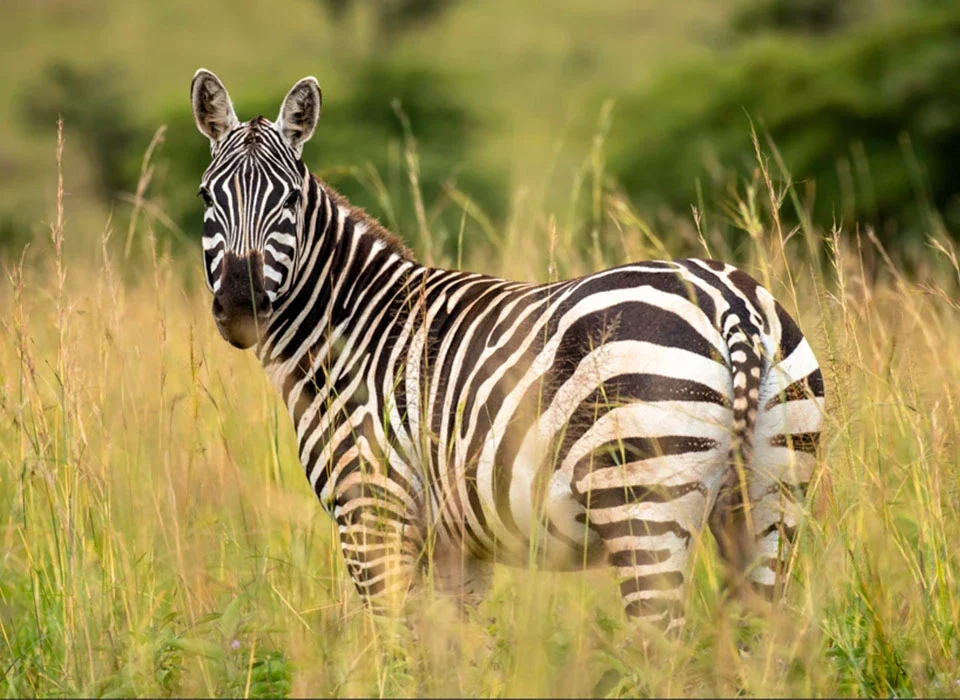
- Burchell’s zebras grazing in open grasslands.
- Jackson’s hartebeests and Uganda kobs.
- Warthogs and several antelope species.
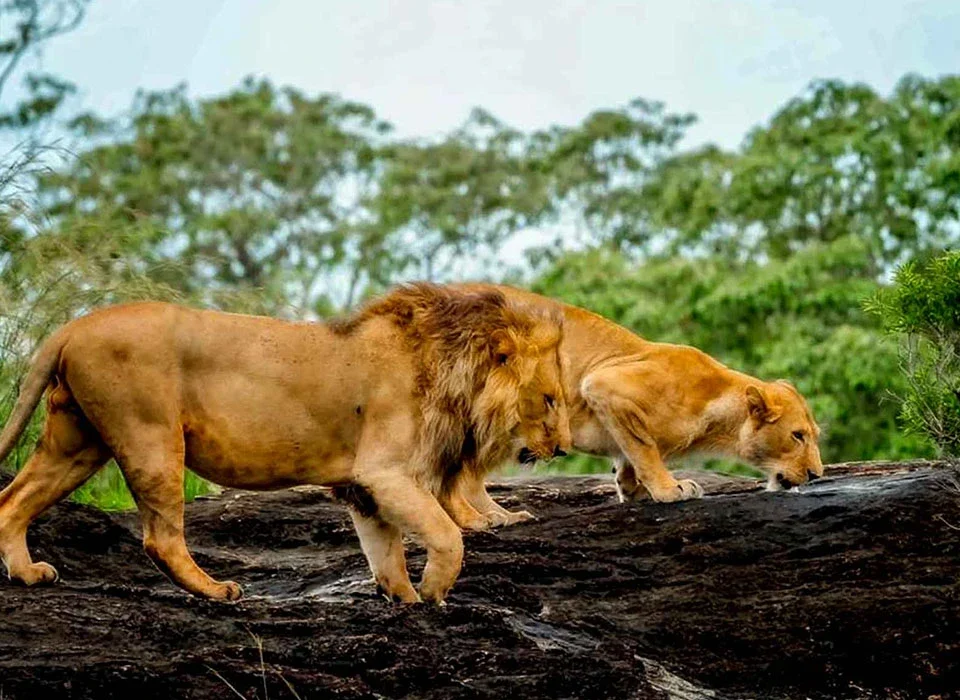
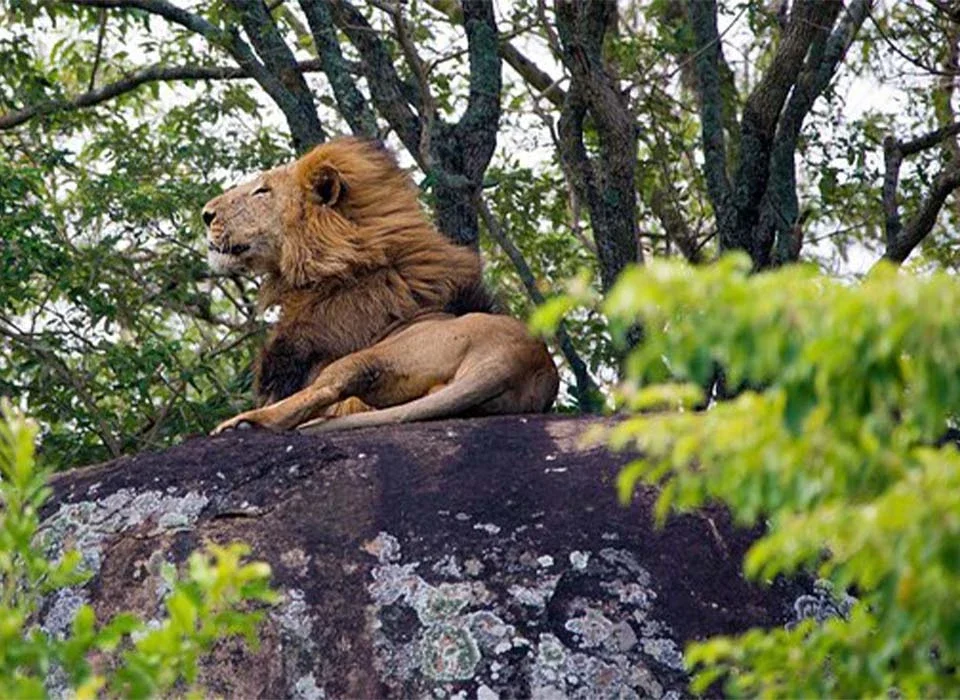
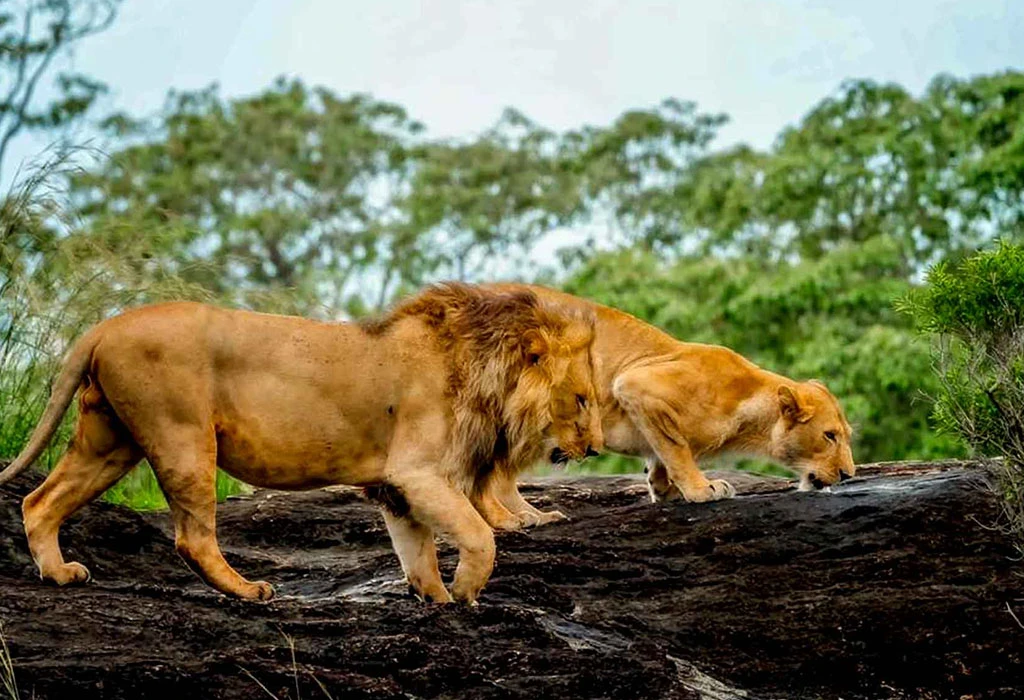
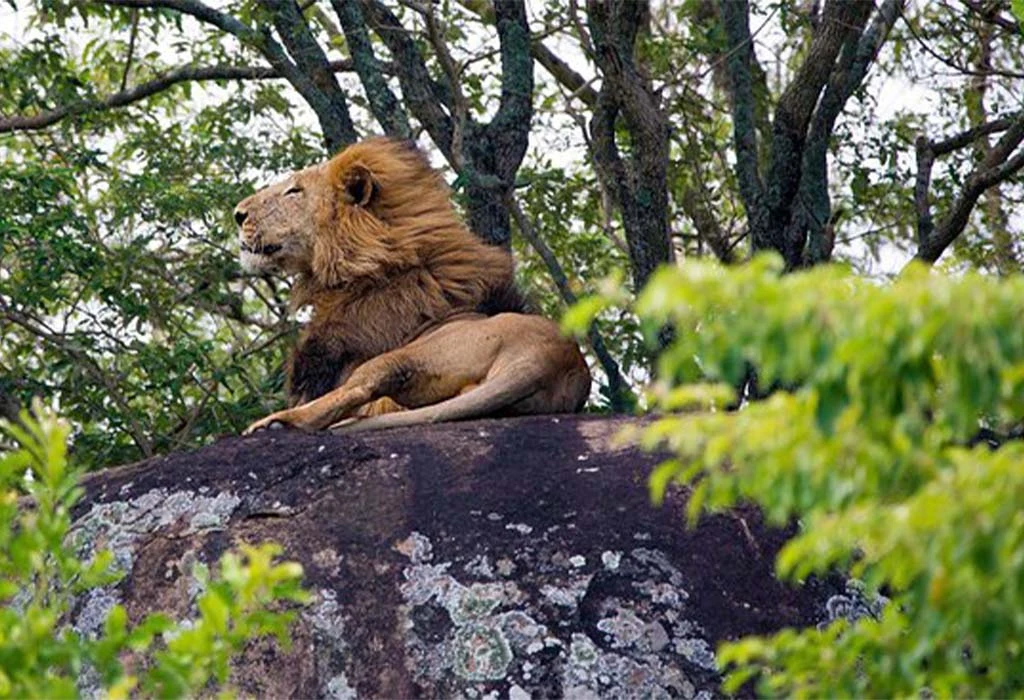
- Lions resting in shaded areas or searching for prey.
- Leopards, although they are more difficult to locate.
Cheetahs are another interesting attraction because Kidepo is one of Uganda’s historically important landscapes for this increasingly rare predator.
Birdwatchers also have plenty to enjoy. The park’s varied habitats support numerous bird species, including ostriches, secretary birds, vultures, eagles, hornbills and other savannah specialists.
Consequently, a Kidepo safari offers much more than the possibility of spotting rare carnivores. It introduces visitors to an exceptional wilderness environment with diverse wildlife and remarkable scenery.
Best Places to Explore Wildlife in Kidepo Valley
Understanding the park’s different habitats can make a safari more rewarding. Experienced guides select game-drive routes according to recent wildlife activity, weather conditions and seasonal changes.
1. Narus Valley
The Narus Valley is one of the best-known wildlife viewing areas in Kidepo. Its grasslands, scattered trees and seasonal water sources attract large numbers of herbivores and their predators.
Visitors frequently explore this area in search of elephants, buffaloes, giraffes, zebras, lions and other wildlife. It is also particularly important when discussing the 2023 African wild dog sighting near the Narus River.
2. Kidepo Valley
The northern section of the park offers a different landscape, with extensive open plains, seasonal riverbeds and striking mountain scenery. The Kidepo River and surrounding areas become particularly interesting during wetter periods when vegetation changes and wildlife movement patterns shift.
The valley provides excellent opportunities for landscape photography, birdwatching and exploring the park’s less frequently visited areas.
3. Kanangorok Hot Springs
Located in the northern part of the park, Kanangorok Hot Springs offer visitors an opportunity to appreciate Kidepo’s remote scenery and unique natural features.
The surrounding landscape provides excellent photographic opportunities, particularly for travellers interested in combining wildlife exploration with scenic experiences.
What Makes African Wild Dogs Special to Wildlife Photographers?
Photographing an African wild dog in the wild is a remarkable achievement. Their distinctive coats, alert expressions, large rounded ears and coordinated movements create excellent photographic opportunities.
Unlike solitary predators, wild dogs often display interesting social interactions. Photographers may capture individuals greeting one another, caring for young animals, resting together or preparing for a hunt.
Their hunting behaviour is particularly fascinating because it reveals the intelligence and cooperation that distinguish them from many other carnivores.
Kidepo also offers beautiful natural backgrounds for wildlife photography. Its golden grasslands, rocky hills and distant mountains create dramatic compositions, especially during early morning and late afternoon.
Even when wild dogs do not appear, photographers can look forward to capturing:
- Lions resting beneath acacia trees.
- Elephants crossing open grasslands.
- Buffalo herds gathering around water sources.
- Giraffes moving against distant mountain scenery.
- Cheetahs scanning the open plains.
- Colourful savannah birds and birds of prey.
For the best results, carry a camera with a suitable telephoto lens and follow your guide’s advice on positioning and responsible wildlife observation.
Best Time to Search for African Wild Dogs in Kidepo Valley
Wildlife viewing in Kidepo is possible throughout the year, although seasonal conditions influence animal movements and road accessibility.
The drier months generally offer favourable conditions for traditional game drives because animals often concentrate around remaining water sources. The vegetation may also become less dense, making it easier to observe wildlife across open plains.
Early morning and late afternoon are particularly rewarding periods for exploring the park. Temperatures are generally more comfortable, and many animals become more active during these hours.
However, African wild dogs cover extensive distances, and their movements do not follow predictable tourist schedules. Even during favourable wildlife-viewing conditions, there is no guarantee of finding them.
Travellers hoping to explore Kidepo’s rare predators should consider spending several nights in the park. Longer stays provide additional opportunities to explore different habitats and observe a wider variety of wildlife.
It is also helpful to travel with experienced local guides who understand the park’s terrain and can communicate with park authorities about recent wildlife activity.
Conservation Challenges Facing African Wild Dogs
African wild dogs face several threats across their natural range. Their large home ranges and dependence on connected habitats make them particularly vulnerable to environmental changes and human activities.
Habitat fragmentation can isolate packs and reduce access to suitable hunting grounds. In addition, expanding settlements, livestock grazing and agricultural activities can increase encounters between wild dogs and people.
Disease transmission is another serious concern. Rabies and canine distemper, particularly when transmitted by domestic dogs, can cause devastating outbreaks among wild dog populations.
Other conservation challenges include:
- Accidental and deliberate killing by people.
- Competition for resources in fragmented habitats.
- Road accidents and other human-related mortality.
- Loss of natural wildlife corridors.
- Reduced prey availability.
- Climate-related changes affecting water and habitat conditions.
Protecting large connected landscapes is therefore essential for the long-term survival of African wild dogs.
In Uganda, continued wildlife monitoring, habitat protection and cooperation with neighbouring conservation authorities can help improve understanding of occasional wild dog movements through the Kidepo landscape.
Responsible tourism also contributes to conservation by supporting protected area management, local employment and community development.
Cultural Experiences Around Kidepo Valley
A visit to Kidepo Valley National Park offers more than wildlife viewing. The surrounding Karamoja region is home to the Karamojong people, whose pastoral traditions and cultural practices are closely connected to the area’s semi-arid environment.
Visitors can arrange community experiences that introduce them to traditional homesteads, cattle culture, music, dances and storytelling.
These interactions provide a valuable opportunity to understand how communities have adapted to life in northeastern Uganda.
When organised respectfully through local community partners, cultural visits can create meaningful exchanges while supporting community livelihoods.
Combining wildlife exploration with cultural experiences makes a Kidepo safari more enriching and provides a broader understanding of the region.
Why Choose Kidepo Valley National Park for a Uganda Safari?
Kidepo stands out because it offers a different atmosphere from many of Uganda’s other safari destinations. Its remote location, expansive landscapes and relatively low visitor numbers create a genuine sense of wilderness.
Travellers can enjoy game drives without constantly encountering other safari vehicles. Furthermore, the park’s unusual combination of wildlife species gives visitors opportunities to explore animals and landscapes that are not commonly experienced elsewhere in the country.
Some of the reasons to include Kidepo in your Uganda safari itinerary are:
- Excellent opportunities for observing savannah wildlife.
- Beautiful mountain and wilderness scenery.
- Opportunities to search for lions, elephants and cheetahs.
- Outstanding birdwatching experiences.
- Interesting cultural encounters with the Karamojong.
- A quieter and more adventurous safari atmosphere.
Although African wild dog sightings in Kidepo Valley remain exceptionally rare, the park’s wildlife diversity and conservation significance make it worth visiting in its own right.
Plan Your Kidepo Valley Safari with Experiya Tour Company
Exploring Kidepo Valley National Park is an unforgettable experience for travellers who appreciate remote wilderness, exceptional wildlife and authentic African safari adventures.
At Experiya Tour Company, we organise guided Uganda safaris designed around your interests, travel schedule and preferred level of comfort. Our Kidepo itineraries include game drives, birdwatching, scenic exploration and opportunities to experience the cultural heritage of the Karamoja region.
Depending on your available time, you can also combine Kidepo with other remarkable destinations, including Murchison Falls National Park, Queen Elizabeth National Park and Bwindi Impenetrable National Park.
Our safari experiences focus on knowledgeable guiding, comfortable transportation, suitable accommodation and responsible wildlife tourism.
If you are interested in rare predators, African wild dog sightings in Kidepo Valley offer an exciting conservation story to explore. Although an encounter cannot be promised, the possibility of discovering unusual wildlife makes every game drive an adventure.
Contact Experiya Tour Company today to plan your Kidepo Valley safari and discover the remarkable wilderness of northeastern Uganda.