What Makes Kibale National Park Unique
April 11, 2026
Safari Activities During the Rainy Season
April 13, 2026
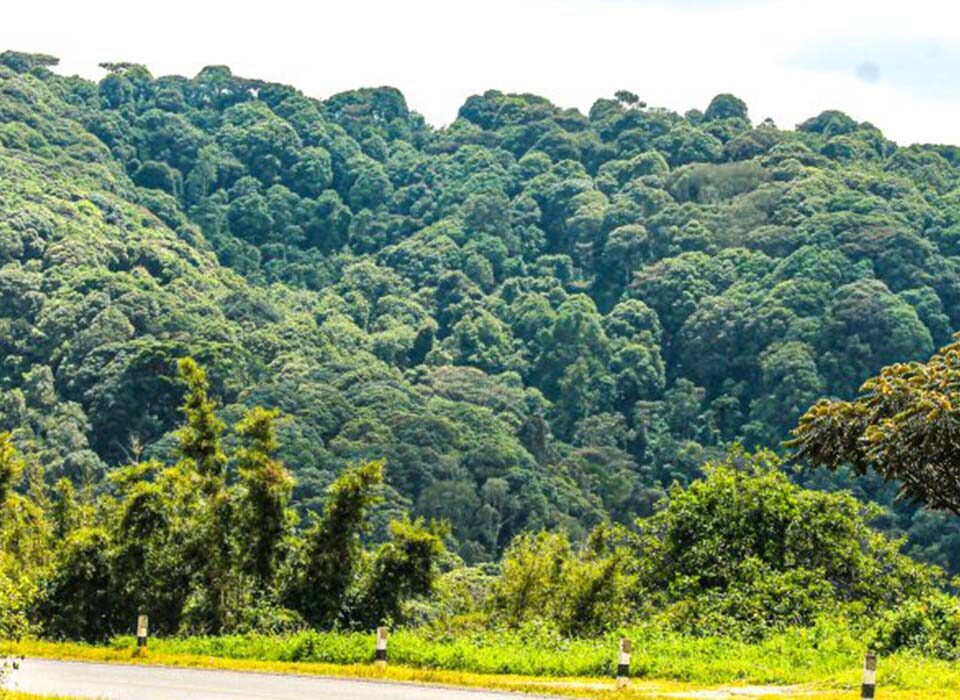
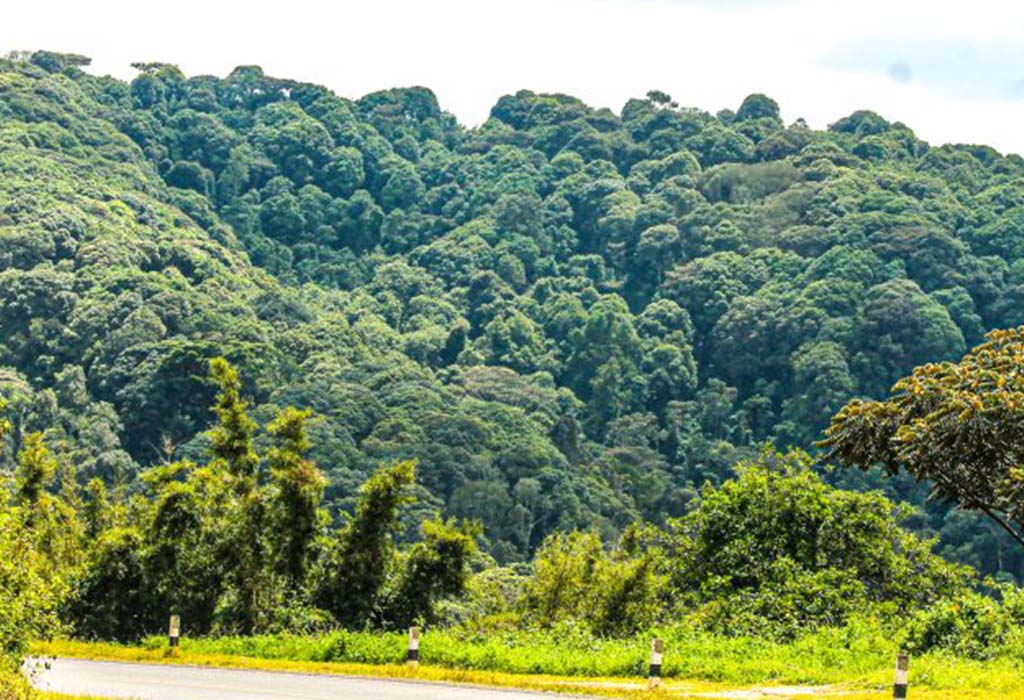
Bwindi Impenetrable National Park ranks among Africa’s finest birding destinations. Tucked into the highlands of southwestern Uganda, this ancient rainforest shelters over 350 bird species, including 23 Albertine Rift endemics, rare birds found nowhere else on Earth. Because the park is divided into four main sectors, each area delivers a distinct birding experience. Whether you’re a casual observer or a dedicated lister, Bwindi rewards patience with unforgettable sightings at every turn.
Ruhija Sector — The Eastern Highlight
To begin with, most experienced birders point to Ruhija as the ideal starting point. Sitting at a higher altitude than the other sectors, Ruhija creates cool, misty conditions that favor rare montane species. As a result, the forest feels dense, vibrant, and full of life.
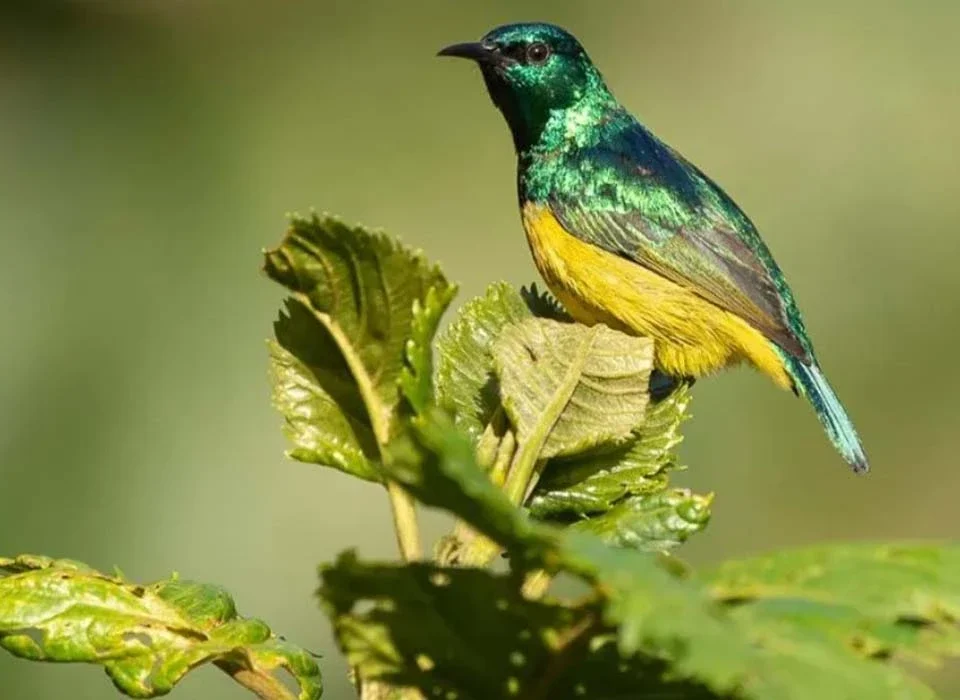
At the heart of this sector lies the famous Mubwindi Swamp Trail. Birders from around the world travel here for one reason: the chance to spot the elusive African Green Broadbill, also known as Grauer’s Broadbill. This small, secretive species remains the ultimate prize for many visitors. Along the same trail, you may also encounter Grauer’s Swamp Warbler moving swiftly through reeds, while the Regal Sunbird flashes brilliant colors in filtered forest light. Meanwhile, Archer’s Robin-Chat sings from the undergrowth, and the Handsome Francolin quietly forages along the forest floor.
As you explore deeper, the habitat gradually shifts into thick bamboo stands. This Bamboo Zone introduces a completely different birding environment. Here, the Rwenzori Nightjar rests during the day before emerging at dusk. At the same time, the African Wood Owl calls from the canopy, while the Red-faced Woodland Warbler moves restlessly among the bamboo stems. By combining both swamp and bamboo habitats in one visit, Ruhija offers a rich and rewarding high-altitude birding experience.
Buhoma Sector — The Northern Gateway
In contrast, Buhoma sits at a lower elevation in the northern part of the park. This shift in altitude creates a noticeable difference in vegetation and birdlife. The forest here transitions toward lowland characteristics, which significantly increases species diversity.
One of the standout routes is the Buhoma Waterfall Trail. As you walk through this ancient, untouched forest, you’ll notice the African Emerald Cuckoo flashing bright green through the canopy. Nearby, the Bar-tailed Trogon often perches quietly in the mid-story, rewarding those who scan carefully. On the forest floor, the White-starred Robin-Chat sings boldly, while the Great Blue Turaco glides gracefully between towering trees.
Equally important, the River Ivi Trail provides a completely different setting. Following the Ivi River, this trail winds through lush riverine forest that attracts moisture-loving species. Along the way, the Black Bee-eater darts from exposed branches over the water, while Cassin’s Flycatcher hunts from low perches. In the dense foliage, the Yellow-streaked Greenbul calls persistently. Together, these trails make Buhoma one of the most productive and enjoyable sectors for birding in Bwindi.
The Neck — A Narrow Corridor Worth Exploring
Between Ruhija and Buhoma lies a narrow stretch of forest known as “The Neck.” Although many travelers simply pass through, this corridor offers surprisingly rewarding birding opportunities.
Following a sheltered riverine valley, the Neck creates ideal conditions for several sought-after species. Notably, Chapin’s Flycatcher frequently appears on exposed rocks and low branches along the Munyaga River, making it easier to observe than many other flycatchers. In addition, Black Bee-eaters actively hunt along the corridor, while the Mountain Wagtail moves gracefully along the water’s edge.
Because fewer visitors stop here, the Neck remains quiet and uncrowded. For patient birders, this peaceful setting often leads to more intimate and productive encounters.
Nkuringo and Rushaga Sectors — The Remote South
Further south, Nkuringo and Rushaga offer a more remote and undisturbed birding experience. These sectors feel quieter, allowing you to explore for hours without encountering other groups. Consequently, they appeal strongly to birders who value solitude alongside rare sightings.
Within Nkuringo, the Nombe Pocket Forest stands out as a hidden gem. This isolated patch attracts edge-dwelling species and provides excellent lighting conditions for bird photography. As the forest opens slightly at the edges, visibility improves, making it easier to capture memorable moments.
Meanwhile, the Kashasha River Trail connecting Nkuringo to Buhoma serves as a vital wildlife corridor. As you move along this diverse trail, you’ll notice a wide range of habitats and species. The Short-tailed Warbler darts through the undergrowth with quick, energetic movements. Nearby, the Yellow-eyed Black Flycatcher perches openly, offering great photographic opportunities.
Most exciting of all, however, is the possibility of spotting Shelley’s Crimsonwing. This rare and striking bird appears only occasionally, but when it does, it creates a truly unforgettable moment for any birder.
Planning Your Birding Experience
Before entering Bwindi, you must obtain a birding permit from the Uganda Wildlife Authority. In addition, hiring a licensed guide is essential. Not only do guides help you identify species and interpret bird calls, but they also ensure you move quietly and efficiently through the forest. These requirements are strictly enforced, and importantly, they greatly enhance your overall experience.
For a seamless and well-organized birding safari, Experiya Tour Company can handle all logistics, from permits to expert guiding, ensuring you focus entirely on the thrill of discovery in one of Africa’s most remarkable forests.